Santiago
Studying Spanish? Decko turns these phrases into smart flashcards that adapt to your memory.
Try free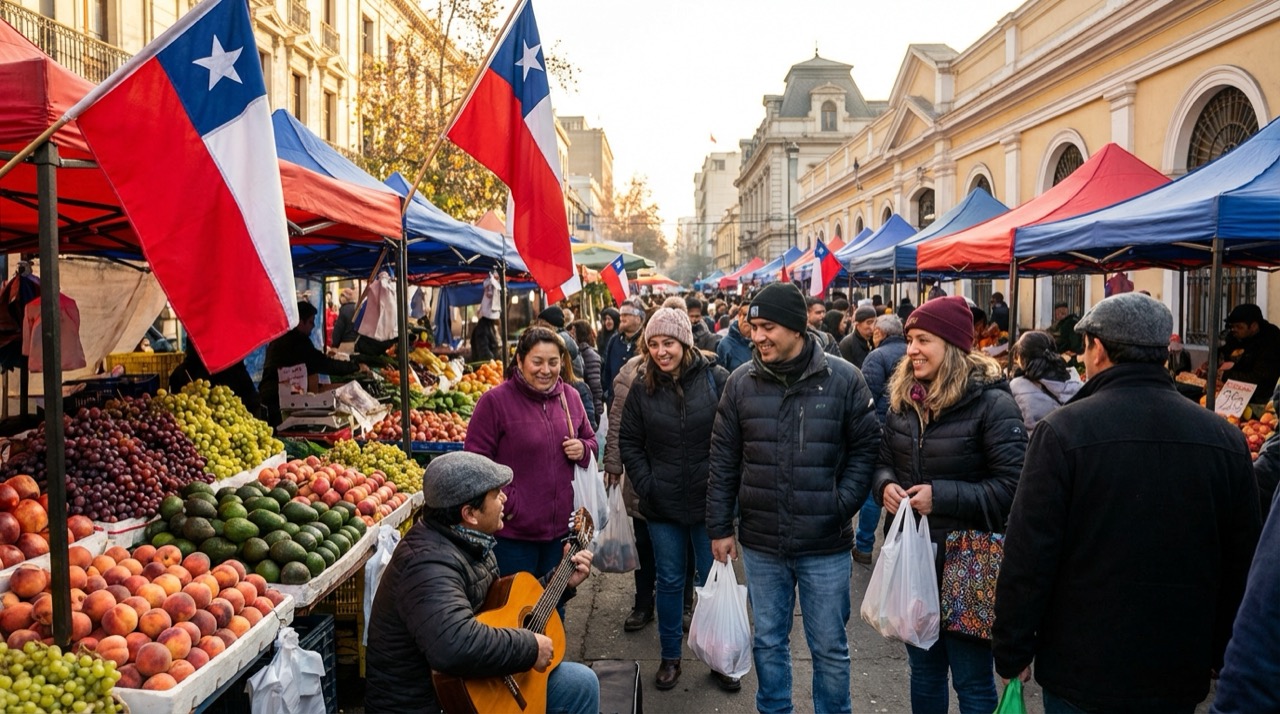
Chilean Spanish can feel like a completely different language. Locals speak fast, drop final consonants, and sprinkle in slang that no textbook covers. These phrases will help you navigate the basics without freezing up.
¿Cuánto sale?
How much does it cost?
/KWAN-toh SAH-leh/
Chileans prefer 'sale' over 'cuesta' when asking prices. You will hear this constantly at markets and shops.
¿Me podría ayudar?
Could you help me?
/meh poh-DREE-ah ah-yoo-DAR/
Polite and works anywhere. Chileans appreciate formal courtesy from visitors.
No cacho
I don't understand / I don't get it
/noh KAH-choh/
Very informal but widely used. The safe version is 'no entiendo' but locals will love hearing you try this one.
¿Dónde queda...?
Where is...?
/DON-deh KEH-dah/
Standard way to ask for directions. Follow it with the place name.
Chilean slang (called 'chilenismos') is legendary for being impenetrable. Even native Spanish speakers from other countries struggle. Locals add 'po' to the end of everything, swallow the letter 's', and have words that exist nowhere else on Earth. Learning even a handful will earn you massive respect.
¿Cachai?
You know? / Do you get it?
/kah-CHAI/
The quintessential Chilean word. Used constantly to check understanding, like 'you know?' in English. From the English word 'catch'.
Sí, po / No, po / Ya, po
Yeah / Nah / Alright then
/see poh / noh poh / yah poh/
'Po' (shortened from 'pues') gets added to almost everything. It softens statements and makes them feel more casual and friendly.
Bacán
Cool / Awesome
/bah-KAN/
The go-to word for anything positive. 'La fiesta estuvo bacán' means the party was awesome.
Fome
Boring / Lame
/FOH-meh/
The opposite of bacán. 'Qué fome' means 'how boring'. Used for anything disappointing.
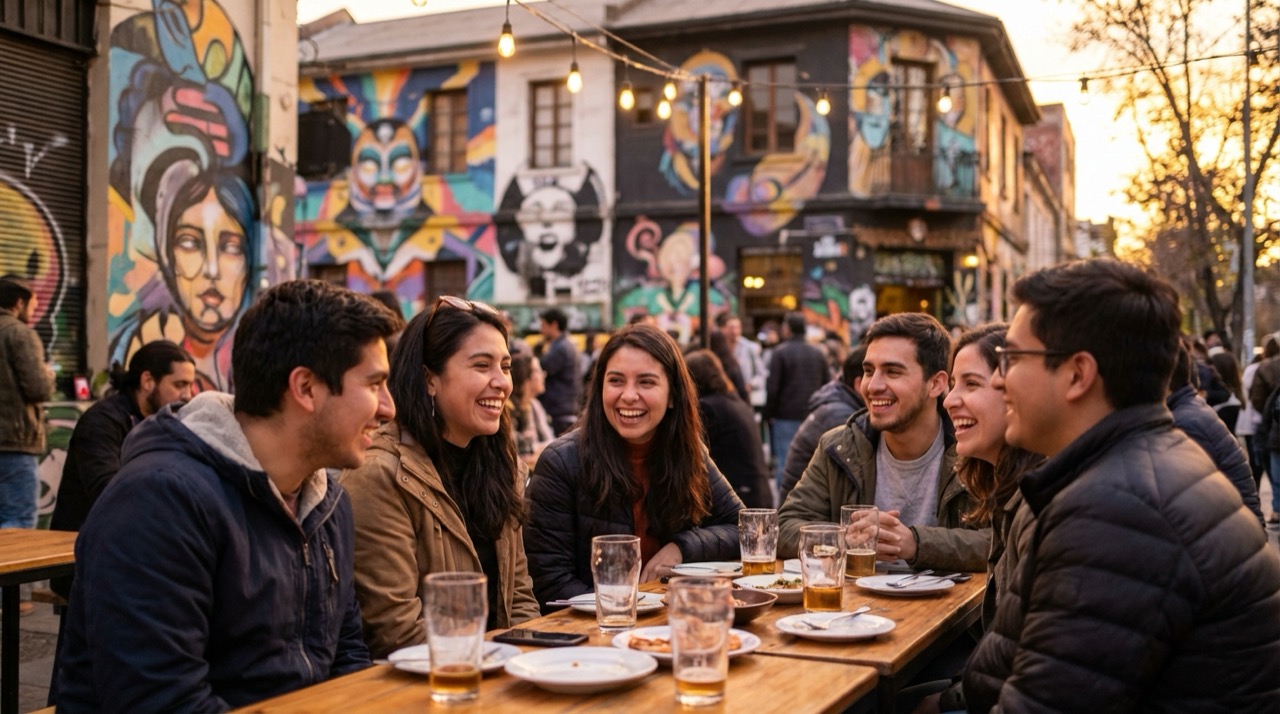
Santiago is a city of distinct barrios, each with its own personality. From bohemian art districts to upscale dining neighborhoods, the vibe shifts dramatically every few blocks. The metro makes getting between them fast and cheap.
Barrio Bellavista
The bohemian heart of Santiago. Street art covers every wall, restaurants spill onto sidewalks, and Pablo Neruda's house (La Chascona) sits tucked into the hillside. This is where locals come to eat, drink, and people-watch.
When locals say 'vamos al Bella' they mean Bellavista. Shortening neighborhood names is common.
Barrio Lastarria
Santiago's most charming cultural quarter. Tree-lined streets, independent bookshops, craft markets, and some of the city's best cafes. The GAM cultural center anchors the area with free exhibitions and performances.
Ask 'Donde hay una buena librería?' (Where is a good bookshop?) and locals will have passionate opinions.
Providencia
The upscale but approachable commercial district. Great restaurants, modern shops, and leafy Avenida Providencia for long walks. More polished than downtown but not pretentious. Most expats settle here.
'Provi' in casual speech. If someone says 'nos juntamos en Provi' they mean Providencia.
Barrio Italia
A former Italian immigrant neighborhood now turned design and vintage district. Antique shops, artisan workshops, craft breweries, and design studios fill the converted houses. Weekend brunch destination for locals.
Centro Histórico
The bustling, chaotic downtown core. Plaza de Armas, the Cathedral, Palacio de la Moneda, and the financial district all crowd together. Loud, energetic, and full of street food vendors. Best experienced on weekday mornings.
'El centro' always means downtown. 'Voy al centro' means heading to the historic core, never anywhere else.
Want to actually remember these phrases?
Save them to your flashcard deck and Decko will quiz you at the perfect time using spaced repetition.
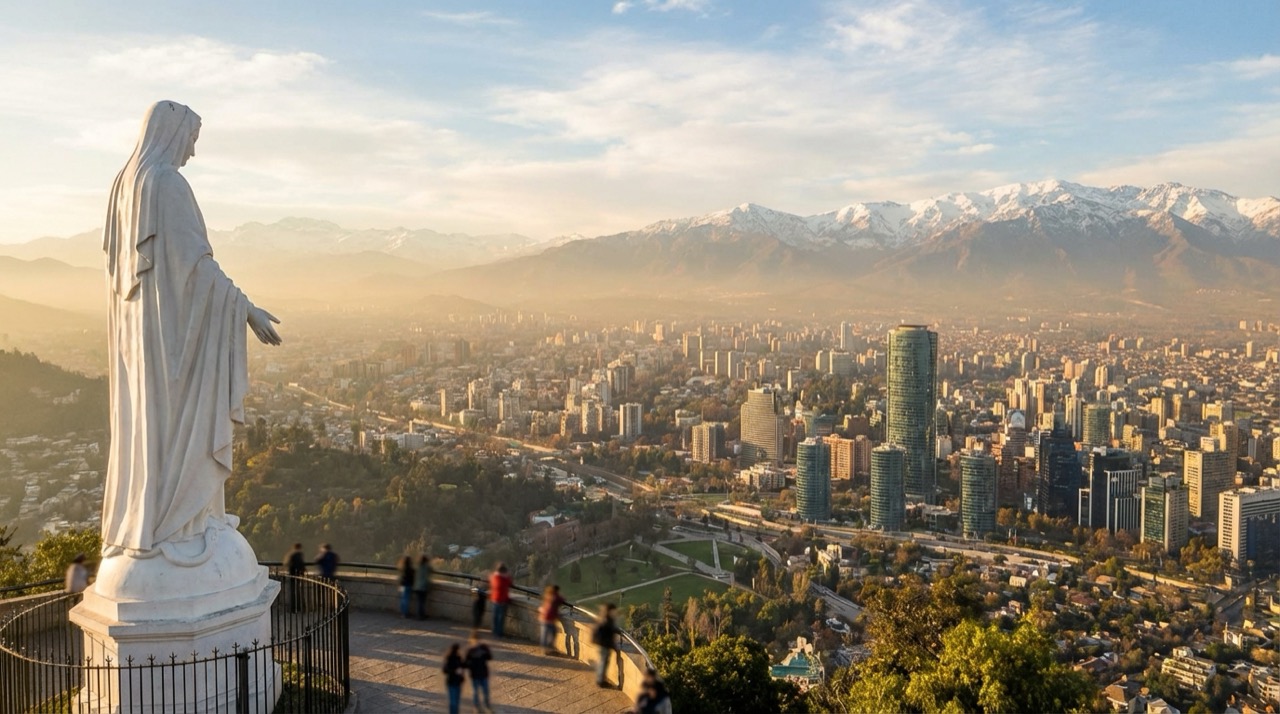
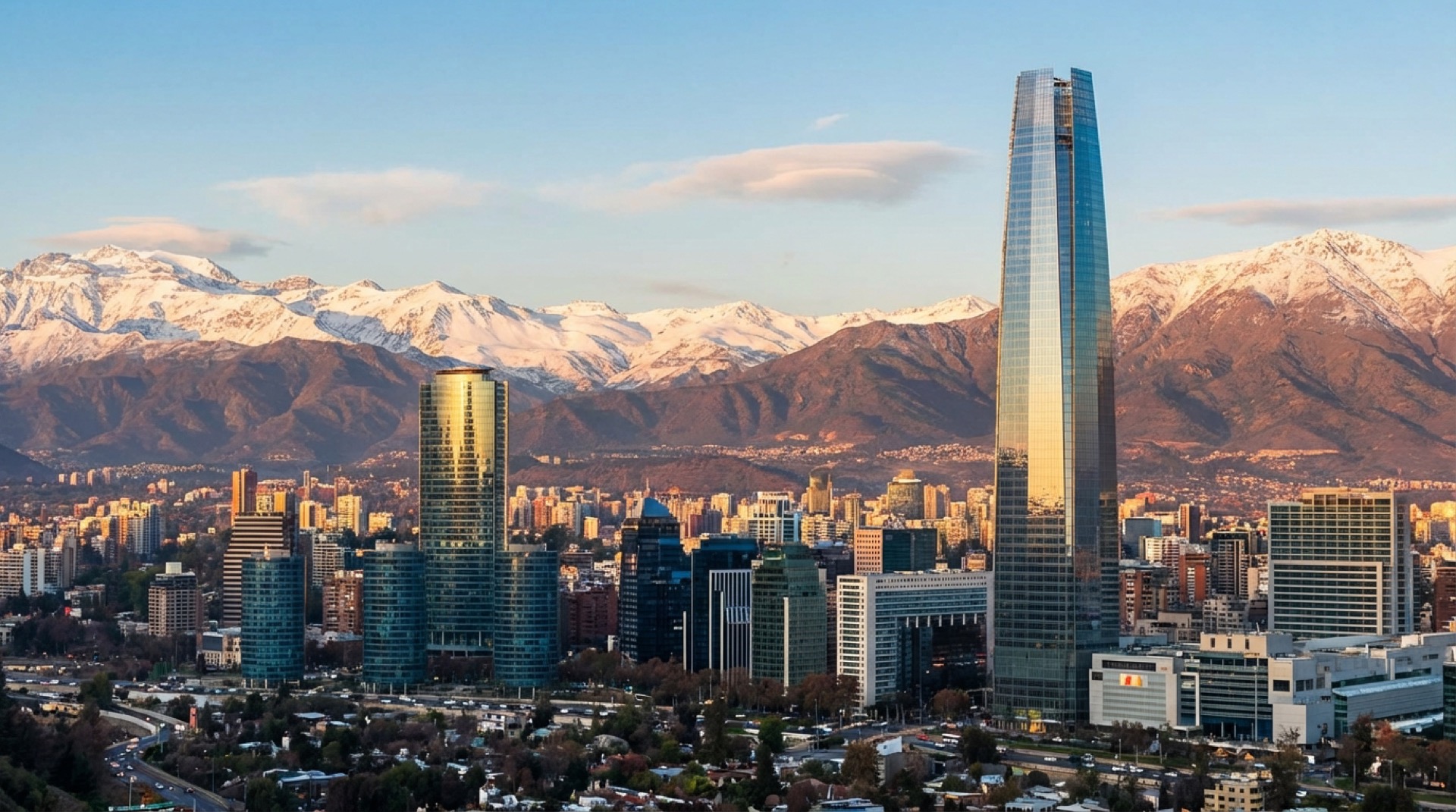
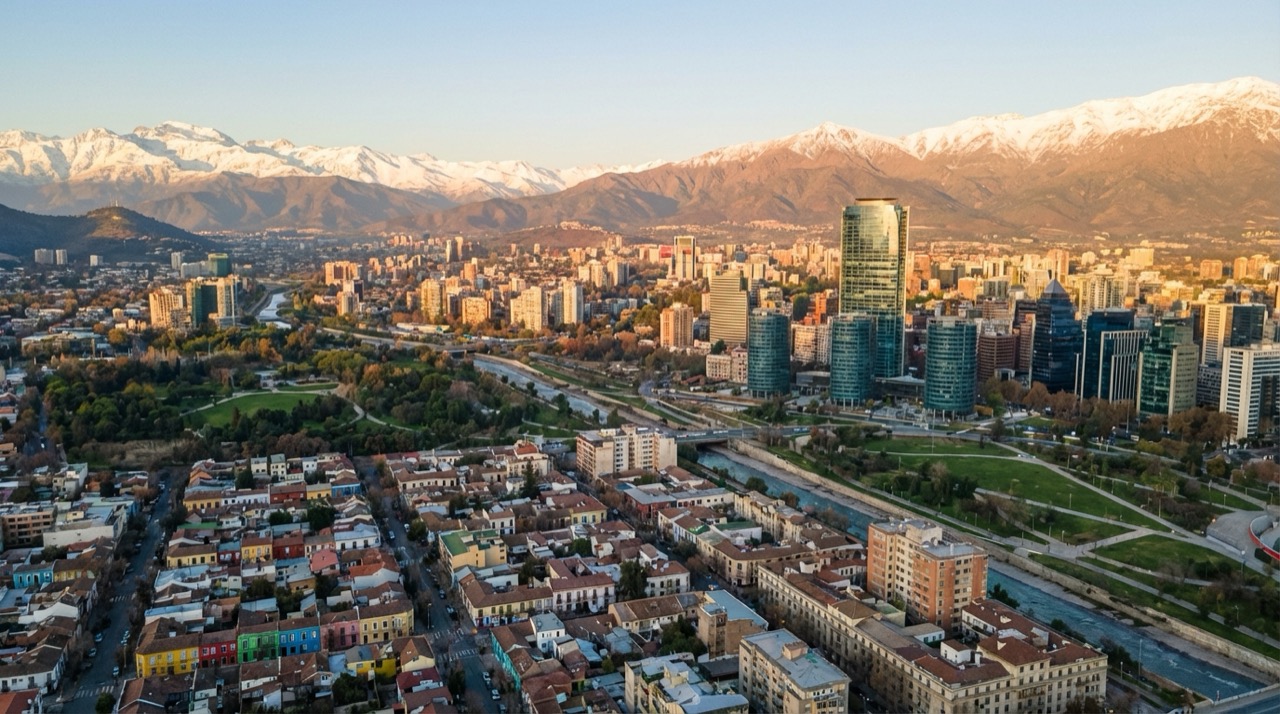
Santiago sits right against the Andes, so the city blends urban culture with mountain drama. Many of the best experiences are free or nearly free, from hilltop viewpoints to public markets to world-class museums.
Cerro San Cristóbal
A massive hill park in the center of Santiago with panoramic views, a funicular railway, Japanese gardens, and swimming pools. The Virgin Mary statue at the summit is visible from most of the city. Take the funicular up and walk down through the forests.
Say 'Quiero subir al cerro' (I want to go up the hill). 'Cerro' is the word for hill throughout Chile, not 'colina'.
Mercado Central
An ornate 19th-century iron market building that is Santiago's seafood temple. The outer stalls are where locals eat (cheaper, just as good). Try the caldillo de congrio (conger eel soup) that Pablo Neruda wrote a poem about.
Order by pointing and saying 'quiero eso' (I want that). Market vendors speak fast and expect quick decisions.
La Chascona (Neruda's House)
One of Pablo Neruda's three houses, built for his secret lover and shaped like a ship. Every room tells a story. The audio guide is worth it. Named 'La Chascona' (The Messy-Haired Woman) after his lover's wild red hair.
'Chascona' means messy-haired in Chilean Spanish. It is not standard Spanish and you will not find it in a dictionary.
Cajón del Maipo
A dramatic Andean canyon just one hour from downtown Santiago. Hot springs, hiking trails, rafting, and some of the most stunning mountain scenery in South America. Feels like a different world from the city.
'Cajón' means drawer or canyon. Ask 'Cómo llego al Cajón?' (How do I get to the canyon?) at your hostel.
Barrio Yungay & Museo de la Memoria
One of Santiago's oldest neighborhoods paired with the powerful Museum of Memory and Human Rights documenting the Pinochet dictatorship. The museum is free and deeply moving. Barrio Yungay itself has some of Santiago's best street art.
This is a sensitive topic. If someone brings up 'la dictadura' (the dictatorship), listen respectfully. Opinions remain divided.
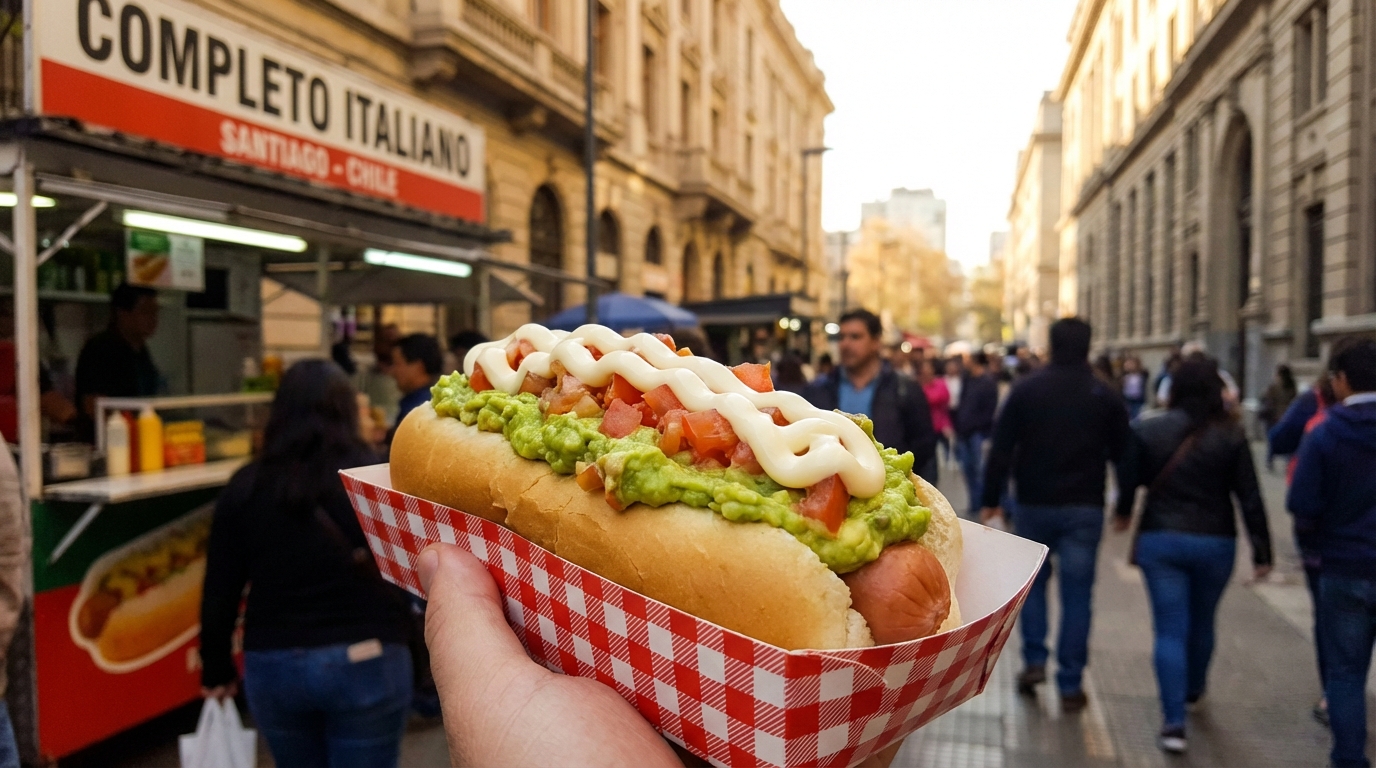
Chilean food is hearty, unpretentious, and built around a few beloved staples. Avocado goes on everything, bread is almost sacred, and the 'once' (afternoon tea) is a full meal. Portions are generous and prices are reasonable. Tipping 10% is standard.
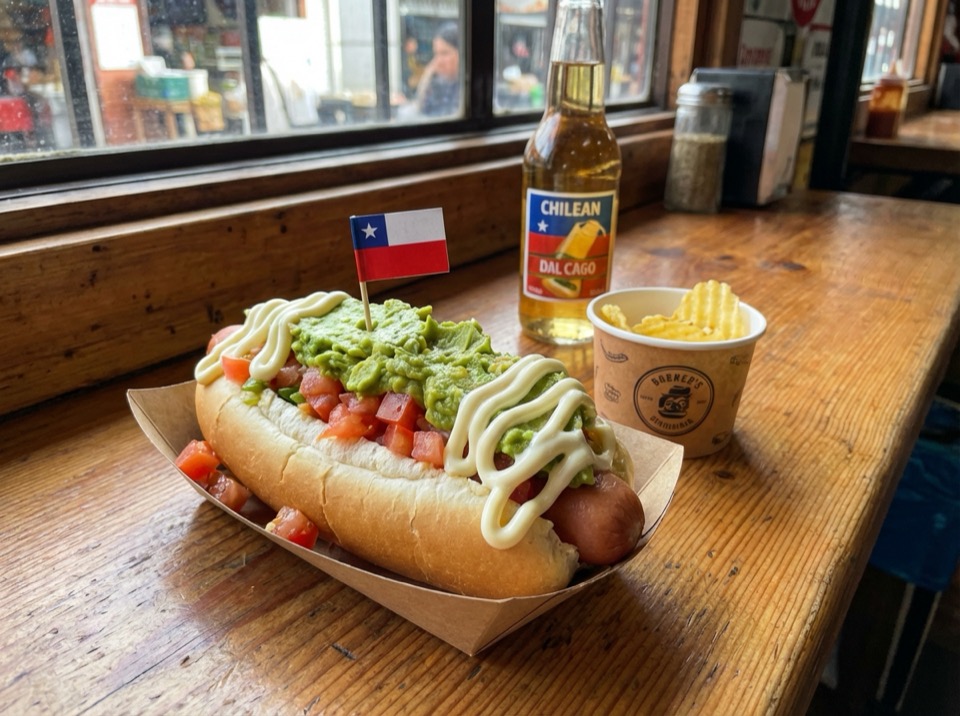
Completo
Chile's answer to the hot dog, and it is a monster. A steamed bun loaded with mashed avocado, diced tomato, mayo, and a huge sausage. The 'italiano' version (avocado, tomato, mayo) represents the Italian flag colors. Found at every 'fuente de soda' in the city.
How to order
Un completo italiano, por favor. (One Italian completo, please.) Add 'sin mayo' if you want it without mayonnaise.
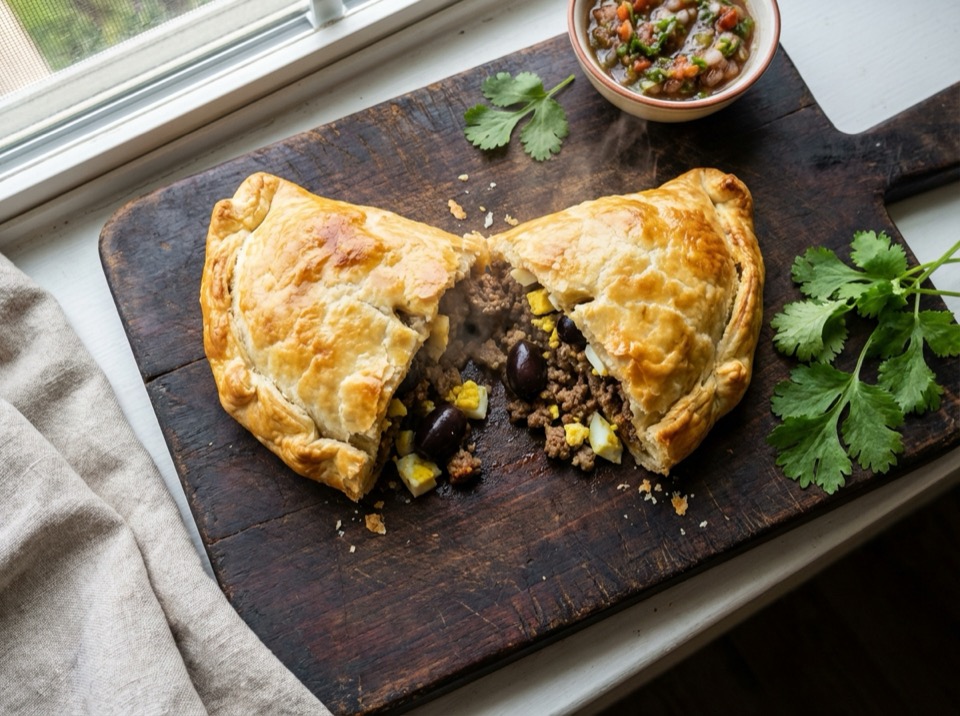
Empanada de Pino
A baked pastry stuffed with ground beef, onions, a slice of hard-boiled egg, a single olive, and a raisin. The olive and raisin are non-negotiable. Best from corner bakeries, not fancy restaurants. During September's Fiestas Patrias, consumption goes through the roof.
How to order
Una empanada de pino, por favor. For cheese: 'de queso'. Always specify 'al horno' (baked) or 'frita' (fried).

Cazuela
A clear broth soup with a big piece of chicken or beef, a chunk of corn on the cob, potato, pumpkin, and green beans. Home cooking elevated to comfort food art. Every family has their own recipe, and every version is a warm hug.
How to order
Una cazuela de ave (chicken) or una cazuela de vacuno (beef), por favor.
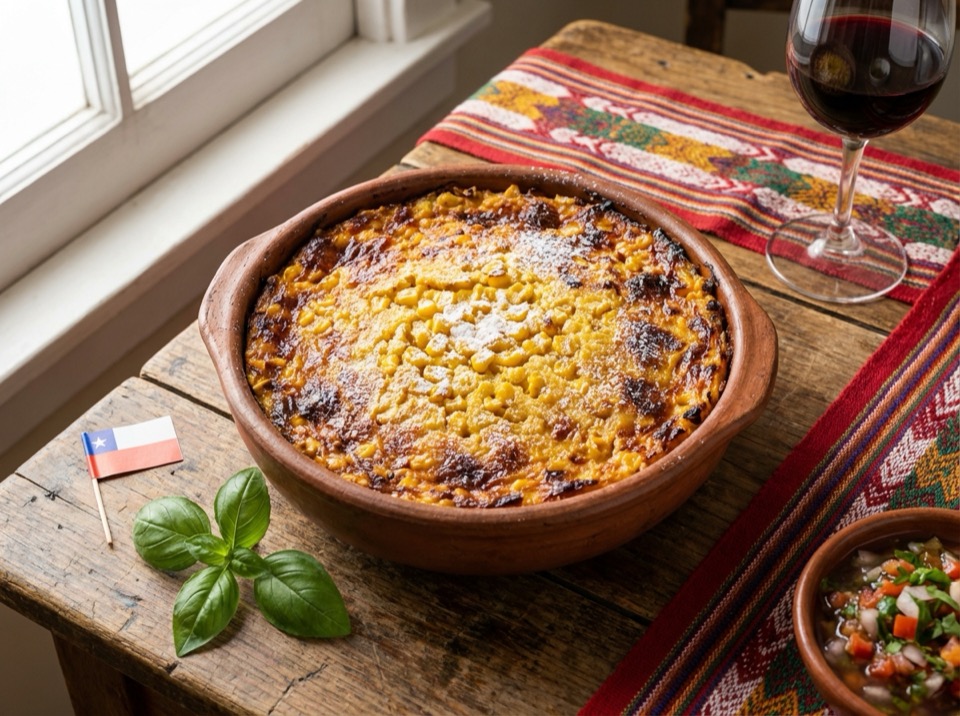
Pastel de Choclo
A sweet corn casserole baked in a clay bowl, topped with a golden sugar crust. Underneath is ground beef with onion, chicken, olives, and egg. The sweet-savory combination is addictive. Served bubbling hot from the oven.
How to order
Un pastel de choclo, por favor. It comes in individual clay bowls. Watch out, the bowl stays hot for a long time.
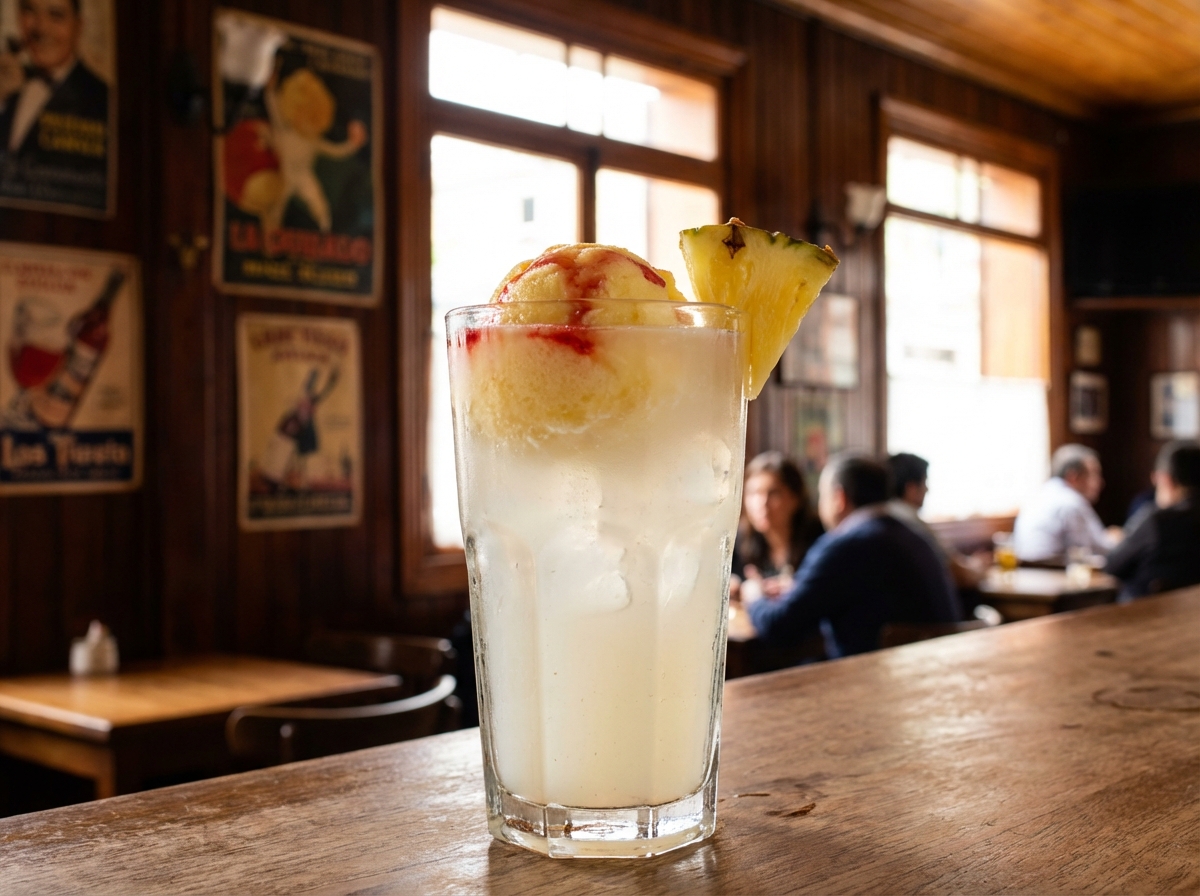
Terremoto
Literally 'earthquake.' A tall glass of sweet pipeño wine mixed with pineapple ice cream. Deceptively strong. Invented at La Piojera bar in downtown Santiago. One is fun, two is a disaster, three and you understand the name.
How to order
Un terremoto, por favor. The second round is called a 'réplica' (aftershock). The bartender will grin.
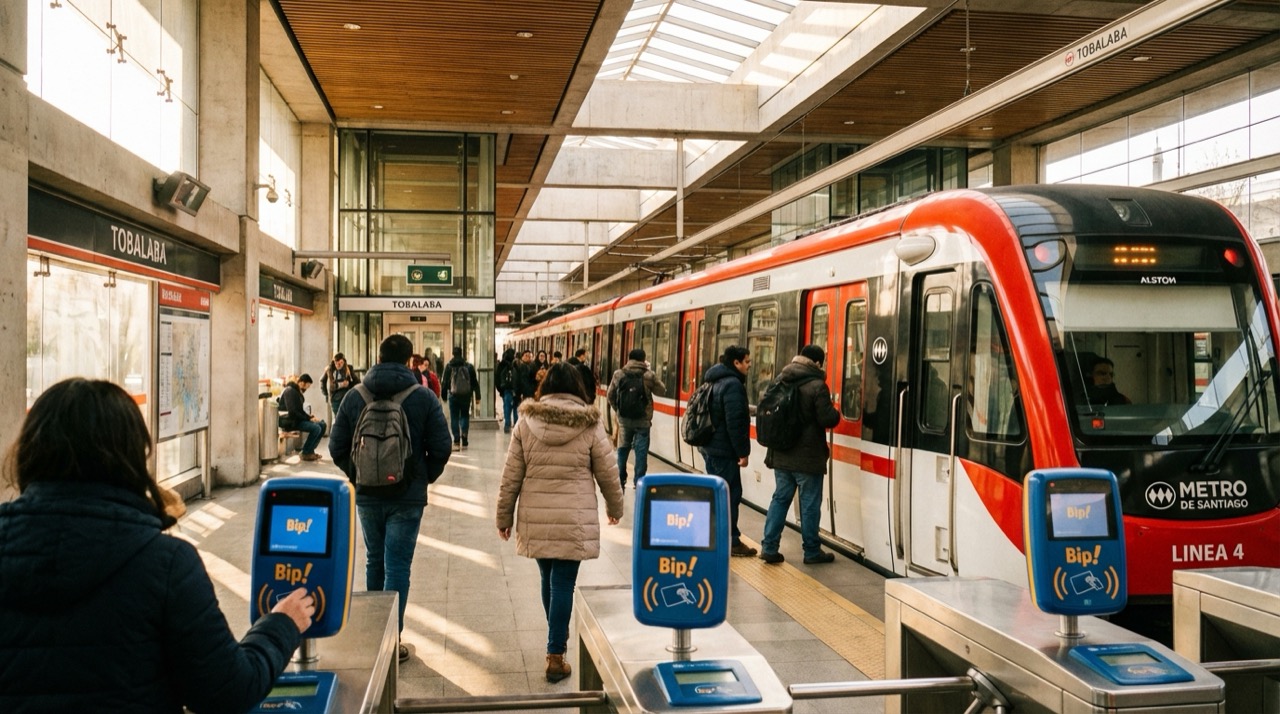
Santiago has the best public transit in South America. The metro is clean, fast, and covers most of the city. Buses are reliable once you figure out the Bip! card system. Rush hour (7-9 AM, 6-8 PM) is absolutely packed. Uber and taxi apps work well for everything else.
Metro
Seven lines covering most of Santiago. Clean, modern, air-conditioned. Runs from 5:30 AM to 11 PM (midnight on Fridays and Saturdays). The best way to get around.
- Get a Bip! card at any metro station. Load money and tap to ride.
- Avoid Line 1 during rush hour. It connects the entire east-west corridor and gets brutally packed.
- Metro stations double as landmarks. Locals give directions based on metro stops.
- Hold your belongings close during peak hours. Pickpockets work the crowded cars.
Buses (Transantiago / RED)
The bus network covers areas the metro does not reach. Same Bip! card works. Routes can be confusing at first, so use Google Maps for real-time tracking.
- You MUST use a Bip! card. Cash is not accepted on buses.
- The front door is for boarding, back door for exiting.
- Say 'baja' (getting off) when your stop is next. Press the stop button if there is one.
- Night buses (búhos) run limited routes after the metro closes.
Uber / DiDi / Cabify
All three ride-hailing apps are widely used. Uber is the most popular. Sit in the front seat to avoid attention from police, as ride-hailing exists in a legal gray area.
- Sitting in the front seat makes it look like you are riding with a friend, not a taxi.
- Pay through the app. Avoid cash transactions.
- In rush hour, DiDi is often cheaper than Uber.
- Addresses in Chile can be confusing. Drop a pin rather than typing an address.
Walking
Central Santiago is very walkable. Lastarria, Bellavista, and Providencia are all best explored on foot. The riverfront Mapocho trail is great for longer walks.
- Air quality can be bad in winter (June-August). Check the forecast before long walks.
- The smog clears after rain, revealing stunning Andes views from almost anywhere in the city.
- Cross streets carefully. Santiago drivers are not patient with pedestrians.
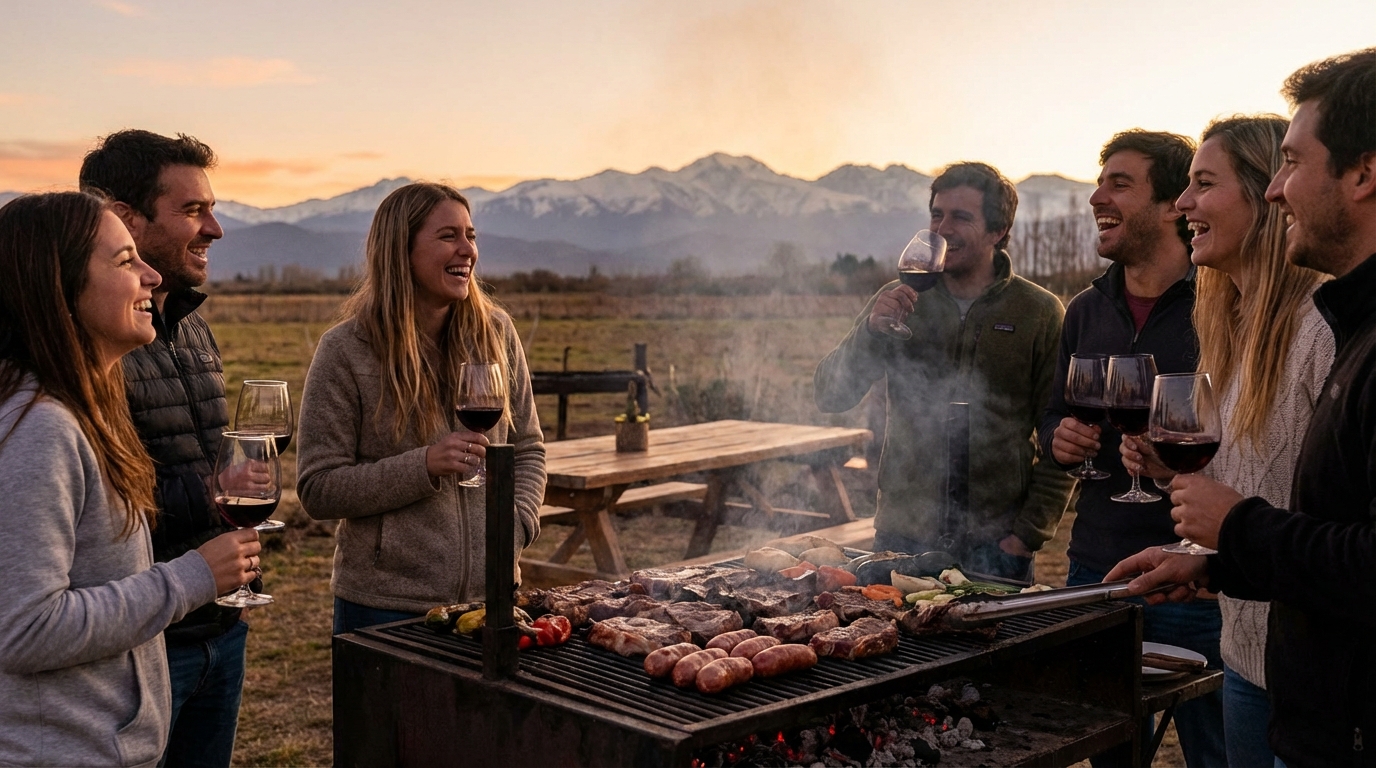
Chileans are warm but somewhat reserved compared to other Latin Americans. Initial formality gives way to genuine hospitality once the ice is broken. Chilean culture runs on wine, bread, and long social gatherings that start late and end later.
Do
- Greet with a single kiss on the right cheek (between men and women, and between women). Men shake hands with men.
- Accept invitations to 'once' (afternoon tea/dinner, around 7-9 PM). It is a core social ritual, basically an evening meal with tea, bread, avocado, and cheese.
- Learn to say '¿Cómo estai?' instead of '¿Cómo estás?' - the Chilean 'ai' ending is universal and using it shows respect for local speech.
- Try Chilean wine. The country produces world-class Carmenere, Cabernet Sauvignon, and Sauvignon Blanc. Wine is extremely affordable at restaurants.
- Be patient with Chilean time. 'A las ocho' (at eight) means around 8:30 or 9:00. Social events always start later than stated.
- Join a weekend asado (barbecue) if invited. Bring wine and arrive 30-45 minutes after the stated time.
Avoid
- Do not compare Chile to Argentina. There is a deep sibling rivalry and you will not win this conversation.
- Do not assume everyone is poor or unsafe. Santiago is modern, wealthy in many areas, and has a strong middle class. People find poverty assumptions offensive.
- Do not talk about Pinochet casually. The dictatorship period (1973-1990) still divides families. It is fine to visit the Museum of Memory but do not bring it up as small talk.
- Do not skip the bread. Bread ('pan') is served with every meal and refusing it can seem rude. Chileans eat more bread per capita than almost any country.
- Do not be loud in the metro or buses. Chileans are notably quieter on public transit than other Latin American countries.
- Do not tip taxi drivers (it is not customary). Do tip 10% at sit-down restaurants.
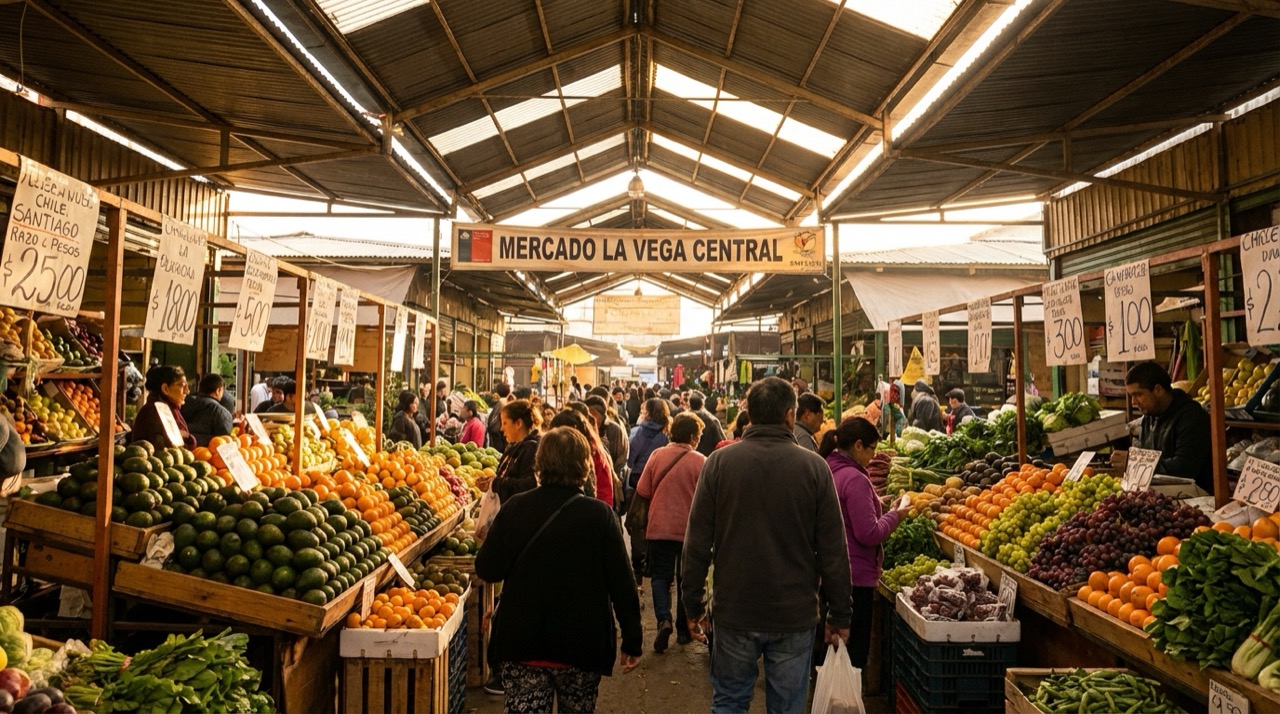
Santiago is the most expensive city in South America, but it is still very affordable by European or North American standards. Eating out is the biggest expense. Street food and markets are the budget traveler's best friends.
Typical Prices
Money-Saving Tips
- Eat the 'menú del día' (daily set lunch) at local restaurants. It includes a starter, main course, drink, and sometimes dessert for around $5-$8 USD. Available weekdays only.
- Buy groceries and wine at La Vega Central market, where prices are half of what supermarkets charge.
- Most major museums are free on specific days. The Museo de Bellas Artes and Museo de la Memoria are always free.
- The Bip! card allows free bus-to-bus and metro-to-bus transfers within two hours.
- Avoid eating at Mercado Central's interior restaurants (tourist prices). Walk to the outer ring or cross the river to La Vega for the same food at local prices.
- Chilean wine is world-class and absurdly cheap. A $5 bottle from the store beats a $30 bottle from many other countries.
- SIM cards from Entel or WOM are cheap. Buy one at the airport or any corner store with your passport.
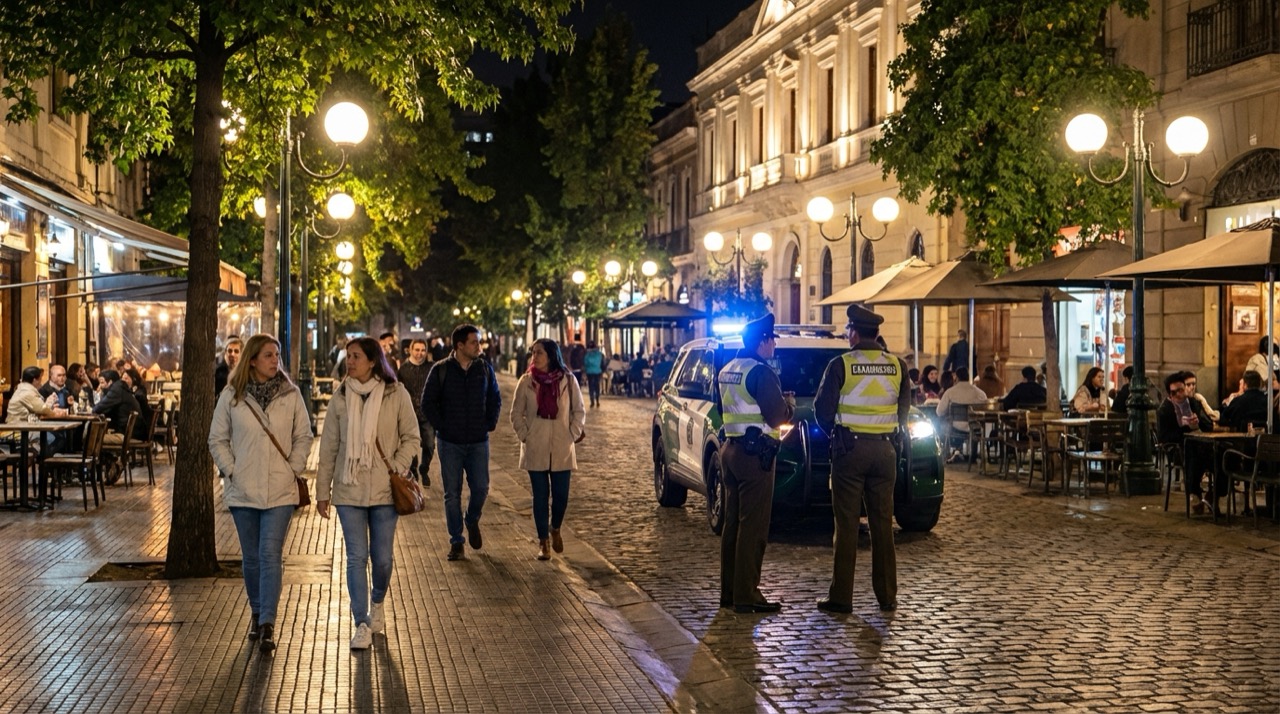
Santiago is generally safe for tourists, especially in the central and eastern neighborhoods. Petty theft (phone snatching, pickpocketing) is the main concern, particularly on the metro and in crowded areas. Knowing a few safety phrases and staying alert is usually enough.
¡Ayuda!
Help!
/ah-YOO-dah/
Shout this loudly. Chileans will respond quickly. People are generally very willing to help.
Llame a los carabineros
Call the police
/YAH-meh ah lohs kah-rah-bee-NEH-rohs/
Chilean police are called 'carabineros', not 'policía'. The emergency number is 133.
Necesito un doctor
I need a doctor
/neh-seh-SEE-toh oon dok-TOR/
For emergencies, go to the 'urgencias' (ER) at any hospital. The public system (SAPU) is free for emergencies.
Me robaron
I was robbed
/meh roh-BAH-ron/
File a police report ('denuncia') at any carabineros station. You will need it for insurance claims.
¿Es seguro caminar por aquí?
Is it safe to walk around here?
/ehs seh-GOO-roh kah-mee-NAR por ah-KEE/
Ask at your hotel or hostel. Locals know which blocks to avoid, especially after dark.
No tengo plata
I don't have money
/noh TEHN-goh PLAH-tah/
'Plata' (silver) is the Chilean word for money, not 'dinero'. This phrase helps with aggressive street vendors.
Soy alérgico/a a...
I'm allergic to...
/soy ah-LEHR-hee-koh/kah ah/
Food allergies: mariscos (shellfish), maní (peanuts), leche (dairy), gluten. Restaurant staff take allergies seriously.
¿Dónde está la farmacia más cercana?
Where is the nearest pharmacy?
/DON-deh ehs-TAH lah far-MAH-syah mahs sehr-KAH-nah/
Pharmacies (Cruz Verde, Salcobrand, Ahumada) are everywhere and sell many medications without prescription that would require one in other countries.
Community Tips

Ready to learn Spanish for real?
Take these Santiago phrases with you. Decko uses spaced repetition to make sure you actually remember them when you need them.
Free forever. No credit card required.