Salvador
Studying Portuguese? Decko turns these phrases into smart flashcards that adapt to your memory.
Try free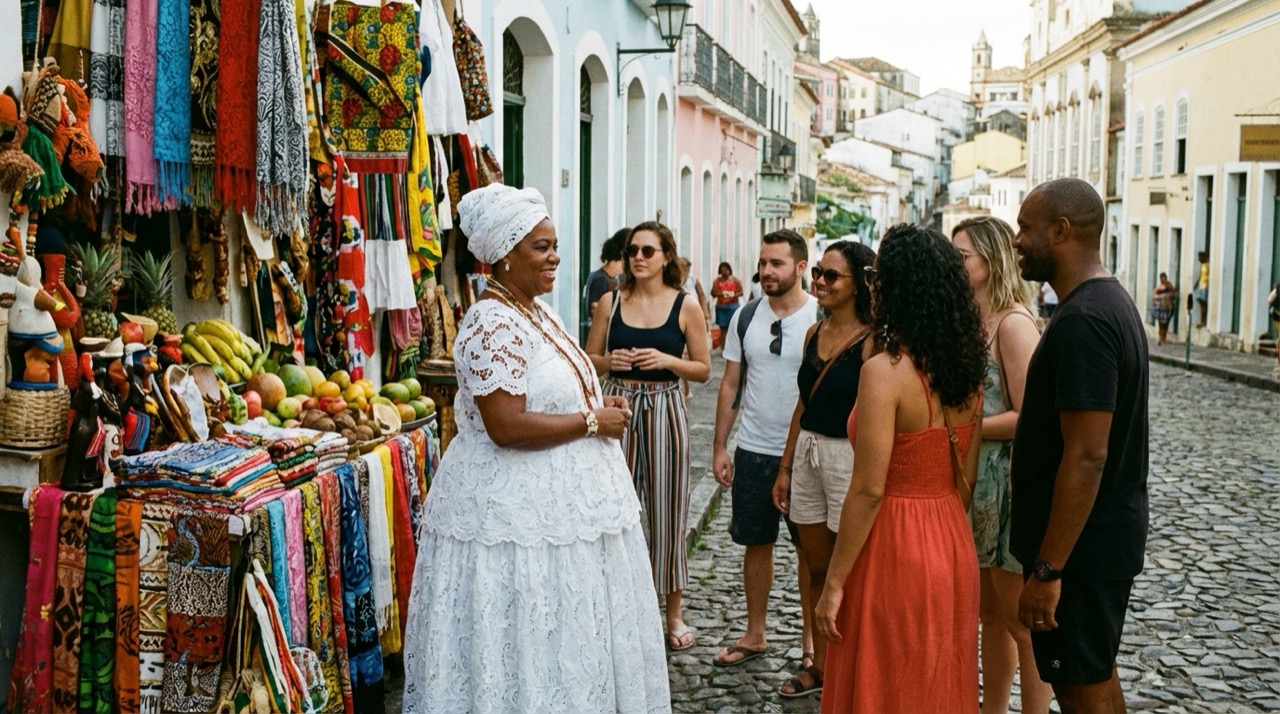
Baianos are famously warm and expressive. Greetings in Salvador tend to be longer and more affectionate than in southern Brazil. Expect hugs, kisses on both cheeks, and nicknames from the very first interaction.
Ô meu rei!
Hey, my king!
/oh meh-oo hay/
An affectionate Bahian greeting used for men. You will hear this constantly from street vendors, taxi drivers, and new friends alike.
Ô minha rainha!
Hey, my queen!
/oh mee-nyah ha-ee-nyah/
The female equivalent of 'meu rei'. Used casually in shops, restaurants, and on the street.
E aí, beleza?
Hey, all good?
/ee ah-ee beh-LEH-zah/
The most common casual greeting in Salvador. Just respond with 'Beleza!' to confirm everything is fine.
Tudo tranquilo?
Everything calm?
/TOO-doo tran-KEE-loo/
A laid-back greeting that matches Salvador's relaxed vibe. The answer is almost always 'Tranquilo!'
Bahian Portuguese has a distinctive vocabulary rooted in African languages, Indigenous Tupi, and centuries of cultural mixing. These words mark you as someone who has spent real time in Salvador, not just passed through.
Oxe!
Wow! / What! / No way!
/OH-shee/
The quintessential Bahian exclamation. Works for surprise, disbelief, indignation, or amusement. Tone is everything.
Vixe!
Oh my! / Geez!
/VEE-shee/
Short for 'Virgem Maria!' (Virgin Mary). Expresses shock or amazement. Softer and more playful than 'Oxe'.
Massa!
Cool! / Awesome!
/MAH-sah/
The Bahian way to say something is great. 'A festa foi massa!' (The party was awesome!)
Arretado!
Amazing! / Badass!
/ah-heh-TAH-doo/
Originally from the Northeast interior. Means something is impressively good. 'Esse show foi arretado!'
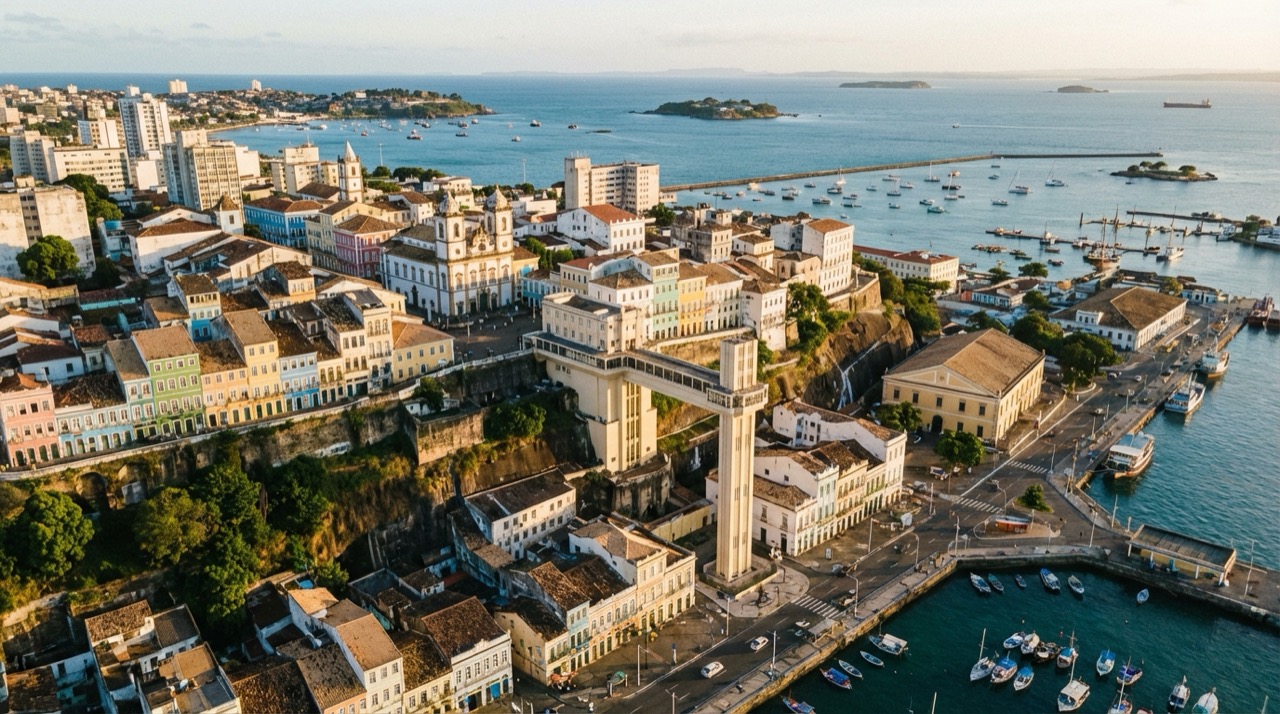
Salvador is divided between the Cidade Alta (Upper City) and Cidade Baixa (Lower City), connected by the famous Elevador Lacerda. Each neighborhood has its own rhythm, from the Afro-Brazilian heart of Pelourinho to the bohemian energy of Rio Vermelho.
Pelourinho
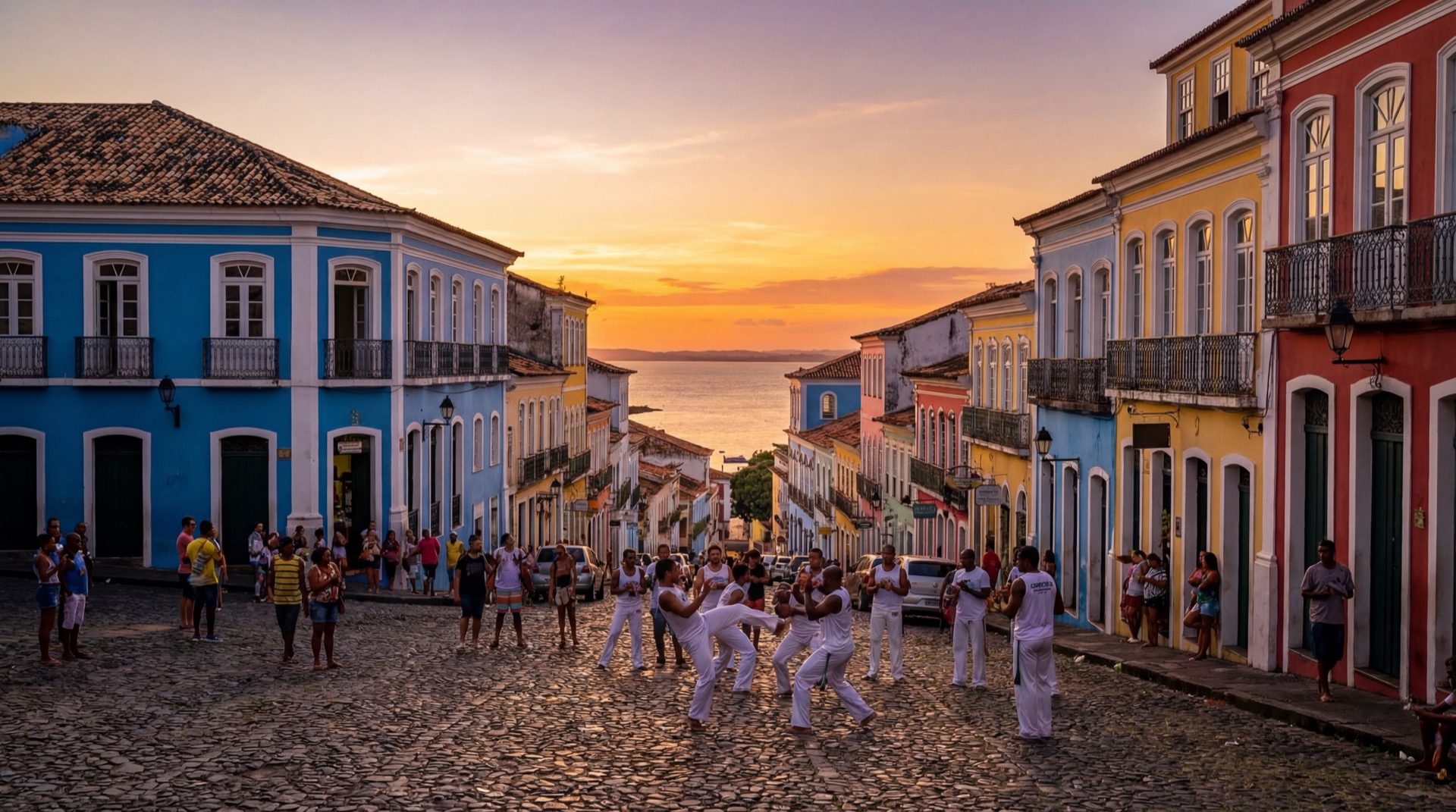
The UNESCO World Heritage historic center is the cultural soul of Salvador. Cobblestone streets wind past pastel-colored colonial buildings, baroque churches, live music venues, and capoeira circles. It comes alive at night with open-air concerts and drum circles (particularly on Tuesdays, the famous 'Terça da Bençao').
Locals call it 'Pelô' for short. If someone says 'Vamos pro Pelô?' they mean 'Let's go to Pelourinho?'
Barra
Home to the iconic Farol da Barra lighthouse and one of Salvador's best urban beaches, Porto da Barra. This neighborhood offers a more upscale vibe with seaside restaurants, sunset bars, and the Museu Náutico. Porto da Barra was once voted one of the best urban beaches in the world.
'Vamos pra Barra?' is an invitation to hit the beach, grab a drink, or watch the sunset at the lighthouse.
Rio Vermelho
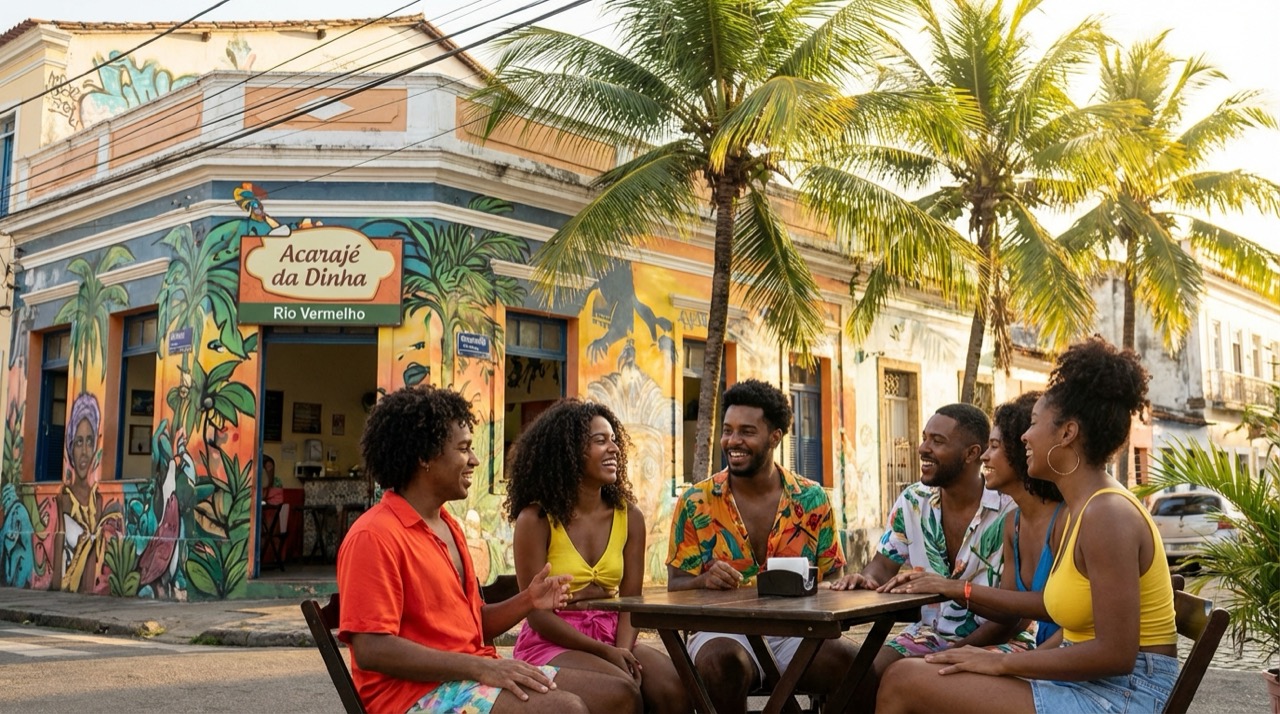
Salvador's bohemian quarter. Artists, musicians, and writers have gathered here for decades. By day it is a fishing village vibe with fresh seafood stalls; by night it transforms into Salvador's nightlife hub with live music bars, craft beer spots, and the famous Largo de Santana square. Every February 2nd, the massive Festa de Iemanjá celebration happens here.
'Rio' alone usually means Rio de Janeiro. In Salvador, always say the full 'Rio Vermelho' to avoid confusion.
Cidade Baixa
The Lower City sits at the base of the escarpment below Pelourinho. It is the commercial heart of Salvador, home to the Mercado Modelo (the city's most famous market), the ferry terminal to Itaparica island, and the foot of the Elevador Lacerda. Busy, loud, and deeply authentic.
'Cidade Baixa' literally means 'Lower City'. To go there from Pelourinho, take the Elevador Lacerda (elevator) or the steep Ladeira da Montanha road.
Itapuã
Made famous by Vinicius de Moraes and Dorival Caymmi's bossa nova classic, Itapuã is a beachside neighborhood further from the center. It offers calmer waters, a more residential feel, and some of Salvador's best acarajé vendors. The Lagoa do Abaeté, a striking dark-water lagoon surrounded by white sand dunes, is nearby.
The famous song goes 'Itapuã, é bonita Itapuã...' Mentioning the song to locals is a guaranteed conversation starter.
Want to actually remember these phrases?
Save them to your flashcard deck and Decko will quiz you at the perfect time using spaced repetition.
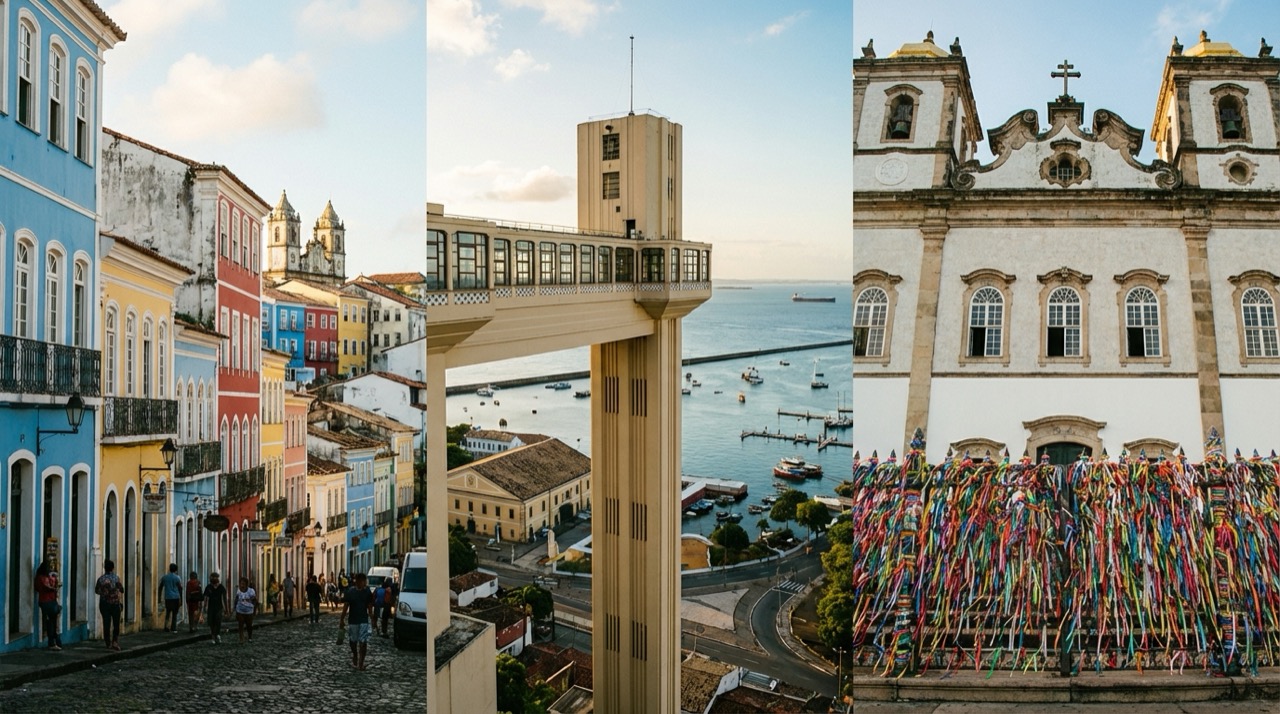
Salvador was Brazil's first capital and the heart of Afro-Brazilian culture. Its attractions blend colonial history, African spiritual traditions, and a vibrant arts scene you won't find anywhere else in the country.
Centro Histórico do Pelourinho
This UNESCO World Heritage Site is one of the largest collections of 17th and 18th century colonial architecture in the Americas. Its colorful facades, baroque churches (especially the gold-covered interior of São Francisco), and open plazas host constant cultural events, capoeira demonstrations, and Olodum drum rehearsals.
Use 'Centro Histórico' or just 'Pelô' when asking for directions. 'Vou pro Centro Histórico' means 'I'm heading to the historic center'.
Elevador Lacerda
This art deco public elevator connects the Cidade Alta to Cidade Baixa, covering a 72-meter height difference in 30 seconds. Built in 1873 and modernized in the 1930s, it is both a vital transport link and a Salvador icon. The views from the top are spectacular, especially at sunset.
'Elevador' is pronounced 'eh-leh-vah-DOR'. The ride costs just a few centavos. Locals use it daily for commuting, not just sightseeing.
Farol da Barra (Forte de Santo Antônio)
Salvador's postcard landmark. This 17th-century fortress houses the Museu Náutico da Bahia and its lighthouse guides ships into the Baía de Todos os Santos. The surrounding area is the prime sunset-watching spot in the city, where locals gather nightly with beer and snacks.
'Farol' means lighthouse. 'Vamos ver o pôr do sol no Farol?' (Let's watch the sunset at the lighthouse?) is a classic Salvador invitation.
Igreja do Senhor do Bonfim
Bahia's most important church and the center of a unique blend of Catholic and Candomblé traditions. Visitors tie colorful 'fitas do Bonfim' (ribbons) to the church fence, making three wishes with each knot. The annual Lavagem do Bonfim (church washing ceremony) in January draws millions.
When tying a 'fita' (ribbon), you make three knots for three wishes. Locals say you must not tell anyone your wishes or they won't come true.
Mercado Modelo
Salvador's most famous market, located in the Cidade Baixa right at the base of the Elevador Lacerda. Two floors of stalls sell everything from capoeira instruments (berimbau, atabaque) to Candomblé beads, cachaca, local art, and lace. The basement once held enslaved Africans before auction.
Bargaining is expected here. Start with 'Qual o melhor preço?' (What's your best price?) and negotiate from there.
Dique do Tororó
An urban lagoon in the center of Salvador, famous for its large sculptures of Orixás (Candomblé deities) rising from the water. The surrounding park is popular for jogging, cycling, and pedal boating. The sculptures were created by artist Tatti Moreno and represent the deep African spiritual roots of Bahian culture.
'Orixás' are the deities of Candomblé. Each one governs a force of nature. Locals may refer to their personal Orixá casually in conversation.
Solar do Unhão
A beautifully restored 17th-century sugar mill complex on the waterfront, now home to the Museu de Arte Moderna da Bahia. The Saturday jazz and bossa nova sessions at sunset are legendary. The complex offers stunning views of the Baía de Todos os Santos and is a favorite spot for photographers.
'Solar' in this context means a manor house, not the sun. 'Vamos pro Solar?' means 'Let's go to the museum complex?'
Praia do Forte
About 80km north of Salvador, this beach village is home to the Projeto Tamar sea turtle conservation center, natural tide pools, and a well-preserved Atlantic rainforest reserve. A popular day trip from Salvador, it offers calmer waters and a more relaxed pace. Between July and October, humpback whales can be spotted offshore.
'Forte' means fort/strong. The name comes from the ruins of Garcia d'Ávila Castle nearby. Ask your hotel about 'bate e volta' (day trip) options.
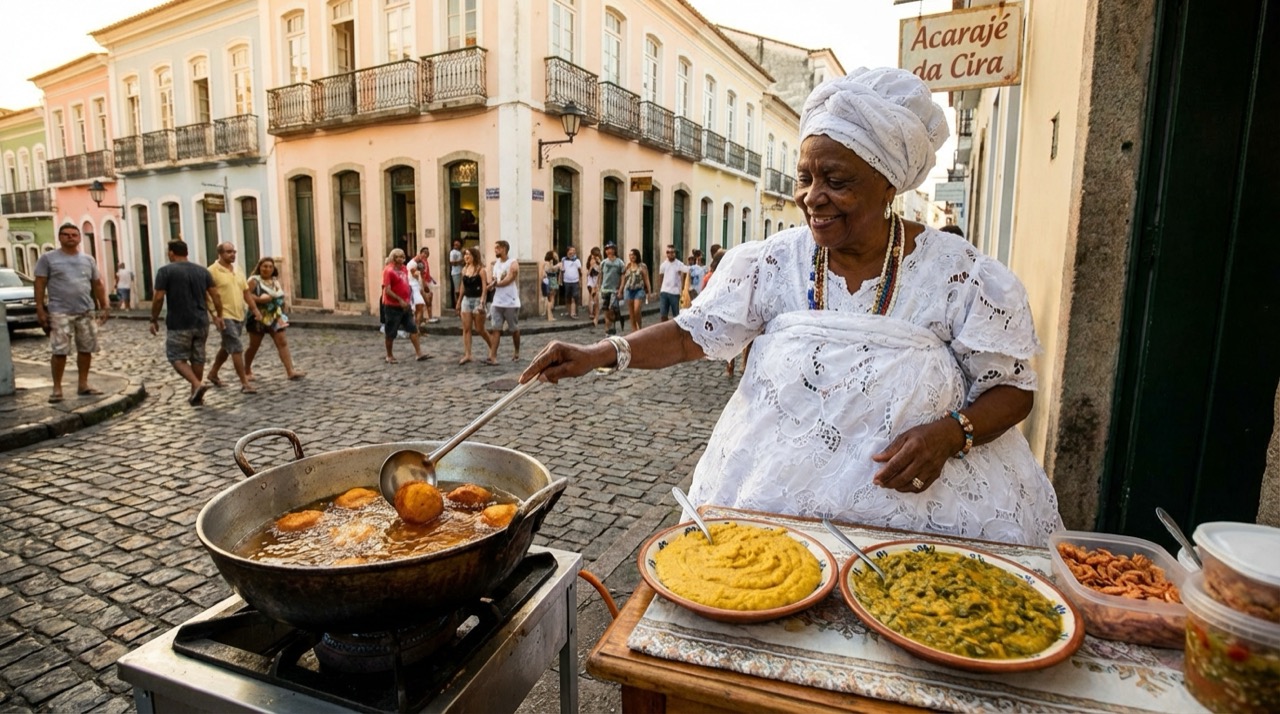
Bahian cuisine is the crown jewel of Brazilian food. Rooted in West African traditions brought by enslaved people, it features dendê (red palm oil), coconut milk, dried shrimp, and malagueta peppers. Street food here is elevated to an art form. Do not leave Salvador without trying every item on this list.
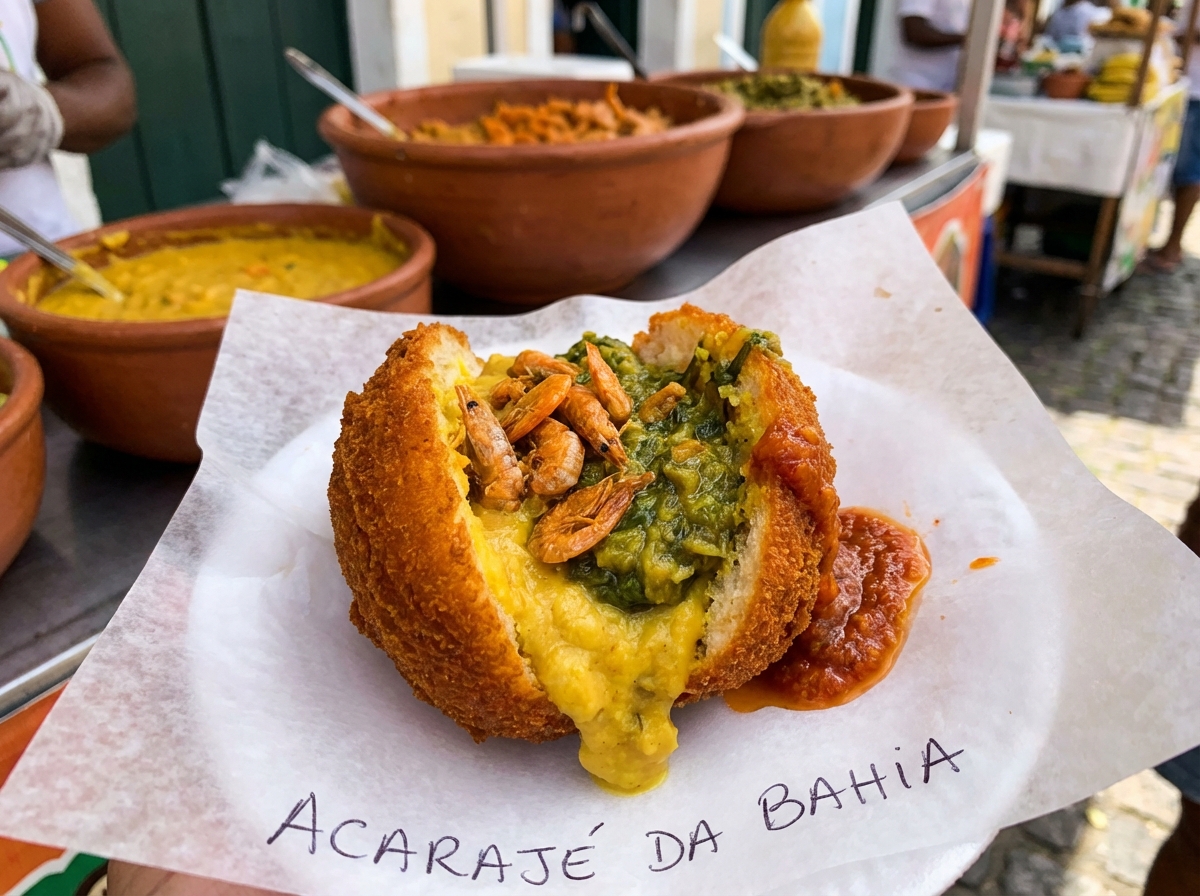
Acarajé
Salvador's most iconic street food. A ball of black-eyed pea dough deep-fried in dendê oil, split open and stuffed with vatapá (shrimp paste), caruru (okra stew), and dried shrimp. It has roots in Yoruba cuisine and is traditionally prepared by baianas in white lace dresses. Declared an intangible cultural heritage of Brazil.
How to order
'Um acarajé completo, por favor!' (A complete acarajé, please!). They will ask: 'Com pimenta?' (With hot pepper?). Say 'Com' (with) if you like spice, or 'Sem' (without) for mild. If you want the lighter version, ask for 'Abará' instead.
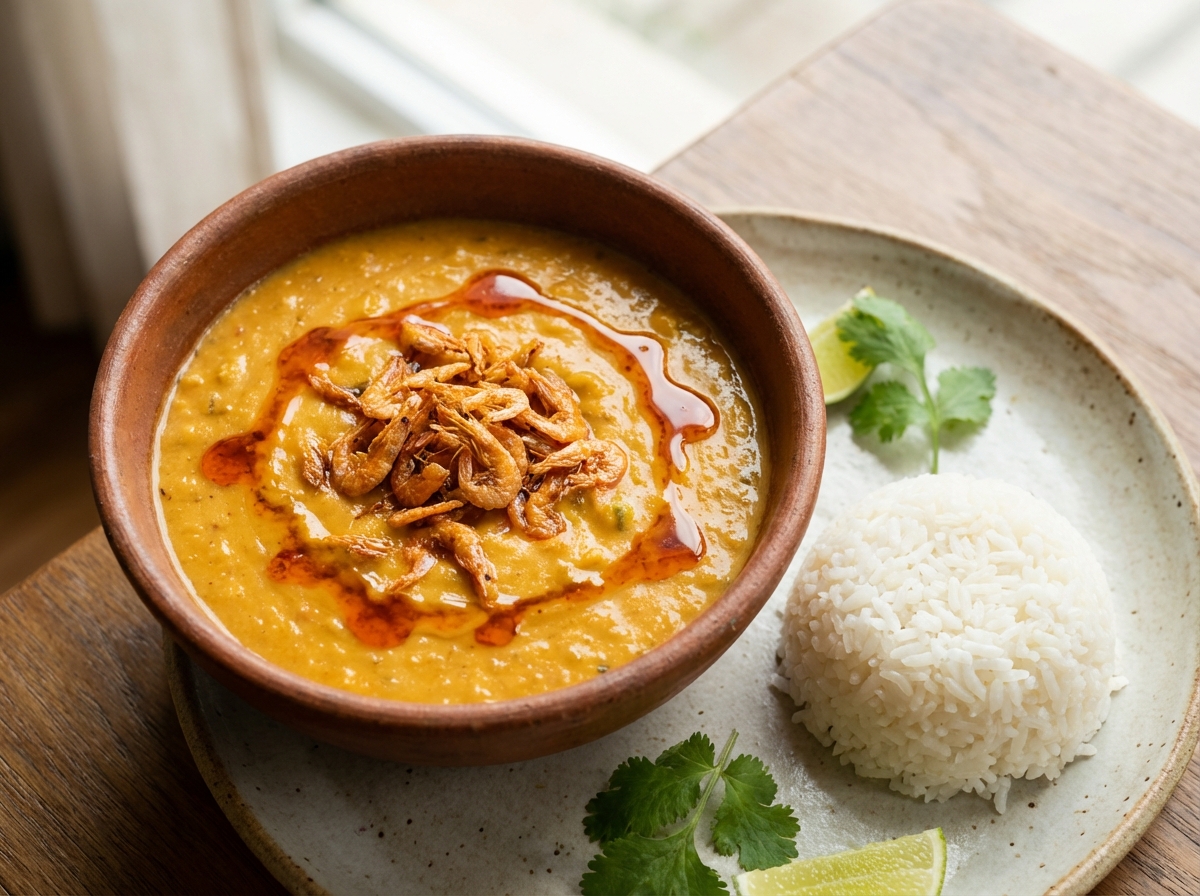
Vatapá
A thick, creamy paste made from bread, shrimp, coconut milk, finely ground peanuts, and dendê oil. Served as a filling in acarajé or as a side dish with rice. The texture is smooth and rich, the flavor deeply savory with a gentle warmth from the peppers.
How to order
'Vatapá com arroz, por favor.' (Vatapá with rice, please.) In restaurants, it often comes as a side to grilled fish. At acarajé stalls, it is the default filling.
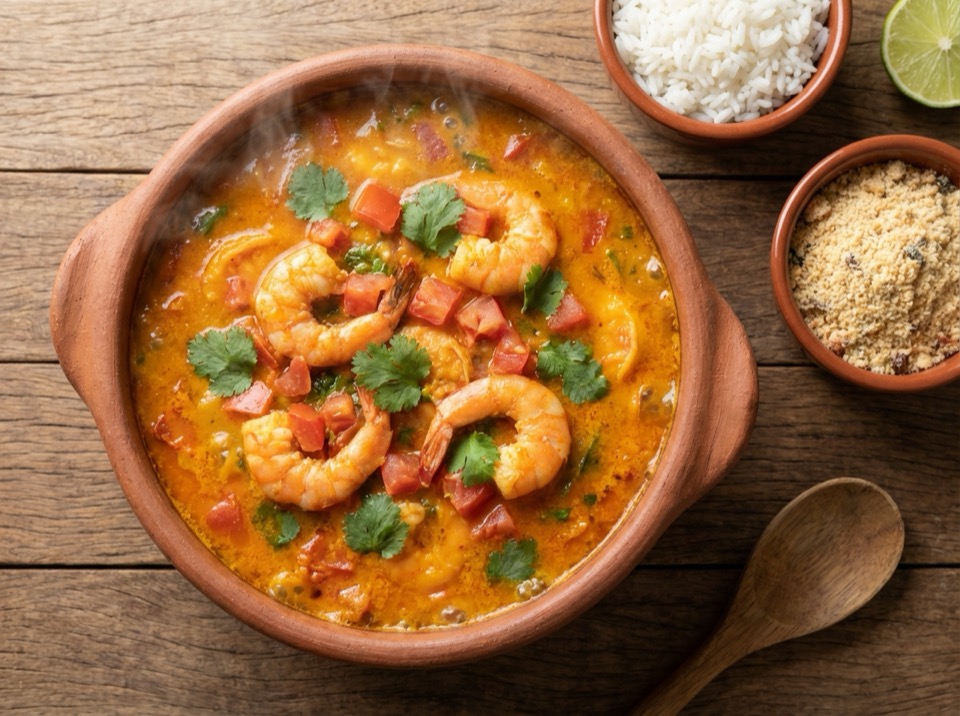
Moqueca Baiana
A rich seafood stew cooked in a clay pot (panela de barro) with fish or shrimp, tomatoes, onions, cilantro, coconut milk, and plenty of dendê oil. The Bahian version is distinct from the Capixaba (Espírito Santo) version because of the dendê and coconut milk. Served bubbling hot with rice and farofa.
How to order
'Uma moqueca de camarão, por favor.' (A shrimp moqueca, please.) You can also order 'moqueca de peixe' (fish) or 'moqueca mista' (mixed seafood). It usually serves two people.
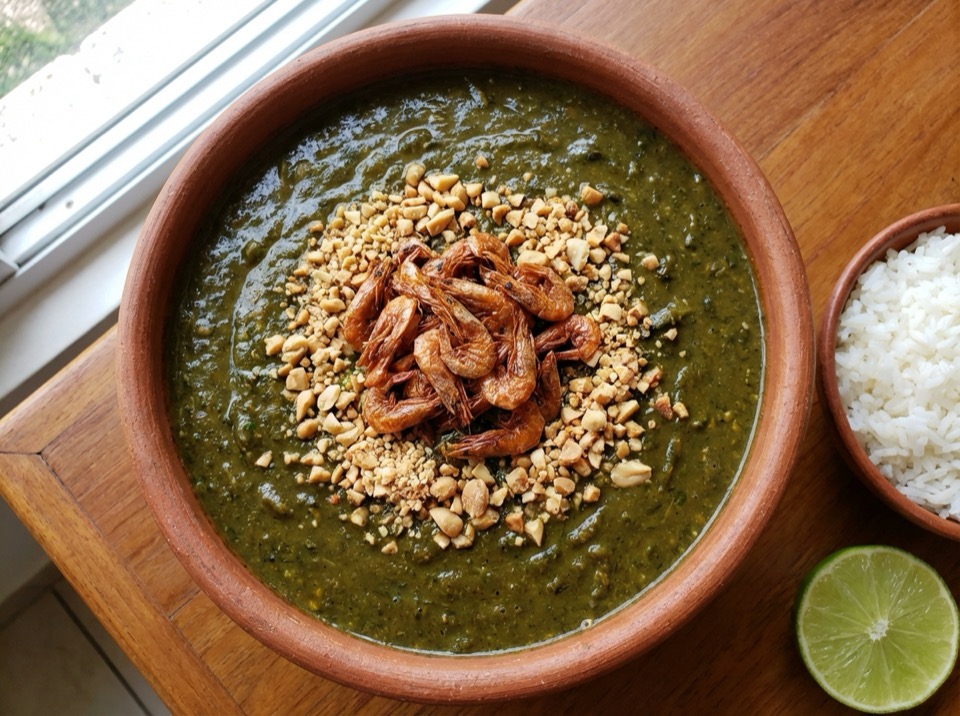
Caruru
A thick stew of finely chopped okra cooked with dried shrimp, dendê oil, roasted peanuts, and cashews. It has deep ties to Candomblé and is a required dish at the Festa de São Cosme e Damião. Rich, earthy, and utterly unique to Bahian cuisine.
How to order
'Tem caruru hoje?' (Do you have caruru today?). It is not always available at every restaurant, as it takes time to prepare. When you see it on a menu, order it.
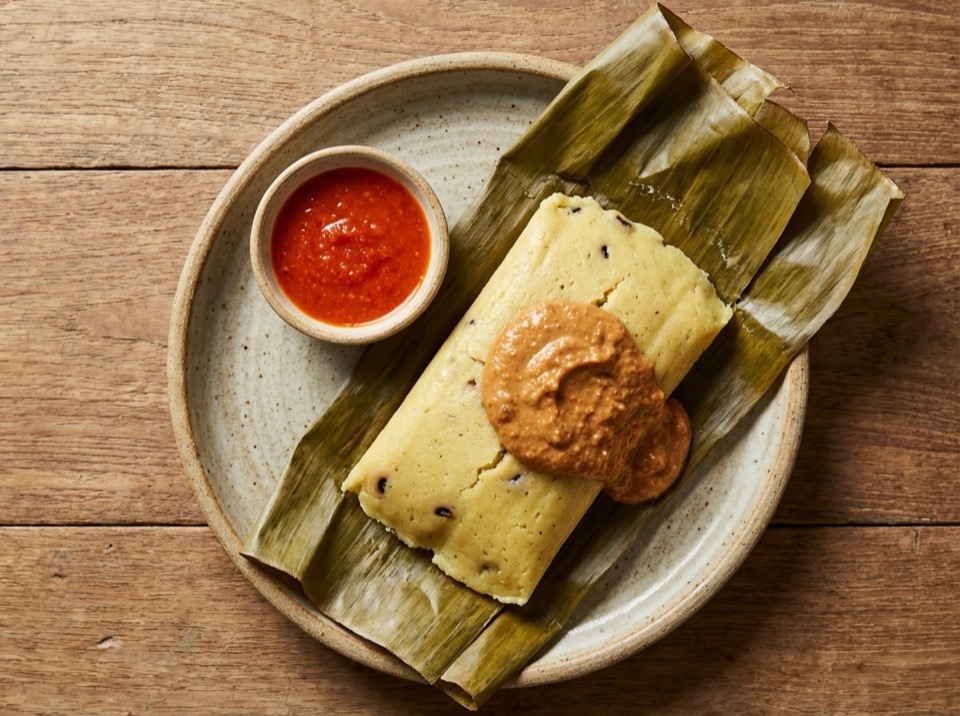
Abará
The steamed cousin of acarajé. Made from the same black-eyed pea dough but wrapped in banana leaves and steamed instead of fried. Lighter and gentler on the stomach, with the same fillings available. Popular with those who want the flavor without the oil.
How to order
'Um abará, por favor.' (An abará, please.) Every acarajé stand also sells abará. Same fillings, same question about pimenta (pepper).
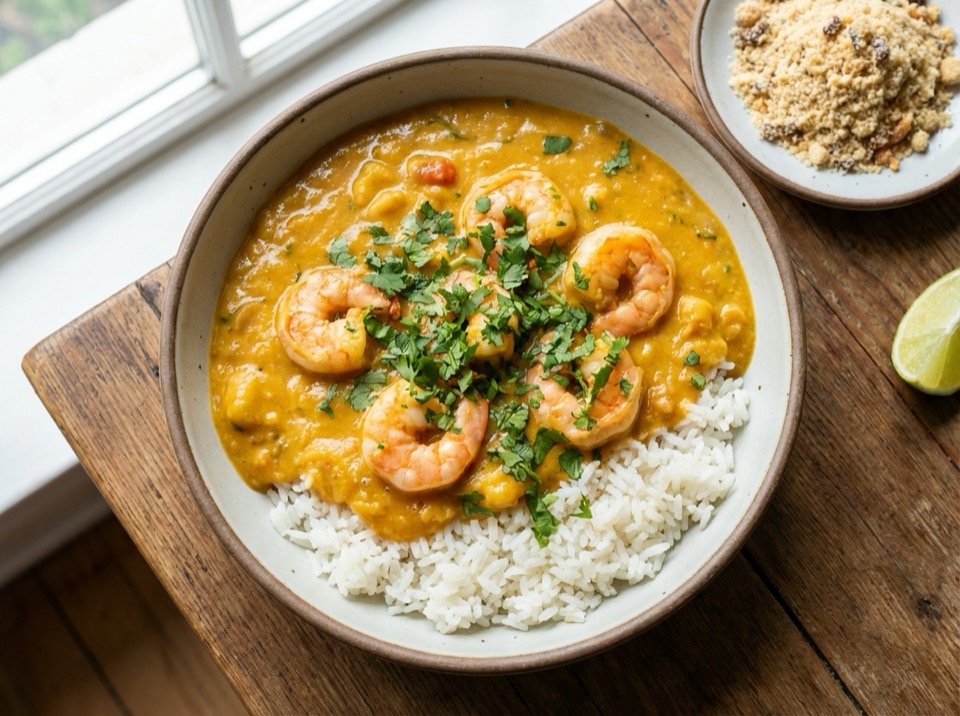
Bobó de Camarão
A velvety cassava and shrimp stew that might be the most comforting dish in all of Brazilian cuisine. Cassava is cooked until it dissolves into a thick cream, then combined with coconut milk, dendê oil, and large shrimp. Served over rice, it is pure richness.
How to order
'Bobó de camarão, por favor.' (Shrimp bobó, please.) This is a restaurant dish rather than street food. Most traditional Bahian restaurants ('restaurantes de comida baiana') will have it.
Cocada
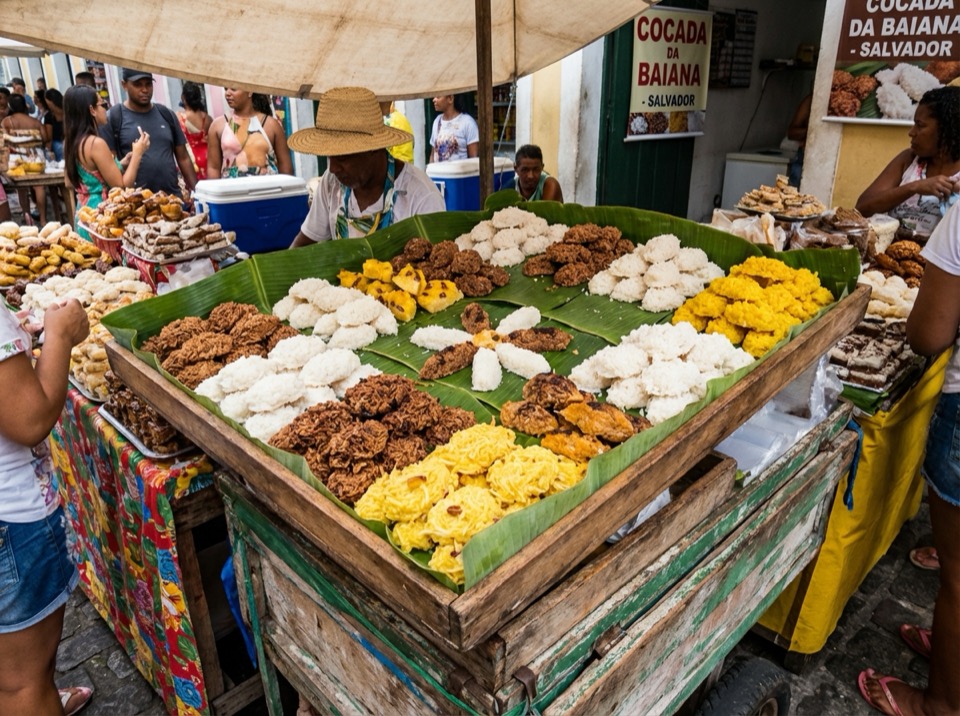
A beloved Bahian sweet made from grated coconut cooked with sugar. Comes in white (branca), brown (preta, with caramelized sugar), or mixed varieties. Sold everywhere by street vendors, often from large trays balanced on their heads. Chewy, intensely coconutty, and dangerously addictive.
How to order
'Uma cocada branca, por favor.' (A white cocada, please.) Or 'cocada preta' for the darker, caramel version. They cost just a few reais each, so try both.
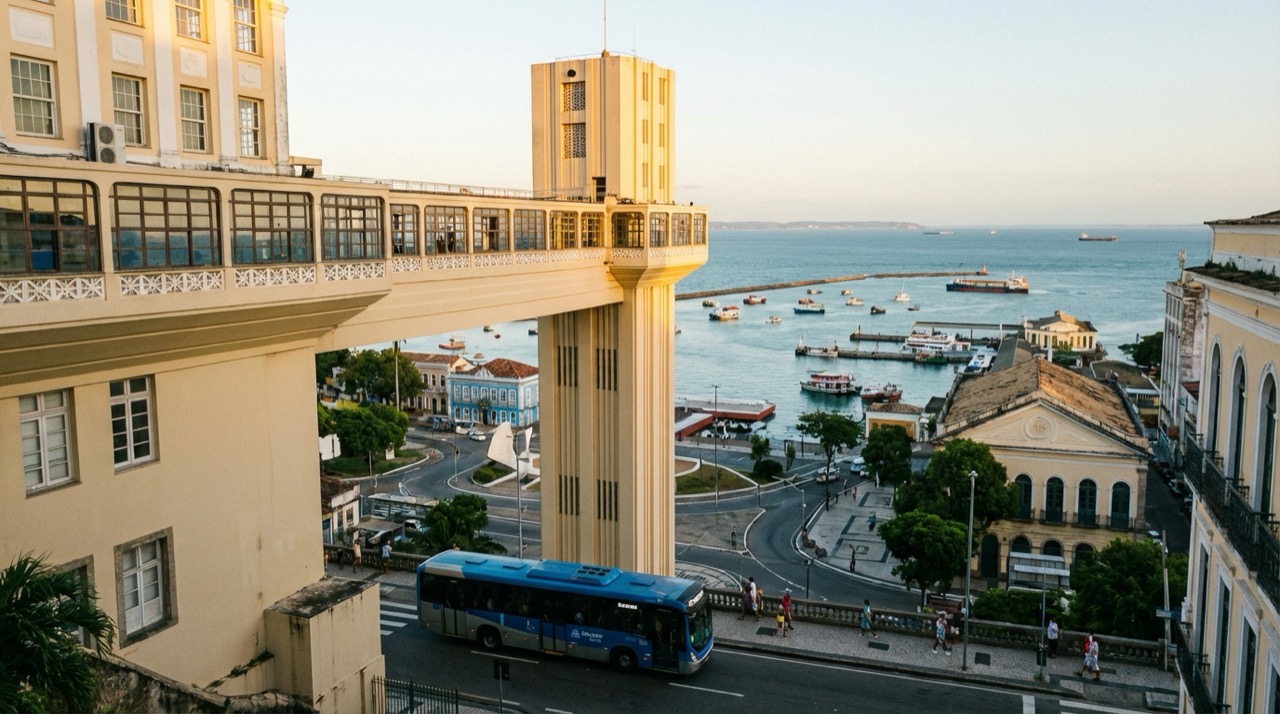
Salvador is spread out along a peninsula, and traffic can be intense. The city is built on two levels (upper and lower), connected by the Elevador Lacerda and steep roads called 'ladeiras'. For tourists, a combination of Uber, walking in the historic center, and the occasional ferry ride covers most needs.
Bus
Salvador's bus system is extensive and cheap (around R$4.40 per ride) but can be confusing for visitors. Buses are often crowded, and routes are not always clearly marked. The newer BRT lines along main corridors are more reliable. The main bus terminal, Estação da Lapa, connects most neighborhoods.
- Download the 'Moovit' app for real-time bus routes and schedules in Salvador
- Board from the front, exit from the back. Pay the cobrador (fare collector) in cash or use a Salvador Card
- Avoid buses during rush hour (7-9 AM, 5-7 PM) when they are extremely packed
- Ask 'Esse ônibus vai pro Pelourinho?' (Does this bus go to Pelourinho?) if you are unsure about the route
Uber
By far the most practical option for tourists. Uber is widely available, affordable, and eliminates the stress of navigating Salvador's steep, winding streets. A 20-minute ride typically costs R$15-25. '99' (another ride-hailing app) is also popular and sometimes cheaper.
- Use the app to avoid language barriers with directions
- During Carnival, surge pricing can be extreme. Have cash for taxis as a backup
- Some steep streets in the historic center are car-free. Your driver may drop you nearby and point you the rest of the way
- Tip is not expected but appreciated for good service. Just round up the fare
Ferry (Baía de Todos os Santos)
The ferry terminal in Cidade Baixa (Terminal Náutico da Bahia) connects Salvador to the island of Itaparica and other bay destinations. The ride across the Baía de Todos os Santos is scenic and affordable, offering beautiful views of the Salvador skyline. Catamarans and traditional ferries are both available.
- The ferry to Itaparica takes about 50 minutes and costs around R$7-8
- Catamarans (lanchas) are faster (about 30 minutes) but slightly more expensive
- Buy tickets at the terminal. Avoid weekends and holidays when lines are very long
- The terminal is a short walk from the Mercado Modelo and Elevador Lacerda
Walking
The best way to experience Pelourinho, Barra, and Rio Vermelho is on foot. These neighborhoods are compact, colorful, and full of details you would miss in a car. However, Salvador is hilly, sidewalks can be uneven, and the tropical heat is real. Wear comfortable shoes and carry water.
- Pelourinho is best explored on foot, but wear shoes with grip on the cobblestones
- The walk from Barra to Rio Vermelho along the coast (Orla) is beautiful and takes about 40 minutes
- Take the Elevador Lacerda between Cidade Alta and Cidade Baixa instead of the steep roads
- Avoid walking in isolated areas after dark, especially in the historic center. Stick to lit, populated streets
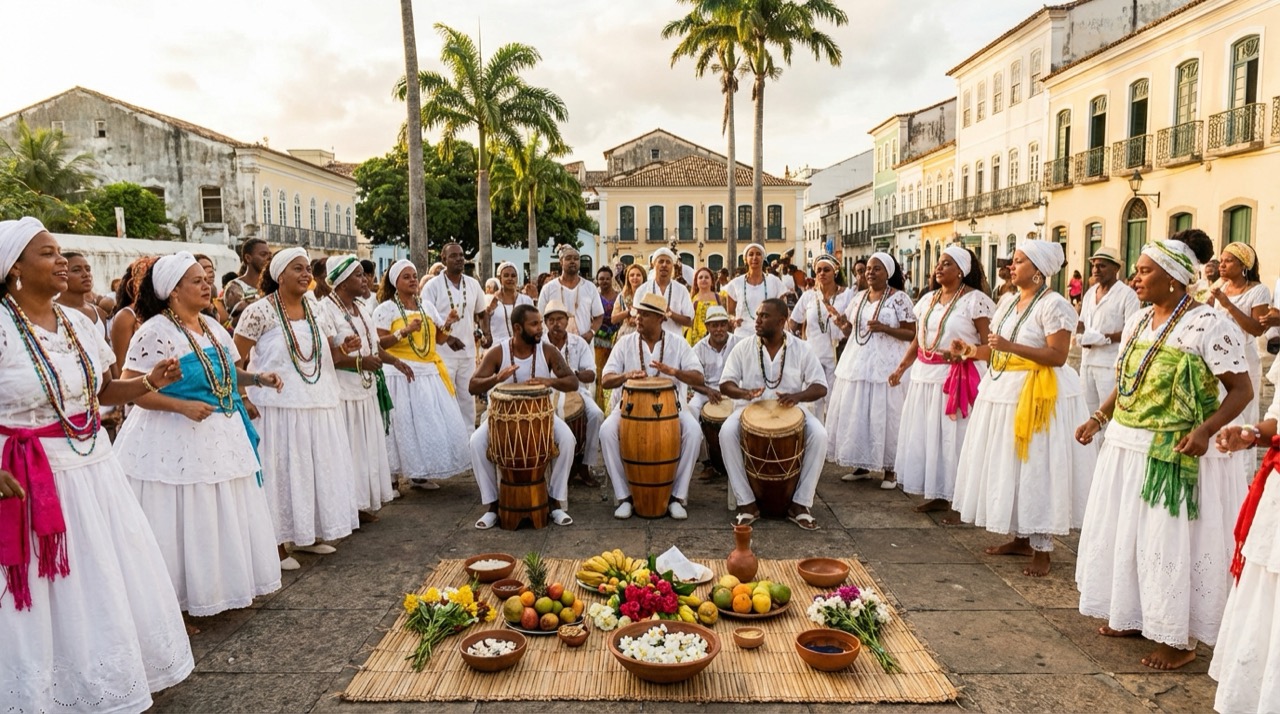
Salvador is the capital of Afro-Brazilian culture. Candomblé, capoeira, samba de roda, and Carnival are not tourist attractions here; they are living traditions practiced daily. Understanding and respecting these traditions will transform your visit from sightseeing into a genuine cultural experience.
Do
- Ask permission before photographing Candomblé ceremonies, terreiros (temples), or practitioners. Some rituals are sacred and closed to outsiders. When you are invited to attend an open ceremony, wear white or light-colored clothing as a sign of respect.
- Learn to recognize the Orixás. Each deity has specific colors, foods, and days of the week. Oxalá (white, Friday), Iemanjá (light blue, Saturday), Ogum (dark blue, Tuesday), Oxum (gold/yellow, Saturday). This knowledge shows deep cultural respect.
- Join a capoeira roda (circle) if invited, even as a spectator. Capoeira originated in Salvador among enslaved Africans. Clap along to the berimbau rhythm. If you want to learn, look for classes at the Forte da Capoeira in Pelourinho.
- Embrace Carnival culture year-round. Salvador's Carnival is the largest street party on Earth. Even outside the official season, blocos de ensaio (rehearsal groups) practice weekly. Ask locals about 'ensaios' and join in.
- Try the food with an open mind. Bahian cuisine uses ingredients (like dendê oil and okra) that may be unfamiliar. Everything is cooked with generations of knowledge. Ask the baianas de acarajé about their recipes; they love sharing their craft.
- Greet people warmly. Baianos expect physical warmth: a handshake for men, a kiss on each cheek for women, and often a hug regardless of gender. A cold or distant greeting is considered rude.
- Learn a few words in Yoruba. 'Axé' (positive energy), 'Orixá' (deity), 'terreiro' (temple), and 'Babalorixá/Ialorixá' (priest/priestess) show cultural awareness and are appreciated.
Avoid
- Do not treat Candomblé as 'exotic' or 'voodoo'. It is a legitimate religion practiced by millions of Brazilians. Avoid making jokes or comparisons to Hollywood depictions of African religions.
- Do not touch the offerings (despachos) you see at crossroads, beaches, or doorsteps. These are religious offerings to specific Orixás. Walk around them respectfully.
- Do not call capoeira a 'dance' or a 'fight' exclusively. It is a cultural art form (arte) that blends martial arts, acrobatics, music, and ritual. Calling it 'just dancing' diminishes its history of resistance.
- Do not skip the historic center because someone told you it is dangerous. Pelourinho has undergone significant revitalization. Visit during the day, attend the Tuesday night Bençao do Pelourinho, and use normal urban awareness.
- Do not assume all Brazilians are the same. Baianos have a distinct identity, dialect, cuisine, and cultural rhythm that differs significantly from São Paulo, Rio, or the South. Appreciate the differences.
- Do not wear only expensive jewelry or flash electronics in crowded areas. This is practical advice for any major city, but especially relevant during Carnival crowds and at busy markets.
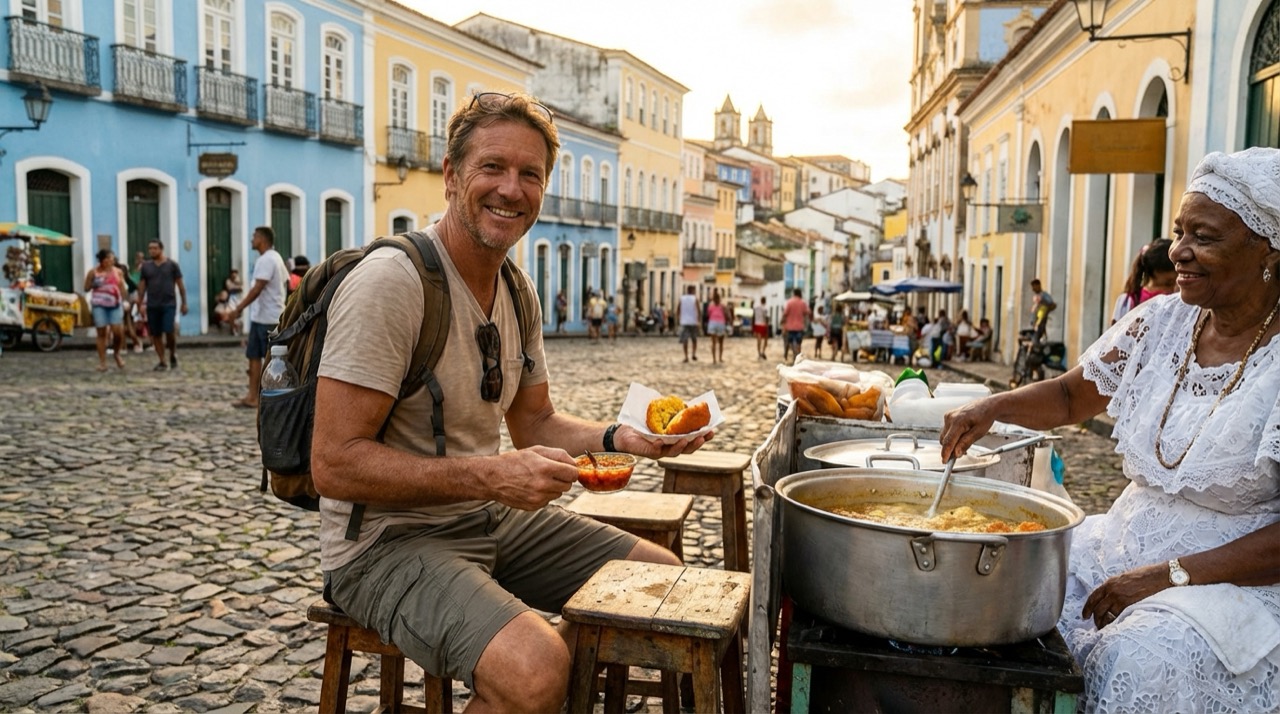
Salvador is one of the most affordable major cities in Brazil. Street food is incredible and cheap, public transport works, and many of the best experiences (beaches, Pelourinho architecture, capoeira rodas, live music) are completely free. Your money goes far here.
Typical Prices
Money-Saving Tips
- Eat where the baianas cook. Street food in Salvador is not just cheap, it is often better than restaurant food. Look for acarajé stalls with long lines of locals; that is your quality guarantee.
- Many of Salvador's best experiences are free: Pelourinho walking tours, beach days at Porto da Barra, watching the sunset at Farol da Barra, capoeira rodas in public squares, and live music at the Bençao do Pelourinho on Tuesdays.
- Stay in Rio Vermelho or Barra for the best balance of price, safety, and access to nightlife and beaches. Pelourinho hostels are cheaper but the neighborhood can be quieter (and less safe) late at night.
- The Mercado Modelo is for souvenirs, not daily shopping. For groceries and everyday items, go to the Mercado de São Joaquim instead, where prices are much lower and the atmosphere is pure local chaos.
- During Carnival, accommodation prices multiply by 3-5x. Book months in advance or consider staying outside the main circuit and commuting in. The 'pipoca' (free street Carnival, no bloco ticket needed) is just as fun.
- Water is your biggest daily expense if you buy bottles. Carry a reusable bottle and refill at hostels and restaurants. Tap water in Salvador is not recommended for drinking.
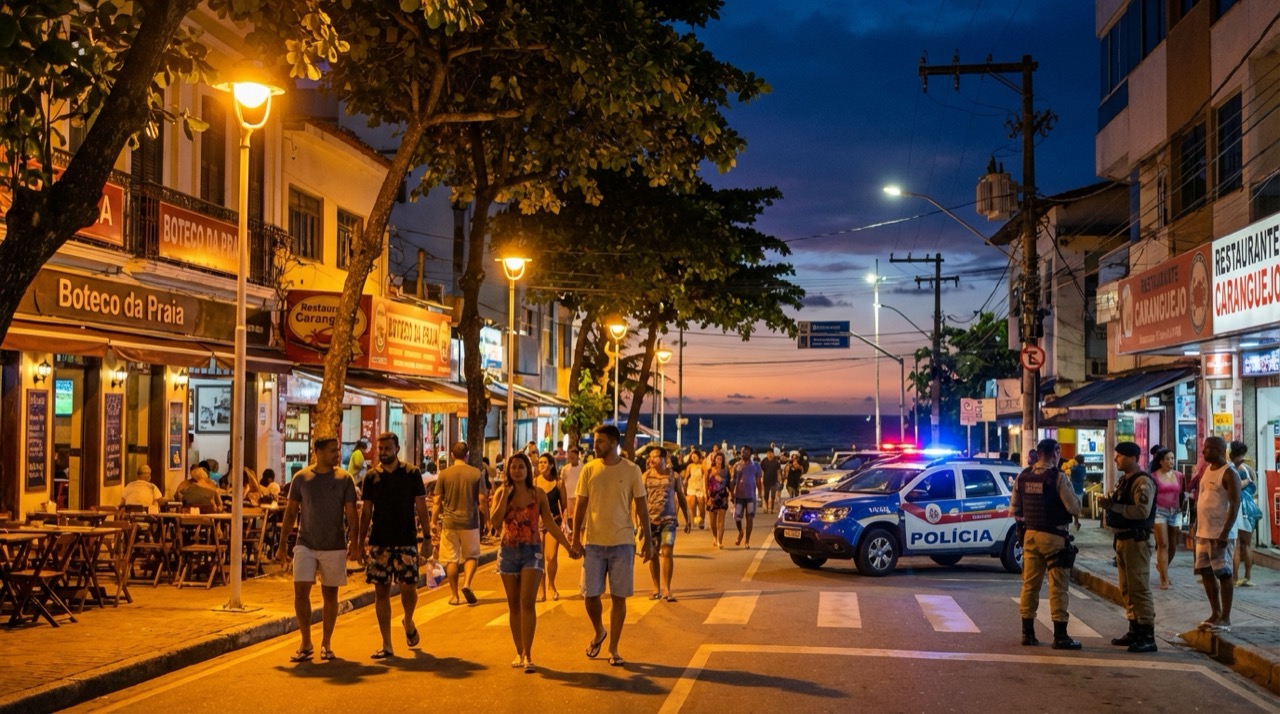
Salvador is generally welcoming, but like any large city, it requires street smarts. Most visitors have trouble-free trips. The key is staying aware, keeping valuables out of sight, and knowing how to ask for help in Portuguese if you need it.
Socorro!
Help!
/soh-KOH-hoo/
The universal cry for help. Shout this loudly in an emergency and people will come running. Baianos are known for helping strangers.
Chama a polícia!
Call the police!
/SHAH-mah ah poh-LEE-see-ah/
Use this if you witness or experience a crime. The tourist police (Delegacia de Turismo) in Pelourinho has English-speaking officers.
Preciso de ajuda.
I need help.
/preh-SEE-zoo jee ah-ZHOO-dah/
A calmer way to ask for assistance. Useful when you are lost, confused, or need directions rather than in an emergency.
Onde fica o hospital mais perto?
Where is the nearest hospital?
/ON-jee FEE-kah oo os-pee-TAL mice PEHR-too/
Hospital Espanhol and Hospital da Bahia are among the best private hospitals. For emergencies, any UPA (urgent care unit) will treat you.
Fui roubado!
I was robbed!
/foo-ee ho-BAH-doo/
If you are a victim of theft, report it at the nearest police station. You will need a 'boletim de ocorrência' (police report) for insurance claims.
Não tenho dinheiro.
I don't have money.
/nowng TEN-yoo jee-NYAY-roo/
Useful if approached aggressively by vendors or beggars. Say it firmly but politely. Avoid showing your wallet.
Esse lugar é seguro?
Is this place safe?
/EH-see loo-GAR eh seh-GOO-roo/
Ask hotel staff, Uber drivers, or locals before wandering into unfamiliar areas, especially after dark.
Pode me indicar um táxi seguro?
Can you point me to a safe taxi?
/POH-jee mee in-jee-KAR oom TAH-ksee seh-GOO-roo/
Ask restaurant or hotel staff to call a taxi for you rather than hailing one on the street, especially late at night.
Estou perdido/perdida.
I'm lost. (male/female)
/eh-STOH pehr-JEE-doo / pehr-JEE-dah/
Salvador's hilly streets and narrow alleys can be disorienting. Locals are very helpful with directions if you ask.
Não mexe comigo.
Don't mess with me.
/nowng MEH-shee koh-MEE-goo/
A firm but not aggressive way to tell someone to back off. Use a confident tone. Most harassment stops immediately.
Community Tips

Ready to learn Portuguese for real?
Take these Salvador phrases with you. Decko uses spaced repetition to make sure you actually remember them when you need them.
Free forever. No credit card required.