Maputo
Studying Portuguese? Decko turns these phrases into smart flashcards that adapt to your memory.
Try free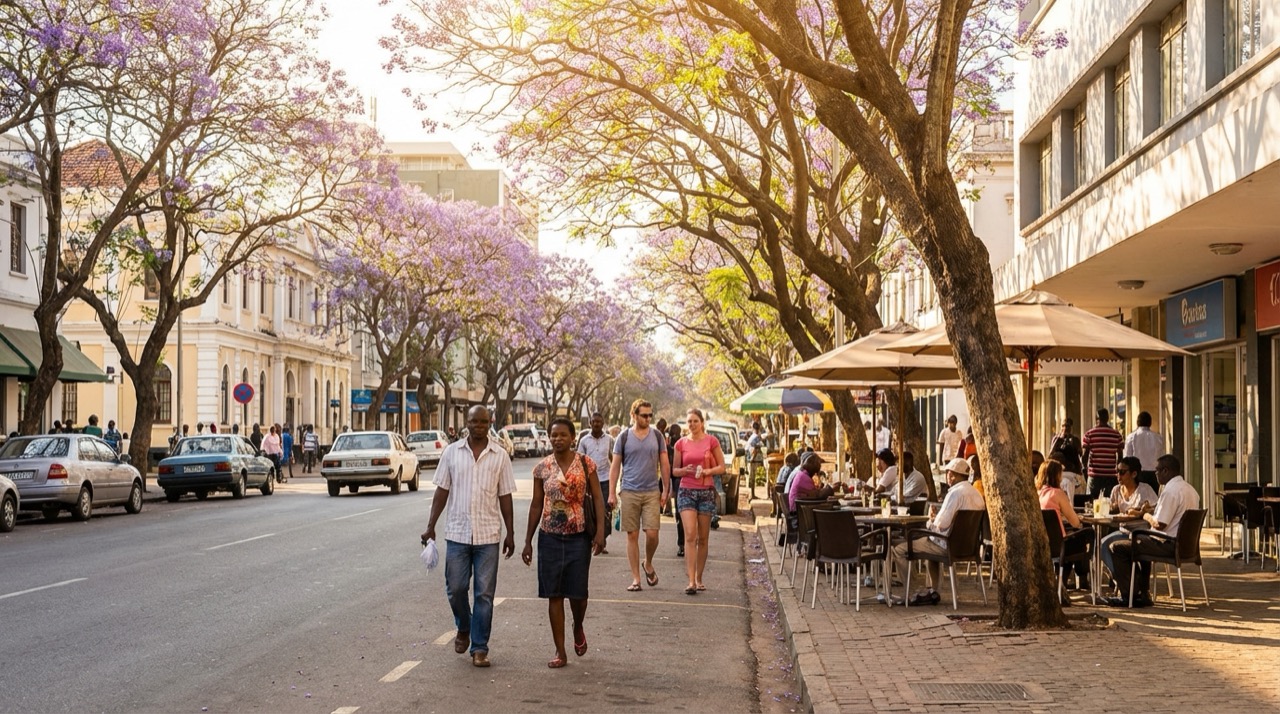
Mozambican Portuguese has its own gentle rhythm, influenced by Bantu languages like Shangaan, Ronga, and Makhuwa. Compared to Brazilian or European Portuguese, the pace is often more measured, and several local words from Bantu languages have become part of everyday speech. Mozambicans are famously welcoming, and any effort to speak Portuguese will be met with genuine warmth.
Bom dia, como está?
Good morning, how are you?
/bom DEE-ah, KOH-moo esh-TAH?/
Standard greeting; Mozambicans value warm greetings before any transaction
Estou bem, e você?
I'm fine, and you?
/esh-TOH bayn, ee voh-SEH?/
Always reciprocate the greeting; it shows respect
Quanto custa isto?
How much does this cost?
/KWAN-too KOOSH-tah EES-too?/
Essential at markets and street stalls where prices are negotiable
Onde fica...?
Where is...?
/ON-jee FEE-kah?/
Locals are very willing to give directions; often they will walk you there
Maputo's Portuguese is seasoned with words from Shangaan, Ronga, Changana, and other Bantu languages. The city's slang reflects its identity as a melting pot where southern African energy meets Lusophone culture. Learning local expressions is the fastest way to connect with Maputenses and shows real interest in their culture.
Xiculungo
Outsider / foreigner / city person
/shee-koo-LOON-goo/
Originally meant someone from outside Maputo. Now used playfully for any outsider. Not offensive when used humorously.
Machimbombo
Bus
/mah-sheem-BOM-boo/
The local word for bus. From Bantu languages. Used interchangeably with 'autocarro' in formal contexts.
Chapa
Shared minibus
/SHAH-pah/
The backbone of Maputo transport. 'Vou de chapa' (I'm going by chapa) is something you will hear constantly.
Matabicho
Breakfast / bribe
/mah-tah-BEE-shoo/
Literally 'kill the bug' (morning hunger). Also slang for a small informal payment. Context makes the meaning clear.
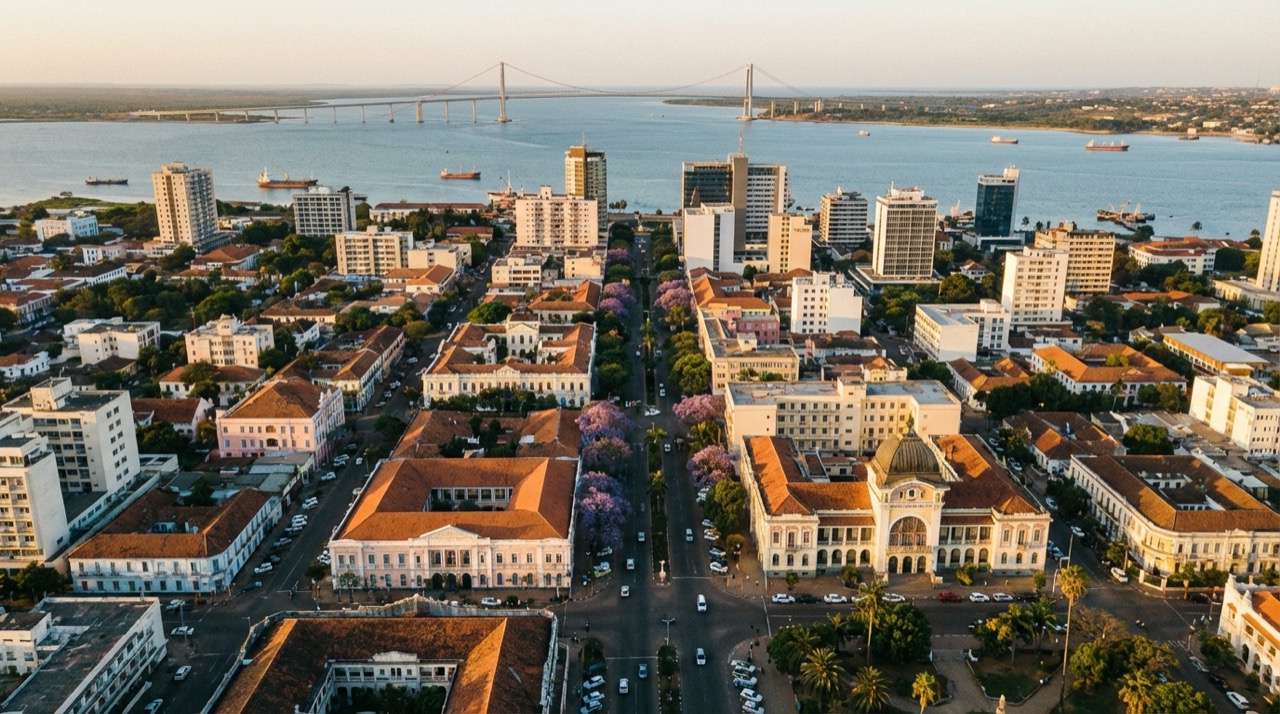
Maputo is a compact city that rewards exploration on foot. The downtown core (Baixa) is walkable and full of colonial-era architecture, while surrounding neighborhoods each bring their own flavor, from artistic Polana Caniço to the weekend energy of Costa do Sol beach.
Baixa (Downtown)
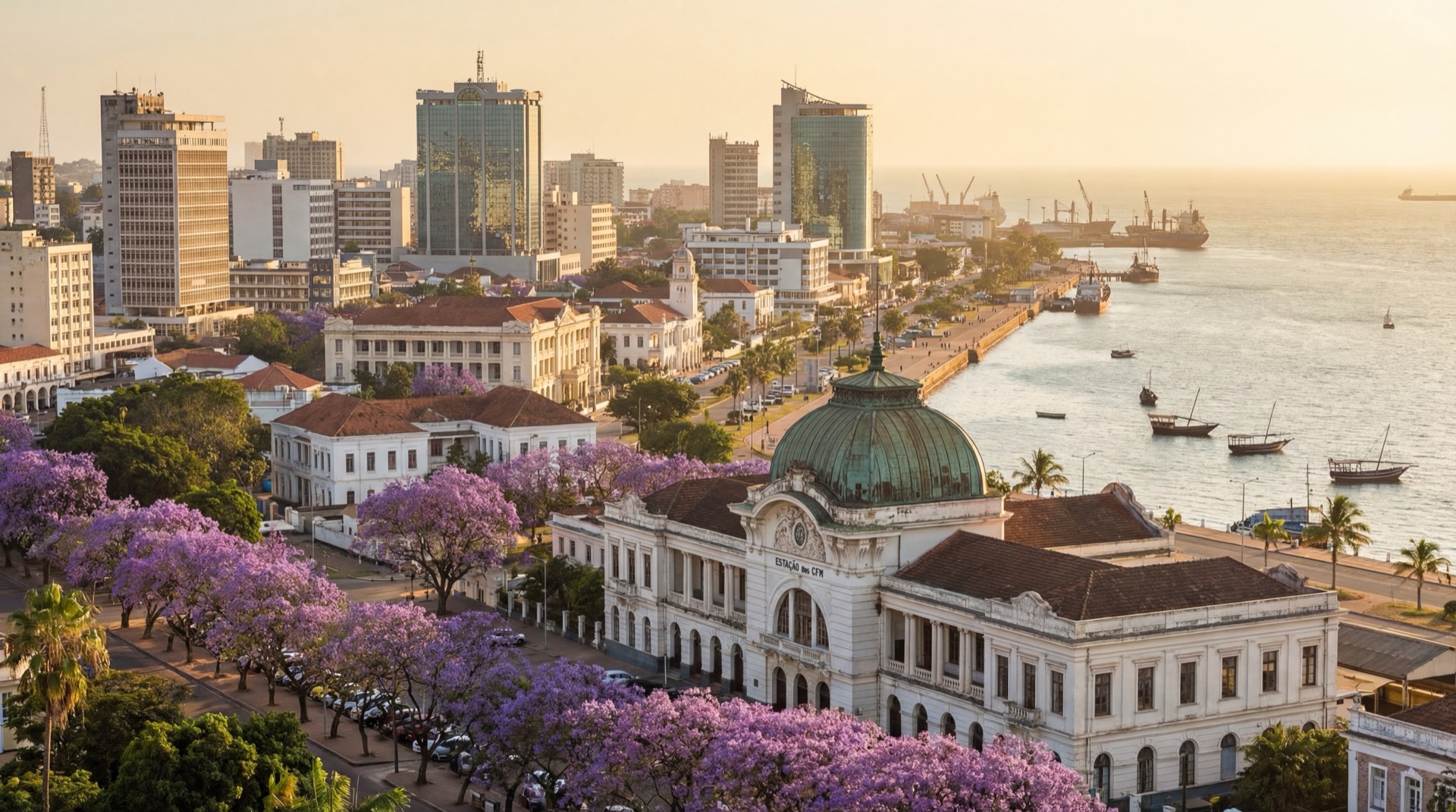
The colonial heart of Maputo with wide boulevards, Art Deco and Beaux-Arts buildings, the central market, and the famous CFM railway station. Most of the city's museums, government buildings, and historic landmarks are concentrated here. Walking these streets feels like stepping into a tropical Lisbon.
'Baixa' means 'lower town' or downtown. More formal Portuguese is spoken in shops and offices here.
Polana Caniço
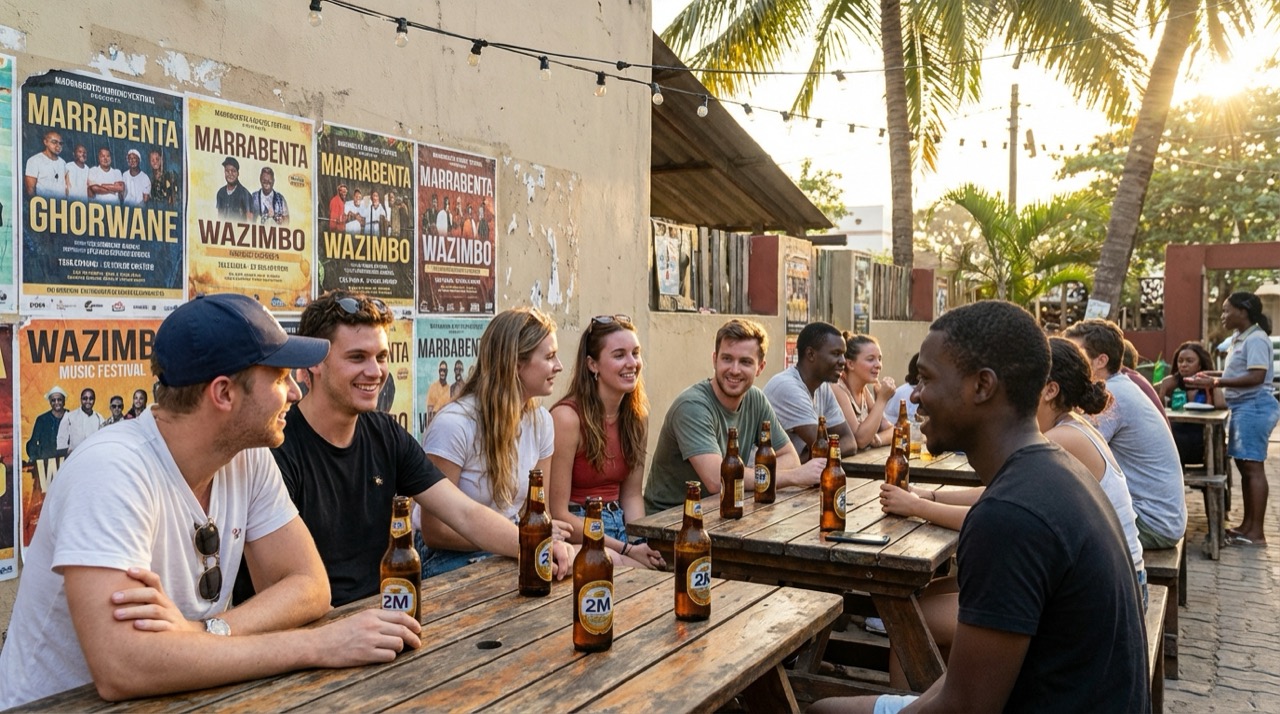
A vibrant, densely populated neighborhood that has become the artistic heart of Maputo. Street art murals cover walls, musicians rehearse in open courtyards, and local bars host live marrabenta music. Raw, creative, and full of community spirit.
More Shangaan and Ronga words mix into Portuguese here. 'Wena' (you) and 'txuná' (look) are common.
Sommerschield / Polana
The upscale residential and diplomatic zone. Tree-lined streets, embassies, international restaurants, luxury hotels (including the historic Hotel Polana), and boutique shops. Quieter and greener than the rest of the city.
More English and French are spoken here due to the diplomatic community. Still, starting in Portuguese is appreciated.
Costa do Sol
Maputo's beach neighborhood along the Indian Ocean. The long stretch of sand fills with families on weekends, and beachside restaurants serve fresh seafood and cold beer. The famous Costa do Sol restaurant has been a Maputo institution for decades.
'Costa do Sol' means 'Sun Coast'. Order 'cerveja gelada' (cold beer) and 'camarão grelhado' (grilled prawns) for the full beach experience.
Matola (Greater Maputo)
Technically a separate city but functionally part of Greater Maputo. Home to bustling markets, local industry, and a more working-class atmosphere. The Mercado do Zimpeto is one of the largest in the region and offers a raw, authentic market experience.
Prices are lower here and bargaining is expected. 'Último preço?' (Final price?) is essential.
Want to actually remember these phrases?
Save them to your flashcard deck and Decko will quiz you at the perfect time using spaced repetition.
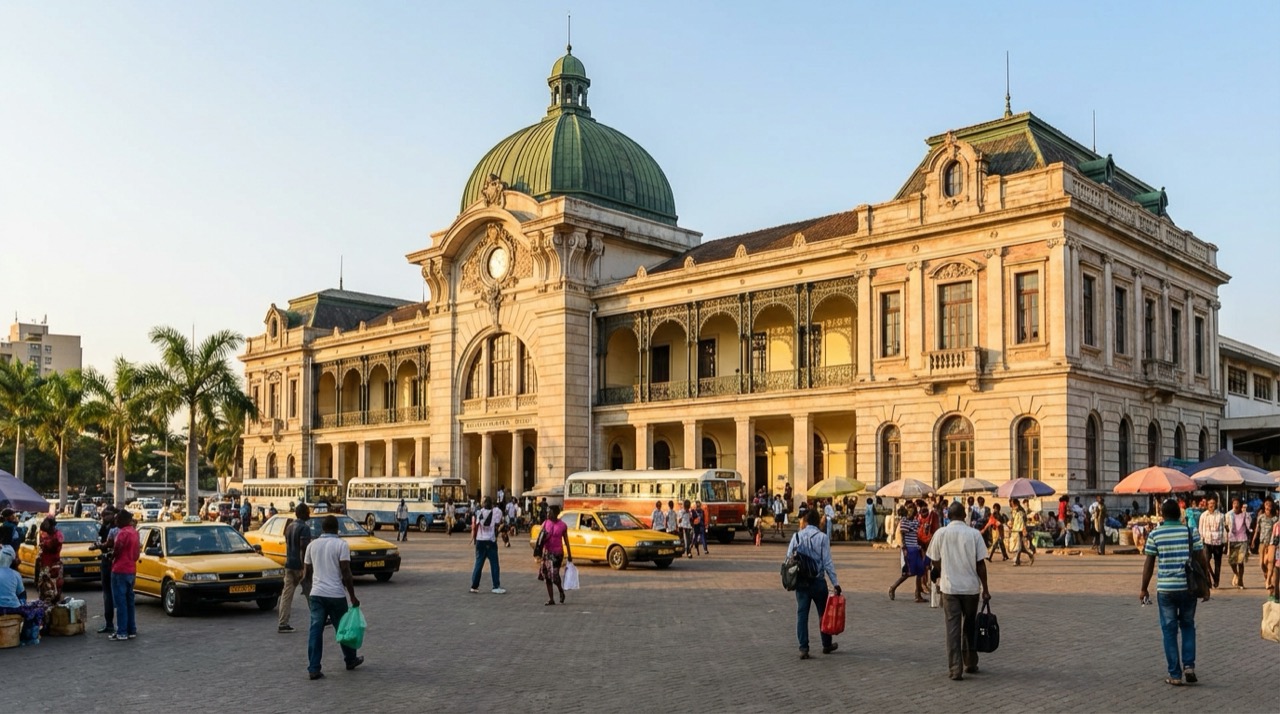
Maputo surprises visitors with its blend of crumbling colonial grandeur, vibrant street art, and laid-back Indian Ocean energy. The city has a rhythm all its own, where Portuguese architecture meets African creativity and the seafood is some of the best on the continent.
Estação dos CFM (Railway Station)
Maputo's most iconic building and often called the most beautiful railway station in Africa. Built in 1916 with a striking green dome, wrought-iron details, and marble floors. Still functioning as a station, it also houses a small railway museum.
'Estação' means station. 'Que edifício lindo!' (What a beautiful building!) is a natural reaction.
Mercado Central
Maputo's central market is a sensory experience. Spices, cashews, piri-piri sauce, capulanas (colorful fabrics), crafts, and fresh produce fill every corner. The upper level has stands selling traditional medicines and Makonde wooden carvings.
'Mercado' means market. 'Posso ver?' (Can I look?) before touching items is polite. Bargaining is expected.
Fortaleza de Maputo
An 18th-century Portuguese fort on the waterfront, now a museum covering Mozambican history from pre-colonial times through independence. The thick walls, cannons, and courtyard provide a sobering look at the colonial period.
'Fortaleza' means fortress. 'Quando foi construída?' (When was it built?) shows genuine interest.
Casa de Ferro (Iron House)
A quirky iron house designed by Gustave Eiffel, intended as the governor's residence but abandoned because it was unbearably hot inside. Now a small museum and cultural center. A fascinating oddity of colonial architecture.
'Casa de Ferro' means 'Iron House'. 'É verdade que foi o Eiffel que desenhou?' (Is it true that Eiffel designed it?) is a fun opener.
Museu Nacional de Arte (MUSART)
Mozambique's national art museum showcases contemporary and traditional art including the world-famous Malangatana paintings. Bold, colorful works that explore colonialism, identity, and spirituality. A must for art lovers.
Malangatana is Mozambique's most celebrated artist. 'Quem é o artista?' (Who is the artist?) and 'É maravilhoso!' (It's wonderful!) are useful phrases.
Jardim Tunduru Botanical Gardens
A peaceful green oasis in the middle of the city, designed in the early 1900s. Giant tropical trees, benches under shady canopies, and a welcome escape from the heat. Popular with joggers, readers, and families.
'Jardim' means garden. 'Que árvore enorme!' (What a huge tree!) is fitting here.
Ponte Maputo-Katembe
Africa's largest suspension bridge, completed in 2018, connecting Maputo to the Katembe district across the bay. The bridge is a striking modern landmark and offers fantastic views of the city and ocean, especially at sunset.
'Ponte' means bridge. 'Que vista!' (What a view!) works perfectly from the Katembe side looking back at Maputo.
Praça da Independência
The grand central square of Maputo, flanked by the City Hall, the Cathedral, and colonial-era buildings. The square marks where Mozambican independence was declared in 1975 and remains a focal point of civic life.
'Independência' means independence. Mozambique gained independence from Portugal on June 25, 1975.
Maputo Street Art
Maputo has become one of Africa's street art capitals. Murals cover walls throughout the city, especially in Polana Caniço and the Baixa. The annual MUVART festival brings international and local artists together to transform the cityscape.
'Arte de rua' means street art. 'Quem pintou isto?' (Who painted this?) might get you a story from a local.
Fish Market (Mercado do Peixe)
A lively waterfront fish market where you choose your seafood fresh and have it grilled on the spot. Prawns, lobster, crab, and fish of every kind, served with rice and matapa. The atmosphere is boisterous and the food is incredible.
'Peixe' means fish. Point and say 'Este, por favor, grelhado' (This one, please, grilled) for the freshest meal in Maputo.
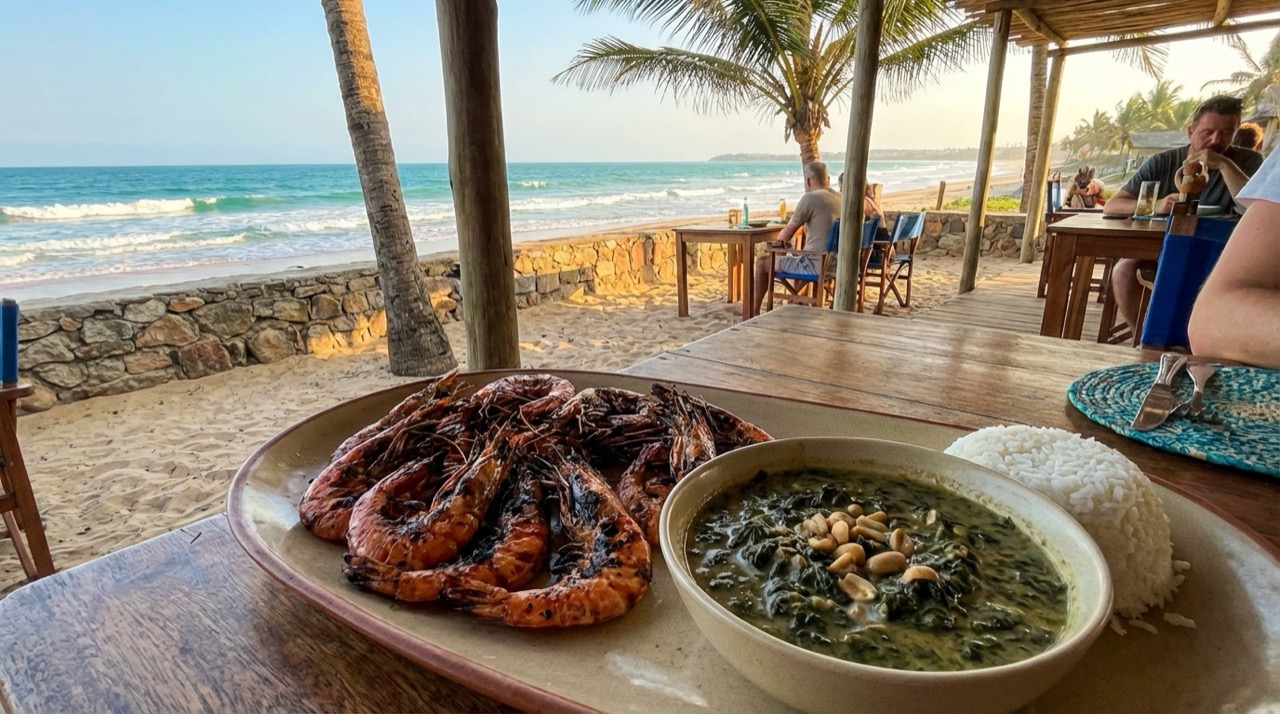
Maputo is a seafood paradise. The Indian Ocean delivers some of the best prawns, crab, and fish on the continent, while Mozambican cuisine blends Portuguese, African, Indian, and Arab influences into something uniquely delicious. Piri-piri sauce, coconut, and cashews are the three pillars of local flavor.
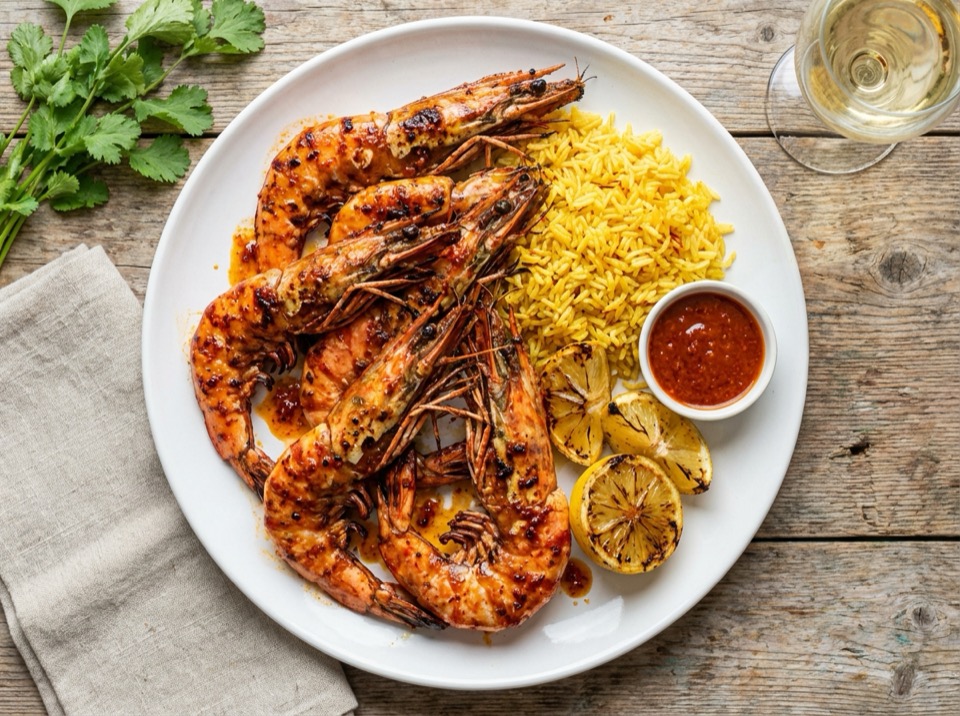
Camarão Grelhado com Piri-Piri
Giant prawns grilled over charcoal and basted with fiery piri-piri chili sauce. Mozambique's most famous dish, and Maputo's version is considered the gold standard. Served with rice and lemon.
How to order
Camarão grelhado com piri-piri, por favor. Médio no picante. (Grilled prawns with piri-piri, please. Medium spicy.)
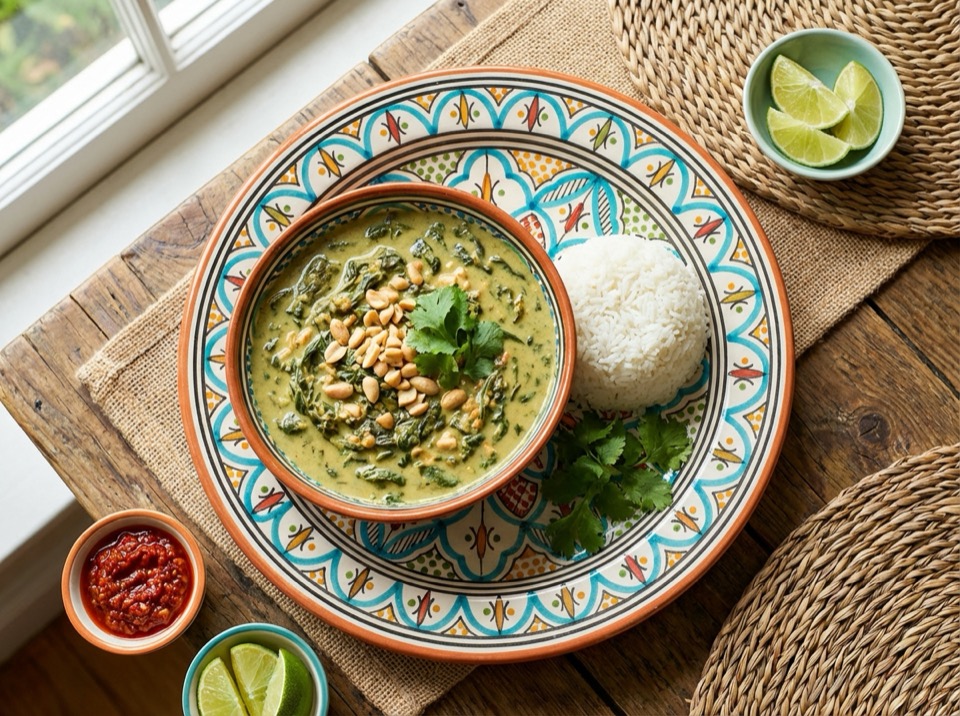
Matapa
Cassava leaves ground and cooked with peanuts (or cashews), coconut milk, garlic, and sometimes prawns or crab. A rich, earthy, and deeply flavored dish that is uniquely Mozambican. Served as a main or a generous side.
How to order
Queria matapa com camarão, por favor. (I'd like matapa with prawns, please.)
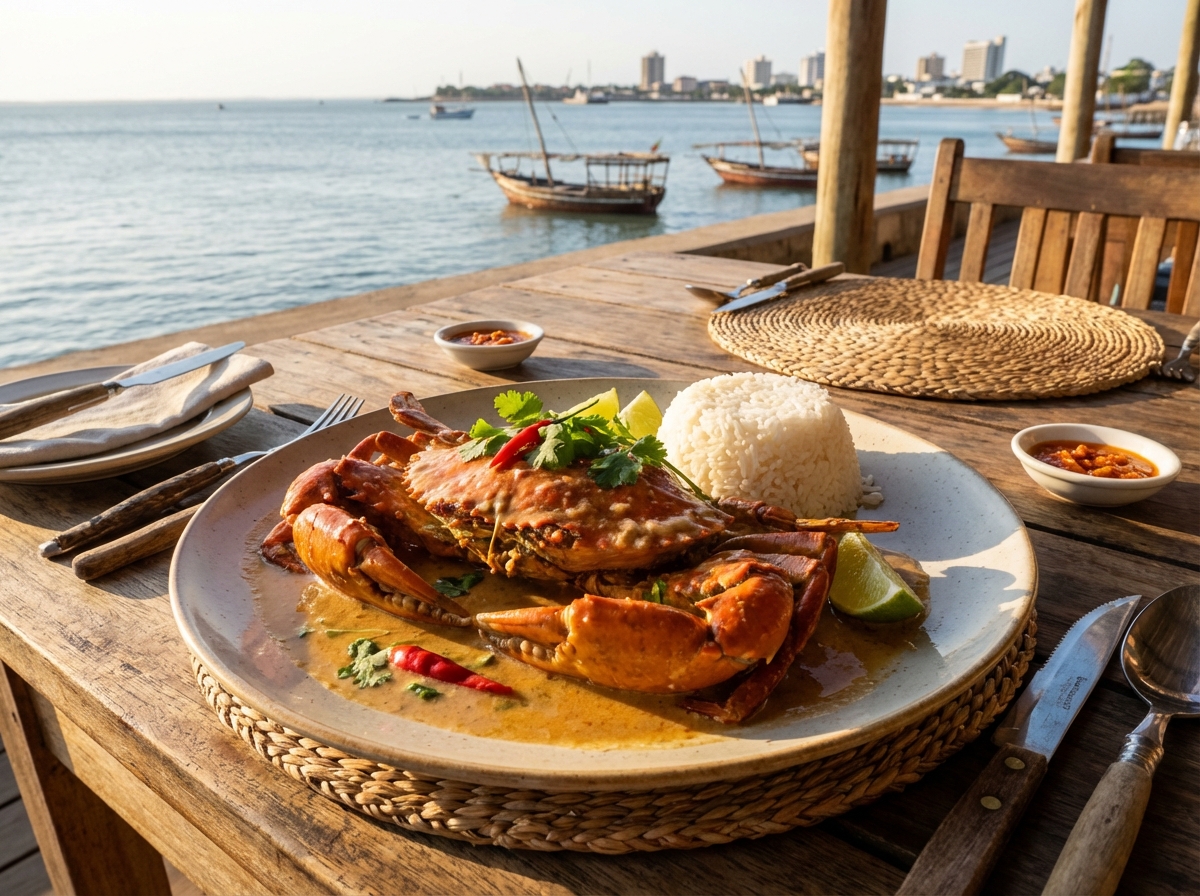
Caranguejo (Crab)
Whole crab cooked in coconut sauce or simply grilled with lemon. Maputo's waterfront restaurants serve enormous crabs caught fresh daily. Messy to eat but absolutely worth it.
How to order
Tem caranguejo fresco hoje? Queria no molho de coco. (Do you have fresh crab today? I'd like it in coconut sauce.)
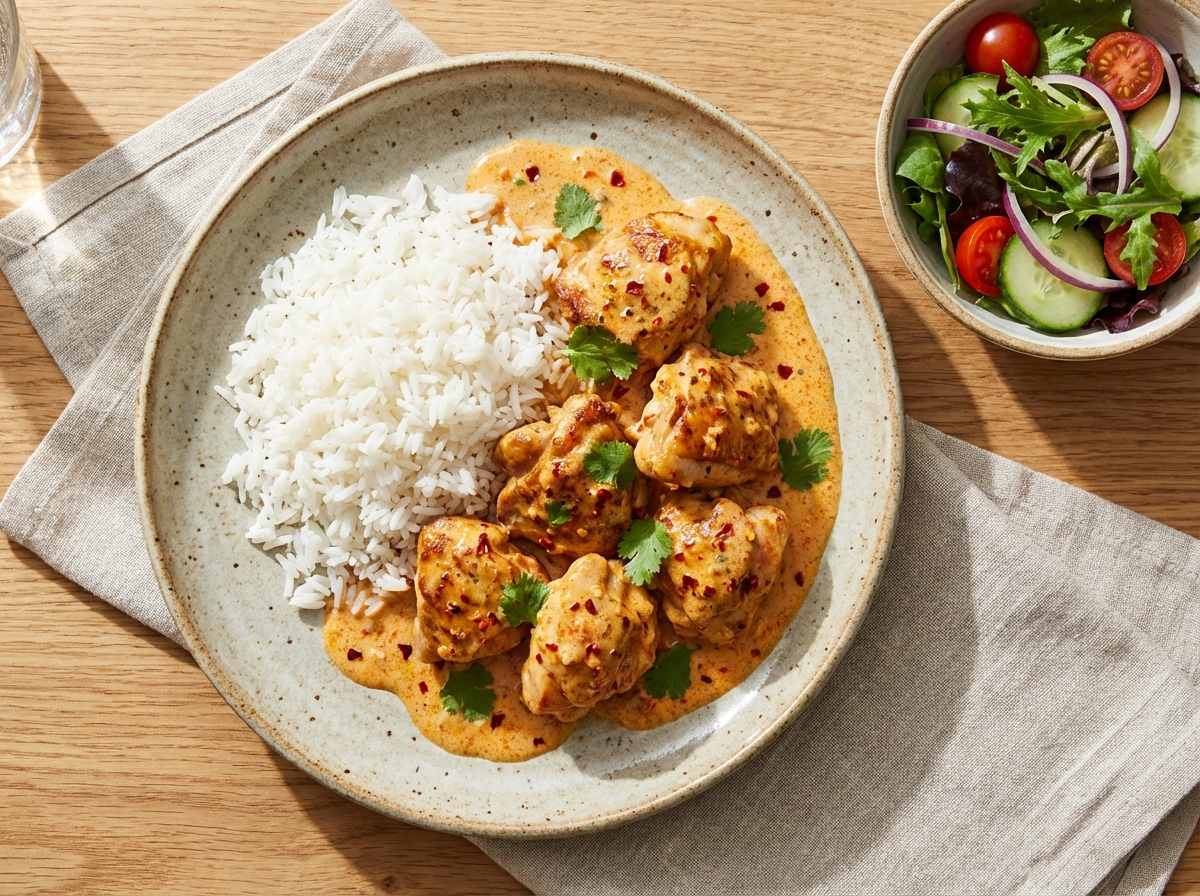
Galinha à Zambeziana
Chicken cooked in a rich sauce of coconut milk and piri-piri, named after the Zambézia province. Creamy, spicy, and deeply satisfying. A staple of Mozambican home cooking found in restaurants throughout Maputo.
How to order
Uma galinha à zambeziana, por favor. Com arroz. (Zambeziana chicken, please. With rice.)
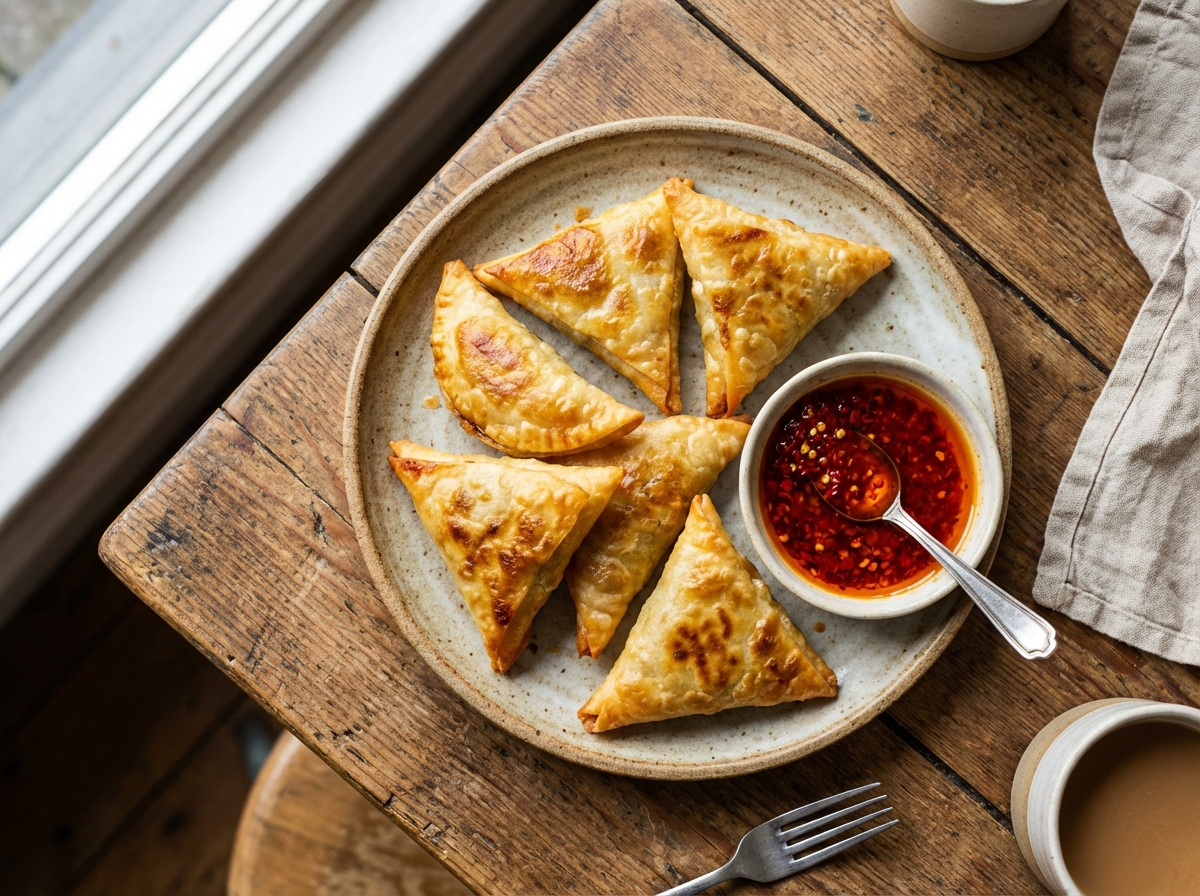
Chamuças
The Mozambican version of samosas, a legacy of the Indian community in Maputo. Crispy fried pastries filled with spiced meat or vegetables. Found at bakeries, street stalls, and everywhere in between.
How to order
Três chamuças de carne, por favor. (Three meat chamuças, please.) Also try 'de vegetal' for the vegetable version.
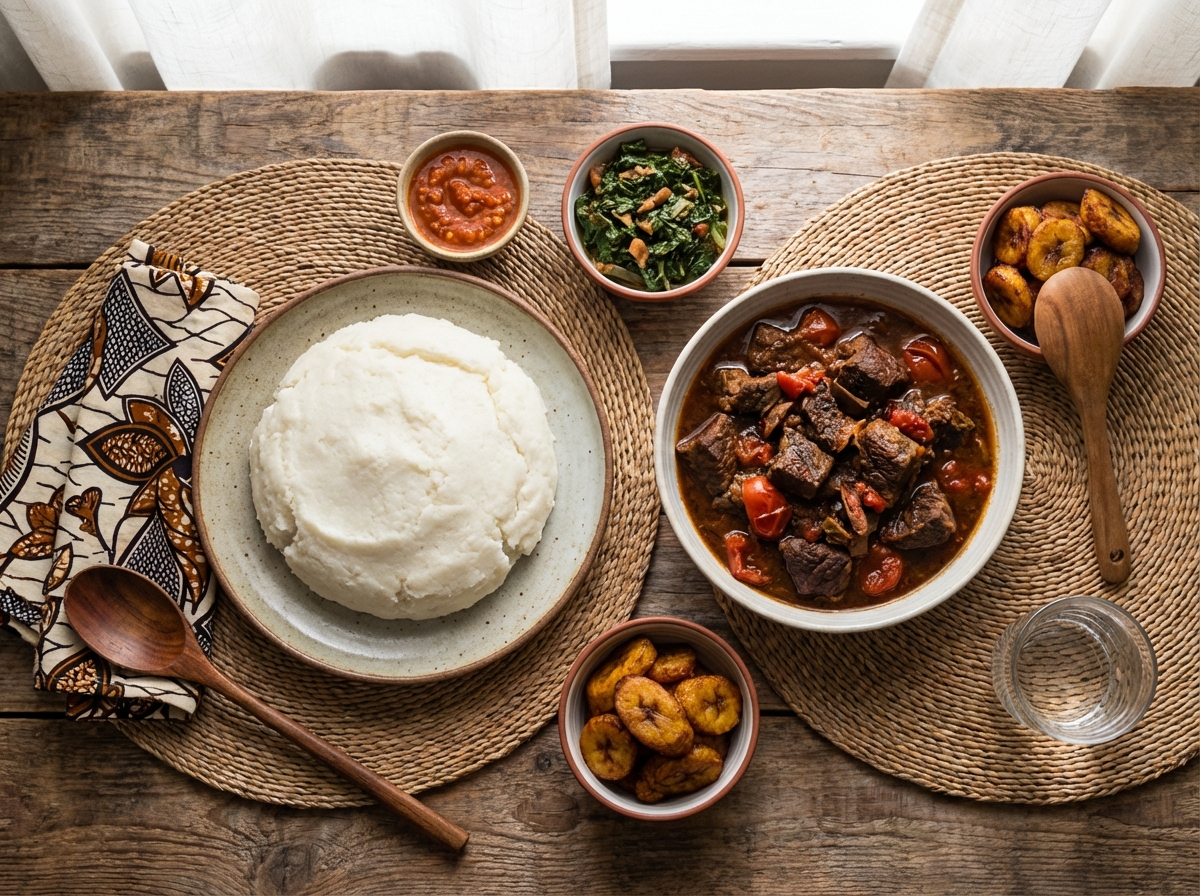
Xima (Shima)
The Mozambican staple made from maize flour, similar to polenta but thicker. It accompanies most traditional meals. Eaten by hand, used to scoop up stews and sauces. The comfort food foundation of Mozambican cuisine.
How to order
Pode trazer xima em vez de arroz? (Can you bring xima instead of rice?)
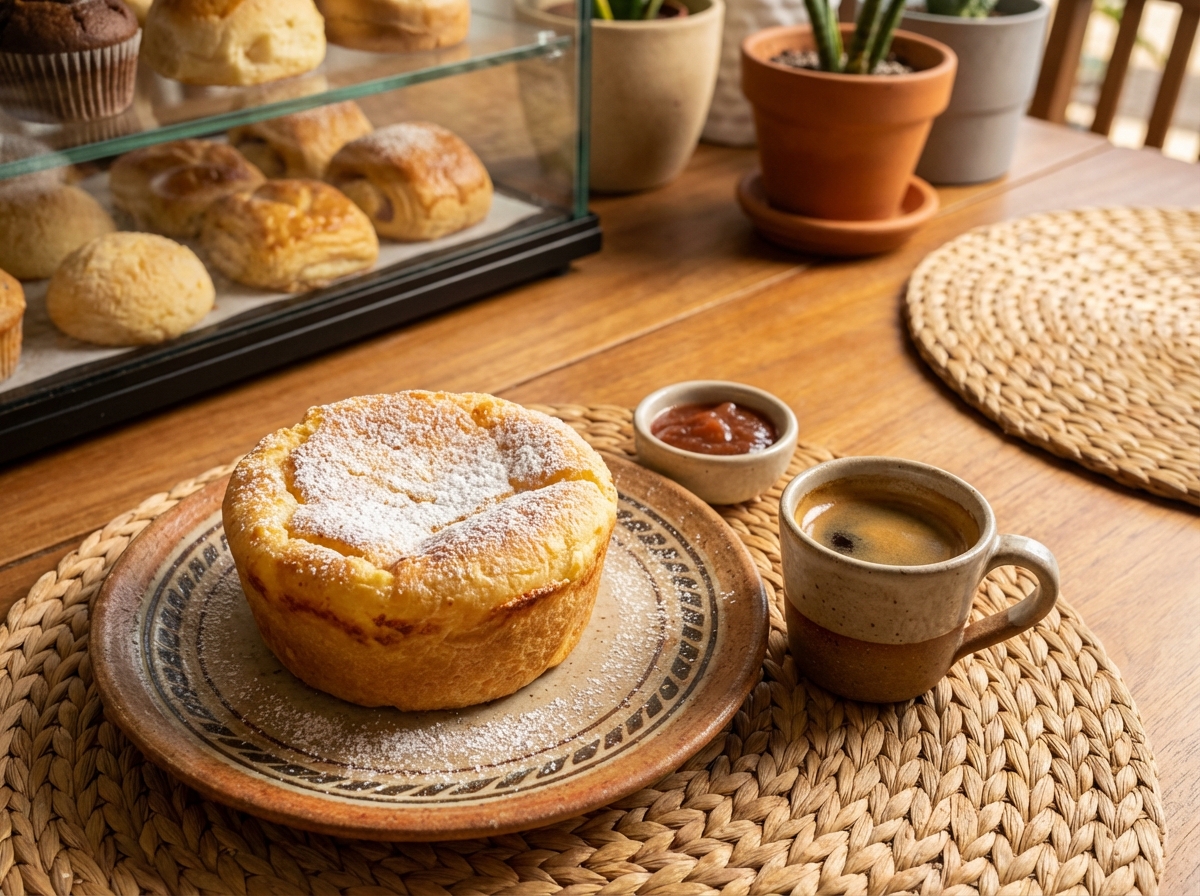
Bolo de Queijo
A popular Mozambican cheese roll found at every bakery and cafe. Soft, warm, and slightly cheesy, perfect with coffee for breakfast. The Portuguese bakery tradition adapted with local flair.
How to order
Um bolo de queijo e um café, por favor. (A cheese roll and a coffee, please.)
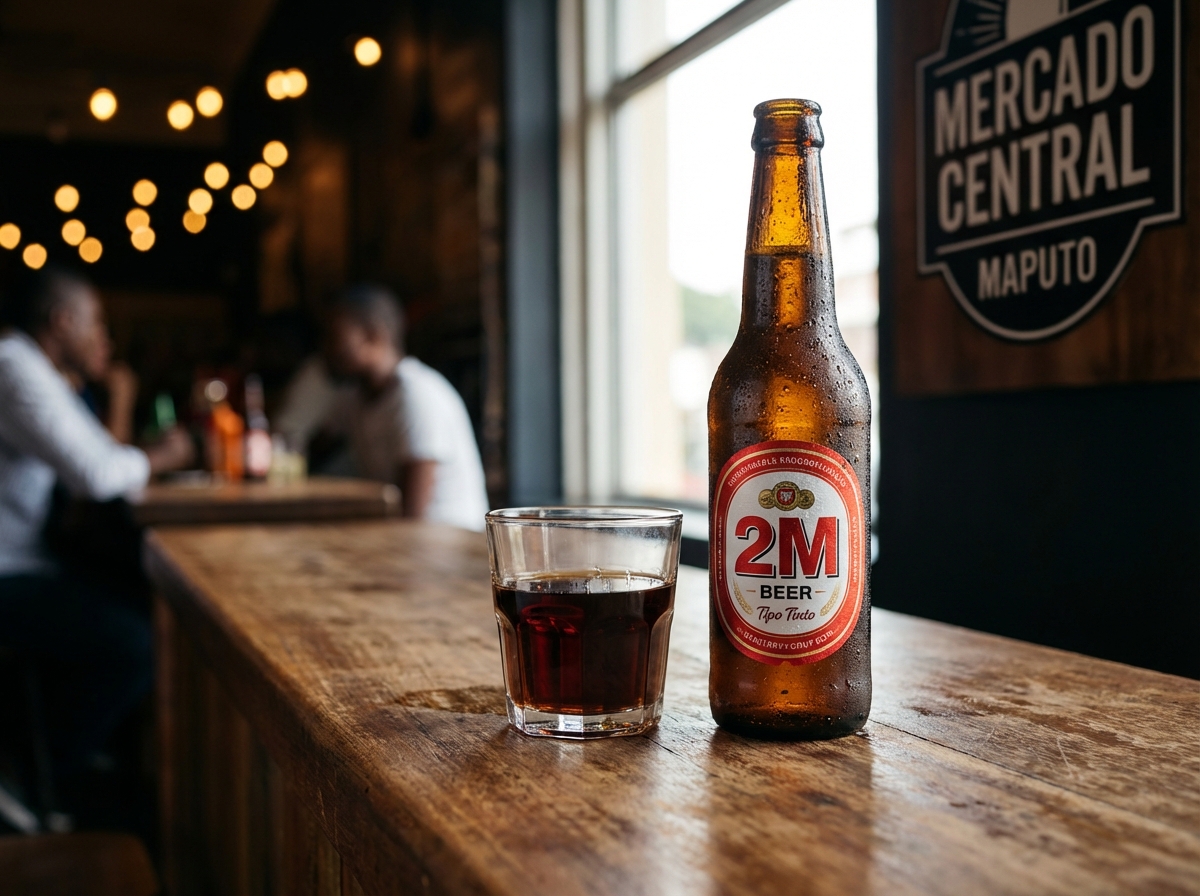
2M Beer and Tipo Tinto
2M (Dois M) is Mozambique's most popular beer, a light lager perfect for the heat. Tipo Tinto is a local cashew-based spirit. Both are deeply embedded in Maputo's social culture.
How to order
Uma 2M bem gelada, por favor! (A very cold 2M, please!) For tipo tinto: 'Um tipo, por favor.'
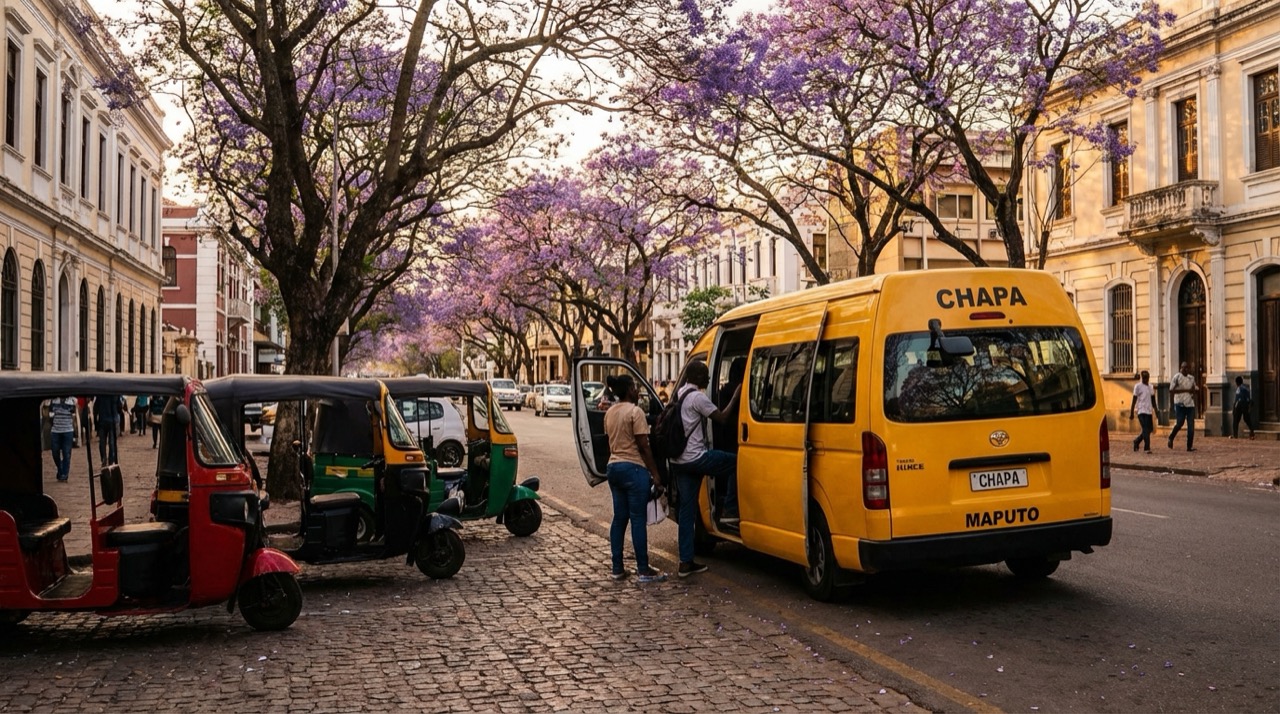
Maputo is relatively compact and walkable in the center, but the heat and distances between neighborhoods make transport essential. Chapas (shared minibuses) are the local way, while tuk-tuks and ride-hailing apps provide more comfortable alternatives for visitors.
Chapa (Shared Minibus)
The lifeblood of Maputo transport. Small minibuses that follow fixed routes, identified by the destination written on the front. Cheap, frequent, and packed. An authentic way to experience everyday Maputo life.
- Have small metical notes ready; change is often scarce
- Ask locals at the stop which chapa goes to your destination
- They are most crowded during morning and evening rush hours
- Shout 'Largada!' (Drop me off!) when you want to stop
- Keep belongings close and wallets in front pockets
Tuk-Tuk
Three-wheeled motorized vehicles that offer short trips around neighborhoods. A fun and affordable way to get around for shorter distances. Always agree on the price before getting in.
- Negotiate the fare before boarding; there are no meters
- Good for short trips within neighborhoods, not ideal for cross-city travel
- They cannot go on the main highways, so for longer routes use a taxi or chapa
- A good option for getting from your hotel to nearby restaurants or markets
Taxi / Ride-Hailing (InDrive / Bolt)
Traditional taxis are available but always negotiate the fare upfront. InDrive and Bolt are the most popular ride-hailing apps in Maputo, offering set prices and tracking. The most convenient and safe option for visitors.
- Download InDrive and Bolt before arriving; both are widely used
- Private taxis at the airport are expensive; book through your hotel instead
- For longer trips (to Inhambane, Tofo Beach), negotiate a day rate with a trusted driver
- Taxis are easy to find at major hotels and the Mercado Central
Walking
The Baixa (downtown) is very walkable, with wide sidewalks and interesting architecture at every turn. The Marginal waterfront path is excellent for strolling. Heat is the main challenge, so carry water and plan walks for early morning or late afternoon.
- The Baixa is best explored on foot; distances between landmarks are short
- The Marginal (waterfront) is lovely for morning or sunset walks
- Watch for uneven sidewalks and open drainage covers in some areas
- Carry water and sunscreen; the tropical sun is intense even on overcast days
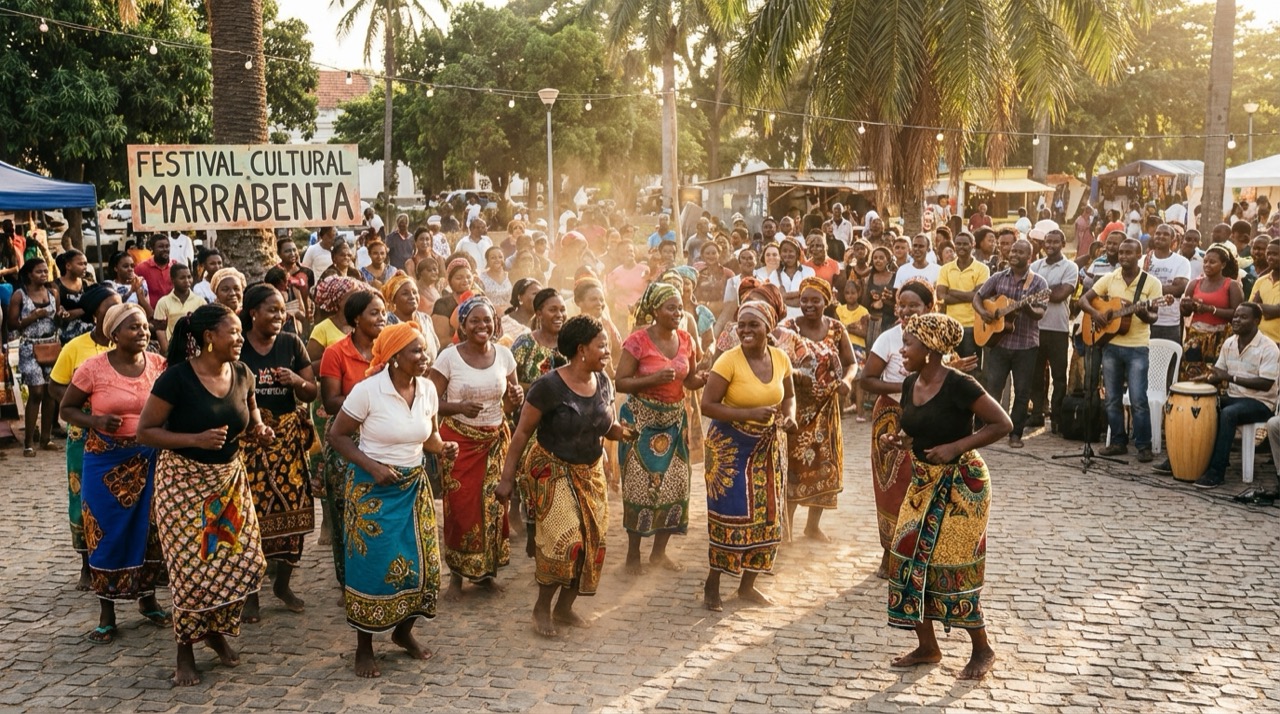
Mozambicans are among the warmest and most hospitable people you will meet anywhere. The culture values community, respect, and taking time for human connection. Maputo in particular has a cosmopolitan sophistication blended with African warmth that creates a unique and welcoming atmosphere.
Do
- Greet everyone warmly. 'Bom dia' / 'Boa tarde' before any interaction is essential and expected.
- Accept food and drink when offered. Hospitality is central to Mozambican culture.
- Learn about marrabenta music, the national musical genre. Attending a live show is a highlight of any Maputo visit.
- Wear a capulana (colorful wraparound fabric) if invited to a traditional event. It shows cultural respect and locals love it.
- Be patient and flexible. 'Hora moçambicana' (Mozambican time) means things happen when they happen.
- Try to learn a few Shangaan or Ronga greetings. 'Kanimambo' (thank you in Shangaan) will earn huge smiles.
- Ask permission before photographing people, especially at markets and cultural events.
- Support local artists and craftspeople by buying directly from them rather than from tourist shops.
Avoid
- Don't rush greetings or skip the 'how are you' exchange. It is considered very rude.
- Don't discuss the civil war (1977-1992) casually. It remains a painful topic for many families.
- Don't assume all Mozambicans speak Portuguese at home. Many speak Shangaan, Ronga, Makhuwa, or other languages as their first language.
- Don't display expensive electronics or jewelry in crowded areas. Be discreet with valuables.
- Don't point at people with your index finger. Use your whole hand or nod in their direction.
- Don't eat with your left hand in traditional settings. The right hand is preferred for eating and greeting.
- Don't photograph military or government installations. This is prohibited.
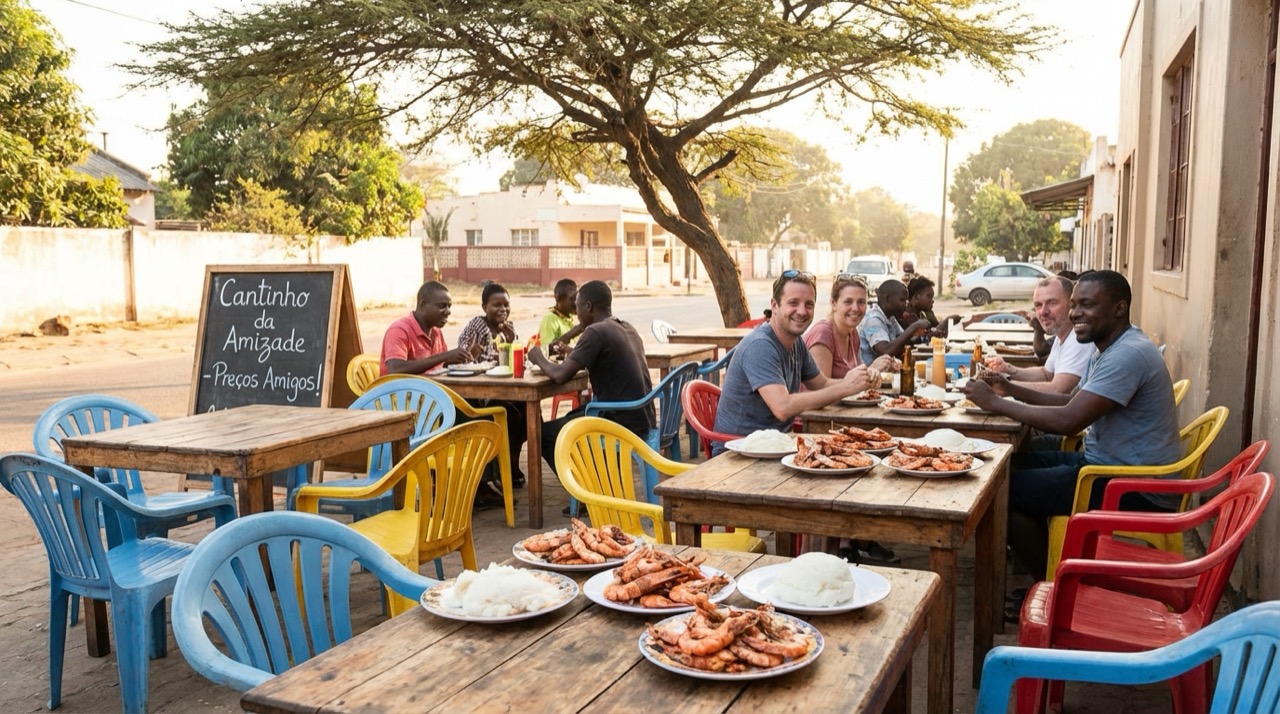
Maputo offers excellent value for travelers, especially when it comes to food and local transport. Seafood that would cost a fortune in Europe is affordable here. The key is eating where locals eat, using local transport, and exploring the city on foot.
Typical Prices
Money-Saving Tips
- The Fish Market (Mercado do Peixe) offers the best-value seafood in Maputo. Choose your fish, pay for grilling, and enjoy an incredible meal for a fraction of restaurant prices.
- Chapas are incredibly cheap. Even with limited Portuguese, pointing to your destination on a map will get you there.
- Breakfast at local bakeries (padarias) is very affordable. A coffee and cheese roll costs under $2.
- Buy cashews (Mozambique's top export) at local markets rather than airport shops for a fraction of the price.
- Many museums and cultural sites have low or no entry fees.
- Bargain at the Mercado Central and craft markets. Start at about half the asking price.
- Drink local beer (2M or Manica) rather than imports to save significantly.
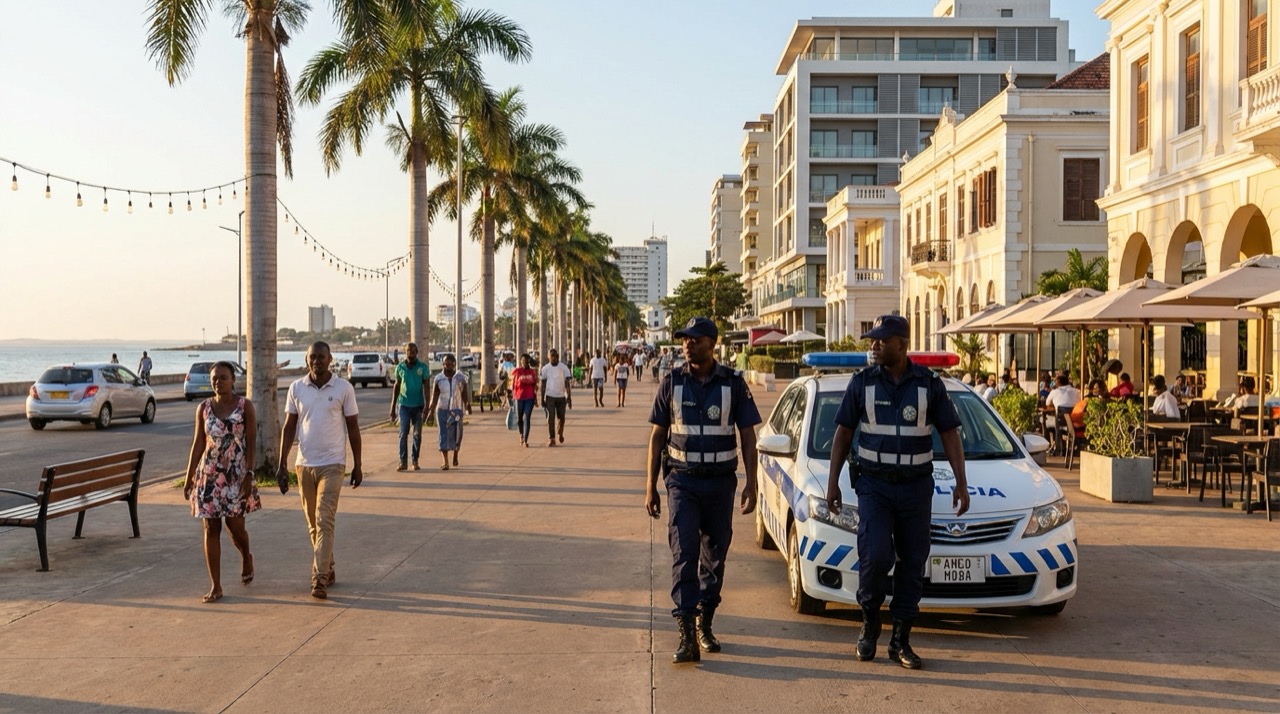
Maputo is generally safe for visitors, especially in the Baixa, Sommerschield, and Polana areas. Standard precautions apply: avoid walking alone at night in poorly lit areas, don't display valuables, and use ride-hailing apps after dark. The main health concern is malaria, so take prophylaxis, use insect repellent, and sleep under a net if your accommodation doesn't have screens.
Preciso de ajuda!
I need help!
/preh-SEE-zoo jee ah-ZHOO-dah!/
General emergency phrase; people are generally quick to assist
Chame a polícia!
Call the police!
/SHAH-mee ah poh-LEE-see-ah!/
Emergency number in Mozambique is 119 for police
Preciso de um médico
I need a doctor
/preh-SEE-zoo jee oom MEH-jee-koo/
Clínica de Sommerschield is a well-regarded private clinic for visitors
Onde é a farmácia mais perto?
Where is the nearest pharmacy?
/ON-jee eh ah far-MAH-see-ah mice PER-too?/
Pharmacies are well-stocked in Maputo; many medications available without prescription
Roubaram-me!
I've been robbed!
/hoh-BAH-ram-mee!/
Report to your hotel and then the nearest police station (esquadra)
Não me sinto bem
I don't feel well
/now mee SEEN-too bayn/
Malaria is present in Mozambique; seek medical attention if you develop fever
Sou alérgico/a a...
I'm allergic to...
/soh ah-LEHR-zhee-koo/kah ah.../
Important for shellfish and peanut allergies, as both are ubiquitous in Mozambican cooking
Onde é a embaixada de...?
Where is the embassy of...?
/ON-jee eh ah em-bye-SHAH-dah jee...?/
Most embassies are in the Sommerschield neighborhood. Keep emergency contacts saved.
A água é segura para beber?
Is the water safe to drink?
/ah AH-gwah eh seh-GOO-rah PAH-rah beh-BER?/
Always drink bottled or filtered water in Maputo. Ice in upscale restaurants is usually safe.
Preciso de ir ao hospital
I need to go to the hospital
/preh-SEE-zoo jee eer ah-oo osh-pee-TAL/
Private clinics offer better care. Ask your hotel to arrange transport.
Community Tips

Ready to learn Portuguese for real?
Take these Maputo phrases with you. Decko uses spaced repetition to make sure you actually remember them when you need them.
Free forever. No credit card required.