Luanda
Studying Portuguese? Decko turns these phrases into smart flashcards that adapt to your memory.
Try free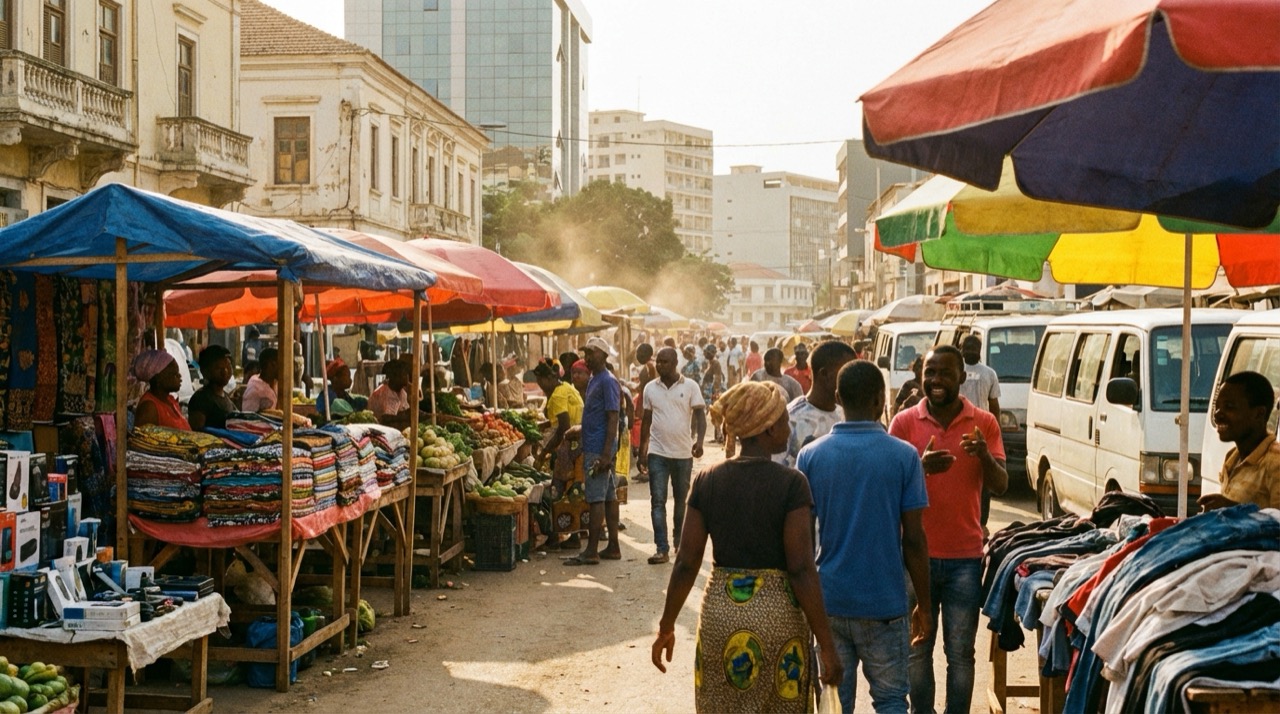
Angolan Portuguese has a distinctive rhythm and borrows heavily from Kimbundu and other Bantu languages. Luandans are warm and welcoming, and a few local phrases will earn you big smiles. Greetings are important here, so always take time to say hello before jumping into business.
Bom dia, tudo bem?
Good morning, how are you?
/bom DEE-ah, TOO-doo bayn?/
Standard morning greeting, used frequently in shops and taxis
Estou bem, obrigado/a
I'm fine, thank you
/esh-TOH bayn, oh-bree-GAH-doo/dah/
Polite response to greetings
Quanto custa?
How much does it cost?
/KWAN-too KOOSH-tah?/
Essential for markets and street vendors where prices are not marked
Onde fica...?
Where is...?
/ON-jee FEE-kah?/
Use when asking for directions anywhere in the city
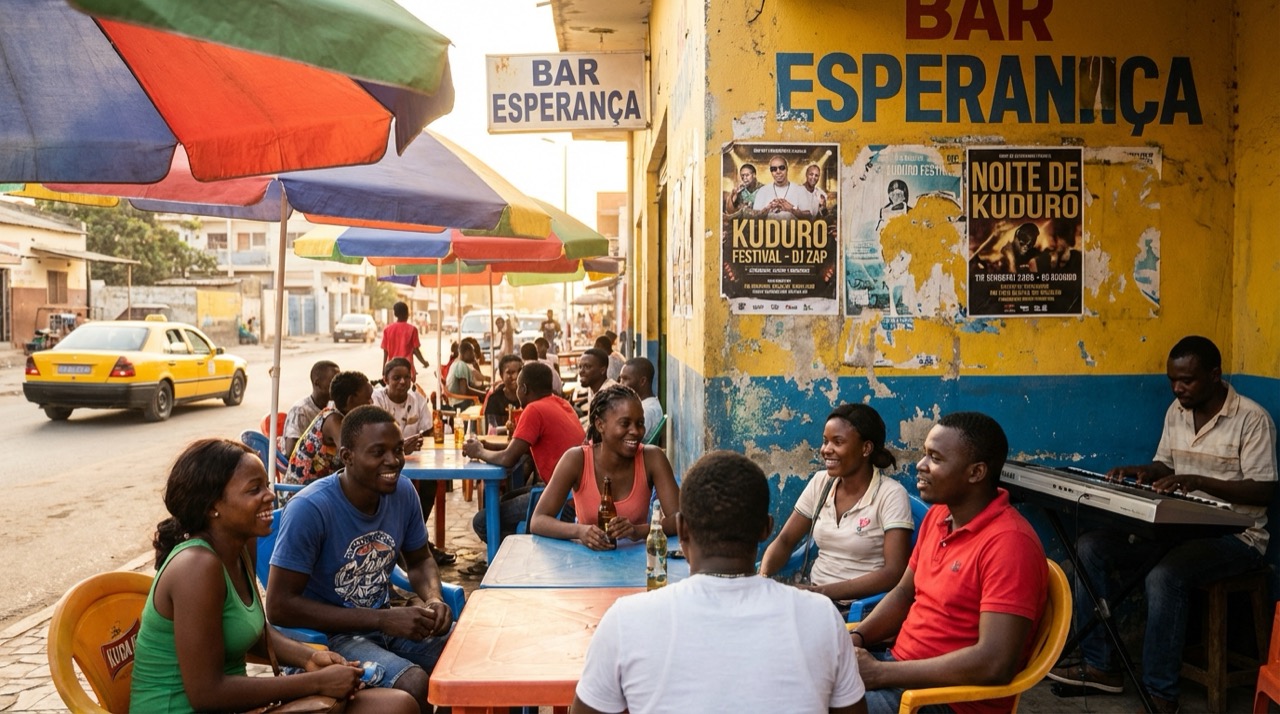
Luandan Portuguese is heavily influenced by Kimbundu, the most widely spoken Bantu language in the Luanda region. The slang is vibrant, expressive, and deeply tied to the city's kuduro culture and street life. Learning even a handful of these words will connect you to the local vibe.
Bué
A lot / very
/boo-EH/
From Kimbundu. 'Isso é bué fixe' = 'That's really cool'. One of the most common Angolan expressions.
Fixe
Cool / great
/FEESH/
Used constantly to express approval. 'A festa estava fixe' = 'The party was great'.
Kota
Elder / respected older person
/KOH-tah/
From Kimbundu. A term of deep respect for elders or authority figures. Using this shows cultural awareness.
Mambo
Problem / issue
/MAM-boo/
'Sem mambo' = 'No problem'. Very common in casual conversation.
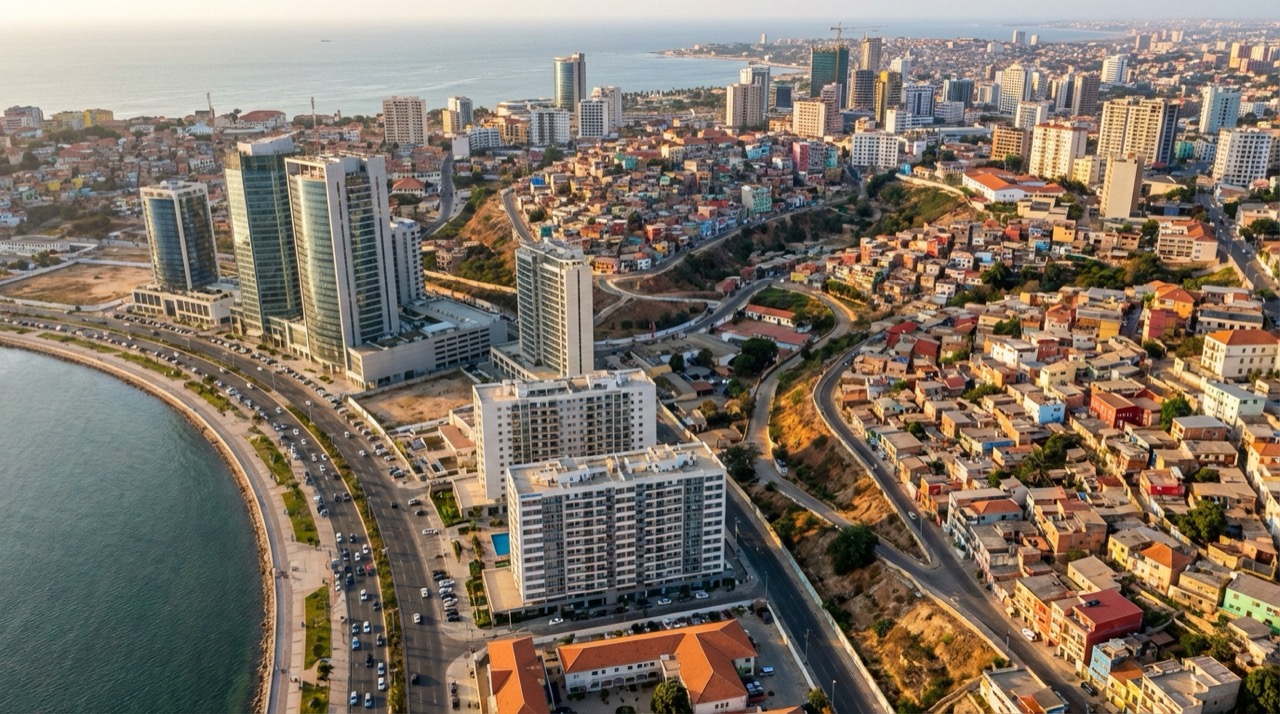
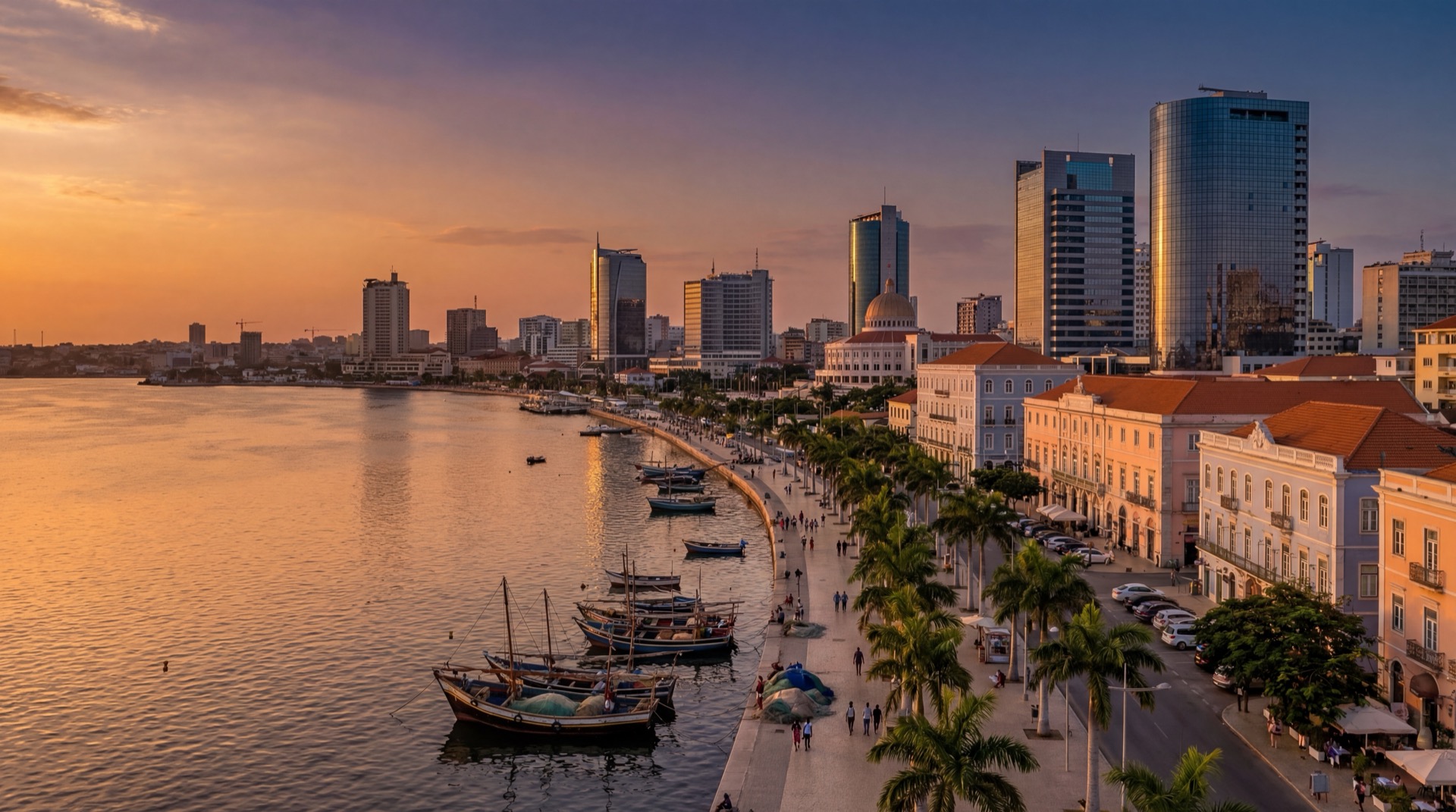
Luanda is a city of dramatic contrasts. The waterfront Marginal stretches along the bay with modern towers and upscale restaurants, while just inland, vibrant neighborhoods pulse with street markets, live music, and the energy of daily life. Each area has its own personality.
Marginal / Cidade Baixa
The iconic waterfront promenade and downtown core. Modern high-rises, government buildings, the fortress of São Miguel, upscale restaurants, and the main financial district. This is the face of new Luanda, perfect for evening strolls along the bay.
You will hear more formal Portuguese here in business settings. Greetings like 'Boa tarde' (Good afternoon) are expected.
Ilha de Luanda
A narrow sand spit connected to the mainland, home to Luanda's best beaches, seafood restaurants, and weekend nightlife scene. Locals flock here on weekends for grilled fish, cold beer, and live music. The atmosphere is relaxed and social.
'Vamos para a Ilha' (Let's go to the Island) is the weekend rallying cry. Ask for 'peixe grelhado' (grilled fish) at any beachside restaurant.
Sambizanga
A historically significant neighborhood and birthplace of Angola's independence movement. Bustling markets, street food vendors, and a strong community spirit. This is where you will experience everyday Luandan life at its most authentic.
More Kimbundu words blend into Portuguese here. 'Kitanda' (market) and 'kandengue' (kid) are heard constantly.
Miramar
An upscale residential and diplomatic neighborhood on elevated ground with views over the bay. Embassies, international restaurants, shopping centers, and quieter streets. A good base for visitors seeking comfort and convenience.
International community means more English is spoken here, but locals appreciate any Portuguese effort. 'Bom dia' always works.
Cazenga
One of Luanda's most densely populated neighborhoods, known for its energetic street life, kuduro music scene, and massive open-air markets. Raw, loud, and authentically Luandan. Visit with a local guide for the full experience.
Slang is heaviest here. 'Bué' (a lot), 'maka' (trouble), and 'camba' (friend) are part of every sentence.
Want to actually remember these phrases?
Save them to your flashcard deck and Decko will quiz you at the perfect time using spaced repetition.
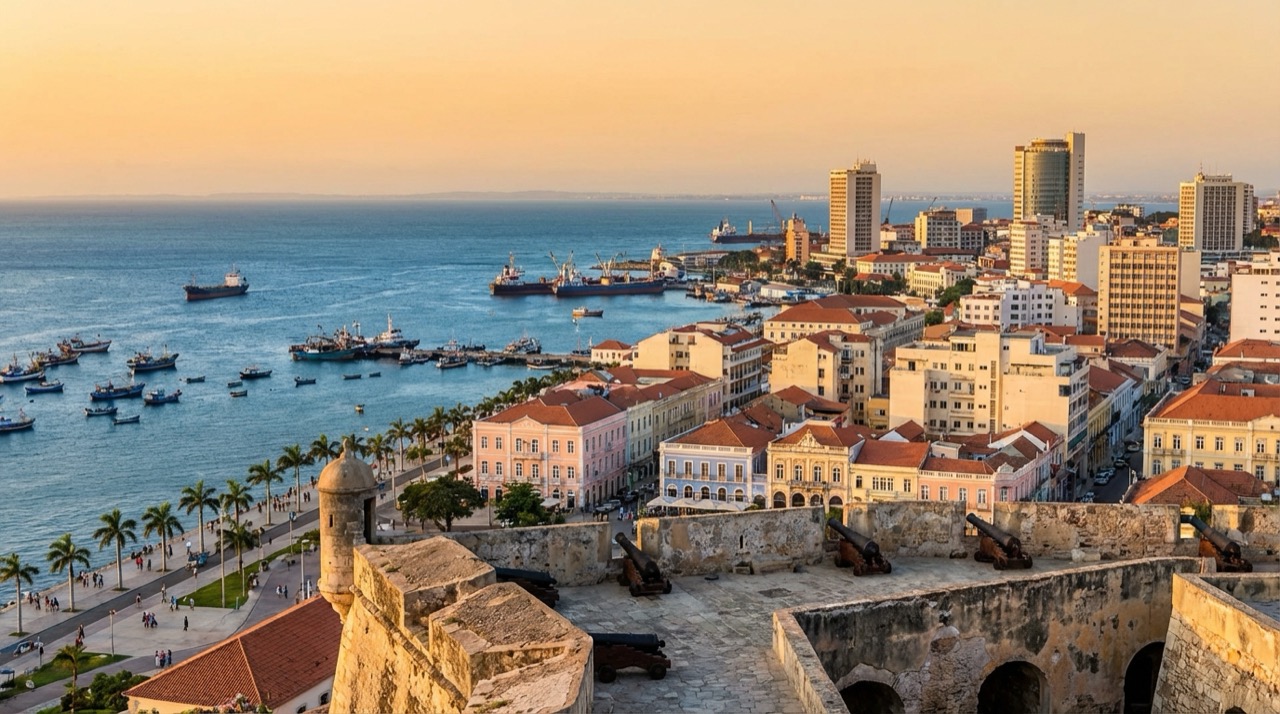
Luanda blends Portuguese colonial history, Angolan independence heritage, and modern African urbanism. The city's attractions span from centuries-old fortresses to contemporary art galleries, with vibrant markets and stunning coastal scenery throughout.
Fortaleza de São Miguel
A 16th-century Portuguese fortress overlooking the bay, now housing the Museum of the Armed Forces. The views over Luanda from the ramparts are spectacular, and the interior documents Angola's military history from colonial times through independence.
'Fortaleza' means fortress. 'Posso tirar fotos?' (Can I take photos?) is useful here.
Museu Nacional de Antropologia
Angola's most important cultural museum, showcasing masks, sculptures, musical instruments, and artifacts from the country's diverse ethnic groups. Essential for understanding the Kimbundu, Ovimbundu, and Bakongo cultures that shape modern Angola.
'Museu' (museum) is pronounced 'moo-ZEH-oo'. Ask 'Tem visita guiada?' (Is there a guided tour?).
Mercado do Benfica
One of Luanda's largest and most colorful open-air markets. A sensory overload of textiles, crafts, produce, street food, and daily life. Bargaining is expected and part of the fun.
'Quanto é o último preço?' (What's the final price?) is essential for bargaining. Always negotiate with a smile.
Ilha de Luanda Beaches
The narrow peninsula offers Luanda's best beach experience. Sandy shores, warm Atlantic water, beachside bars serving cold Cuca beer, and grilled seafood restaurants. Weekends are packed with families and live music.
'Uma Cuca gelada, por favor' (A cold Cuca, please) orders Angola's most popular beer.
Igreja de Nossa Senhora dos Remédios
One of the oldest churches in sub-Saharan Africa, dating to the 16th century. Beautiful colonial architecture with a simple whitewashed exterior and richly decorated interior. A quiet respite from the city bustle.
'Igreja' means church. Remove hats and speak quietly inside. 'É permitido visitar?' (Is visiting allowed?) is a polite question.
Miradouro da Lua
The 'Viewpoint of the Moon' lies about 40km south of Luanda. Dramatic eroded cliff formations that look like a lunar landscape, carved by millennia of rain and wind. One of Angola's most photographed natural sites.
'Lua' means moon. 'Que paisagem incrível!' (What an incredible landscape!) is a natural reaction here.
Palácio de Ferro (Iron Palace)
A striking iron building reportedly designed by Gustave Eiffel, shipped from Europe in pieces and assembled in Luanda. Now an art gallery, it stands as a bizarre and fascinating colonial relic in the heart of the city.
'Palácio de Ferro' literally translates to 'Iron Palace'. 'Quando abre?' (When does it open?) is useful for planning visits.
Mausoléu de Agostinho Neto
The massive Soviet-style memorial to Angola's first president and independence hero. A striking brutalist tower that dominates the skyline. Love it or find it imposing, it is an unmissable landmark and important to understanding Angola's history.
Angolans refer to the first president with great respect. Saying 'Agostinho Neto' with reverence shows cultural sensitivity.
Museu da Moeda (Currency Museum)
Housed in the old national bank building, this small museum traces Angola's monetary history from pre-colonial trade goods (salt, shells, cloth) through Portuguese colonial currency to the modern kwanza.
'Kwanza' is the Angolan currency, named after the Kwanza River. Knowing 'kwanza' shows you have done your homework.
Fundação Sindika Dokolo / Arte Contemporânea
Luanda has a growing contemporary art scene. Several galleries and foundations showcase Angolan modern art, photography, and sculpture. Works often explore themes of identity, colonialism, and urban life.
'Arte' means art. 'Quem é o artista?' (Who is the artist?) shows genuine interest.
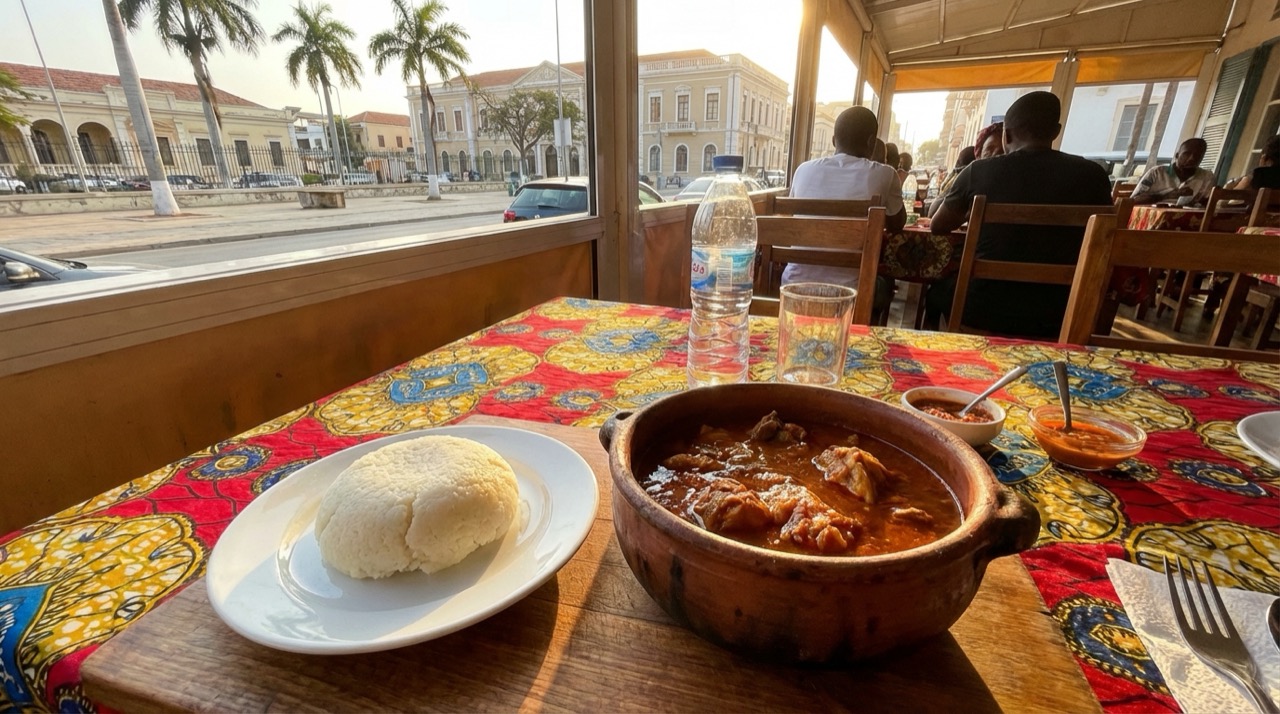
Angolan cuisine is hearty, flavorful, and built on palm oil, cassava, beans, and fresh seafood. Luanda's food scene ranges from upscale restaurants on the Marginal to incredible street food in the markets. The local dishes are bold, spicy, and deeply satisfying.
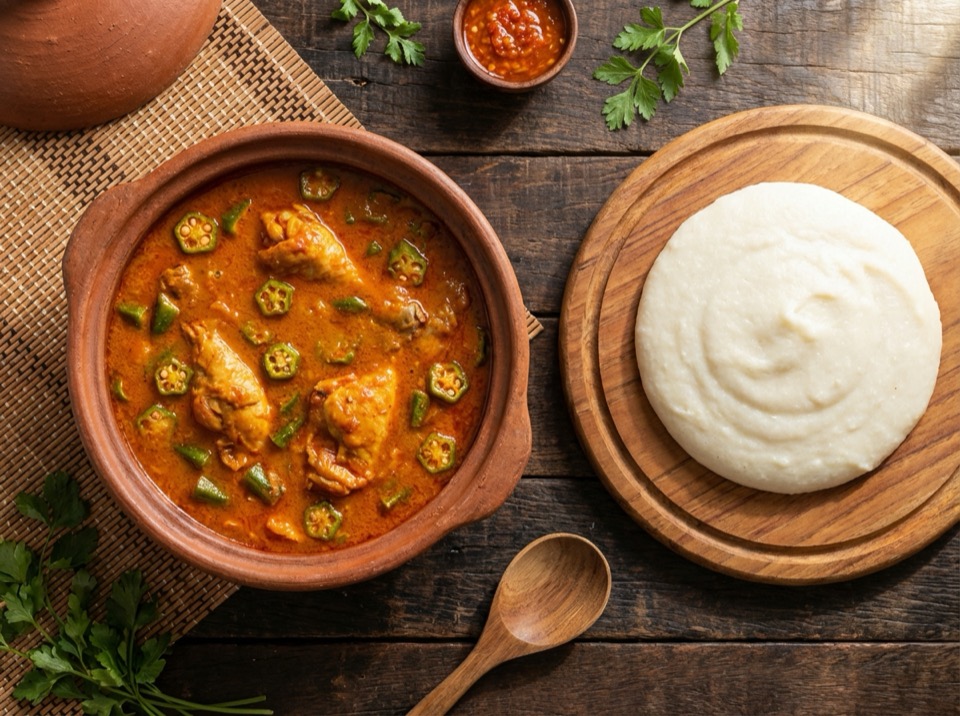
Muamba de Galinha
Angola's national dish: chicken stewed in a rich palm oil sauce with okra, garlic, and chili. Served with funge (cassava porridge) or rice. The palm oil gives it a deep orange color and earthy flavor.
How to order
Queria muamba de galinha com funge, por favor. (I'd like muamba de galinha with funge, please.)
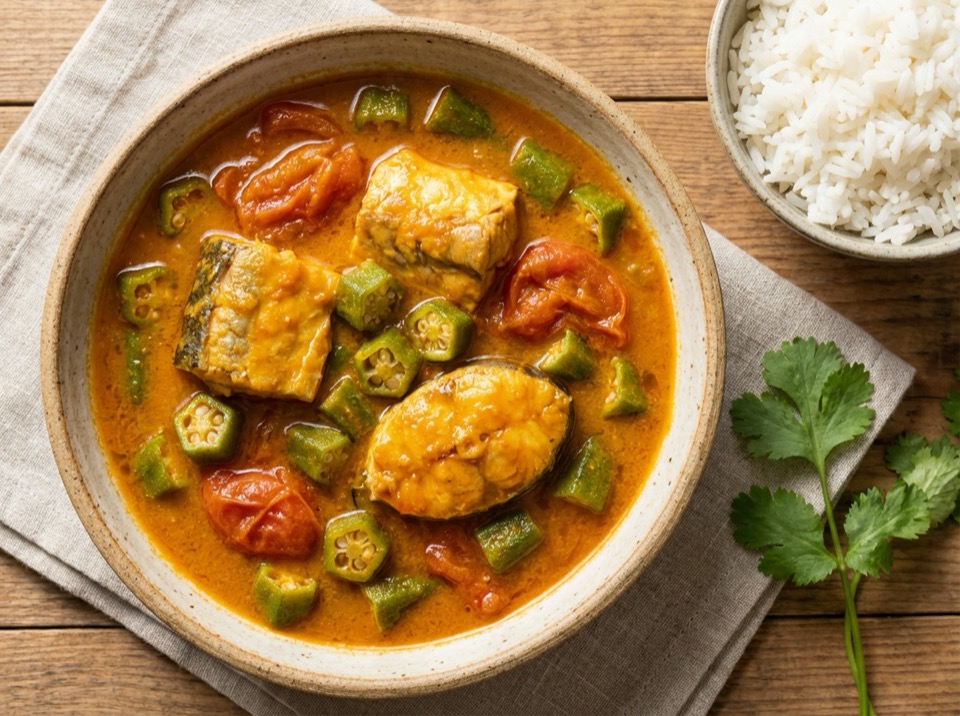
Calulu de Peixe
A flavorful fish stew made with dried and fresh fish, okra, tomatoes, onions, and palm oil. A staple of Angolan home cooking with complex layered flavors from the dried fish.
How to order
Tem calulu hoje? Queria com arroz. (Do you have calulu today? I'd like it with rice.)
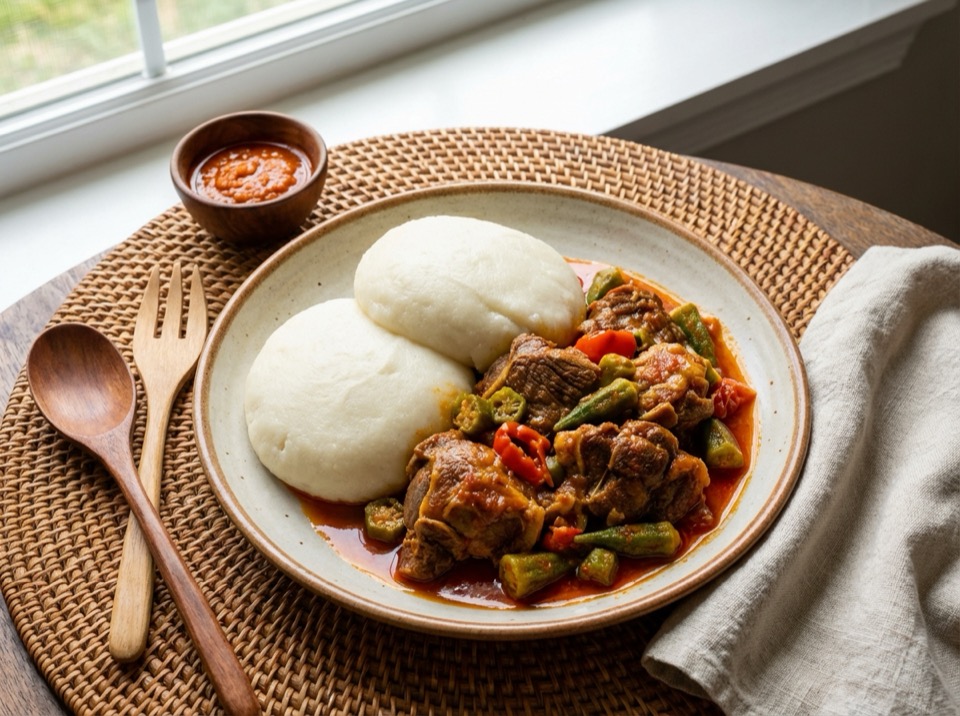
Funge
The Angolan staple: a smooth, stretchy cassava porridge that accompanies almost every traditional meal. Eaten by tearing off pieces and scooping up stew. Comparable to West African fufu but with a distinctive texture.
How to order
Pode trazer mais funge? (Can you bring more funge?) It's usually served alongside the main dish.
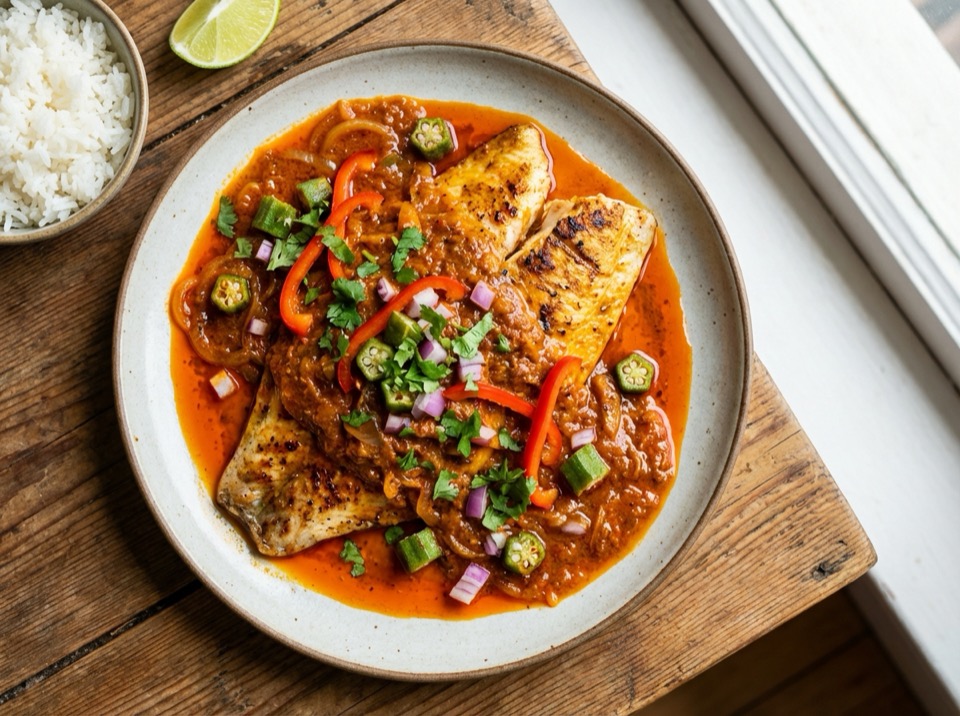
Moamba de Dendém
A rich palm fruit sauce served over fish or meat. The dendém (palm fruit) gives an intense, slightly sweet and earthy flavor. A cornerstone of Angolan cuisine found at both street stalls and fine restaurants.
How to order
Queria peixe com moamba de dendém. (I'd like fish with palm fruit sauce.)
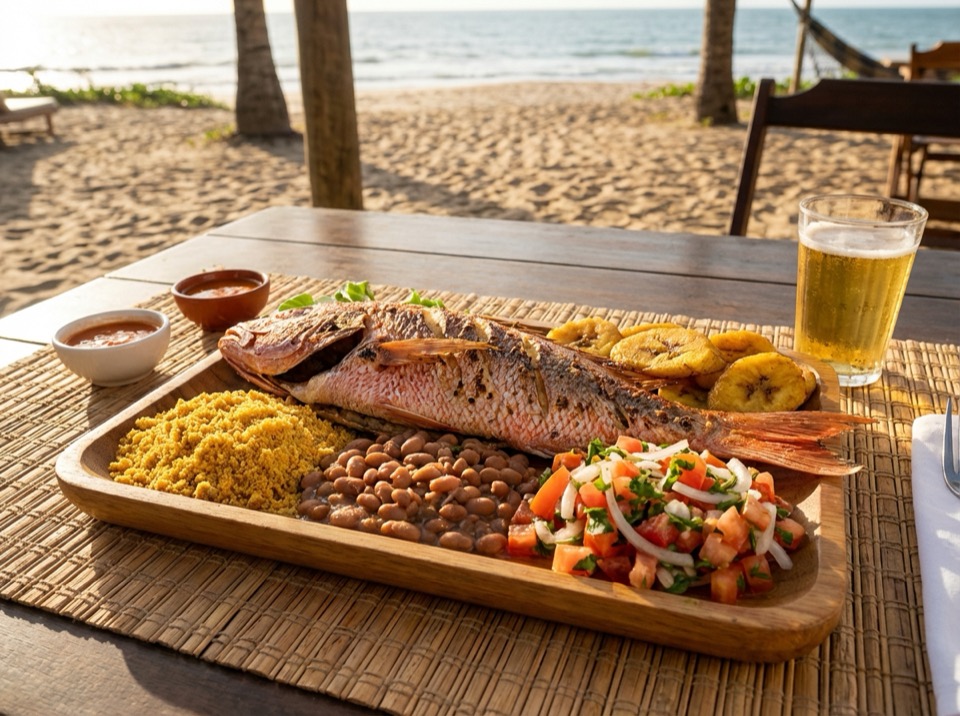
Mufete
Grilled fish (often tilapia) served with farofa (toasted cassava flour), beans, and a fresh salad. A popular weekend dish, especially on the Ilha de Luanda where the fish comes straight from the ocean.
How to order
Um mufete completo, por favor. (A complete mufete, please.) Specify 'peixe do dia' for today's freshest catch.
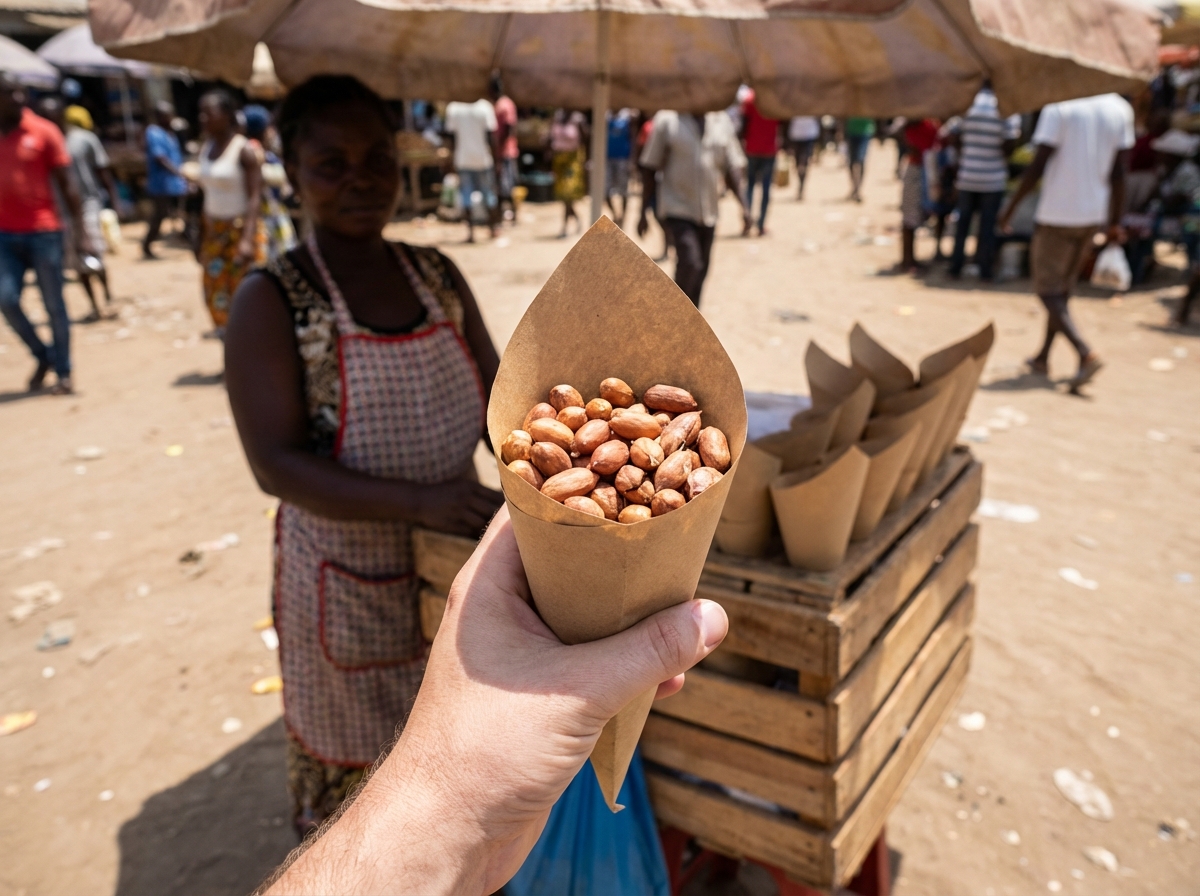
Ginguba Torrada
Roasted peanuts sold by street vendors everywhere. A ubiquitous Luanda snack, served in paper cones. The Kimbundu word 'ginguba' for peanut is used in everyday Angolan Portuguese.
How to order
Uma ginguba, por favor. Quanto é? (Some peanuts, please. How much?)
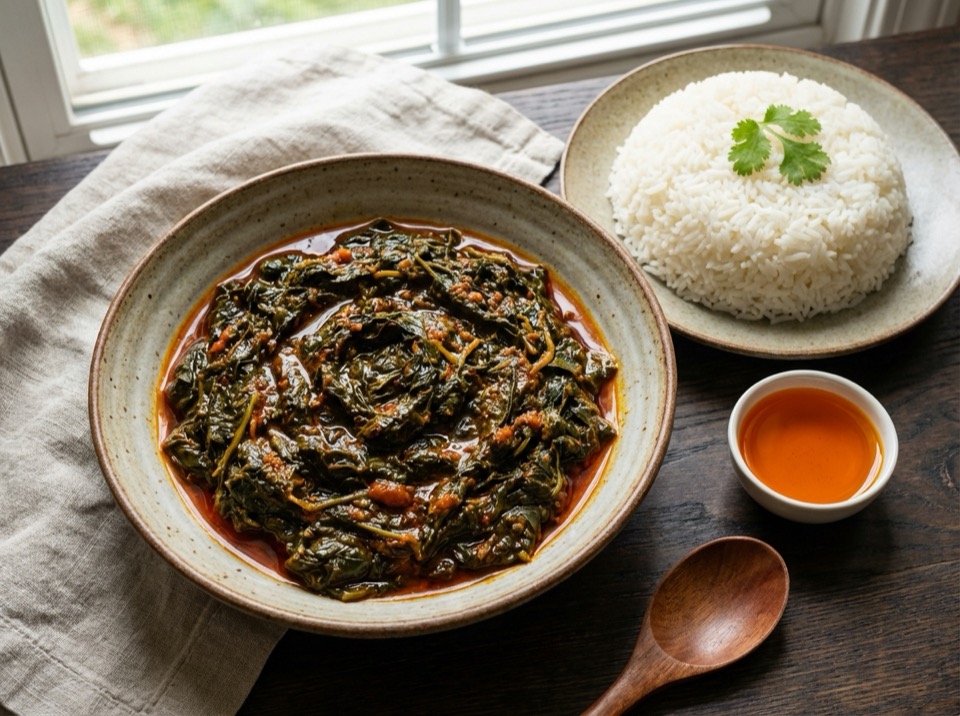
Kizaca
Cassava leaves cooked with garlic, onion, and palm oil until tender. A staple side dish packed with nutrients. Similar to other African greens preparations but with a distinctly Angolan character.
How to order
Tem kizaca como acompanhamento? (Do you have kizaca as a side dish?)
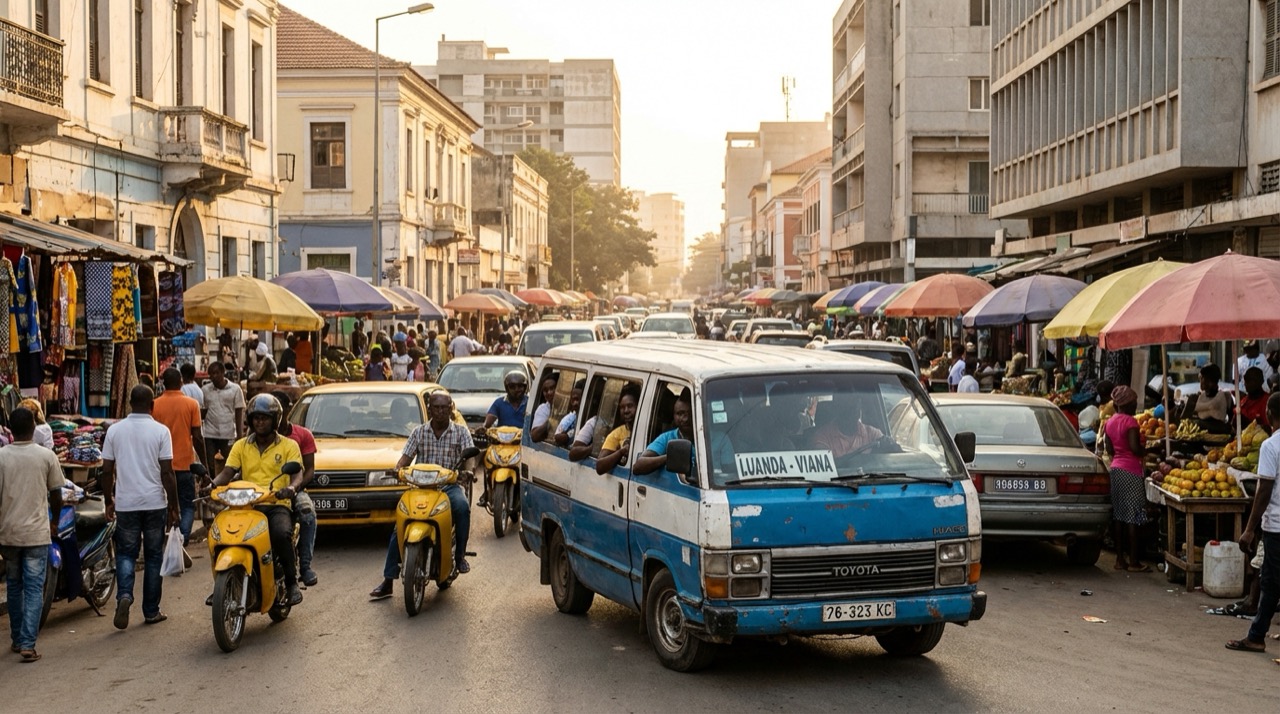
Luanda's traffic is legendary and can be brutal during rush hours. The city is spread out, and public transport options are limited but improving. Candongueiros (shared minibuses) are the backbone of local transport, while ride-hailing apps have made getting around much easier for visitors.
Candongueiro (Shared Minibus)
Blue and white minibuses that run fixed routes across the city. The cheapest way to travel and an authentic local experience. Routes are identified by signs in the windshield. Pay the cobrador (fare collector) directly.
- Have small kwanza bills ready; exact change is expected
- Tell the cobrador your destination when boarding so he can signal your stop
- They leave when full, not on a schedule, so patience is required
- Best avoided during peak rush hour when they are extremely crowded
- Say 'Paragem!' (Stop!) when you want to get off
Ride-Hailing Apps (Yango / T'Leva)
Yango and T'Leva are the main ride-hailing apps in Luanda. Much more comfortable than candongueiros and reasonably priced. The safest and most convenient option for visitors, especially for airport transfers and night travel.
- Download Yango and T'Leva before arriving; both work with international cards
- Confirm the price before the trip starts; traffic can dramatically affect journey time
- Share your ride details with someone, especially at night
- Drivers may call to confirm your exact pickup location; have someone local help if needed
Private Taxi
Traditional taxis are available but always negotiate the fare before getting in. No meters. Hotels can arrange trusted drivers for day trips or airport transfers, which is the recommended option for visitors.
- Always agree on the price before entering the taxi
- Hotel-arranged taxis are safest and most reliable
- For airport transfers, book through your hotel or a trusted service
- Learning numbers in Portuguese helps enormously with fare negotiation
Walking
The Marginal waterfront and Ilha de Luanda are pleasant for walking. Other areas vary in pedestrian friendliness. Sidewalks can be uneven, and the heat is intense, so carry water and wear sun protection.
- The Marginal promenade is the best walking route in the city, especially in the cooler evening hours
- Stay aware of your surroundings and avoid displaying valuables
- Carry water; Luanda is hot year-round with temperatures often above 30°C
- Walking in markets is the best way to experience them, but keep bags secure
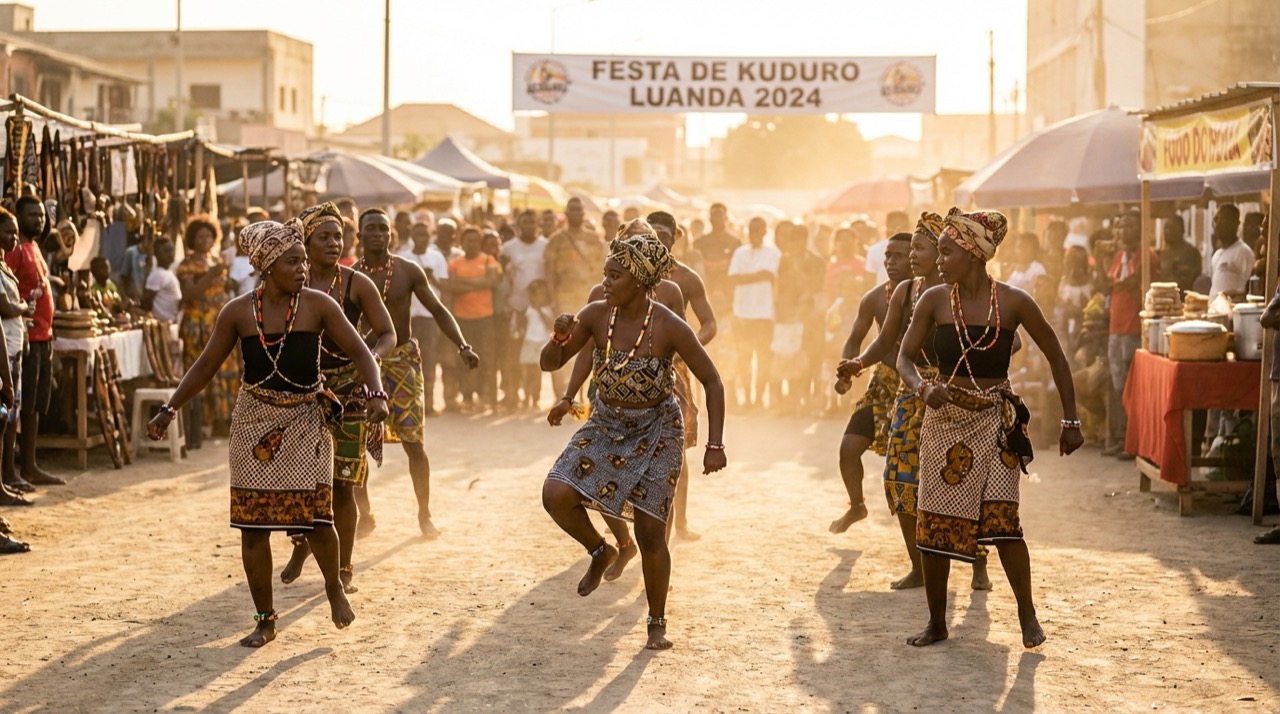
Angolan culture is warm, social, and deeply rooted in community. Respect for elders, generosity, and taking time for greetings are central values. Luanda is a city that rewards visitors who approach it with curiosity, patience, and genuine interest in connecting with people.
Do
- Always greet people before starting any interaction. A proper 'Bom dia/Boa tarde' is expected, even in shops.
- Show respect for elders by using 'senhor' and 'senhora'. The concept of 'kota' (elder/respected person) runs deep.
- Accept food or drink when offered. Refusing hospitality can be seen as rude.
- Learn a few Kimbundu words. Even 'bué' (a lot) and 'fixe' (cool) will delight locals.
- Dress well. Luandans take pride in appearance, especially for social occasions and restaurants.
- Be patient. Things move on Angolan time. Rushing is considered rude and counterproductive.
- Ask permission before photographing people, especially at markets and in neighborhoods.
- Embrace kuduro music and dance. Attending a live performance or asking someone to teach you moves is a great icebreaker.
Avoid
- Don't discuss politics or the civil war casually. Angola's 27-year civil war ended in 2002 and remains a sensitive topic.
- Don't refuse a greeting or rush through one. Skipping 'bom dia' before asking for something is considered disrespectful.
- Don't display expensive jewelry, phones, or cameras unnecessarily. Be discreet with valuables.
- Don't assume everyone speaks English. Portuguese is the lingua franca; Kimbundu and other languages are also common.
- Don't compare Angola unfavorably to other countries. National pride is strong.
- Don't take photos of military installations, government buildings, or police. This is strictly prohibited.
- Don't eat with your left hand in traditional settings. The right hand is preferred.
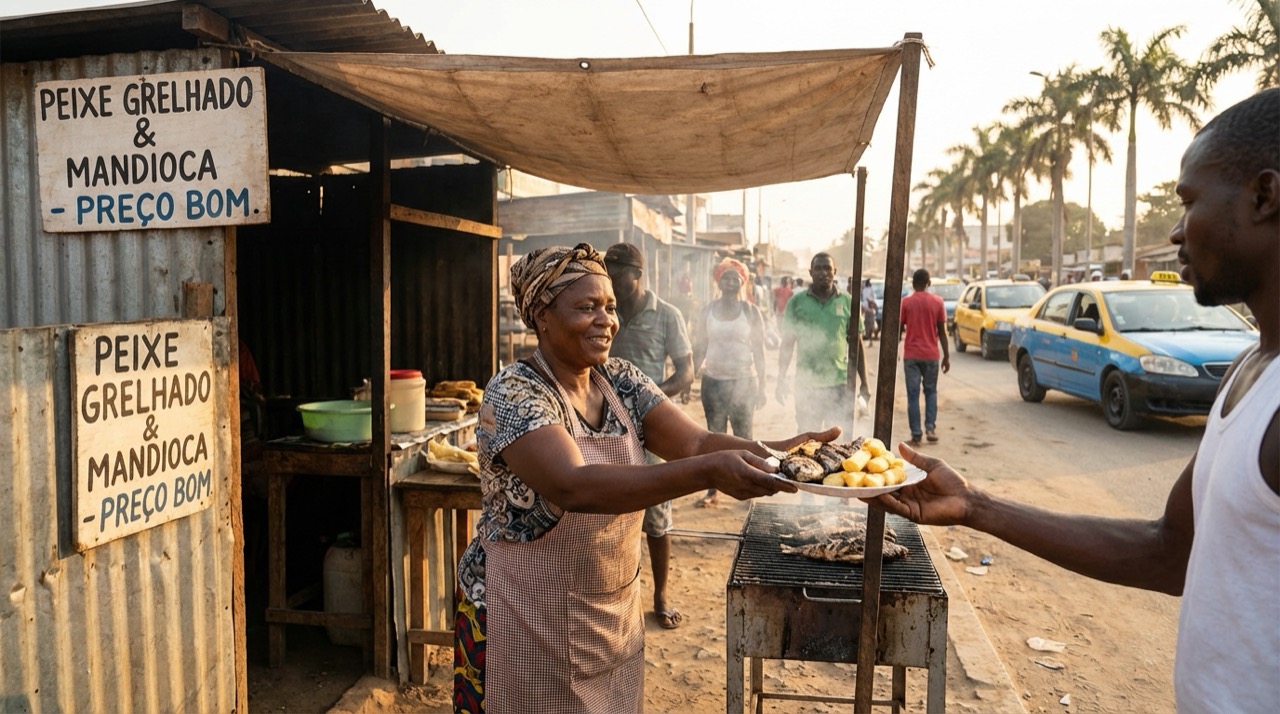
Luanda has historically been one of the world's most expensive cities for expatriates, but the situation has improved significantly. Street food and local restaurants are affordable, while imported goods and upscale dining remain pricey. The kwanza currency fluctuates, so check rates before your trip.
Typical Prices
Money-Saving Tips
- Eat where locals eat. Street food stalls and small local restaurants (tascos) offer the best value and most authentic food.
- Use candongueiros for cheap transport, but switch to Yango/T'Leva at night for safety.
- Carry cash in small denominations. Many local vendors and candongueiros don't accept cards.
- Exchange money at official casas de câmbio rather than street changers for better rates and safety.
- Bargain at markets. Starting at 50% of the asking price is standard practice.
- Avoid imported products at supermarkets; they carry heavy markups. Stick to local brands and fresh produce.
- Visit the Ilha de Luanda for affordable beachside grilled fish instead of hotel restaurants.
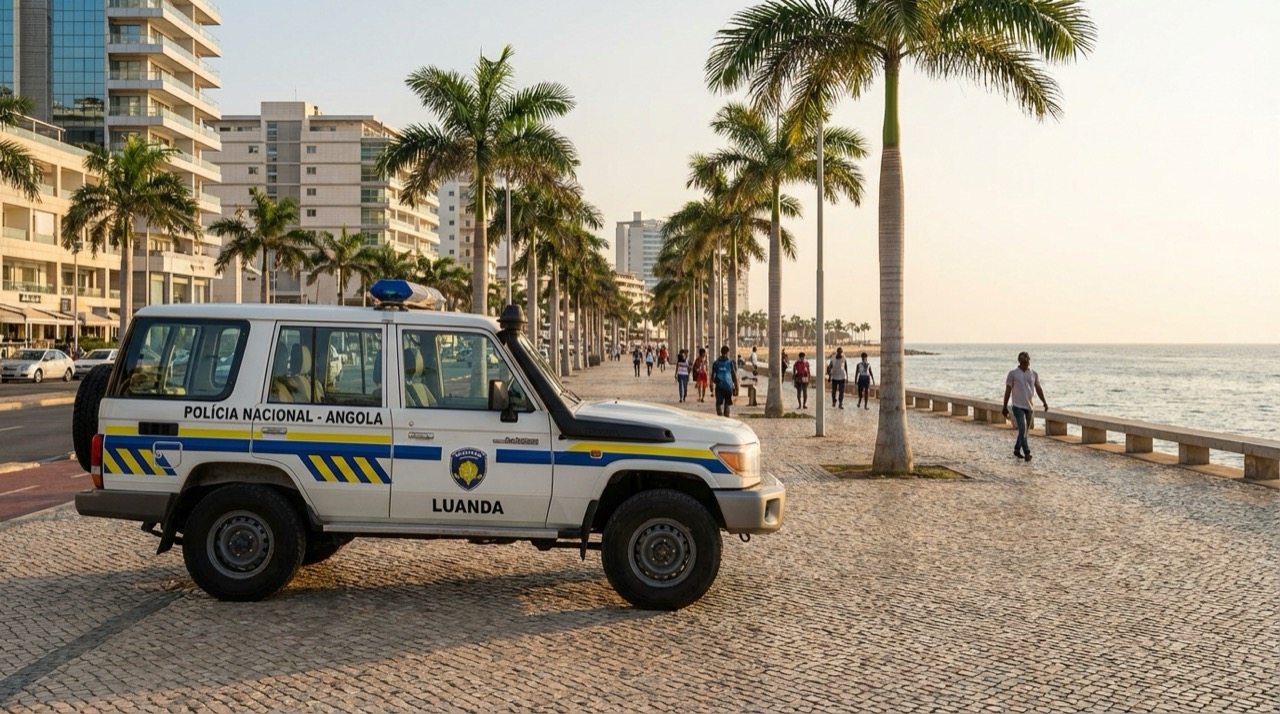
Luanda is generally safe for tourists who take standard precautions, but petty crime does occur, especially in crowded areas and at night. Stick to well-lit areas after dark, use ride-hailing apps instead of walking, and keep valuables out of sight. The emergency number for police is 113.
Preciso de ajuda!
I need help!
/preh-SEE-zoo jee ah-ZHOO-dah!/
General emergency phrase understood by everyone
Chame a polícia!
Call the police!
/SHAH-mee ah poh-LEE-see-ah!/
Use in urgent situations; dial 113 for police in Angola
Preciso de um médico
I need a doctor
/preh-SEE-zoo jee oom MEH-jee-koo/
Clínica Sagrada Esperança and Clínica Girassol are top private hospitals in Luanda
Onde é o hospital mais perto?
Where is the nearest hospital?
/ON-jee eh oo osh-pee-TAL mice PER-too?/
Private clinics generally offer better care than public hospitals
Roubaram-me!
I've been robbed!
/hoh-BAH-ram-mee!/
Report to hotel security first, then file a police report at the nearest esquadra (station)
Não me sinto bem
I don't feel well
/now mee SEEN-too bayn/
Useful for heatstroke or food issues; Luanda's heat can be overwhelming
A minha embaixada é onde?
Where is my embassy?
/ah MEE-nyah em-bye-SHAH-dah eh ON-jee?/
Most embassies are in the Miramar neighborhood. Keep your embassy's emergency number saved.
Sou alérgico/a a...
I'm allergic to...
/soh ah-LEHR-zhee-koo/kah ah.../
Important for food allergies. Palm oil and peanuts (ginguba) are in many Angolan dishes.
Perdi o meu passaporte
I lost my passport
/per-JEE oo meh-oo pah-sah-PORT/
Go to your embassy immediately. Keep a photocopy of your passport separately.
Não se aproxime!
Don't come closer!
/now see ah-PROH-see-mee!/
Firm boundary-setting phrase if you feel threatened
Community Tips

Ready to learn Portuguese for real?
Take these Luanda phrases with you. Decko uses spaced repetition to make sure you actually remember them when you need them.
Free forever. No credit card required.