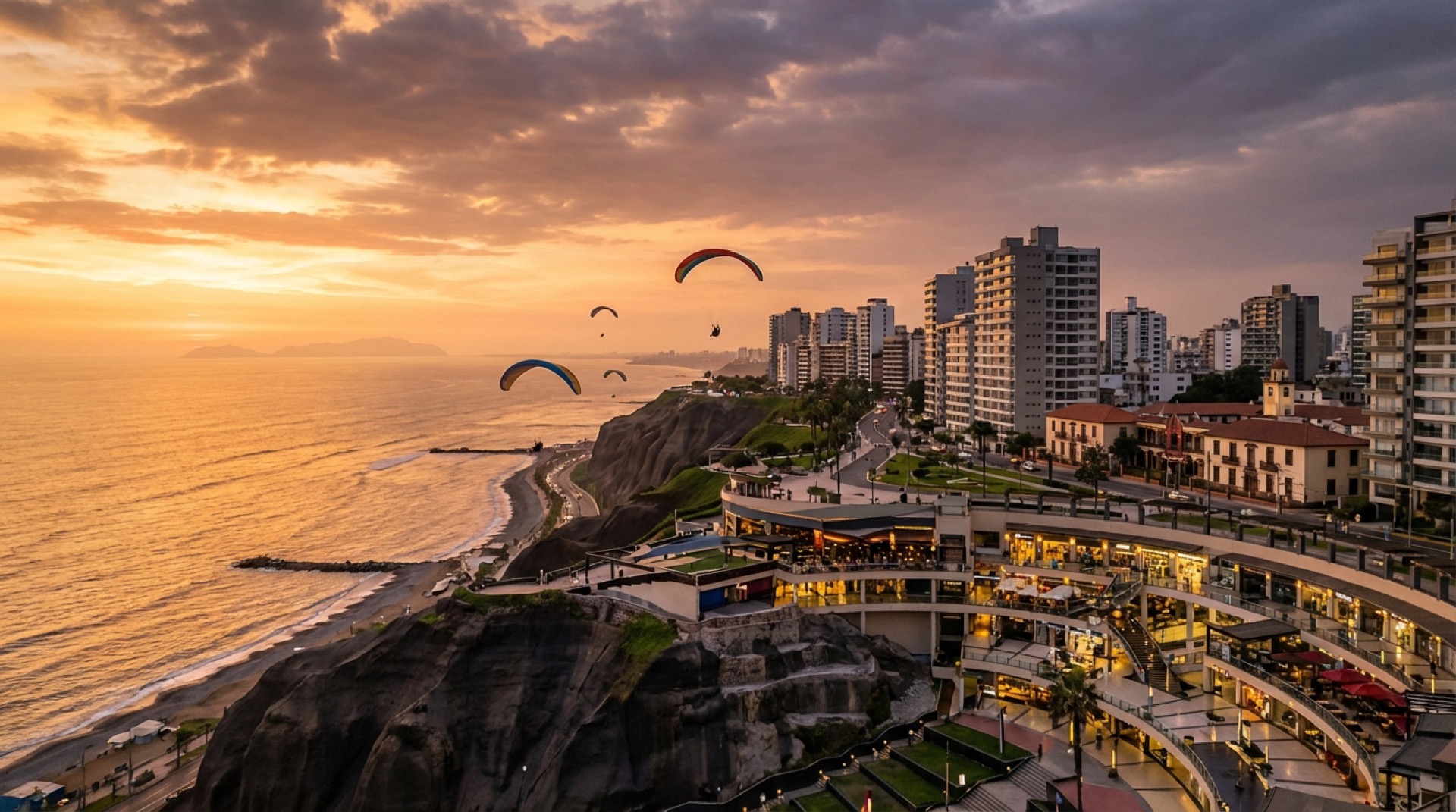
Lima
Studying Spanish? Decko turns these phrases into smart flashcards that adapt to your memory.
Try free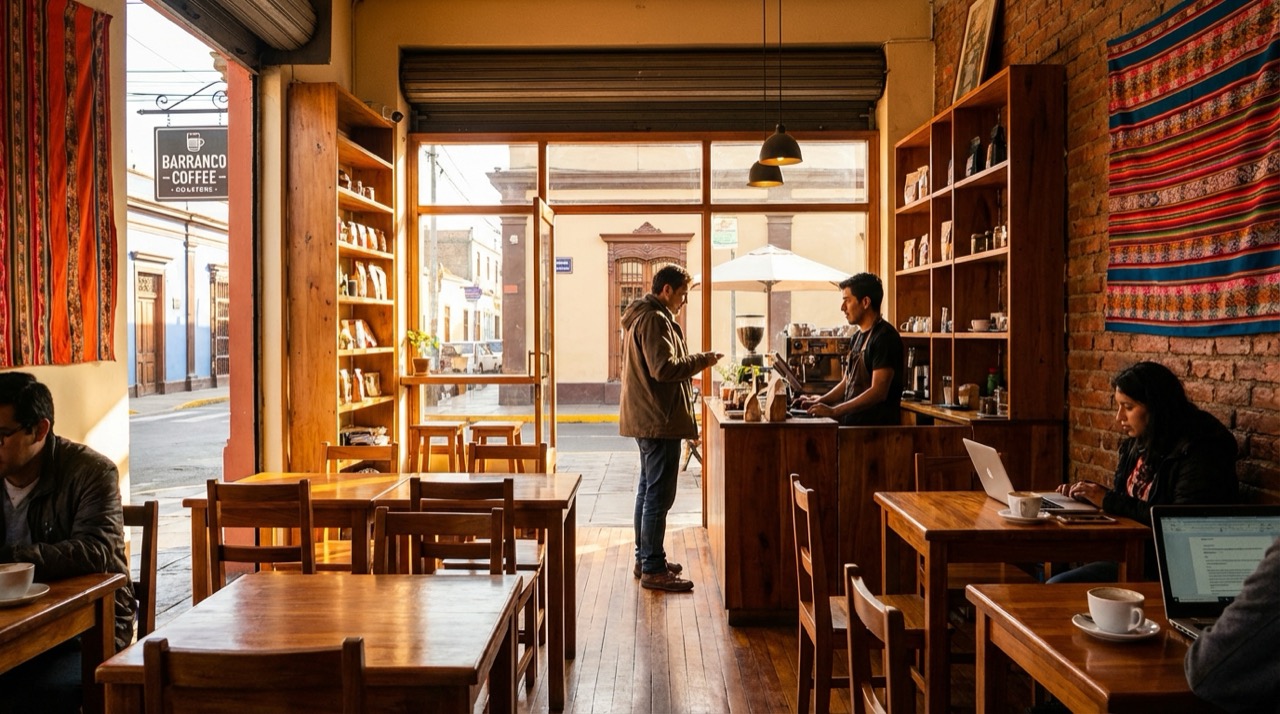
Peruvian Spanish is clear, relatively slow, and easy to understand compared to Caribbean or Argentine varieties. Limeños use 'tú' in casual settings and 'usted' for formality. The Quechua influence shows up in vocabulary, intonation, and the heavy use of diminutives. People are warm but more reserved initially than Colombians or Argentines. Politeness and patience go far.
¿Me da la carta, por favor?
Can I have the menu, please?
/meh dah lah KAR-tah por fa-VOR/
In Peru, the menu is called 'la carta'. 'El menú' specifically refers to the set lunch (menú del día). Mixing them up leads to confusion.
Quisiera un ceviche, por favor.
I would like a ceviche, please.
/kee-see-EH-rah oon seh-VEE-cheh por fa-VOR/
'Quisiera' (I would like) is more polite than 'quiero' (I want). Peruvians appreciate formal courtesy, especially in restaurants.
¿Cuánto cuesta?
How much does it cost?
/KWAN-toh KWES-tah/
The standard phrase for prices everywhere. In markets, follow up with '¿Me puede hacer un descuento?' (Can you give me a discount?).
Disculpe, ¿dónde queda...?
Excuse me, where is...?
/dees-KOOL-peh DON-deh KEH-dah/
'Disculpe' is the formal version. For casual situations, 'disculpa' works. Limeños are generally helpful with directions but may send you the wrong way rather than admit they do not know.
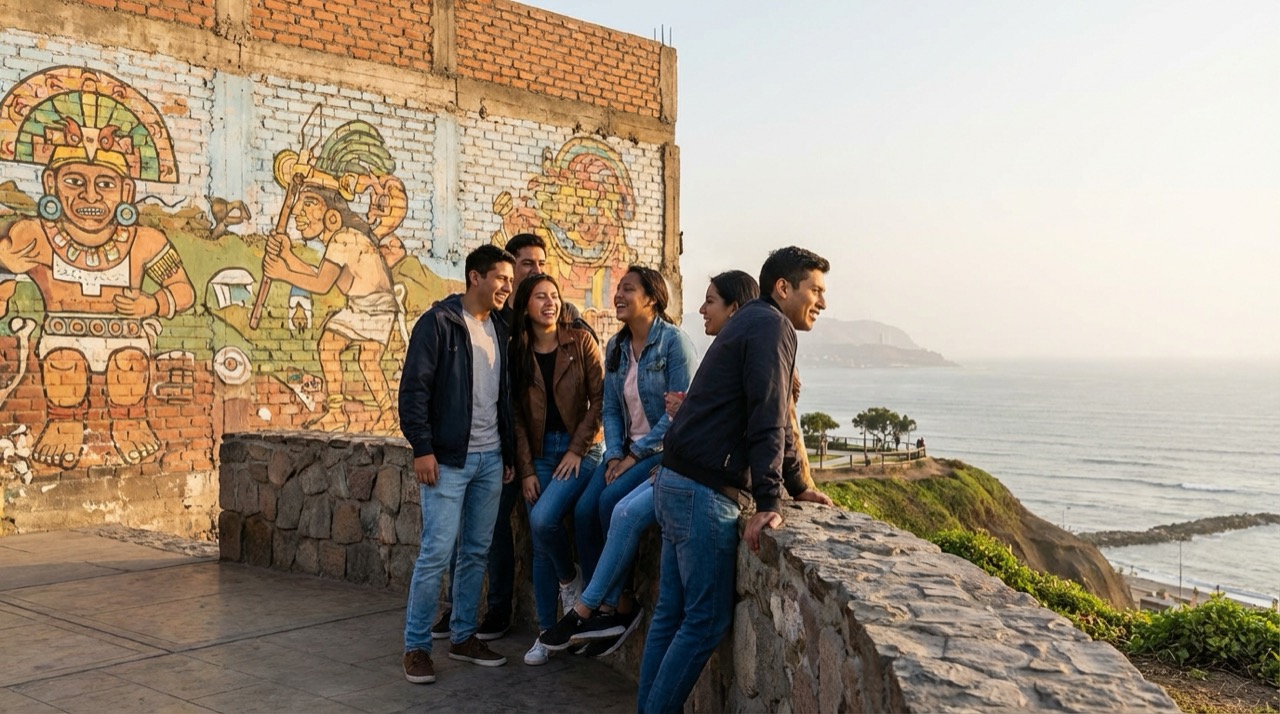
Peruvian Spanish has a rich slang vocabulary (jerga) influenced by Quechua, Aymara, African languages brought by enslaved people, and the creativity of Lima's diverse neighborhoods. The slang is playful and inventive, with new words constantly emerging from chicha culture (the blend of indigenous and urban Lima life). Knowing a few key words makes locals light up.
¡Qué chévere!
How cool! / Awesome!
/keh CHEH-veh-reh/
Shared with Colombia and Venezuela. The universal positive exclamation in Peru. '¡Chévere la comida!' (The food was awesome!).
¡Qué paja!
That's great! / How cool!
/keh PAH-hah/
Uniquely Peruvian. Means something is fun or exciting. '¡Qué paja tu viaje!' (Your trip sounds awesome!). Note: in other countries this has different (sometimes vulgar) meanings.
Causa
Buddy / Dude / Friend
/KOW-sah/
The Peruvian equivalent of 'bro'. '¿Qué tal, causa?' (What's up, buddy?). Also the name of a delicious cold potato dish, so context matters.
¡Está misio!
I'm broke!
/ehs-TAH MEE-see-oh/
From 'miserable'. Very common among students and young people. '¡Estoy misio, no puedo salir!' (I'm broke, I can't go out!).
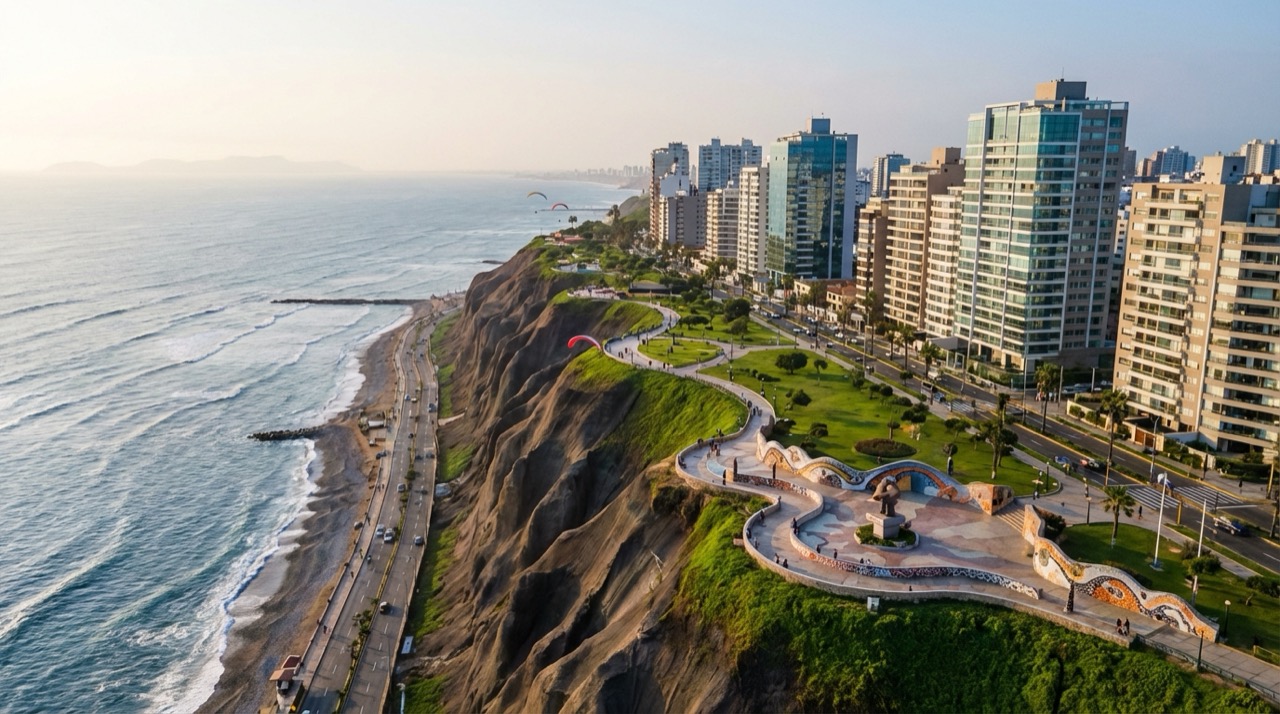
Lima is a sprawling metropolis that stretches for over 60 km along the Pacific coast. The districts visitors care about are clustered in a relatively compact area: Miraflores and Barranco on the coast, the historic center inland, and San Isidro in between. Traffic between districts can be brutal, so plan your days by area. Each district has a distinct personality.
Miraflores
The tourist hub and most polished district. Perched on cliffs above the Pacific with a long oceanfront promenade (malecón) perfect for walking, jogging, and paragliding. Parque Kennedy is the central plaza, surrounded by cafes and restaurants. Larcomar is a shopping center literally carved into the cliff. Safe, walkable, well-maintained, and full of international restaurants alongside great Peruvian food.
Miraflores is just 'Miraflores' or 'Mira' in casual speech. 'Vamos a Mira' means going to the district. The malecón is always called 'el malecón'.
Barranco
Lima's bohemian soul. A former beach town now filled with art galleries, street murals, live music venues, and some of the city's best bars and restaurants. The Puente de los Suspiros (Bridge of Sighs) is the romantic centerpiece. Nightlife here is the best in Lima, concentrated along the Bajada de los Baños and surrounding streets. More relaxed and artsy than Miraflores.
'Barranco' means ravine or cliff. The district is named for its position on the coastal bluffs. 'Bajada de los Baños' (the descent to the baths) is the old path down to the beach.
Centro Histórico (Lima Cercado)
UNESCO World Heritage site with stunning colonial architecture. The Plaza Mayor (Plaza de Armas), the Cathedral, the Archbishop's Palace, and the San Francisco Monastery with its bone-filled catacombs are all here. Busy and chaotic during the day, much quieter at night. Street food is excellent around Chinatown (Barrio Chino). Visit during the day and take a taxi back.
Locals say 'el Centro' for the historic center. The wooden balconies on colonial buildings are a Lima signature. 'Balcones limeños' is the specific architectural term.
San Isidro
Lima's business and financial district, home to embassies, corporate offices, and upscale restaurants. The Olivar park (a grove of centuries-old olive trees) is a peaceful green escape. Less touristy than Miraflores but excellent for fine dining, especially along Avenida Conquistadores. Safe and quiet but not much nightlife.
San Isidro is considered 'pituquería' (posh area). 'Pituco/a' means someone upper-class or snobbish. Used both playfully and critically depending on tone.
Callao / La Punta
Lima's port district, historically rough but undergoing an artistic transformation. The Casa Ronald street art project turned entire blocks into open-air galleries. La Punta is the residential peninsula at the tip, quiet and breezy with seafood restaurants overlooking the harbor. Take a boat to the Islas Palomino to see sea lions. Visit during the day with a guide for the art district.
'Chalaco/a' is someone from Callao. They have their own identity separate from Lima. Calling a Chalaco a Limeño might not be appreciated.
Want to actually remember these phrases?
Save them to your flashcard deck and Decko will quiz you at the perfect time using spaced repetition.
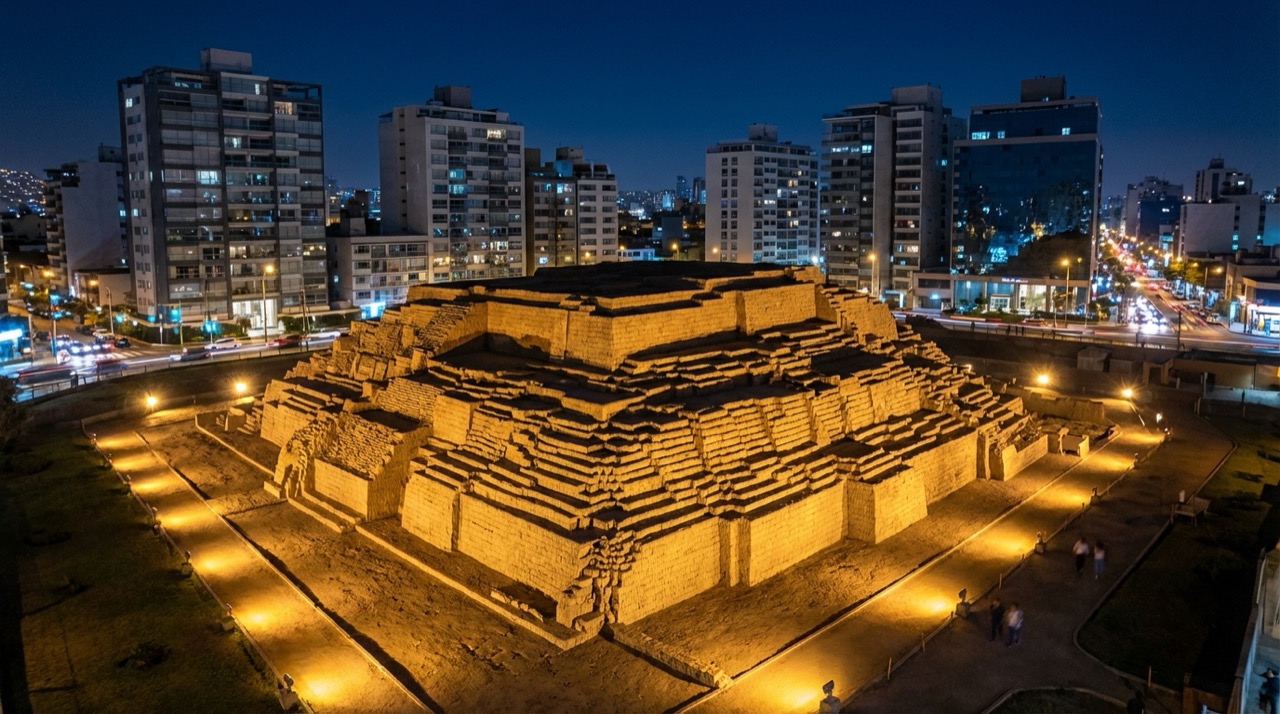
Lima's attractions span 2,000 years, from pre-Inca ruins sitting in the middle of modern neighborhoods to colonial churches dripping with gold leaf to world-class contemporary art. But honestly, the number one attraction is the food. Lima is the gastronomic capital of South America and arguably the Western Hemisphere. Plan your meals as carefully as your sightseeing.
Huaca Pucllana
A pre-Inca adobe pyramid right in the middle of Miraflores, built around 400 AD by the Lima culture. Dramatically illuminated at night. The on-site restaurant serves fine Peruvian cuisine with the ruins as a backdrop. Guided tours explain the archaeological significance. One of those surreal moments where you are eating ceviche next to a 1,600-year-old temple.
'Huaca' (WAH-kah) is the Quechua word for a sacred site. Lima is full of huacas hidden between apartment buildings. Saying 'fui a la huaca' (I went to the huaca) sounds very local.
Museo Larco
A world-class pre-Columbian art museum housed in an 18th-century colonial mansion surrounded by gardens. The collection spans 5,000 years of Peruvian history with gold, textiles, and the famous (and hilarious) erotic pottery gallery. The garden cafe is one of the most beautiful lunch spots in Lima. Allow 2-3 hours.
The erotic pottery gallery (sala erótica) is called 'el templo' (the temple) by locals. It depicts intimate scenes used as educational and ritual objects by the Moche culture.
Catacumbas de San Francisco
Beneath the San Francisco Monastery in the historic center lie catacombs containing the bones of approximately 25,000 people, neatly arranged in circular patterns in deep pits. The monastery itself has a stunning library with 25,000 antique texts. Guided tours only, running every 15 minutes. Genuinely eerie and fascinating.
'Las catacumbas' is what everyone calls it. Buy tickets at the monastery entrance. Tours alternate between Spanish and English. Arrive early to avoid long queues.
Circuito Mágico del Agua (Magic Water Circuit)
A park in central Lima with 13 illuminated fountains that put on a choreographed light and music show after dark. The Fuente de la Fantasía (Fantasy Fountain) projects images onto water screens. Families and couples fill the park on weekend evenings. It sounds cheesy but is genuinely beautiful, especially the main show at 7:15 and 8:15 PM.
'El circuito' or 'las fuentes' is what locals call it. 'Vamos a ver las fuentes' (Let's go see the fountains) is the invitation.
Islas Palomino (Sea Lion Islands)
A boat trip from Callao harbor to rocky islands inhabited by thousands of sea lions, Humboldt penguins, and seabirds. You can swim with the sea lions if you bring (or rent) a wetsuit. The water is cold (the Humboldt Current) but the experience is unforgettable. Tours depart from La Punta pier and take about 3 hours.
'Lobos marinos' are sea lions. 'Pingüinos de Humboldt' are the penguins. Ask for 'el tour con nado' if you want to swim with them.
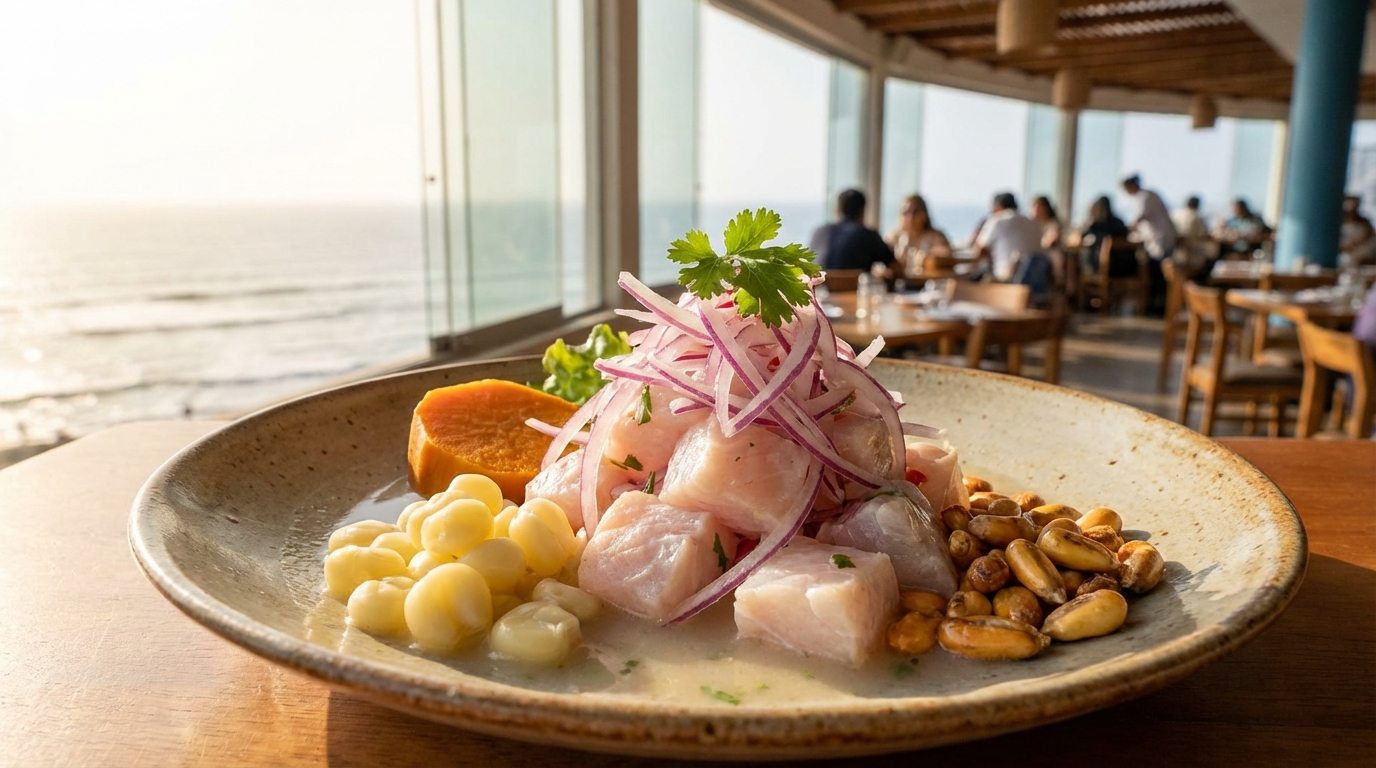
Lima is the undisputed gastronomic capital of South America. Three of the world's 50 best restaurants are here (Central, Maido, Kjolle), and the street food is just as extraordinary. Peruvian cuisine fuses indigenous, Spanish, African, Chinese (chifa), and Japanese (nikkei) traditions into something completely unique. Lunch is the main meal and cevicherías typically close by 4 PM because ceviche should be eaten when the fish is freshest.
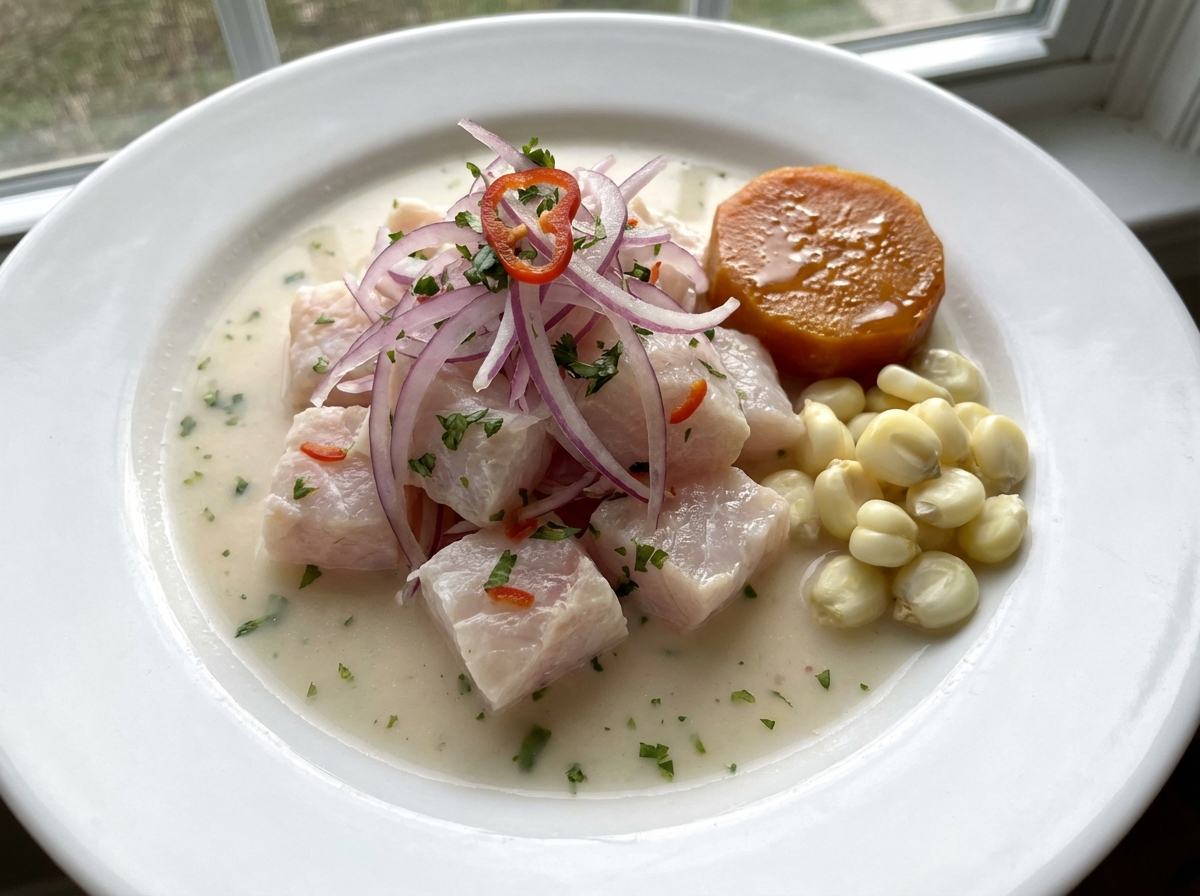
Ceviche
Peru's national dish and source of enormous pride. Fresh raw fish cured in lime juice (leche de tigre), mixed with red onion, chili peppers, and cilantro. Served with sweet potato (camote) and giant corn (choclo). Every Limeño has a strong opinion about where to get the best one. Eat it for lunch, never dinner, because the fish must be fresh that morning.
How to order
'Un ceviche de pescado, por favor' for the classic version. If you want extra of the lime-chili juice, ask for 'un vasito de leche de tigre' (a small glass of tiger's milk). It is considered a hangover cure and an aphrodisiac.
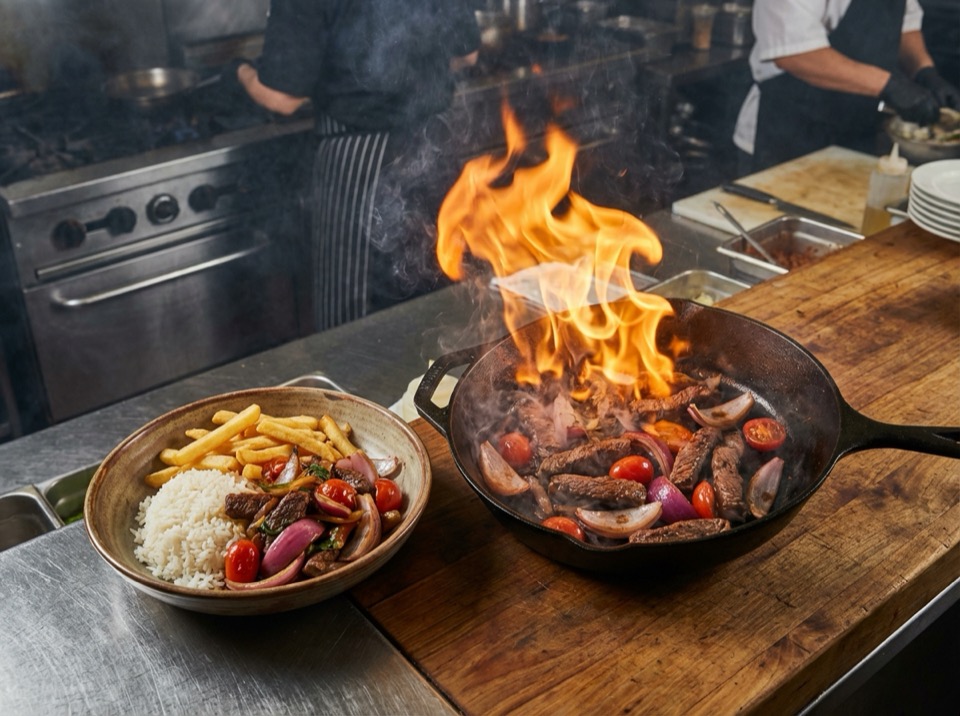
Lomo Saltado
The perfect example of chifa (Chinese-Peruvian) fusion. Stir-fried beef strips with onions, tomatoes, soy sauce, and vinegar, served over french fries AND rice. It should not work, but it is one of the most satisfying dishes you will ever eat. The wok technique came from Chinese immigrants in the 1800s.
How to order
'Un lomo saltado, por favor.' Some restaurants offer it with chicken (pollo saltado) or shrimp (camarones saltados). For the classic, stick with beef (res).
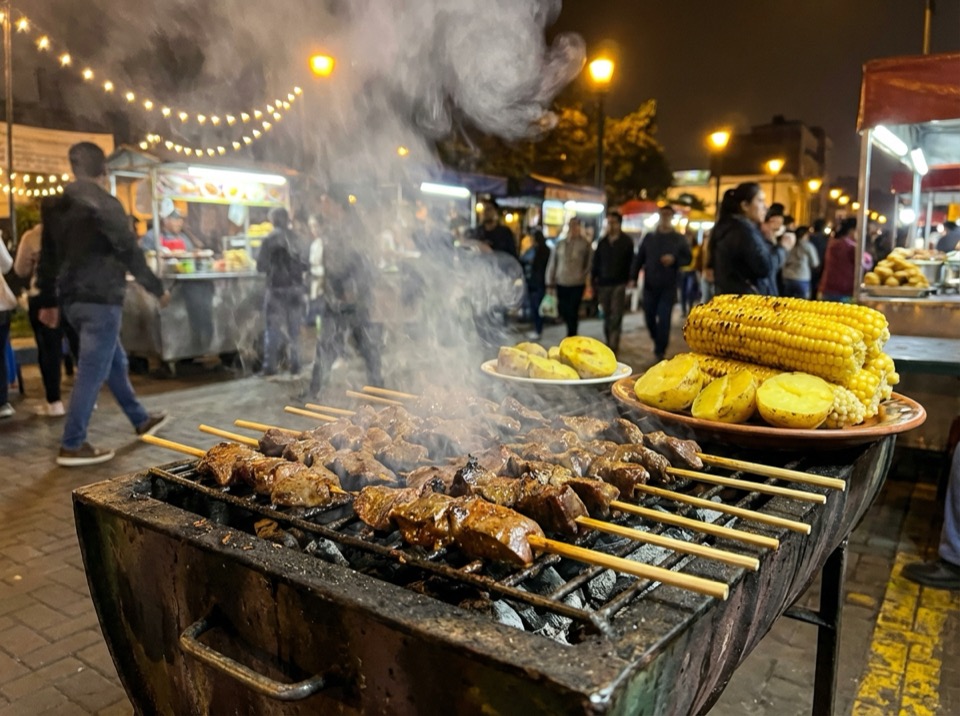
Anticuchos
Grilled beef heart skewers marinated in aji panca (smoky red pepper), cumin, and vinegar. Sounds intimidating, tastes incredible. Street vendors ('anticucheras') grill them over charcoal, serving them with boiled potato and corn. The most famous anticuchera is outside the Estadio Nacional. A beloved street food tradition from Peru's Afro-Peruvian community.
How to order
'Dos anticuchos con su papa y choclo, por favor' (Two skewers with potato and corn, please). 'Con su' means 'with its' and is how you specify accompaniments in Peru.
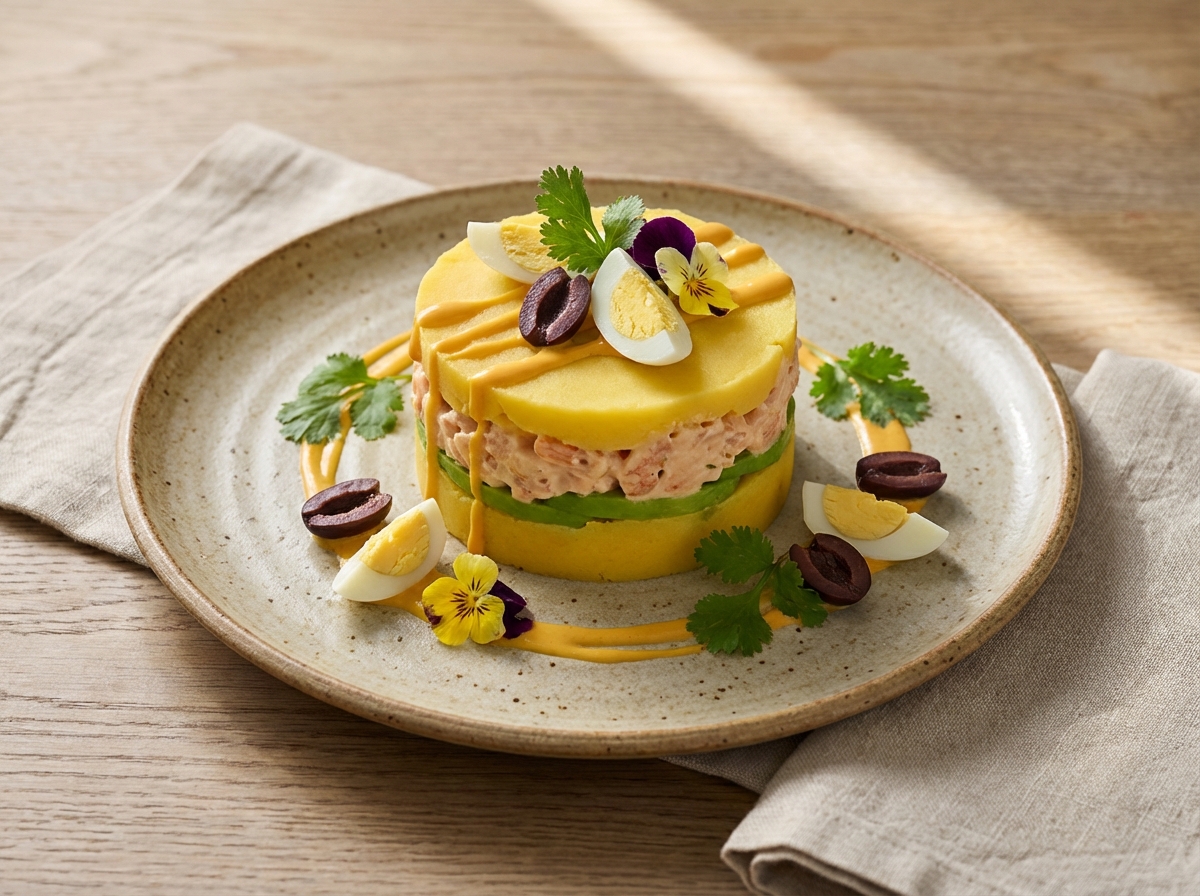
Causa Limeña
A cold layered dish of seasoned yellow potato (mashed with lime and aji amarillo) alternating with fillings like chicken salad, tuna, or shrimp. Served as a terrine or individual portions, beautifully presented. The aji amarillo gives it a bright yellow color and mild heat. Served as a starter in most Peruvian restaurants.
How to order
'Una causa de pollo, por favor' (chicken causa) or 'una causa de atún' (tuna causa). Some places offer 'causa rellena' which is a larger stuffed version.
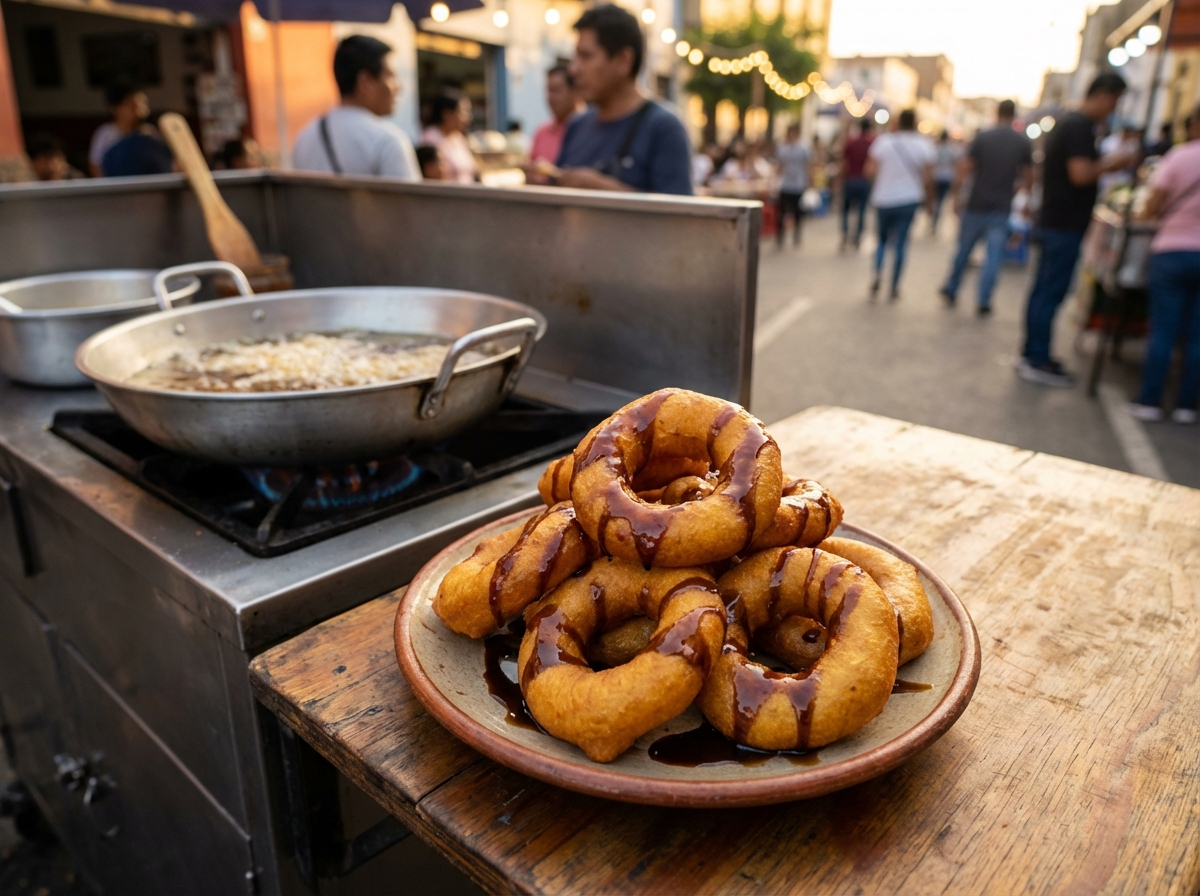
Picarones
Peruvian doughnuts made from sweet potato and squash dough, deep-fried into ring shapes and drizzled with warm chancaca syrup (unrefined cane sugar with cinnamon and cloves). Sold by street vendors in the evening, especially around parks. The Peruvian answer to churros, and arguably better.
How to order
'Tres picarones con harta miel, por favor' (Three picarones with lots of syrup, please). 'Harta' is Peruvian for 'a lot of' and is used constantly.
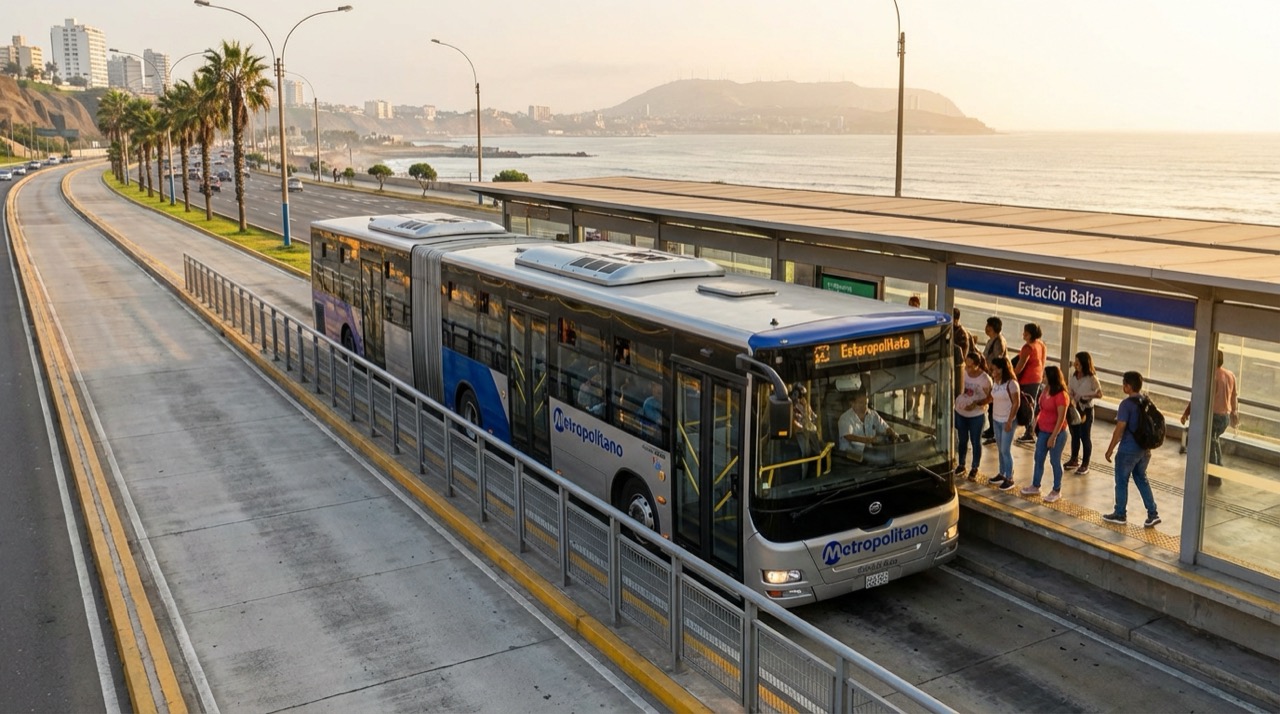
Lima's traffic is legendary. The city was built for 2 million people and now has 10 million. Rush hour (7-10 AM, 5-9 PM) can turn a 20-minute drive into two hours. The Metro Line 1 and Metropolitano BRT are the fastest options for key routes. Taxis and rideshares are cheap but get stuck in the same traffic. Plan your day by district to minimize travel time.
Metropolitano (Bus Rapid Transit)
A dedicated bus lane running north-south from Chorrillos through Miraflores, San Isidro, and up to Independencia. Fast and reliable because it has its own lane separated from traffic. Uses a rechargeable card.
- Buy a tarjeta Metropolitano at any station and load credit. You cannot pay cash on the bus.
- The express service skips stops and is much faster. Check the route display before boarding.
- Very crowded during rush hour. Guard your belongings.
- Useful for getting from Miraflores to the Centro Histórico without sitting in traffic.
Metro Line 1 (Tren Eléctrico)
An elevated metro line running east to the southern suburbs. Less useful for tourists since it does not pass through Miraflores or the center, but connects well if you are heading to Villa El Salvador or the eastern districts.
- Line 2 (underground, connecting the center to Callao) is under construction and should open soon.
- Uses its own rechargeable card, separate from the Metropolitano.
- Fast and modern but limited in coverage for tourist areas.
Taxi & Rideshare
Taxis do not have meters. You must agree on a price before getting in. Rideshare apps (Uber, InDriver, DiDi) are safer and often cheaper because you see the price upfront. Never take an unmarked taxi off the street, especially at night.
- Always negotiate the price before entering a taxi. Ask '¿Cuánto me cobra a [destination]?' (How much to [destination]?).
- Use InDriver or Uber for the safest experience. Both are widely available.
- Airport taxis from Jorge Chávez should be booked at the official booth inside the terminal. Do not accept offers from people approaching you in arrivals.
- A ride from the airport to Miraflores should cost 60-80 soles by official taxi or 35-50 soles by rideshare.
- Traffic between the airport and Miraflores can take 30 minutes or 2 hours depending on the time of day.
Combi / Micro (Local Buses)
Small buses and vans that form the backbone of local transport. Cheap but chaotic. Routes are called out by a 'cobrador' (fare collector) hanging out the door shouting destinations. Not recommended for first-time visitors, but an authentic Lima experience if you are adventurous.
- The cobrador shouts the route from the door. Listen for your destination.
- Pay the cobrador directly in cash. Fares are very cheap (1-2 soles).
- Combis stop anywhere if you wave them down, not just at official stops.
- Keep valuables hidden and stay alert. Petty theft can happen.
- Google Maps does not always have accurate combi routes. Ask locals.
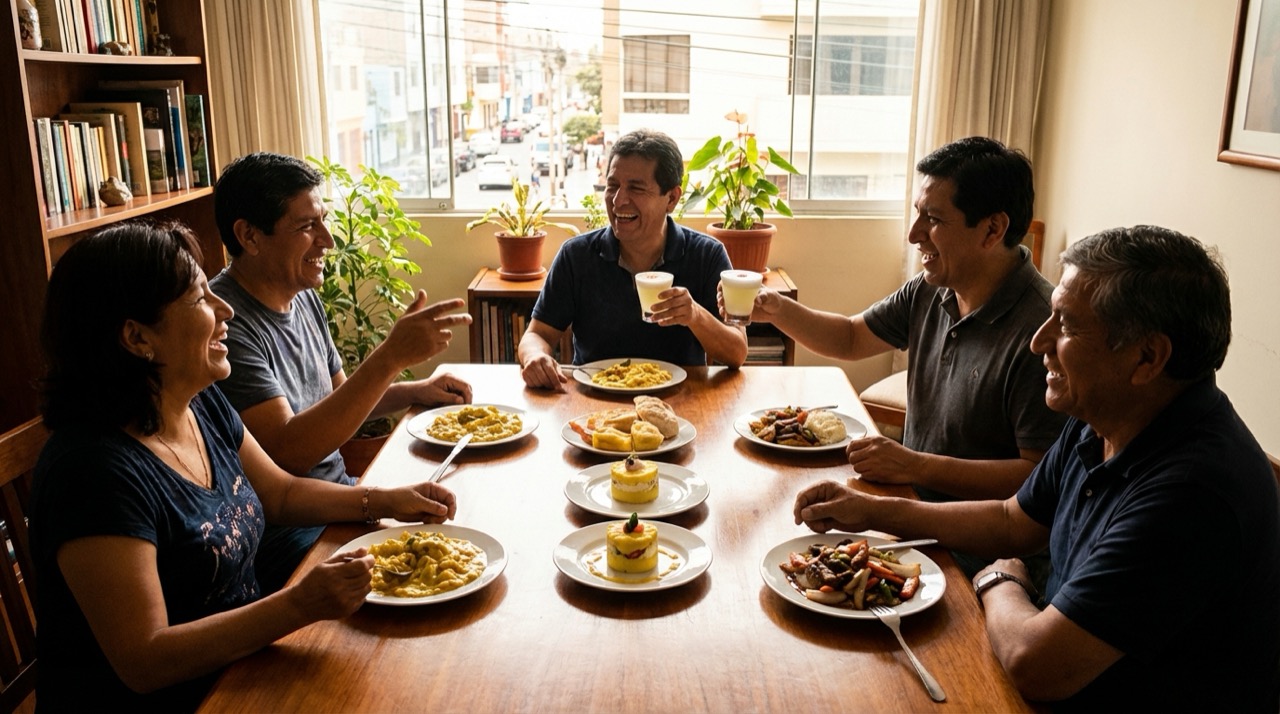
Peruvians are proud, warm, and deeply connected to their food and cultural heritage. Lima's culture blends indigenous, Spanish colonial, African, Chinese, and Japanese influences into something distinct. Social interactions are friendly but somewhat more formal than in neighboring countries. Limeños are proud of their city's gastronomic reputation and will happily debate the best cevichería for hours.
Do
- Try everything on the menu. Peruvians take enormous pride in their cuisine. Showing enthusiasm for the food creates instant connection.
- Learn to say 'salud' (cheers) with conviction. Peruvians drink pisco sour as a pre-meal ritual and toasting is important.
- Ask about regional differences. Peru has three distinct geographical zones (coast, highlands, jungle) each with unique food and traditions. Limeños love explaining them.
- Bargain at markets but not in established shops. Mercado Indio and artisan markets expect negotiation. Start at about 60% of the asking price.
- Use 'buenos días / buenas tardes / buenas noches' when greeting people. It is considered basic politeness.
- Dress neatly for nice restaurants. Lima's food scene is serious and some upscale spots enforce dress codes.
Avoid
- Never say ceviche is from another country. Peruvians are fiercely protective of their claim as the origin of ceviche. This is not a casual topic.
- Do not compare Peruvian food unfavorably to any other cuisine. It is a point of deep national pride.
- Avoid calling all indigenous people 'Incas'. The Inca were a specific empire. Peru has dozens of distinct indigenous groups, many with living cultures and languages.
- Do not eat ceviche for dinner at a traditional cevichería. They close by 4 PM because the fish is a morning catch. Eating ceviche at night suggests it is not fresh.
- Never rush through a meal. Peruvian meals, especially lunch, are social events. Enjoy the conversation.
- Avoid showing impatience visibly. Things move on a relaxed schedule and getting visibly frustrated is seen as rude.
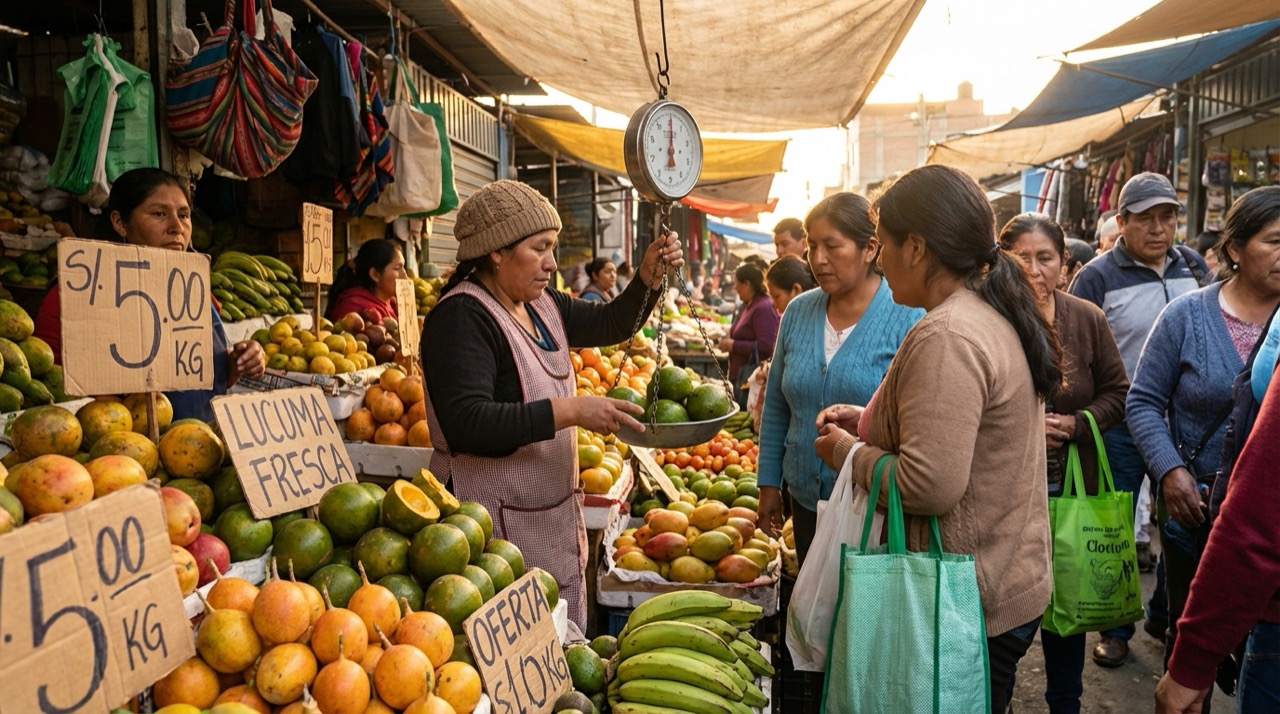
Lima offers incredible value, especially for food. The menú del día (set lunch at local restaurants) is one of the best deals in international travel. Street food is safe and extraordinary. The main budget traps are tourist restaurants in Miraflores charging international prices and taxis that overcharge foreigners. Stay in Miraflores or Barranco for safety and walkability, eat where locals eat, and use rideshare apps.
Typical Prices
Money-Saving Tips
- The menú del día is your best friend. Full lunch (soup, main, drink) for S/8-15 at local restaurants. Look for chalkboard signs saying 'MENU' outside.
- Ceviche is cheapest and freshest at cevicherías in Surquillo market or Chorrillos, not the tourist places in Miraflores.
- Use InDriver and negotiate below the suggested price. Drivers often accept 70-80% of the initial fare.
- Buy a Metropolitano card if you are staying more than a couple of days. It saves time and money compared to taxis.
- Street food vendors selling anticuchos, picarones, and empanadas are safe and extremely cheap. Look for busy carts with high turnover.
- The Mercado de Surquillo is a local market where you can eat incredible food at a fraction of restaurant prices.
- Many museums offer free or discounted entry on certain days. The Museo de la Nación is always free.
- Pisco is much cheaper than imported spirits. A pisco sour at a bar costs S/15-25. The same drink with vodka costs double.
- Water from the tap is not safe to drink. Budget for bottled water or bring a filter bottle.
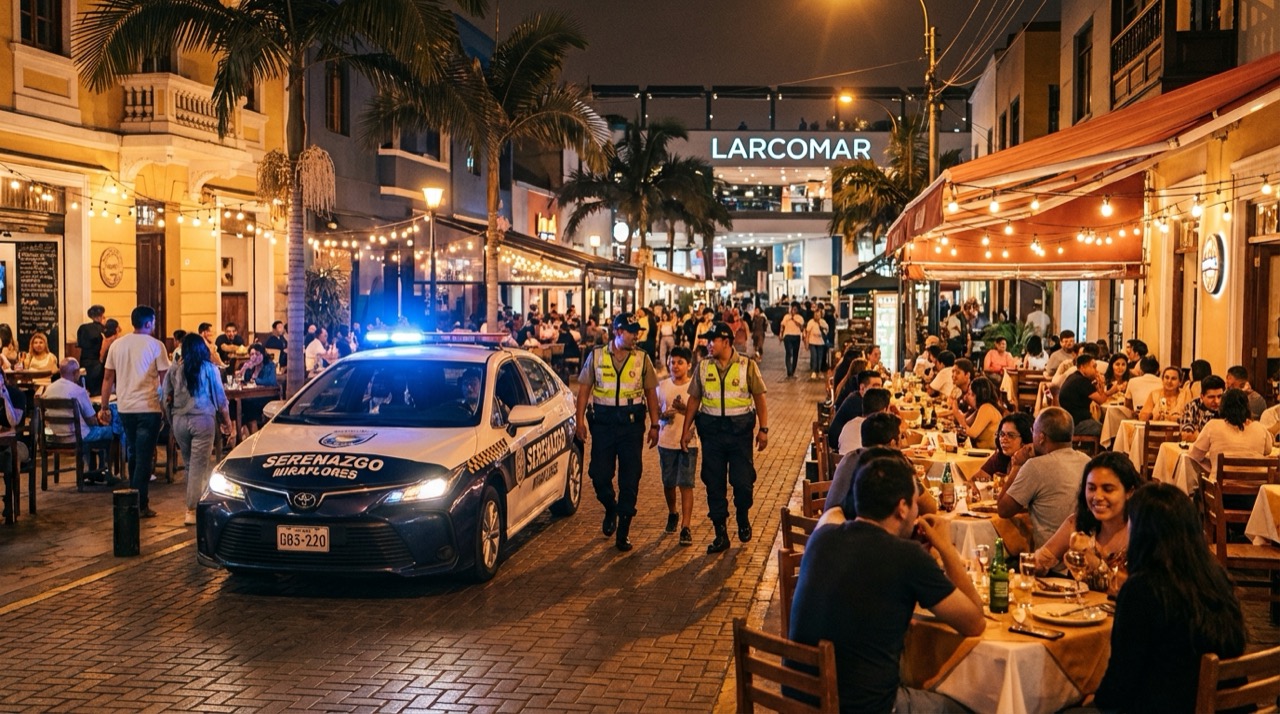
Lima requires more street awareness than some South American capitals. Miraflores, San Isidro, and Barranco are generally safe for tourists day and night. The Centro Histórico is fine during the day but less so after dark. The biggest risks are phone snatching, taxi scams, and petty theft on public transport. Use app-based taxis, avoid displaying valuables, and trust your gut about sketchy situations.
¡Socorro!
Help!
/soh-KOH-rroh/
The Peruvian word for help in an emergency. Louder and more urgent than 'ayuda'. Both work.
Necesito ir a la clínica.
I need to go to the clinic.
/neh-seh-SEE-toh eer ah lah KLEE-nee-kah/
In Peru, 'clínica' refers to a private hospital (better care, English-speaking staff). 'Hospital' usually means the public system. For tourists, private clinics like Clínica Anglo Americana or Clínica Ricardo Palma in Miraflores are recommended.
¡Me han robado!
I've been robbed!
/meh ahn roh-BAH-doh/
Report to the nearest comisaría (police station). For tourists, the Policía de Turismo (tourism police) in Miraflores speaks English and handles visitor cases.
¿Dónde está la comisaría?
Where is the police station?
/DON-deh ehs-TAH lah koh-mee-sah-REE-ah/
Comisaría is the standard police station. The tourism police (Policía de Turismo) at the intersection of Avenida José Larco and Jirón de la Unión in Miraflores is the best option for tourists.
Soy alérgico/a a...
I'm allergic to...
/soy ah-LEHR-hee-koh/kah ah/
Important given Lima's seafood-heavy cuisine. Common allergens: mariscos (shellfish), maní (peanuts), gluten, ají (chili peppers). Restaurants are usually attentive if you explain clearly.
Llame al serenazgo.
Call the serenazgo (municipal security).
/YAH-meh ahl seh-reh-NAHS-goh/
Serenazgo is Lima's municipal security patrol, separate from the police. They patrol tourist areas, respond quickly, and are often more helpful than police for non-violent incidents. Each district has its own serenazgo.
¿Es seguro por aquí?
Is it safe around here?
/ehs seh-GOO-roh por ah-KEE/
Ask your hotel or restaurant staff about safety in specific areas. They will be honest and may even arrange transport for you. Trust their local knowledge.
Tengo un problema con mi estómago.
I have a stomach problem.
/TEN-goh oon proh-BLEH-mah kon mee ehs-TOH-mah-goh/
Altitude sickness is not an issue in Lima (it is at sea level) but stomach issues from new food or water can happen. Pharmacies (boticas/farmacias) sell remedies without prescription.
Community Tips

Ready to learn Spanish for real?
Take these Lima phrases with you. Decko uses spaced repetition to make sure you actually remember them when you need them.
Free forever. No credit card required.