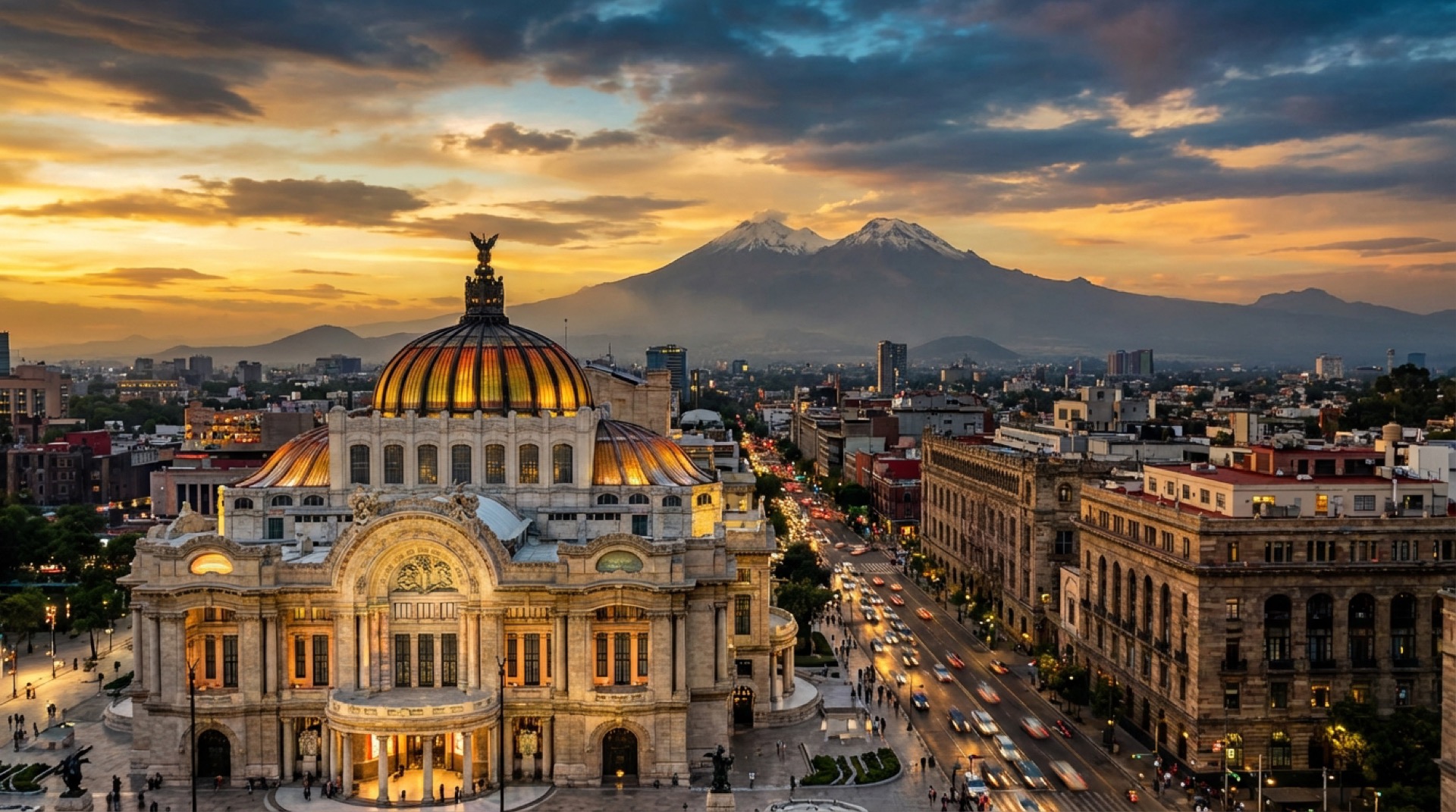
Ciudad de México
Studying Spanish? Decko turns these phrases into smart flashcards that adapt to your memory.
Try free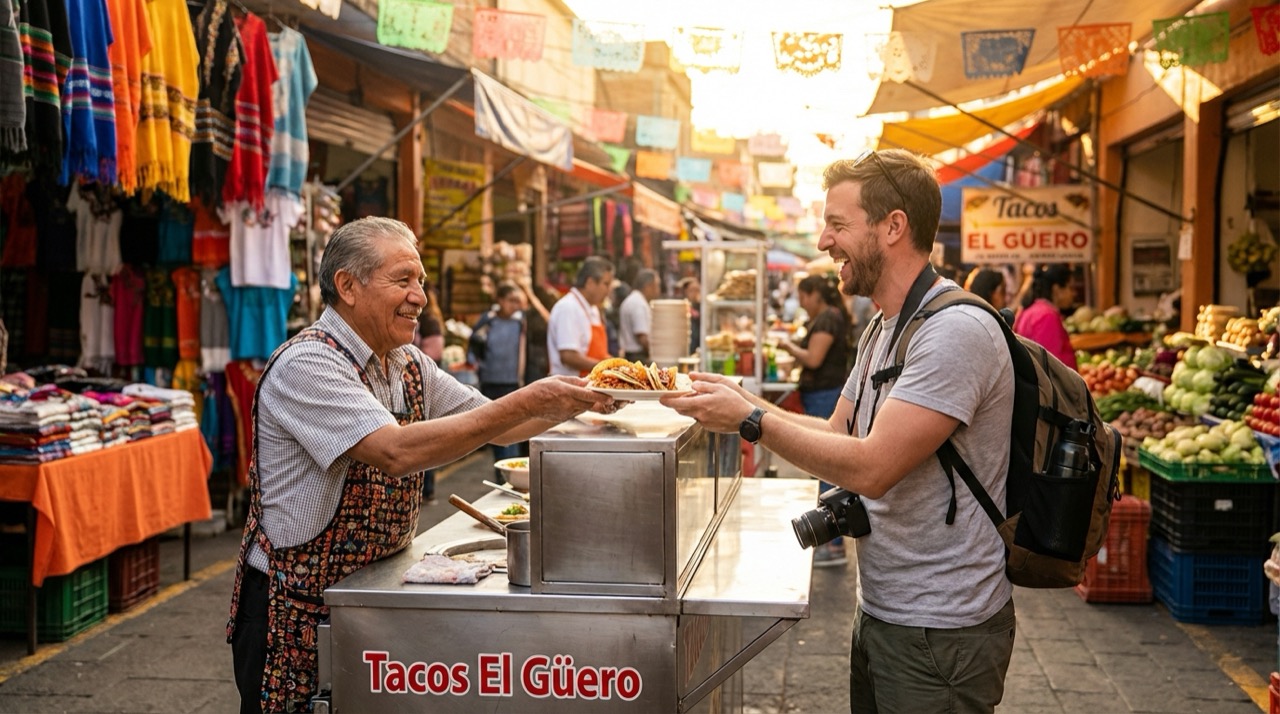
Mexico City is massive and fast-paced, but locals (chilangos) are famously friendly and willing to help. These phrases will get you through your first days navigating the metro, ordering food, and asking for directions. Mexicans appreciate politeness, so always start interactions with a greeting.
Disculpe, ¿me podría ayudar?
Excuse me, could you help me?
/dees-KOOL-peh, meh poh-DREE-ah ah-yoo-DAR/
The polite way to approach anyone. Mexicans respond warmly to courtesy.
¿Dónde queda la estación del metro?
Where is the metro station?
/DOHN-deh KEH-dah lah ehs-tah-SYOHN del MEH-troh/
Essential for getting around. The metro is the cheapest and fastest way to cross the city.
¿Cuánto cuesta?
How much does it cost?
/KWAHN-toh KWEHS-tah/
Use at markets, street stalls, and anywhere without posted prices. Always ask before buying.
La cuenta, por favor.
The check, please.
/lah KWEHN-tah, por fah-VOR/
In Mexican restaurants, the waiter will never bring the check until you ask. This is considered polite, not forgetful.
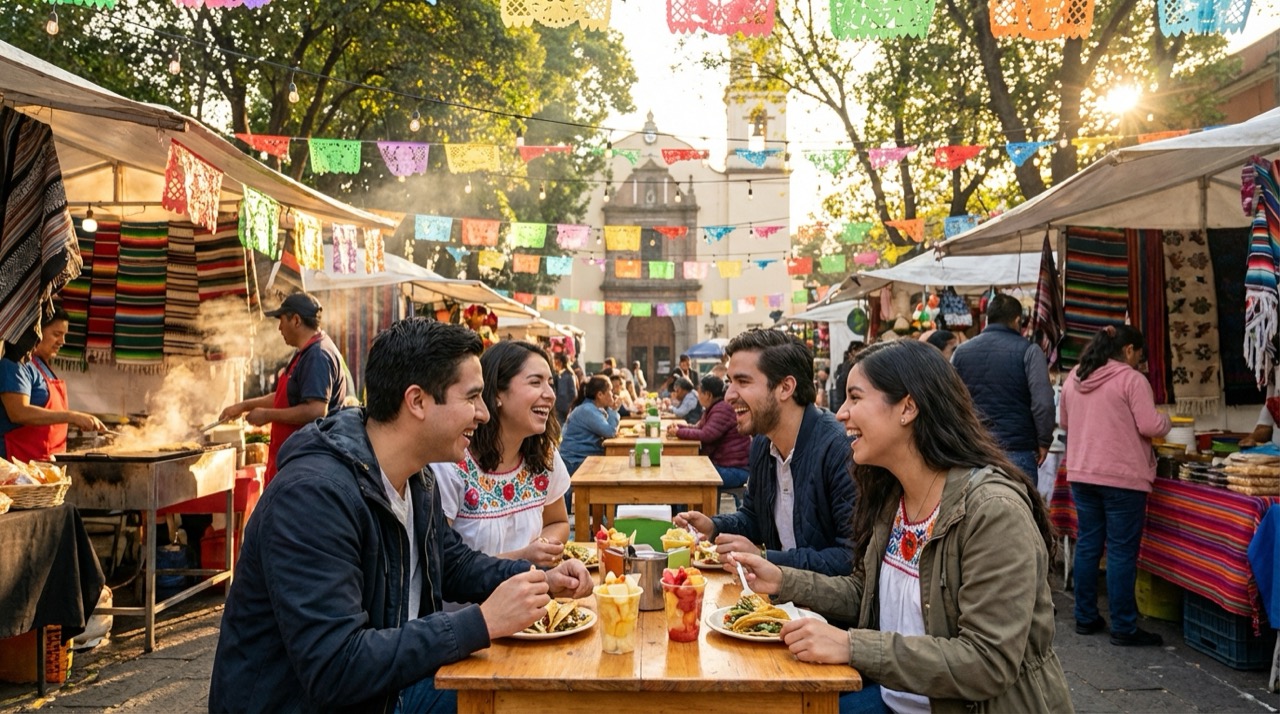
Chilango slang is a world of its own. Mexico City locals have a rich vocabulary of informal expressions that you won't find in textbooks. Learning even a few of these will earn you huge smiles and make conversations feel more natural. Many come from Nahuatl (Aztec) influences or evolved from decades of Mexico City street culture.
¡Qué onda!
What's up! / What's going on!
/keh OHN-dah/
The most common casual greeting in Mexico. Use with friends, peers, and in relaxed settings.
¡No manches!
No way! / You're kidding!
/noh MAHN-chehs/
Expresses surprise or disbelief. The clean version of a stronger expression. Safe to use anywhere.
Está chido
That's cool / awesome
/ehs-TAH CHEE-doh/
Casual compliment for anything you like. 'Chido' is quintessentially chilango.
Neta, ¿en serio?
For real, seriously?
/NEH-tah, ehn SEH-ryoh/
'Neta' means truth or 'for real' in Mexican slang. Very common in everyday speech.
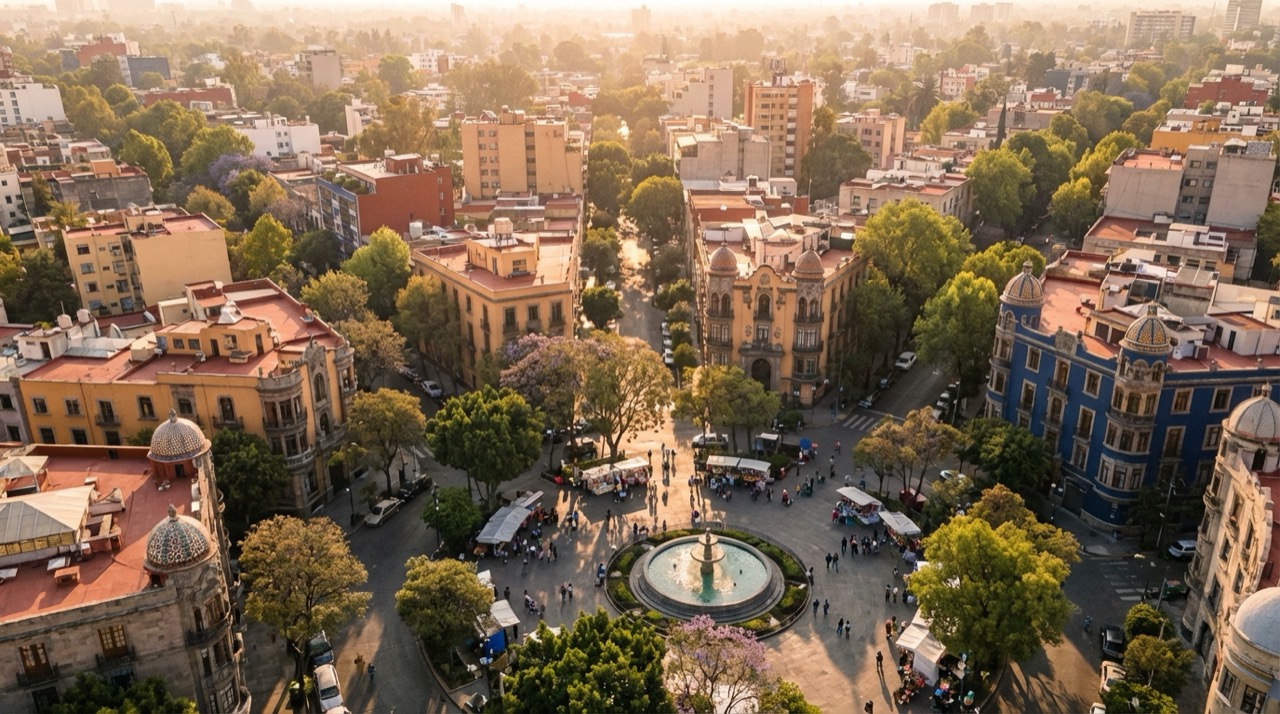
Mexico City is a city of colonias (neighborhoods), each with a distinct personality. From the tree-lined streets of Condesa to the colonial charm of Coyoacán, picking the right neighborhood shapes your entire experience. The city is enormous, so most visitors focus on a cluster of central-south colonias connected by the metro.
Roma / Condesa
The twin hipster neighborhoods of CDMX. Tree-lined streets, Art Deco and Art Nouveau architecture, craft coffee shops, independent bookstores, and some of the best restaurants in Latin America. Parque México is the social heart of Condesa.
Locals say 'la Roma' and 'la Condesa' with the article. 'Nos vemos en la Condesa' means 'See you in Condesa.'
Coyoacán
A former village swallowed by the growing city, Coyoacán retains its colonial charm with cobblestone streets, colorful houses, and two lively plazas. Home to Frida Kahlo's Casa Azul and the best churros in the city at El Moro.
Coyoacán comes from Nahuatl meaning 'place of coyotes.' Many CDMX neighborhood names have Nahuatl origins.
Centro Histórico
The ancient heart of the city, built on top of the Aztec capital Tenochtitlán. The Zócalo (main plaza) is one of the largest public squares in the world. Packed with museums, street food, colonial architecture, and the ruins of the Templo Mayor.
'El Centro' is how locals refer to this area. 'Voy al Centro' means 'I'm going downtown.'
Polanco
The upscale neighborhood known for luxury shopping on Avenida Presidente Masaryk, world-class restaurants (Pujol, Quintonil), and the iconic Museo Soumaya with its distinctive silver facade. Also home to Chapultepec Park, the largest urban park in the Americas.
'Polanco' is sometimes jokingly called 'Gringolandia' because of its international feel. Expect more English speakers here than in other colonias.
Xochimilco
Famous for its ancient canal system and colorful trajineras (flat-bottomed boats). The floating gardens date back to the Aztec chinampas. A festive experience where boats of food, drinks, and mariachi musicians float alongside you.
'Xochimilco' is Nahuatl for 'place where flowers grow.' Pronounce the X as 'sh': sho-chee-MEEL-koh.
Want to actually remember these phrases?
Save them to your flashcard deck and Decko will quiz you at the perfect time using spaced repetition.
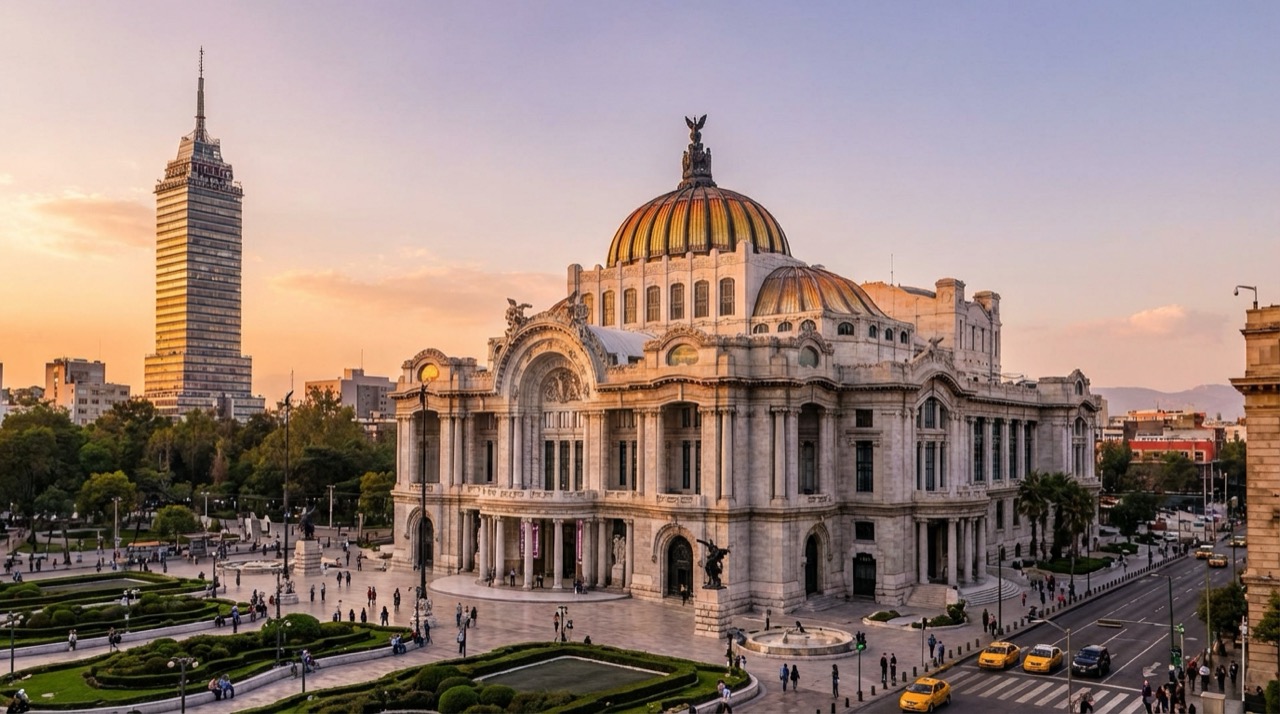
Mexico City has more museums than any other city in the Americas. Beyond museums, you will find ancient Aztec ruins, stunning colonial architecture, and world-class art everywhere. Most major attractions are concentrated in Centro Histórico, Chapultepec, and Coyoacán, making them easy to combine in day trips.
Museo Nacional de Antropología
One of the most important archaeological museums in the world. The iconic Aztec Sun Stone, massive Olmec heads, and recreated Mayan temples make this a must-visit. Budget at least half a day.
Ask for 'el Museo de Antropología' when getting directions. Locals often shorten it to just 'Antropología.'
Casa Azul (Museo Frida Kahlo)
Frida Kahlo's lifelong home in Coyoacán, painted in her signature cobalt blue. See her paintings, personal belongings, the studio where she worked, and the garden she loved. Book tickets online in advance as it sells out quickly.
Say 'Quiero ir a la Casa Azul' (I want to go to Casa Azul). Taxi drivers and locals all know it by this name.
Templo Mayor
The ruins of the main temple of the Aztec capital Tenochtitlán, right in the heart of Centro Histórico next to the cathedral. Discovered by accident in 1978, the site and its museum reveal the layered history beneath modern Mexico City.
'Templo Mayor' means 'Great Temple.' The Aztecs called it 'Huey Teocalli' in Nahuatl. You might hear guides use both names.
Palacio de Bellas Artes
A stunning Art Nouveau and Art Deco palace that serves as Mexico's most important cultural center. Home to murals by Diego Rivera, David Alfaro Siqueiros, and Rufino Tamayo. The building itself is a masterpiece of Carrara marble.
'Bellas Artes' also names the metro station. Say '¿Cómo llego a Bellas Artes?' to ask how to get there.
Castillo de Chapultepec
The only royal castle in the Americas, perched atop Chapultepec Hill. Once home to Emperor Maximilian and later Mexican presidents, it now houses the National History Museum with panoramic views of the city from its terraces.
'Chapultepec' is Nahuatl for 'grasshopper hill.' The park is called 'el Bosque de Chapultepec' (Chapultepec Forest).
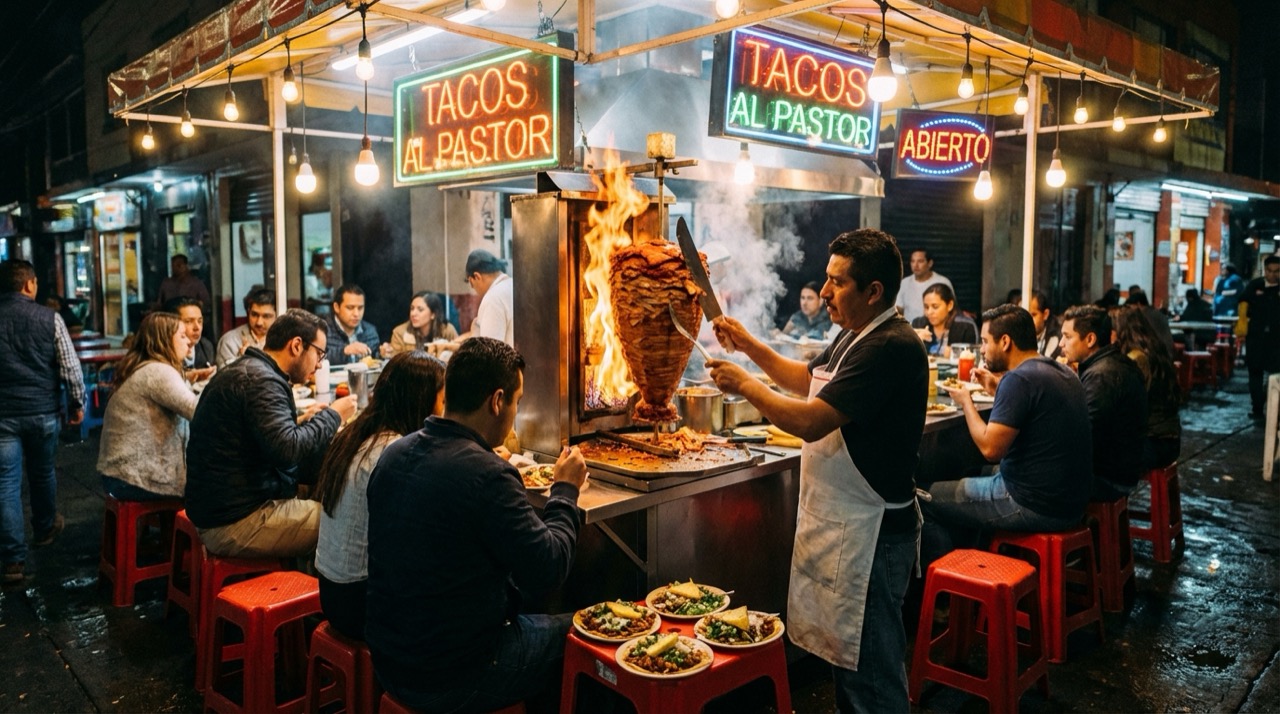
Mexico City is one of the greatest food cities on Earth. Street food is not just cheap, it is often the best food available. From al pastor tacos to tlacoyos to esquites, every corner has something incredible. Ordering is simple once you know the pattern, and taqueros are patient with newcomers. Do not be afraid to point and try things.
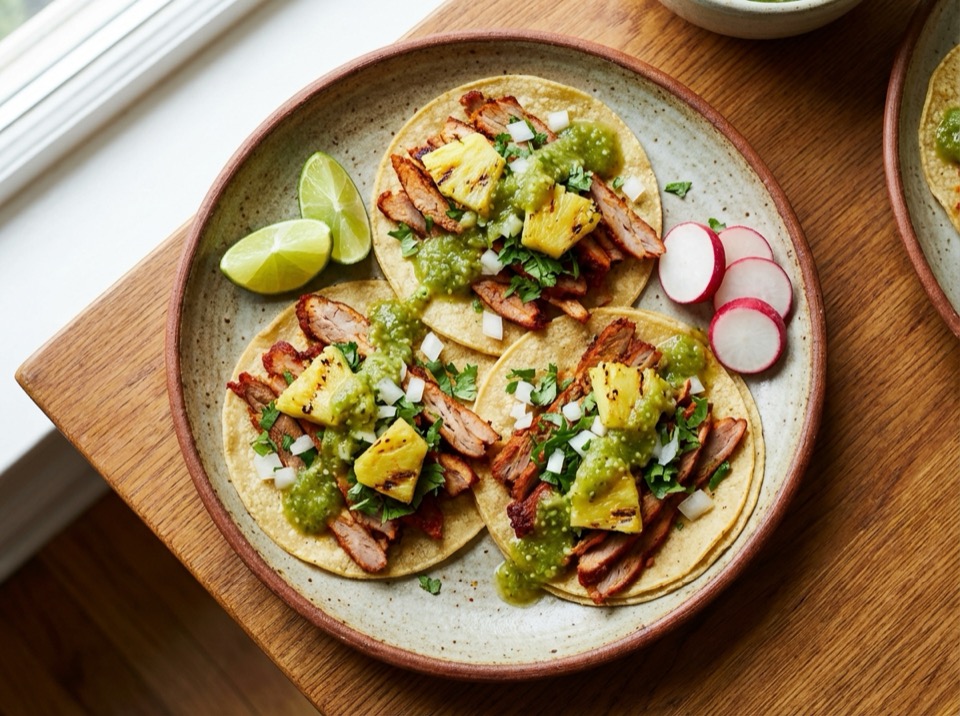
Tacos al Pastor
The iconic CDMX taco: marinated pork cooked on a vertical spit (trompo), sliced thin and topped with pineapple, cilantro, onion, and salsa verde. A Lebanese-Mexican fusion born in Mexico City.
How to order
Me da tres de pastor con todo, por favor. (Give me three pastor tacos with everything, please.) 'Con todo' means with all the toppings. Say 'sin piña' if you don't want pineapple.
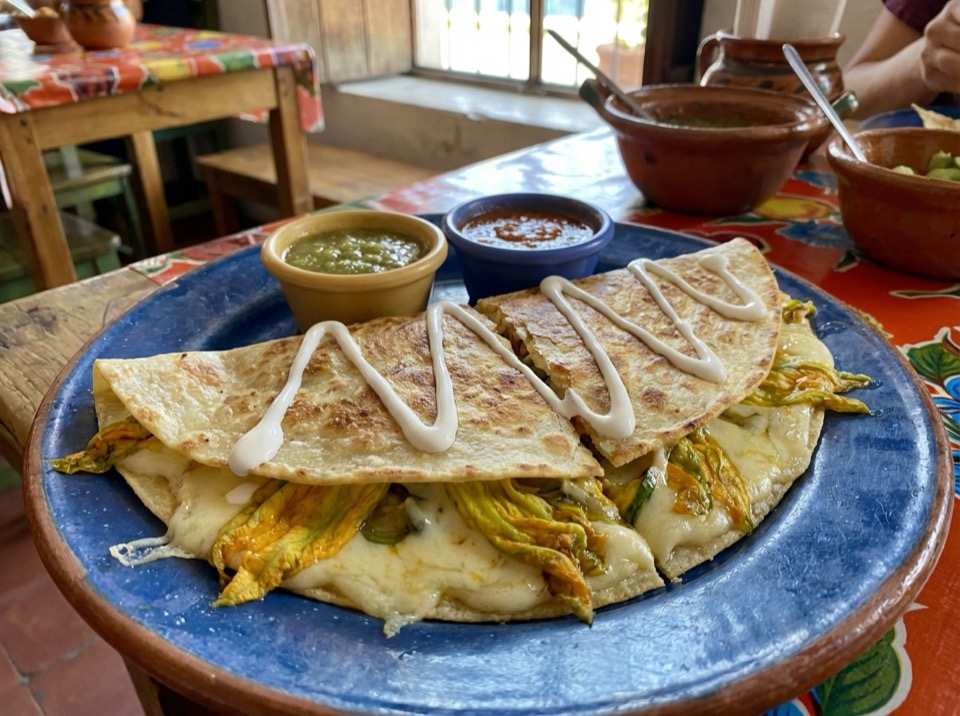
Quesadilla (CDMX style)
In Mexico City, quesadillas may or may not contain cheese, which is a famous source of debate with the rest of Mexico. Fillings include huitlacoche (corn fungus), flor de calabaza (squash blossom), chicharrón prensado, and tinga.
How to order
Una quesadilla de flor de calabaza con queso, por favor. (One squash blossom quesadilla with cheese, please.) In CDMX, always specify 'con queso' if you want cheese inside.
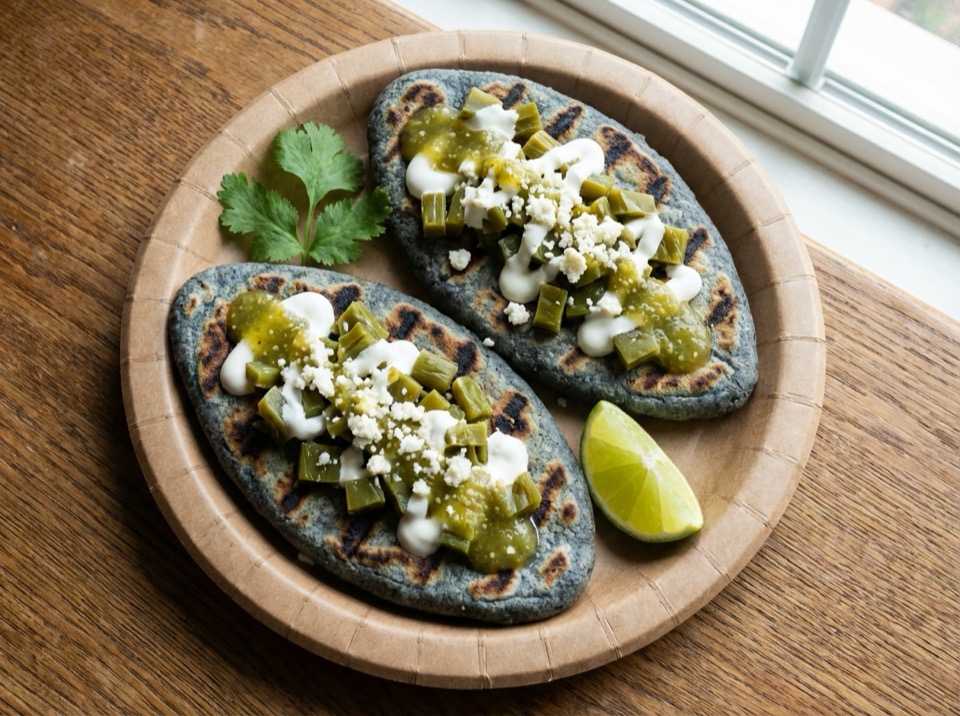
Tlacoyos
Thick, oval-shaped corn masa pockets stuffed with beans, chicharrón, or requesón cheese, then grilled and topped with nopales (cactus), cream, and crumbled cheese. Pre-Hispanic street food at its finest.
How to order
Dos tlacoyos de frijol con todo, por favor. (Two bean tlacoyos with everything, please.) Point at the toppings you want if the vendor has a display.
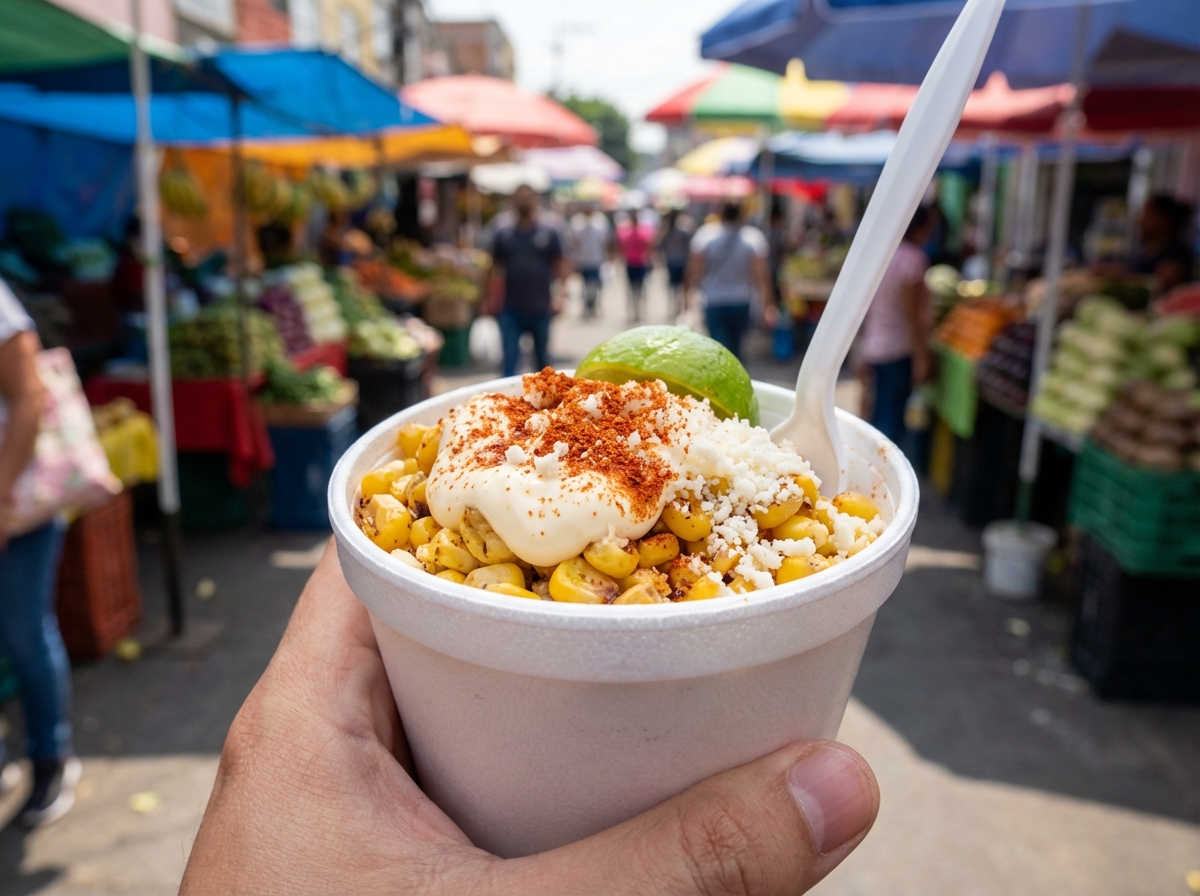
Esquites / Elotes
Mexico's beloved corn snacks. Elotes are corn on the cob slathered with mayo, chile powder, lime, and cheese. Esquites are the same but served in a cup with the kernels cut off. Perfect for walking around.
How to order
Un esquite con todo y mucho limón, por favor. (One esquites with everything and lots of lime, please.) For corn on the cob, say 'un elote' instead.
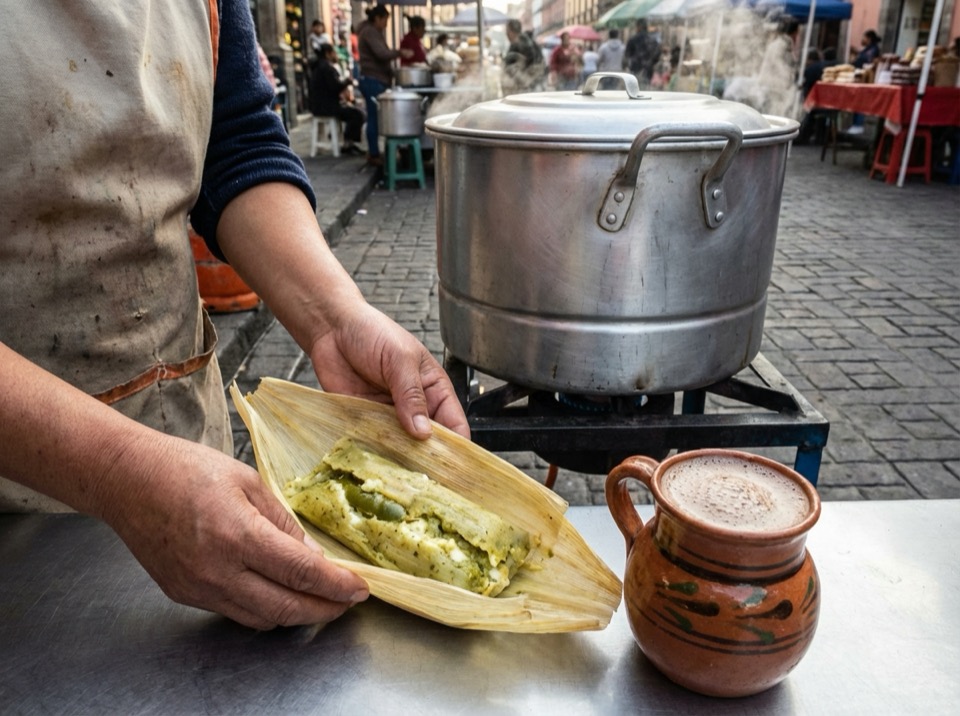
Tamales y Atole
The classic breakfast combo sold from steaming pots on street corners every morning. Tamales come in corn husks (verde, rojo, mole, rajas, dulce) and are often eaten inside a bread roll (torta de tamal, aka 'guajolota').
How to order
Un tamal verde y un champurrado, por favor. (One green tamal and a chocolate atole, please.) Say 'de dulce' for a sweet one or 'de mole' for mole flavor.
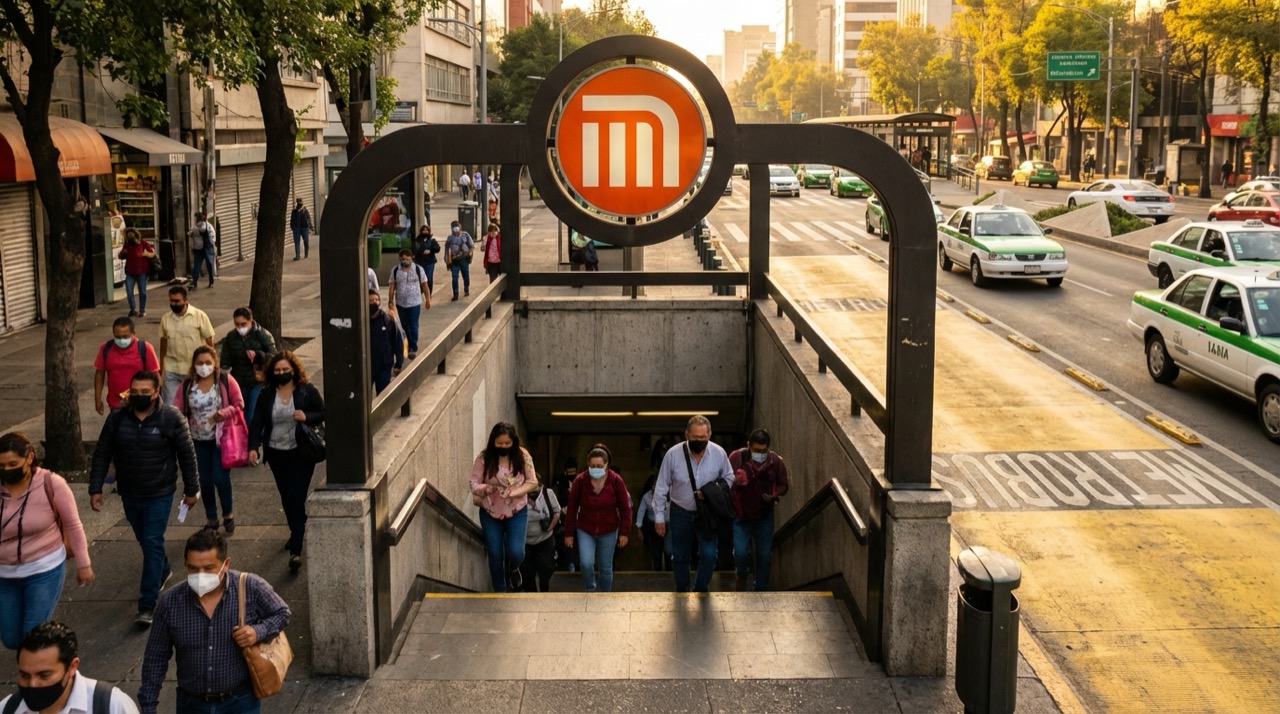
Mexico City is enormous but surprisingly navigable. The metro is world-class and incredibly cheap. Ride-sharing apps work everywhere. Walking is great in the central colonias. The key is avoiding rush hour (7-9 AM and 6-8 PM) when traffic becomes legendary. Many locals combine metro + walking + occasional Uber for the best results.
Metro
One of the largest metro systems in the world with 12 lines covering the central city. Each station has a unique pictographic symbol alongside its name, designed so even non-readers can navigate. Incredibly affordable at 5 pesos per ride (about $0.25 USD).
- Buy a rechargeable metro card at any station to avoid buying individual tickets each time
- Avoid Lines 1, 2, and 3 during rush hour unless you enjoy being compressed like a sardine
- The first cars are reserved for women and children during rush hours
- Keep your phone and wallet in a front pocket, especially on crowded trains
- Metro stations have pictographic symbols that make navigation intuitive even without Spanish
Metrobús
Bus Rapid Transit lines running on dedicated lanes across major avenues. Faster than regular buses and more comfortable. Line 1 runs the full length of Avenida Insurgentes, one of the longest avenues in the world.
- Uses the same rechargeable card as the metro (tarjeta de movilidad integrada)
- Line 1 (Insurgentes) connects many tourist areas from north to south
- Dedicated lanes mean Metrobús often beats taxis and Ubers in traffic
- Stations have platform doors that open when the bus arrives, similar to a train
Uber / DiDi
Ride-sharing is extremely popular and affordable in CDMX. Both Uber and DiDi operate widely. Prices are a fraction of what you would pay in the US or Europe. Always use the app rather than hailing random taxis.
- Both Uber and DiDi work well, but DiDi is often slightly cheaper
- Use 'Llevar ahora' (go now) and double-check the driver's plate number before getting in
- Traffic can make a 5-kilometer ride take 45 minutes during rush hour
- Cash payment is available in the app if you do not have a local card linked
- Airport Uber has a designated pickup area in Terminal 1 and 2
Walking / Ecobici
Central neighborhoods like Roma, Condesa, Centro, and Polanco are very walkable. Ecobici is the city's bike-sharing system with stations every few blocks in the central zone. Great for short trips during non-rush hours.
- Ecobici requires a subscription (daily, weekly, or annual) through their app
- Stick to bike lanes on major avenues like Reforma; side streets can be unpredictable
- Walking between Roma, Condesa, and the Centro is very pleasant and scenic
- Be aware of uneven sidewalks and watch your step, especially at night
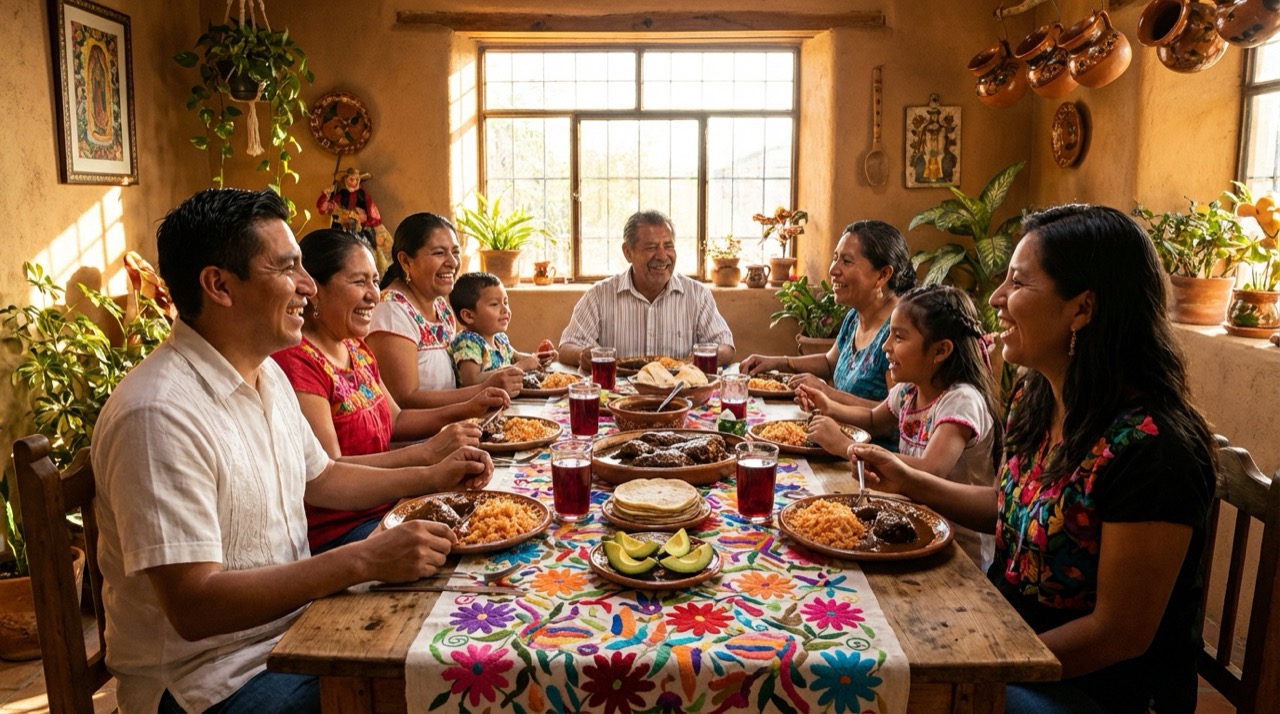
Mexican culture runs deep and is built on warmth, hospitality, and strong social bonds. Understanding local customs will transform your experience from tourist to welcome guest. Mexicans are among the most hospitable people in the world, but they also have unspoken social codes that are worth knowing.
Do
- Greet everyone when entering a room, even strangers at a waiting room or small shop. A simple 'buenos días' goes a long way.
- Accept food and drink when offered. Declining can be seen as cold or rude, even if you just take a small taste.
- Be patient with time. 'Ahorita' (right now) can mean anything from five minutes to never. Mexican time is flexible and that is okay.
- Use 'usted' (formal you) with older people, authority figures, and in professional settings. Switch to 'tú' only when invited.
- Learn to appreciate the long comida (midday meal, 2-4 PM). It is the main meal of the day and a social ritual, not just eating.
- Tip 10-15% at restaurants. At taco stands and street food, tipping is not expected but rounding up is appreciated.
- Say 'provecho' (enjoy your meal) when passing people who are eating. It is the Mexican equivalent of 'bon appétit' and is used by everyone.
Avoid
- Do not compare Mexico to the United States. Mexicans are proud of their culture and history.
- Do not refuse a handshake or cheek kiss (one kiss on the right cheek between men and women, or women and women). It is a standard greeting.
- Do not be loud or aggressive in disagreements. Mexicans value indirect communication and harmony. Raising your voice is seen as very rude.
- Do not make jokes about narcos, violence, or corruption unless you know someone very well. These are sensitive topics.
- Do not assume everyone speaks English. Learn basic Spanish and attempt it first; locals deeply appreciate the effort.
- Do not eat tacos with a fork and knife. Use your hands, pick up the taco, tilt your head, and eat over the plate.
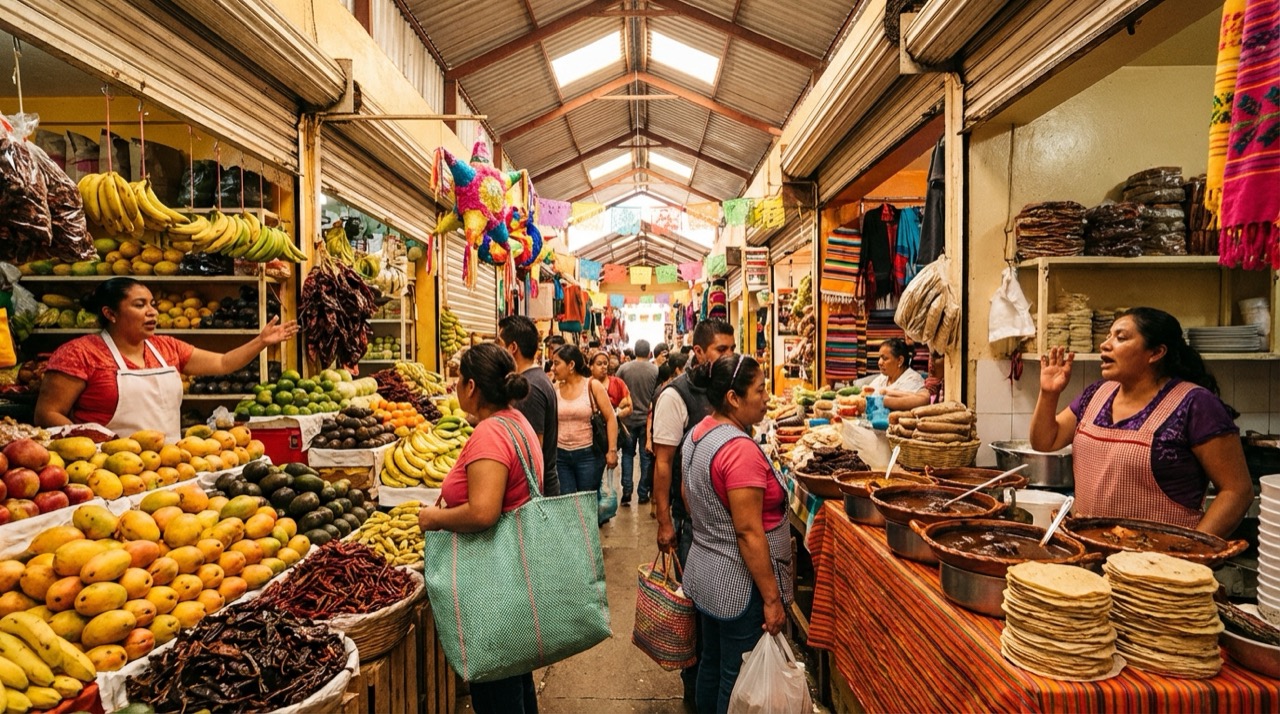
Mexico City is one of the best value destinations in the world for travelers. You can eat incredible food, visit world-class museums, and explore endlessly without breaking the bank. The key is eating where locals eat, using public transport, and taking advantage of free museum days.
Typical Prices
Money-Saving Tips
- Eat at fondas and mercados (markets) for the best food at the lowest prices. A full comida corrida with soup, main course, drink, and dessert costs $70-120 MXN.
- Most major museums are free on Sundays. The Anthropology Museum, Templo Mayor, and Bellas Artes all participate.
- Use the metro and Metrobús instead of taxis. A metro ride costs $5 MXN regardless of distance.
- Buy groceries and snacks at Oxxo (convenience stores on every block) or local mercados rather than tourist shops.
- Street food is not just cheap, it is genuinely the best food in the city. Taco stands with long local lines are your quality indicator.
- Negotiate prices at artisan markets (like Ciudadela or La Lagunilla) but never at food stalls or established shops.
- Chapultepec Park, the historic center, Coyoacán's plazas, and UNAM's campus are all free to explore and stunning.
- Download the CDMX Metrobús app for real-time bus tracking and route planning.
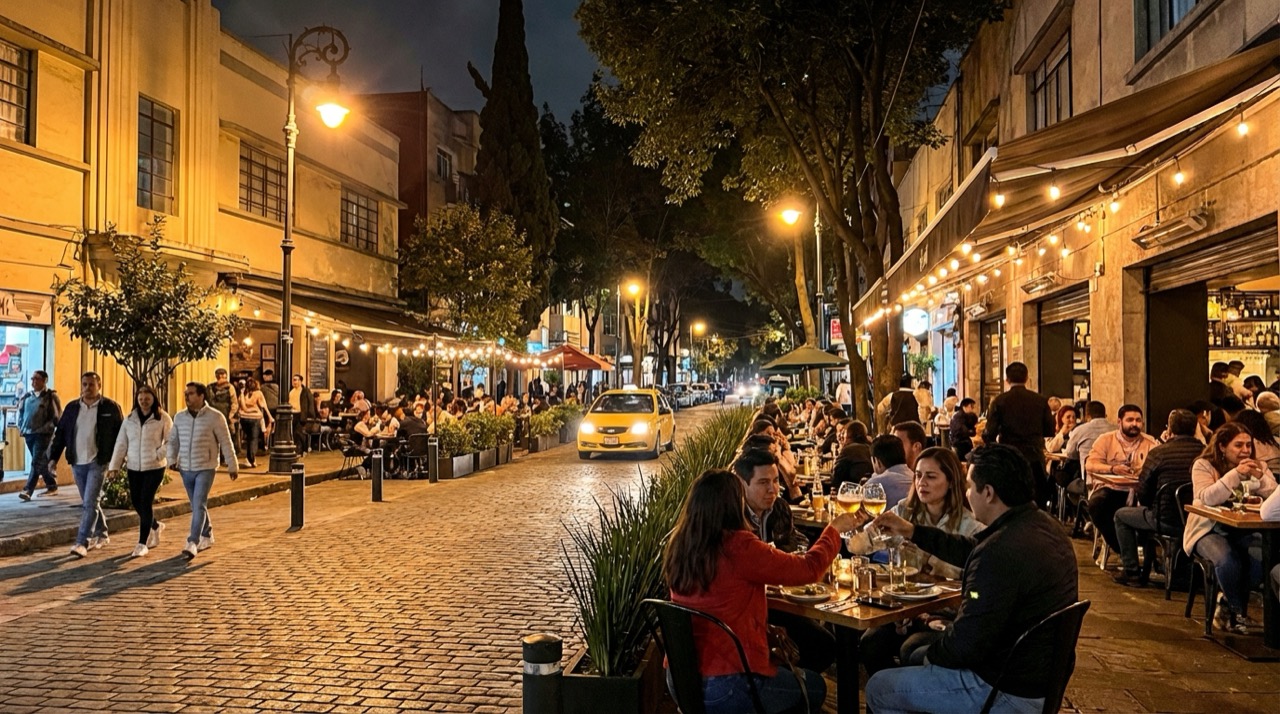
Mexico City is generally safe for tourists in the central and southern neighborhoods. Like any major global city, common sense applies: stay aware of your surroundings, avoid flashing expensive items, and use ride-sharing apps instead of hailing street taxis at night. Having safety phrases ready gives you confidence in any situation.
¡Ayuda! Necesito ayuda
Help! I need help
/ah-YOO-dah! neh-seh-SEE-toh ah-YOO-dah/
In an emergency, shout clearly. Mexicans will come to help. You can also call 911, which works in Mexico City.
Llame a la policía, por favor
Call the police, please
/YAH-meh ah lah poh-lee-SEE-ah, por fah-VOR/
For non-emergency police, the tourist police ('policía turística') in Centro and Polanco speak some English.
Necesito ir al hospital
I need to go to the hospital
/neh-seh-SEE-toh eer ahl ohs-pee-TAHL/
Private hospitals like Hospital ABC and Hospital Ángeles offer high-quality care. Public hospitals (IMSS) handle emergencies.
Me robaron la cartera
They stole my wallet
/meh roh-BAH-rohn lah kar-TEH-rah/
Report theft to the Ministerio Público. Your hotel can help you navigate the process.
No me siento bien, ¿hay una farmacia cerca?
I don't feel well, is there a pharmacy nearby?
/noh meh SYEHN-toh byehn, eye OO-nah far-MAH-syah SEHR-kah/
Farmacias Similares and Farmacias del Ahorro are on every block. Many medications that require prescriptions elsewhere are available over the counter.
Soy alérgico/alérgica a...
I'm allergic to...
/soy ah-LEHR-hee-koh / ah-LEHR-hee-kah ah/
Use the masculine form (alérgico) if you are male, feminine (alérgica) if female. Common allergens: maní (peanuts), mariscos (shellfish), gluten.
¿Es seguro caminar por aquí de noche?
Is it safe to walk around here at night?
/ehs seh-GOO-roh kah-mee-NAR por ah-KEE deh NOH-cheh/
Ask your hotel or restaurant staff. They know the neighborhood and will give honest advice about which streets to avoid.
Mi embajada está en...
My embassy is at...
/mee ehm-bah-HAH-dah ehs-TAH ehn/
Know your embassy location and emergency number before traveling. Most embassies are in Polanco or Lomas de Chapultepec.
Community Tips

Ready to learn Spanish for real?
Take these Ciudad de México phrases with you. Decko uses spaced repetition to make sure you actually remember them when you need them.
Free forever. No credit card required.