Cancún
Studying Spanish? Decko turns these phrases into smart flashcards that adapt to your memory.
Try free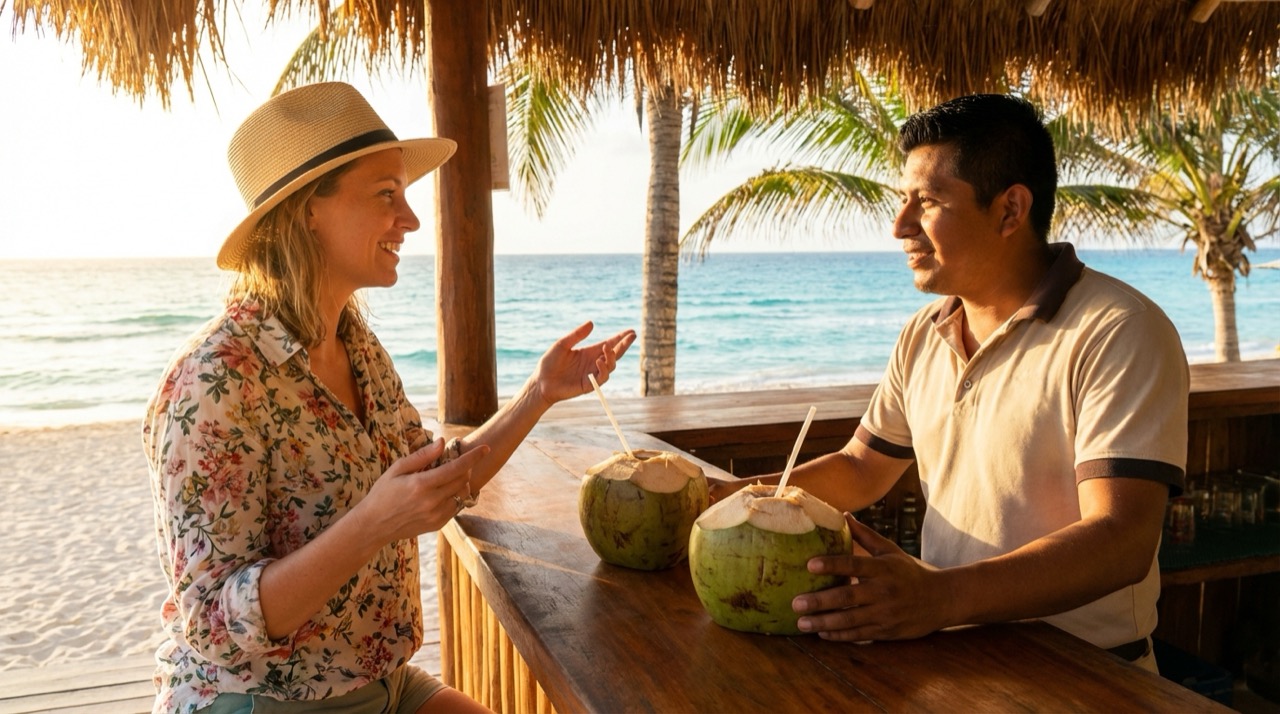
Cancún's Hotel Zone is very English-friendly, but stepping into downtown Cancún or venturing to nearby towns like Valladolid and Tulum changes things quickly. Speaking even basic Spanish earns you better prices, warmer interactions, and access to the real Yucatan beyond the resorts. Locals appreciate the effort enormously.
¿Dónde está la playa pública?
Where is the public beach?
/DOHN-deh ehs-TAH lah PLAH-yah POO-blee-kah/
All beaches in Mexico are public by law. Hotels cannot block access. Ask for 'playa pública' access points.
¿A qué hora sale la lancha?
What time does the boat leave?
/ah keh OH-rah SAH-leh lah LAHN-chah/
Essential for ferry trips to Isla Mujeres or boat tours. 'Lancha' is used for smaller boats, 'ferry' for larger ones.
Necesito bloqueador solar
I need sunscreen
/neh-seh-SEE-toh bloh-keh-ah-DOR soh-LAR/
The Yucatan sun is intense. Many cenotes and eco-parks require biodegradable sunscreen. Look for 'biodegradable' on the label.
¿Cuánto cuesta la entrada?
How much is the entrance fee?
/KWAHN-toh KWEHS-tah lah ehn-TRAH-dah/
Used at ruins, cenotes, eco-parks, and attractions. Prices for foreigners are sometimes higher than for Mexican nationals.
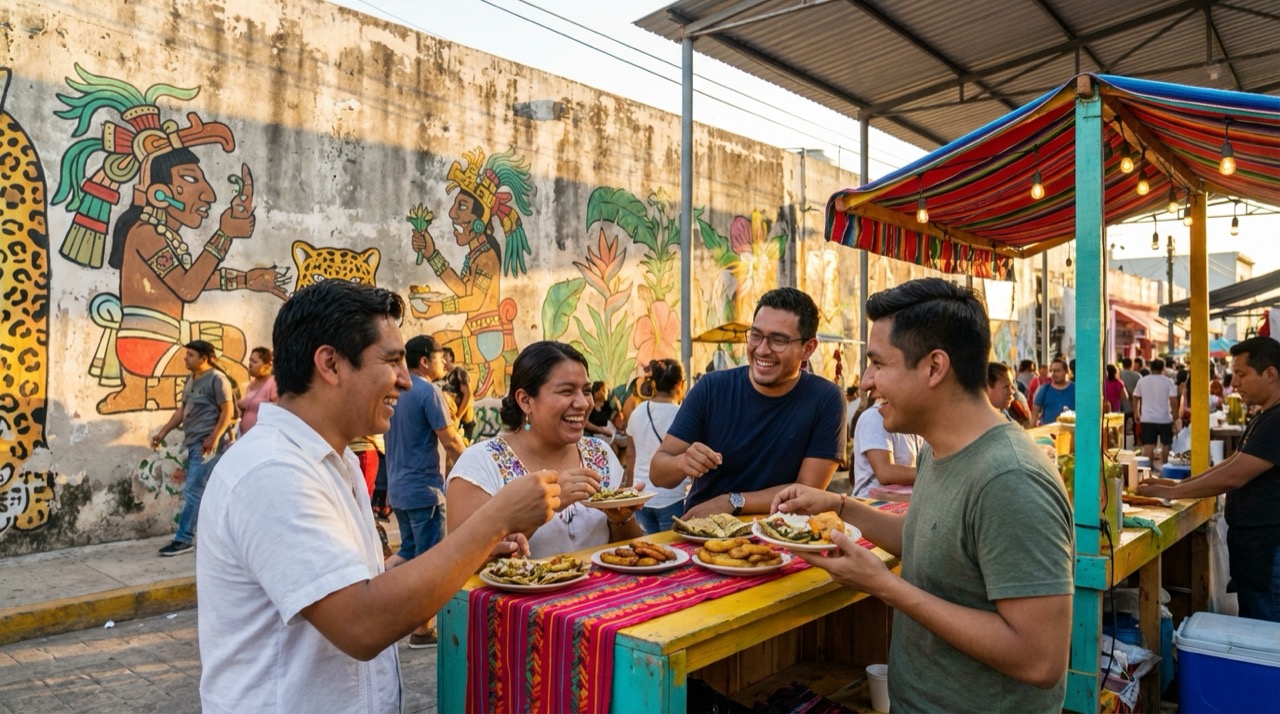
Yucatecan Spanish has a distinctive sound and vocabulary shaped by centuries of Mayan influence. The accent is softer and more melodic than central Mexican Spanish, with unique words borrowed from Yucatec Maya. Even other Mexicans notice the difference immediately. Learning a few Yucatecan expressions shows cultural respect and will delight locals.
¡Bombas!
A Yucatecan joke/riddle told during jarana dances
/BOHM-bahs/
At traditional Yucatecan parties, someone shouts '¡Bomba!' and tells a short funny verse. It is a beloved regional tradition.
Loch
To hold or hug (from Mayan)
/lohch/
A Mayan word commonly used in Yucatecan Spanish. 'Lóchame eso' means 'hold that for me.'
Wixar
To urinate (from Mayan)
/wee-SHAR/
Very common in casual Yucatecan speech. Comes directly from Yucatec Maya. You will hear it instead of the standard 'orinar.'
¡Macach!
No way! / Absolutely not!
/mah-KAHCH/
Mayan-origin word for a firm refusal. Heard frequently in the Yucatan peninsula.
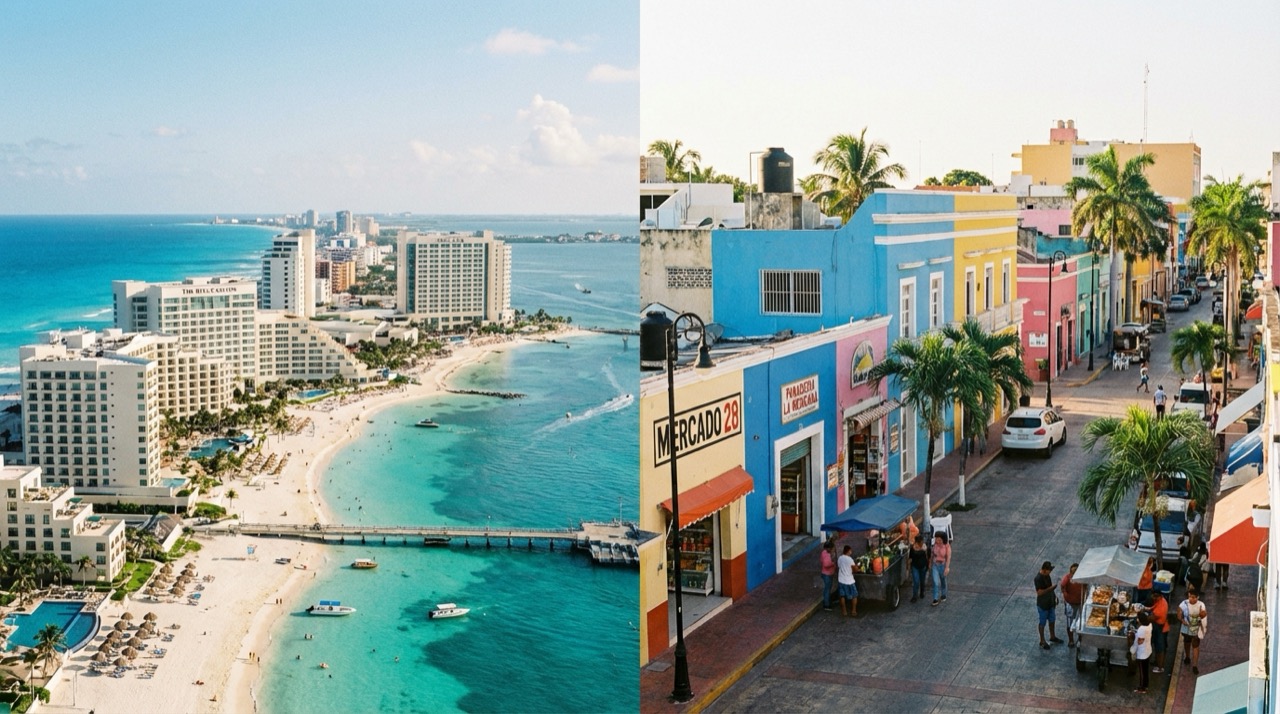
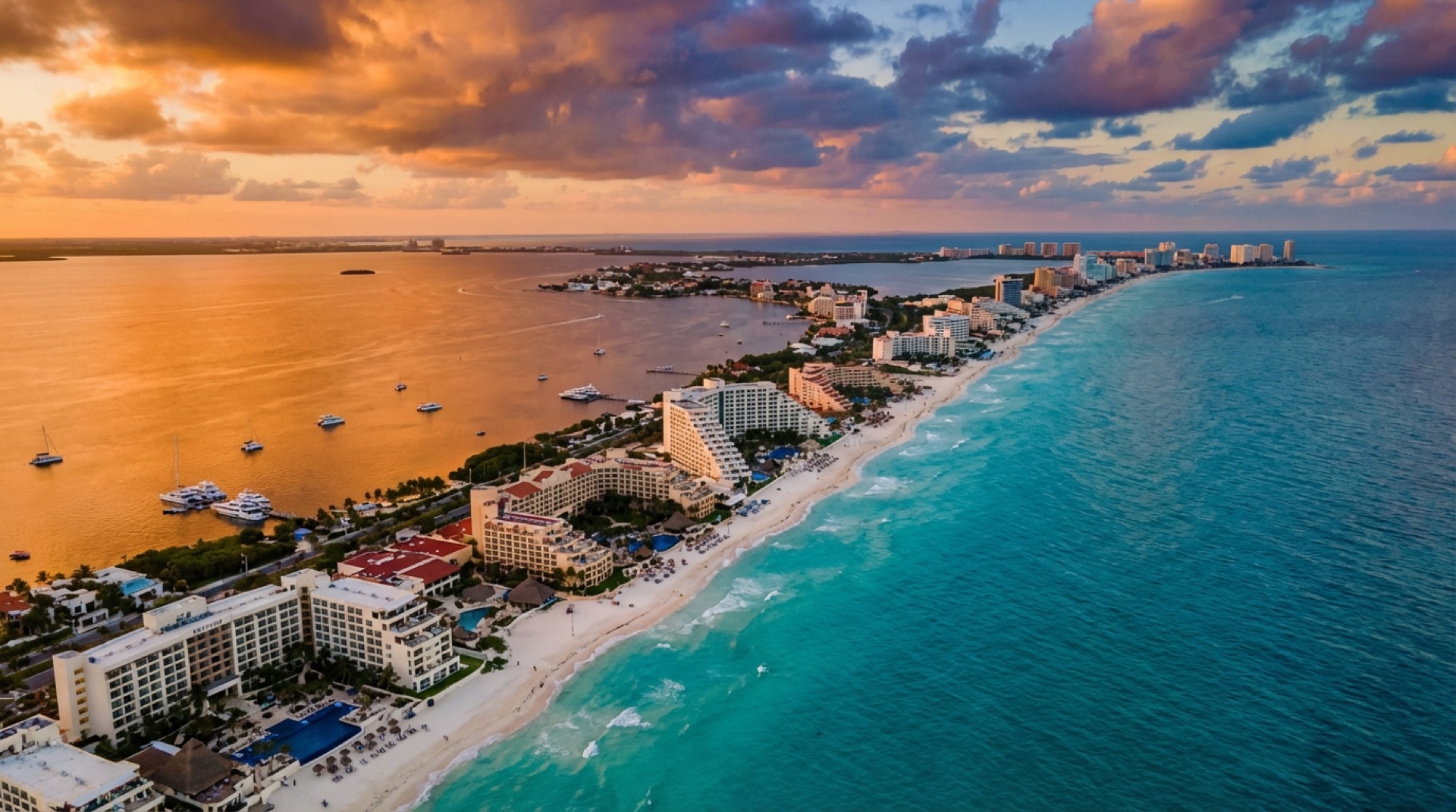
Cancún is really two cities. The Hotel Zone (Zona Hotelera) is a 25-kilometer strip of resorts, malls, and nightclubs on a narrow island connected by bridges. Downtown Cancún (El Centro) is where locals live and work, with authentic food, lower prices, and real Mexican culture. The best trip combines both worlds, and nearby towns offer even more depth.
Zona Hotelera (Hotel Zone)
The iconic strip of beach resorts, shopping malls, and nightclubs stretching along a narrow barrier island shaped like the number 7. Home to Cancún's famous white sand beaches, international restaurants, and the party scene at Coco Bongo and The City.
Locals call it 'la Zona Hotelera' or just 'la Zona.' Everything is identified by its kilometer marker: 'Estoy en el kilómetro 9' (I'm at kilometer 9).
El Centro (Downtown)
The real Cancún where locals live. Parque de las Palapas is the social hub with food stalls, live music, and families out for evening strolls. Mercado 28 is the go-to for souvenirs and local food. Prices are a fraction of the Hotel Zone.
'El Centro' in Cancún means downtown, not the Hotel Zone. If a taxi driver asks where, say 'al Centro, al Parque de las Palapas' to be specific.
Puerto Morelos
A quiet fishing village 30 minutes south of Cancún that has resisted overdevelopment. Known for its leaning lighthouse, excellent seafood restaurants on the town square, and a coral reef just offshore that is part of the Mesoamerican Barrier Reef system.
Locals shorten it to just 'Puerto.' 'Vamos a Puerto' means 'Let's go to Puerto Morelos.'
Isla Mujeres
A small island just a 20-minute ferry ride from Cancún with a completely different vibe. Golf carts instead of cars, Playa Norte (consistently ranked among the best beaches in the world), incredible snorkeling at the underwater museum MUSA, and a laid-back fisherman's village feel.
'Isla Mujeres' means 'Island of Women.' Named by Spanish explorers who found Mayan goddess statues on the island. Say 'Isla Moo-HEH-rehs.'
Playa del Carmen
An hour south of Cancún on the Riviera Maya, Playa has grown from a small village into a vibrant town. La Quinta Avenida (5th Avenue) is a pedestrian-only street lined with shops, restaurants, and bars. More walkable and less resort-centric than Cancún.
Everyone calls it just 'Playa.' 'Voy a Playa' is all you need. 'Playenses' is what locals call themselves.
Want to actually remember these phrases?
Save them to your flashcard deck and Decko will quiz you at the perfect time using spaced repetition.

Cancún is the gateway to one of the richest archaeological regions in the world. The ancient Maya civilization left behind pyramids, observatories, and cities that are now UNESCO World Heritage Sites. Between the ruins, you will find natural sinkholes (cenotes) that are unique to the Yucatan peninsula. Plan day trips to combine ruins, cenotes, and colonial towns.
Chichén Itzá
One of the New Seven Wonders of the World. The pyramid of Kukulkán is an astronomical marvel: during the spring and fall equinoxes, shadows create the illusion of a serpent descending the staircase. Arrive early (8 AM opening) to beat both the crowds and the brutal heat.
Pronounce it 'chee-CHEHN eet-SAH.' The name is Mayan meaning 'at the mouth of the well of the Itza people.' Hire a local guide for the full history.
Cenotes (Ik Kil, Suytún, Cenote Azul)
Natural limestone sinkholes filled with crystal-clear freshwater. The Yucatan has over 6,000 cenotes, sacred to the Maya as entrances to the underworld (Xibalba). Swimming in a cenote is an unforgettable experience. Some are open-air, others are caves with stalactites.
'Cenote' comes from the Mayan word 'ts'onot.' Pronounce it 'seh-NOH-teh.' Ask '¿Cuáles cenotes me recomienda?' (Which cenotes do you recommend?).
Tulum Ruins
The only major Mayan ruins built on a cliff overlooking the Caribbean Sea. The postcard-perfect view of El Castillo perched above turquoise waters is iconic. Smaller than Chichén Itzá but the setting is unmatched. You can swim on the beach below the ruins.
'Tulum' means 'wall' in Mayan, referring to the fortified walls surrounding the city. It was originally called 'Zamá' meaning 'dawn.'
Museo Subacuático de Arte (MUSA)
An underwater sculpture museum with over 500 life-size statues submerged in the sea near Isla Mujeres. Created to promote coral reef growth and divert divers away from natural reefs. Accessible by snorkeling or scuba diving.
Say 'el museo submarino' or 'MUSA' and any tour operator will know what you mean. '¿Tienen tours al museo submarino?' (Do you have tours to the underwater museum?).
Isla Contoy
A tiny uninhabited island and national park north of Isla Mujeres. Only 200 visitors are allowed per day, making it pristine and uncrowded. White sand beaches, bird-watching (over 170 species), and incredible snorkeling on the reef. Day trips leave from Isla Mujeres.
'Contoy' is pronounced 'kohn-TOY.' Ask '¿Cómo puedo visitar Isla Contoy?' (How can I visit Isla Contoy?) at your hotel or in Isla Mujeres.
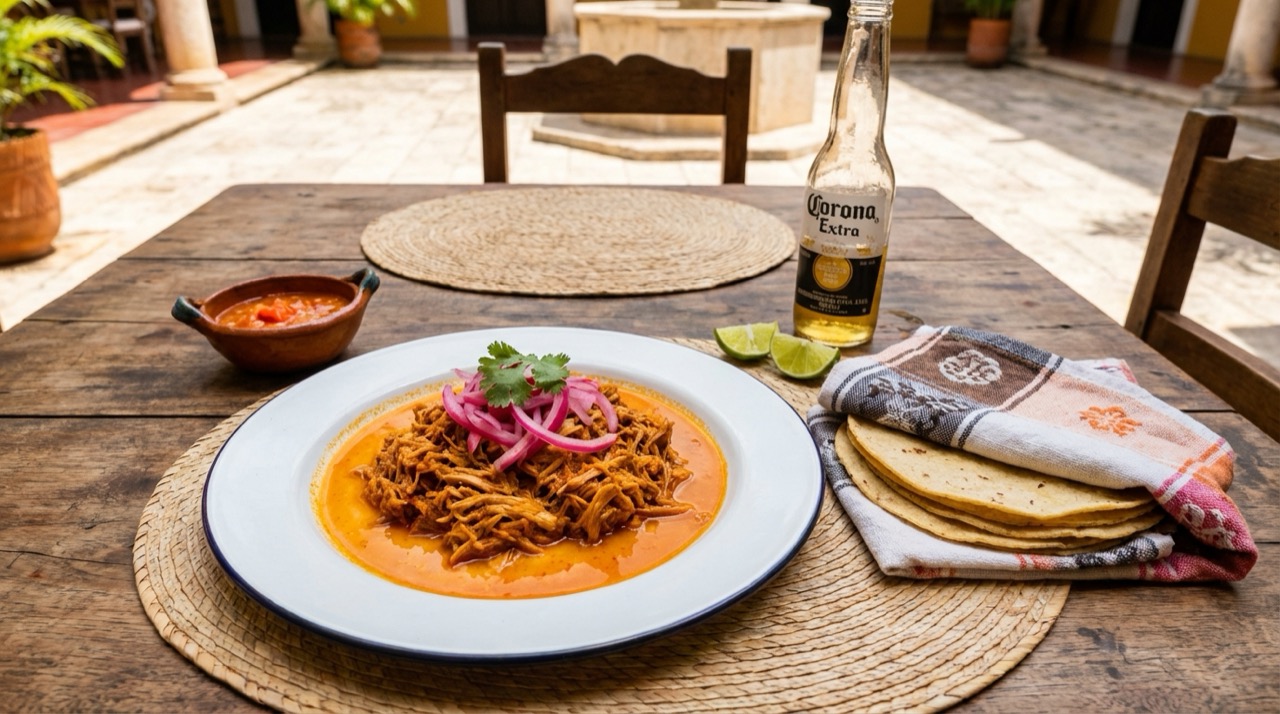
Yucatecan cuisine is one of Mexico's most distinctive regional cuisines, shaped by Mayan, Spanish, Caribbean, and Lebanese influences. The flavors are different from what most people think of as 'Mexican food.' Achiote (annatto), habanero peppers, sour oranges, and recados (spice pastes) define the taste. Do not leave without trying cochinita pibil. In the Hotel Zone, seek out places run by Yucatecan families for authentic food.
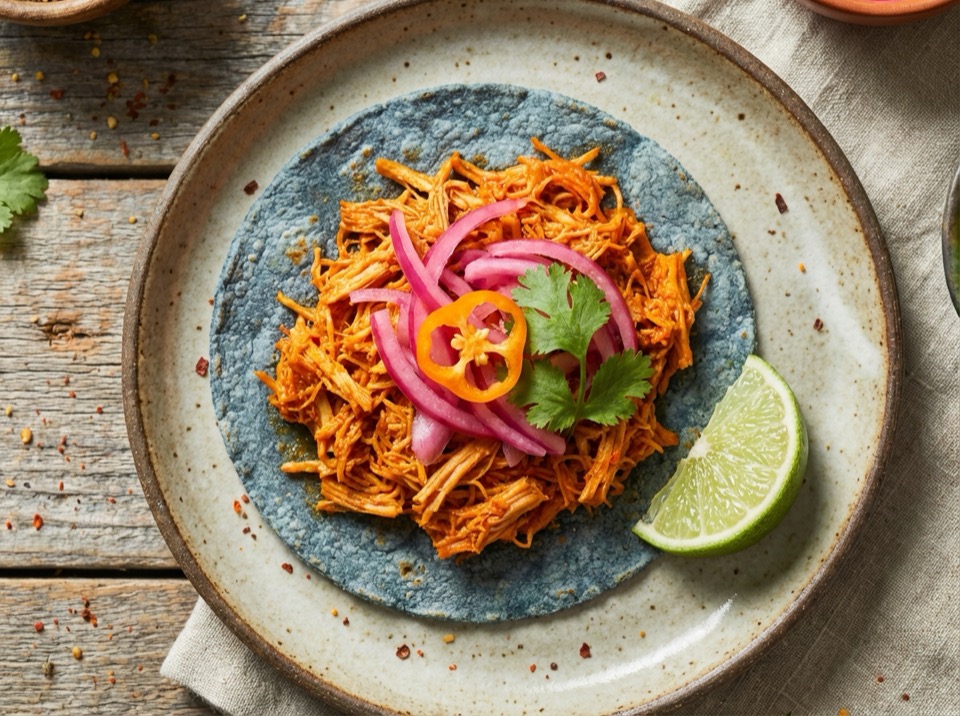
Cochinita Pibil
The signature dish of the Yucatan: pork marinated in achiote and sour orange juice, wrapped in banana leaves, and slow-roasted underground in a pit. Served shredded with pickled red onions (cebollas moradas) and habanero salsa. Best eaten in a taco or torta for breakfast or lunch.
How to order
Tres tacos de cochinita con cebollita morada, por favor. (Three cochinita tacos with pickled red onion, please.) Add 'con habanero' only if you can handle serious heat.
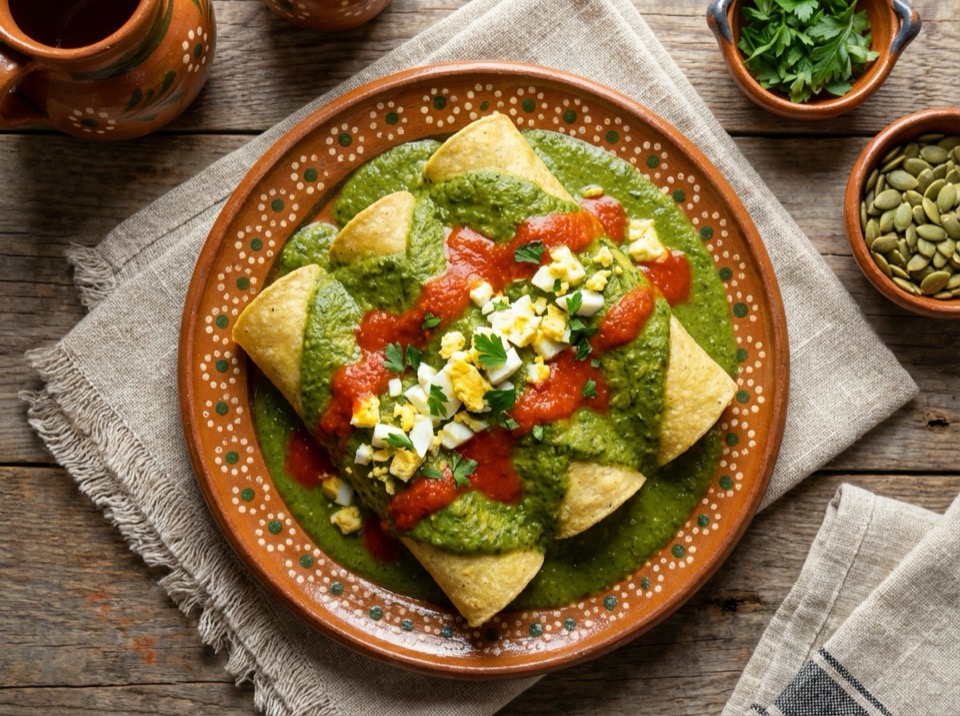
Papadzules
Corn tortillas dipped in a green pumpkin seed sauce, filled with hard-boiled eggs, and topped with a tomato-habanero sauce. A pre-Hispanic Mayan dish that is completely unique to the Yucatan. Creamy, earthy, and surprisingly complex.
How to order
Unos papadzules, por favor. (Some papadzules, please.) This is usually an appetizer or light meal. Pair it with a horchata.
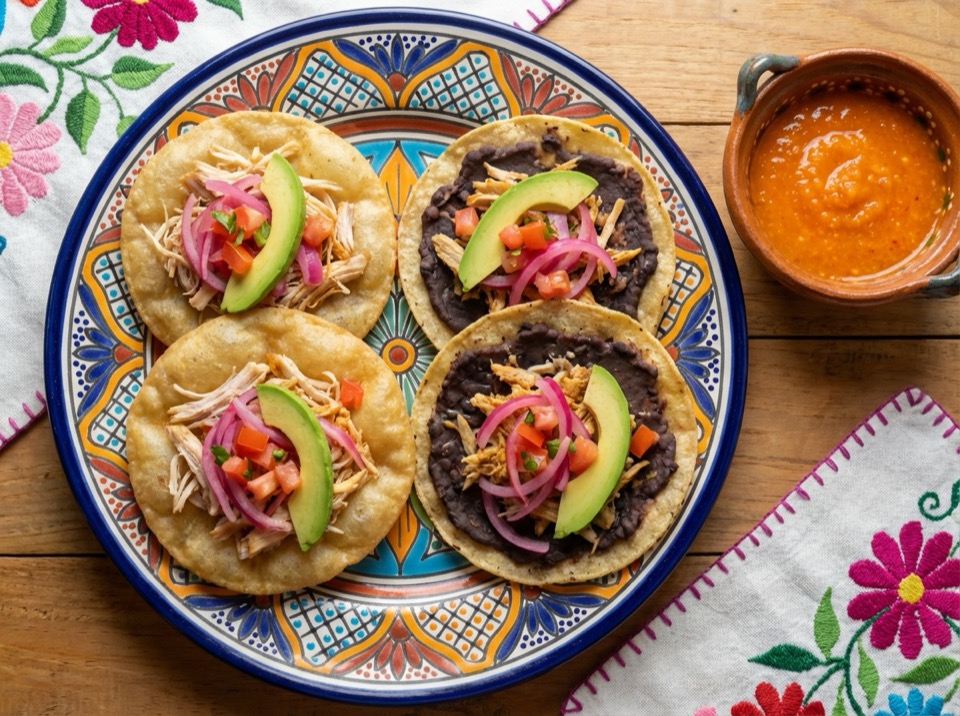
Salbutes y Panuchos
The Yucatecan antojitos (snacks) you will find everywhere. Salbutes are puffy fried tortillas topped with turkey, pickled onion, avocado, and tomato. Panuchos are similar but the tortilla is stuffed with refried black beans before frying, making them denser and crunchier.
How to order
Dos salbutes y dos panuchos de pavo, por favor. (Two salbutes and two panuchos with turkey, please.) 'Pavo' (turkey) is the traditional meat, but chicken ('pollo') is also common.
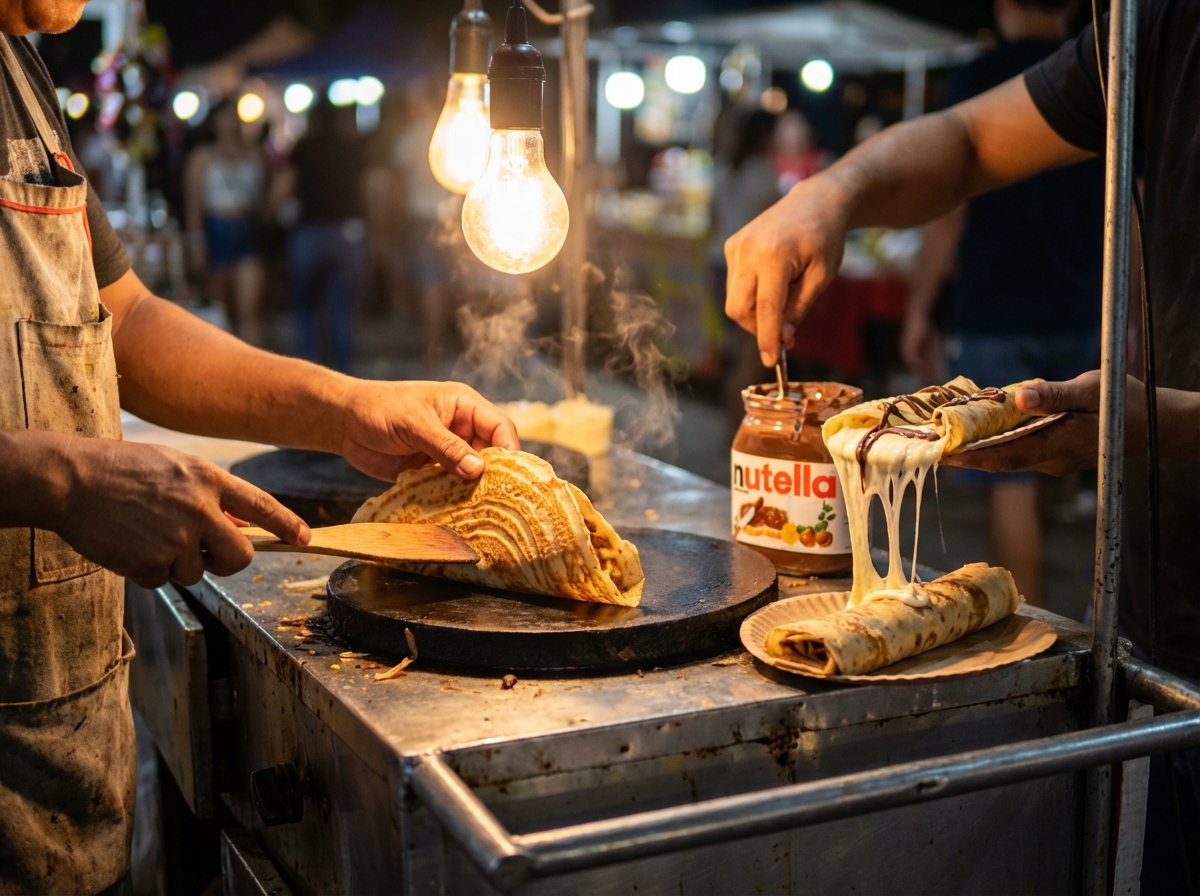
Marquesitas
A beloved Yucatecan street dessert: thin, crispy crepes rolled into a cylinder and filled with Edam cheese (queso de bola) and your choice of sweet fillings like Nutella, cajeta (caramel), or jam. Sold from carts in every park and plaza at night.
How to order
Una marquesita de queso con Nutella, por favor. (One marquesita with cheese and Nutella, please.) The combination of savory Edam cheese with sweet Nutella is unexpectedly perfect.
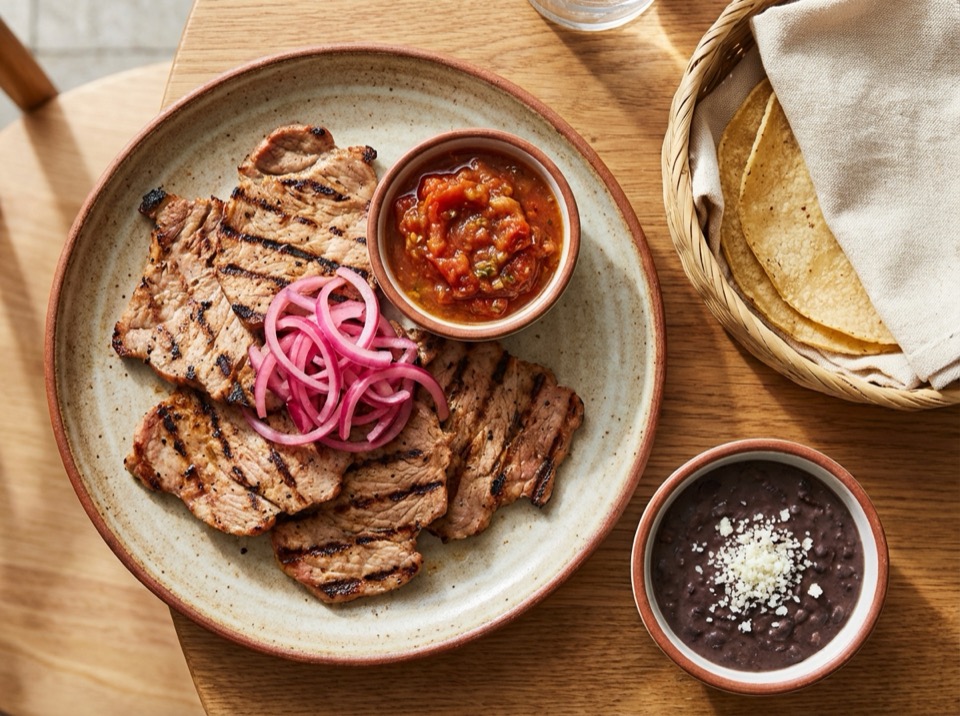
Poc Chuc
Grilled pork marinated in sour orange and spices, served with pickled onions, refried black beans, and tortillas. Lighter and more charred than cochinita pibil. The name comes from Mayan meaning 'roasted on charcoal.' A staple at Yucatecan grill restaurants.
How to order
Un poc chuc con frijoles y tortillas, por favor. (One poc chuc with beans and tortillas, please.) It is usually a main course, generous enough for one.
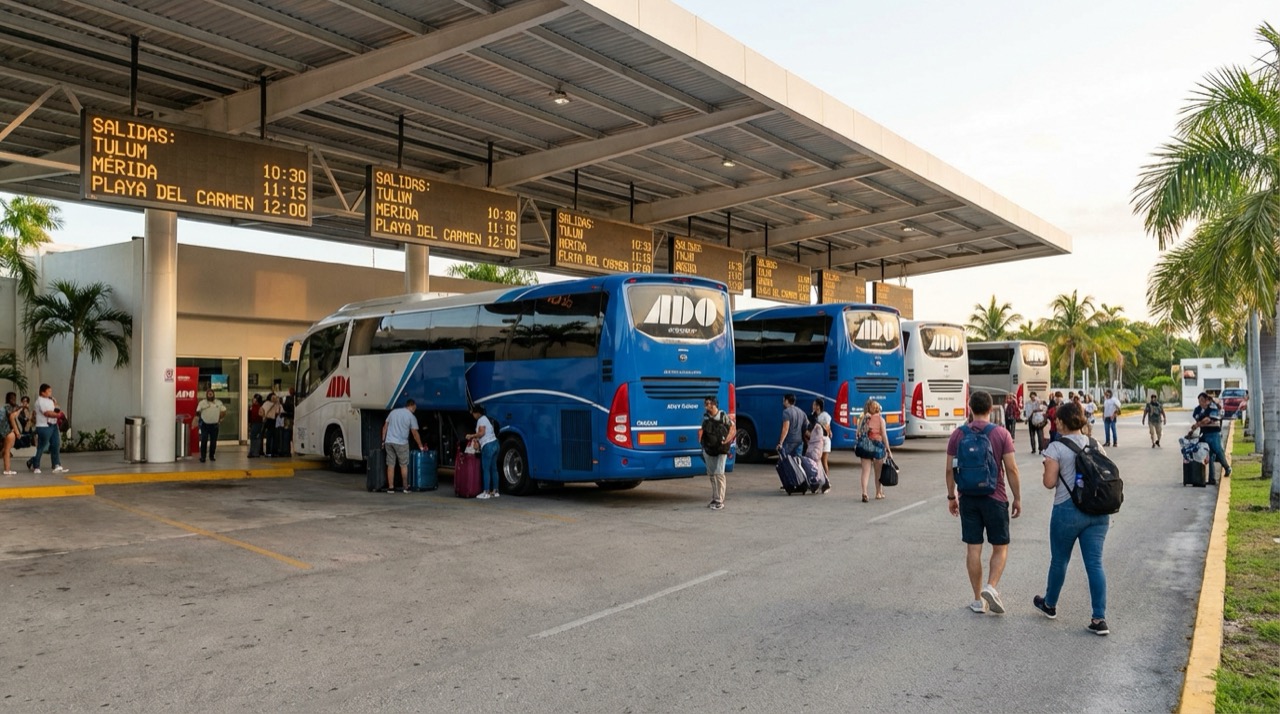
Getting around Cancún depends heavily on whether you are staying in the Hotel Zone or downtown. The Hotel Zone has a single road (Boulevard Kukulcán) with frequent public buses running its entire length. For day trips to ruins and cenotes, ADO buses and rental cars are your best options. Uber exists but faces resistance from the taxi union.
R-1 and R-2 Buses (Hotel Zone)
Public buses that run the length of the Hotel Zone from downtown to Punta Nizuc. The R-1 bus runs along Boulevard Kukulcán. Cheap ($12 MXN per ride) and frequent. They stop at marked bus stops or wave them down.
- The R-1 bus connects downtown Cancún with the entire Hotel Zone for just $12 MXN
- Buses run from about 5 AM to midnight, roughly every 5-10 minutes during the day
- Wave your hand to flag the bus down at marked stops or anywhere along the route
- Have exact change or small bills ready as drivers do not always have change
- The same bus route passes almost every hotel and major shopping center in the Hotel Zone
ADO Bus (Long Distance)
Mexico's premium long-distance bus company connects Cancún to Tulum (2 hours), Playa del Carmen (1 hour), Valladolid (2.5 hours), Mérida (4 hours), and Chichén Itzá (3 hours). Comfortable, air-conditioned, and reliable. The main terminal is in downtown Cancún.
- Book ADO tickets online at ado.com.mx or through their app for the best prices and guaranteed seats
- The main terminal is at the corner of Avenida Tulum and Uxmal in downtown Cancún
- First-class (ADO GL or ADO Platino) offers wider seats and onboard snacks for a small premium
- Arrive 15 minutes early for popular routes like Cancún to Tulum, which can sell out
- ADO also runs direct shuttles from the airport to Playa del Carmen and Tulum
Rental Car
The best way to explore the Yucatan peninsula at your own pace. Highway 307 south to Tulum is straightforward. Cenotes, small towns, and lesser-known ruins become accessible. Book through international companies at the airport or in the Hotel Zone.
- Always buy full insurance coverage. Mexican road liability rules are different and can be costly without it.
- Gas stations (Pemex) are full-service. An attendant pumps your gas. Tip $5-10 MXN.
- Watch for speed bumps ('topes') in every small town. They appear suddenly and can damage your car if hit at speed.
- Police checkpoints are common on Highway 307. Stay calm, have your license and rental agreement ready.
- Avoid driving at night outside the cities. Road lighting is minimal and animals cross frequently.
Ferry (to Isla Mujeres)
Ultramar and Caribbean Express run frequent ferries from Puerto Juárez (north of the Hotel Zone) to Isla Mujeres. The crossing takes about 20 minutes. A smaller ferry also departs from the Hotel Zone at Playa Tortugas.
- Ferries from Puerto Juárez run every 30 minutes and cost about $150-200 MXN one way
- Buy round-trip tickets for a small discount
- The last ferry back from Isla Mujeres is around 11:30 PM, but check the schedule as it changes seasonally
- Sit on the upper deck for the best views, but hold onto your hat in windy conditions
- On Isla Mujeres, rent a golf cart to explore the island ($500-800 MXN for a full day)
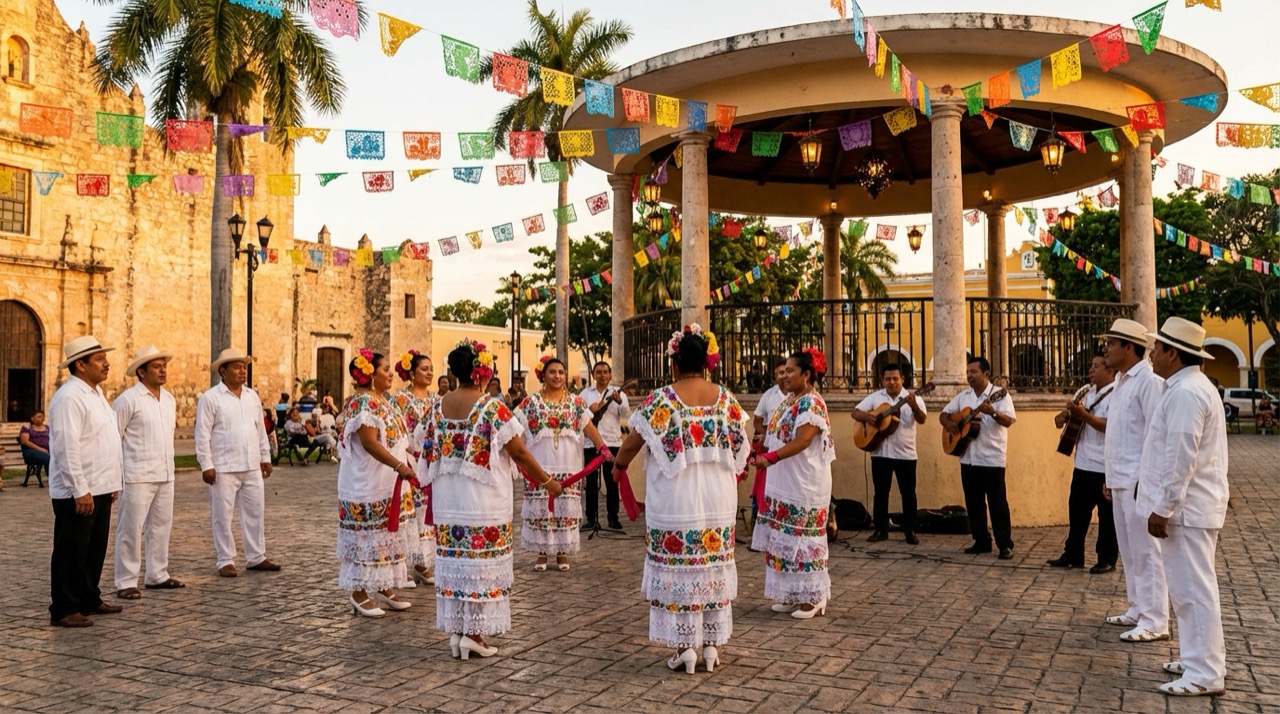
The Yucatan has a strong regional identity distinct from the rest of Mexico, shaped by its Mayan heritage and geographical isolation from central Mexico. Yucatecans are deeply proud of their culture, cuisine, and traditions. Understanding this duality between Mexican national culture and Yucatecan regional pride will enrich your experience far beyond the resort bubble.
Do
- Respect cenotes and archaeological sites. These are sacred places for the Maya, not just Instagram backdrops. Follow all posted rules.
- Use biodegradable sunscreen at cenotes and eco-parks. Chemical sunscreen damages the freshwater ecosystems. Most parks check at the entrance.
- Try to visit at least one site beyond the tourist bubble. Valladolid, Izamal, and local cenotes reveal the real Yucatan.
- Greet people with 'Buenos días' or 'Buenas tardes' before any interaction. Yucatecans are formal and polite.
- Learn to say 'In Lak'ech' (een lah-KECH), a Mayan greeting meaning 'I am you, you are me.' Locals deeply appreciate this.
- Carry small bills and coins. Vendors at cenotes, parking attendants, and small shops often cannot break large denominations.
- Tip your cenote and ruin guides generously. Many are from local Mayan communities and share invaluable knowledge.
Avoid
- Do not touch or climb on structures at archaeological sites. This damages irreplaceable heritage and is illegal.
- Do not call all locals 'Mexicans' and leave it at that. Many identify as Yucatecan or Maya first. Respect regional identity.
- Do not take photos of indigenous people without asking permission first. This is considered disrespectful.
- Do not bring non-biodegradable products into cenotes. This includes regular sunscreen, bug spray, and lotions.
- Do not assume the Hotel Zone represents Cancún or the Yucatan. Venture downtown and beyond for the real experience.
- Do not bargain aggressively at artisan markets. A small discount is fine, but pushing too hard disrespects the artisan's work.
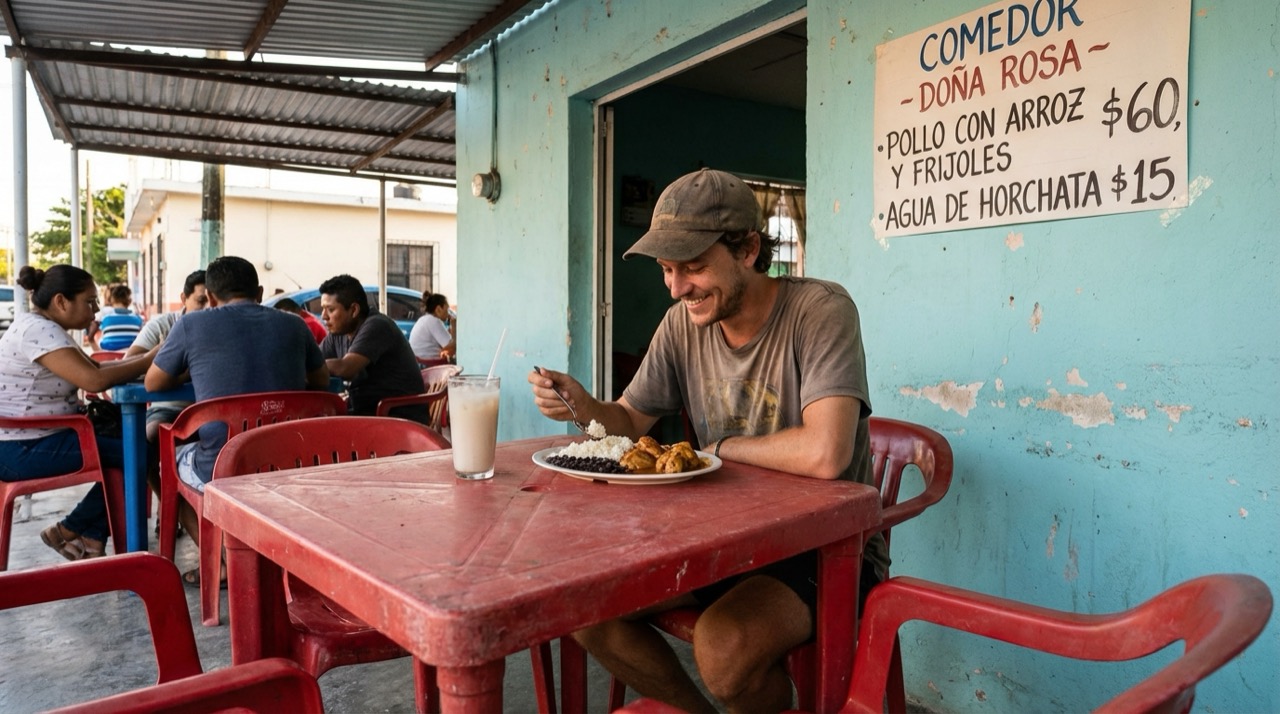
The Hotel Zone is expensive by Mexican standards, but downtown Cancún and the surrounding region offer incredible value. The price difference between a tourist restaurant on the strip and a local comedor downtown can be 5 to 10 times. Public transport, local eateries, and self-guided exploration will stretch your budget dramatically while giving you a more authentic experience.
Typical Prices
Money-Saving Tips
- Eat in downtown Cancún. Mercado 28 has cheap, authentic food. A full meal at a market comedor costs $70-120 MXN versus $300+ in the Hotel Zone.
- Use the R-1 bus instead of taxis in the Hotel Zone. It costs $12 MXN versus $200+ for a taxi ride to the same destination.
- Visit cenotes independently instead of on package tours. Drive or take a colectivo and pay the entrance fee directly. Tours mark up prices 3-5 times.
- Buy groceries at Chedraui or Walmart in the Hotel Zone for breakfast and snacks instead of eating every meal out.
- Book ADO buses online in advance for better prices and guaranteed seats on popular routes.
- Free activities: walking Playa Delfines (the best public beach in the Hotel Zone), exploring downtown plazas, visiting the Parque de las Palapas at night.
- Negotiate taxi prices before getting in, or insist on the meter ('taxímetro'). Better yet, use the R-1 bus or InDriver app.
- Visit Chichén Itzá on your own via ADO bus to Pisté village ($250 MXN) instead of a guided tour ($1,500+ MXN per person).
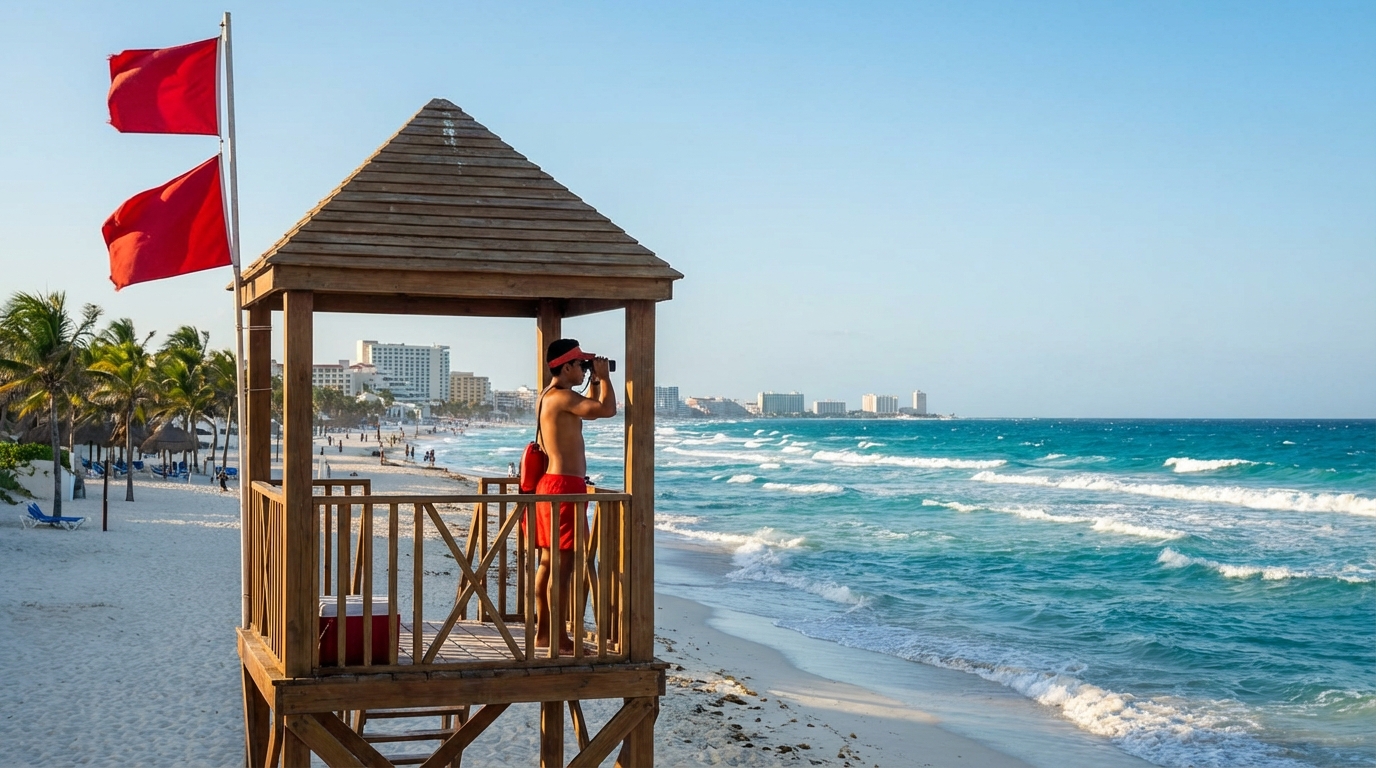
Cancún's Hotel Zone is one of the safest tourist areas in Mexico, with heavy police and military presence. The biggest safety risks for tourists are not crime but sun exposure, ocean currents, and drinking too much. Respect the red and yellow beach flags, stay hydrated, and use common sense. Having safety phrases ready helps you communicate clearly when it matters most.
¡Auxilio! Hay una corriente fuerte
Help! There is a strong current
/owk-SEE-lyoh! eye OO-nah koh-RYEHN-teh FWEHR-teh/
Rip currents are the biggest danger on Cancún beaches. If caught in one, swim parallel to shore, not against it. Shout to alert lifeguards.
Me picó una medusa
A jellyfish stung me
/meh pee-KOH OO-nah meh-DOO-sah/
Jellyfish are common in certain seasons. Lifeguards carry vinegar for treatment. Do not use fresh water or urine, which worsen the sting.
Tengo un golpe de calor
I have heat stroke
/TEHN-goh oon GOHL-peh deh kah-LOR/
Yucatan heat and humidity are intense. Symptoms include dizziness, nausea, and confusion. Move to shade, drink water, and seek medical help.
¿La bandera roja significa que no se puede nadar?
Does the red flag mean you can't swim?
/lah bahn-DEH-rah ROH-hah seeg-NEE-fee-kah keh noh seh PWEH-deh nah-DAR/
Red flag = no swimming (dangerous conditions). Yellow = caution. Green = safe. Always check the flags before entering the water.
Necesito un doctor que hable inglés
I need a doctor who speaks English
/neh-seh-SEE-toh oon dohk-TOR keh AH-bleh een-GLEHS/
Hospital Galenia and Hospiten in the Hotel Zone have English-speaking staff and handle tourist medical needs regularly.
Perdí mi pasaporte
I lost my passport
/pehr-DEE mee pah-sah-POR-teh/
Go to your country's consulate immediately. The US consulate in Cancún handles passport emergencies. Keep a photo of your passport on your phone.
¿Dónde está la zona segura para nadar?
Where is the safe area for swimming?
/DOHN-deh ehs-TAH lah SOH-nah seh-GOO-rah PAH-rah nah-DAR/
Hotel beaches usually have designated swimming areas with lifeguards. The lagoon side is calmer but not always safe for swimming.
¿El agua del cenote es segura para nadar?
Is the cenote water safe to swim in?
/el AH-gwah del seh-NOH-teh ehs seh-GOO-rah PAH-rah nah-DAR/
Most tourist cenotes are safe, but always check with the staff. Some require life jackets. Never dive headfirst into unknown cenotes.
Community Tips

Ready to learn Spanish for real?
Take these Cancún phrases with you. Decko uses spaced repetition to make sure you actually remember them when you need them.
Free forever. No credit card required.