Buenos Aires
Studying Spanish? Decko turns these phrases into smart flashcards that adapt to your memory.
Try free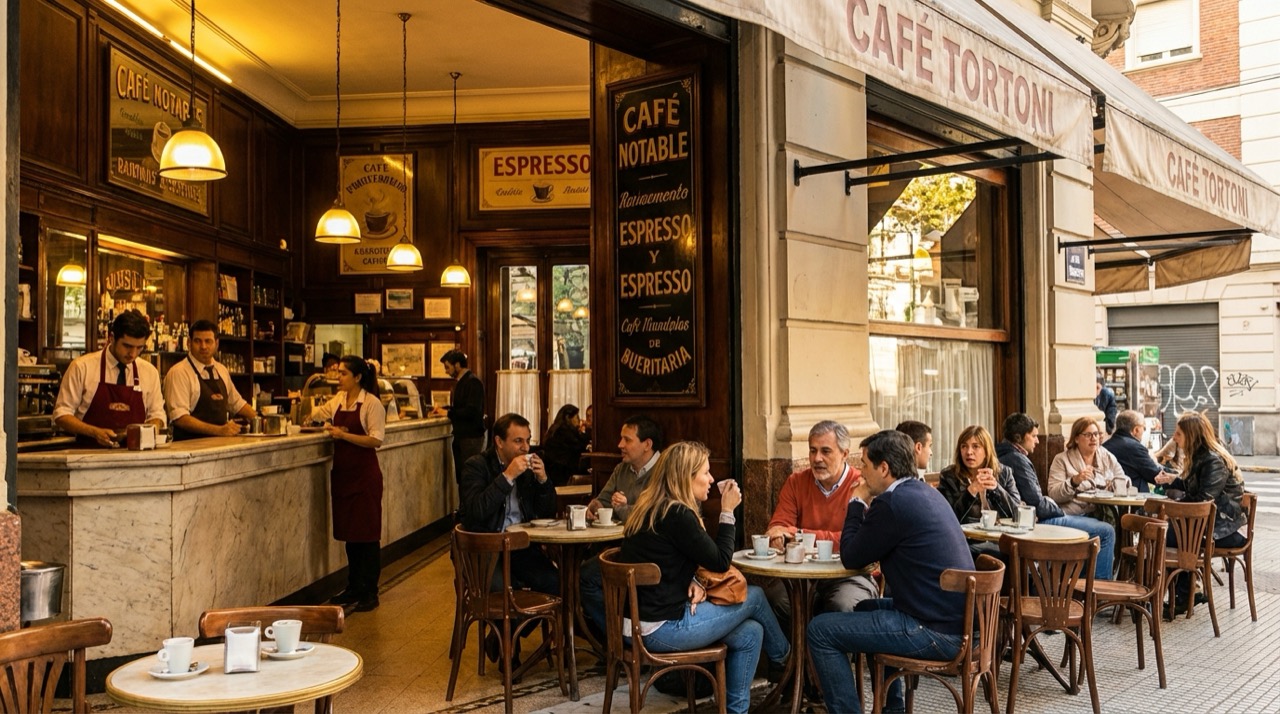
Rioplatense Spanish sounds nothing like what you learned in school. Porteños use vos instead of tú, pronounce ll/y as 'sh', and pepper their speech with Italian-influenced intonation. These phrases will help you navigate daily life from the moment you land.
¿Me das un cortado, por favor?
Can you give me a cortado, please?
/meh dahs oon kor-TAH-doh por fa-VOR/
Ordering coffee. Argentines drink cortados (espresso with a splash of milk) constantly. Use 'me das' (vos form of dar) instead of 'me da'.
¿Cuánto sale?
How much does it cost?
/KWAN-toh SAH-leh/
More natural than '¿cuánto cuesta?' in Argentina. You will hear 'sale' everywhere from kioscos to restaurants.
Disculpá, ¿dónde queda...?
Excuse me, where is...?
/dees-kool-PAH DON-deh KEH-dah/
Notice 'disculpá' with stress on the last syllable. This is the voseo imperative. Never say 'disculpa' with a flat ending here.
¿Me cobrás?
Can I get the check?
/meh koh-BRAHS/
The standard way to ask for the bill in a restaurant or cafe. Literally 'will you charge me?' using voseo.
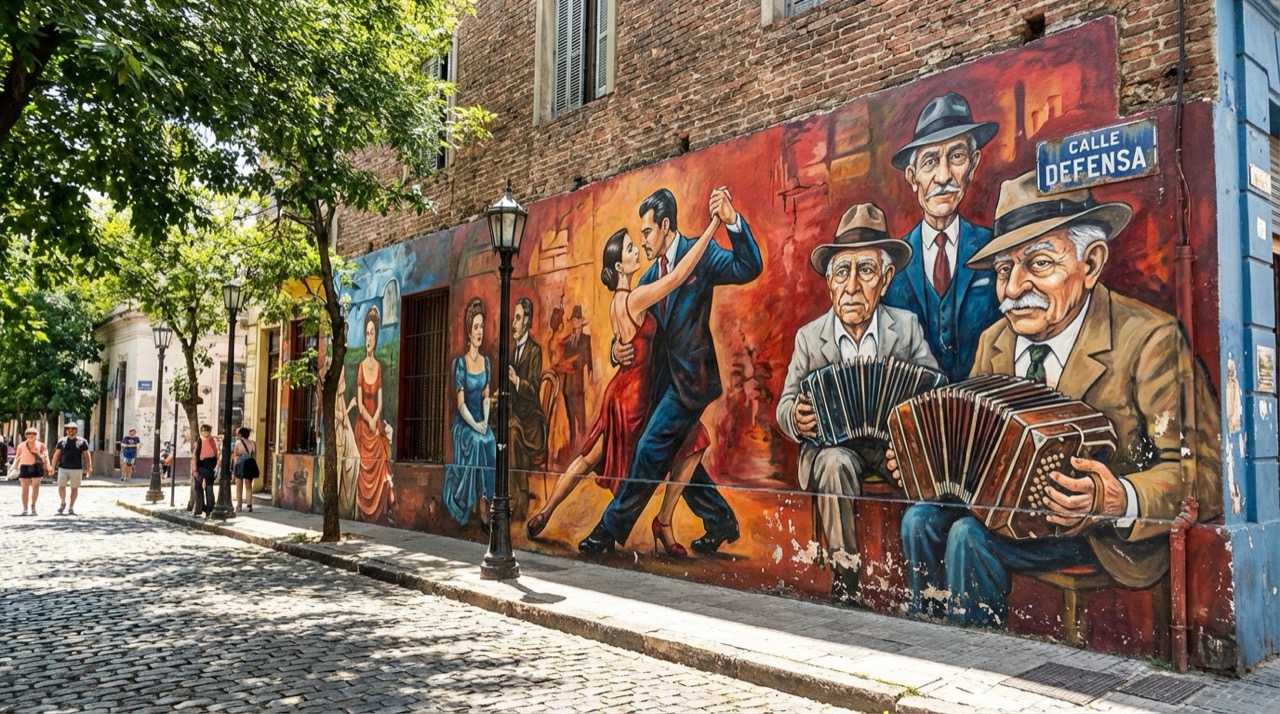
Lunfardo is Buenos Aires' homegrown slang, born in the conventillos (tenement houses) of the late 1800s from a mix of Italian, Portuguese, and indigenous languages. It started as underworld jargon but became mainstream through tango lyrics. Porteños use it every day without even thinking about it.
¡Qué copado!
That's awesome / so cool!
/keh koh-PAH-doh/
The go-to expression for anything positive. '¡Qué copado el lugar!' (What a cool place!). Uniquely Argentine.
Estoy al pedo.
I have nothing to do / I'm bored.
/ehs-TOY ahl PEH-doh/
Informal but extremely common. 'Al pedo' also means 'for no reason'. Not vulgar in everyday Argentine usage despite the literal meaning.
Ni en pedo.
No way / absolutely not.
/nee en PEH-doh/
Strong refusal. '¿Vas a ir caminando?' 'Ni en pedo, son 30 cuadras.' (Are you walking? No way, it's 30 blocks.)
Es un re quilombo.
It's a total mess / chaos.
/ehs oon reh kee-LOM-boh/
Quilombo means a chaotic situation. 'Re' is an Argentine intensifier meaning 'very/really'. Traffic, politics, late flights: all quilombos.
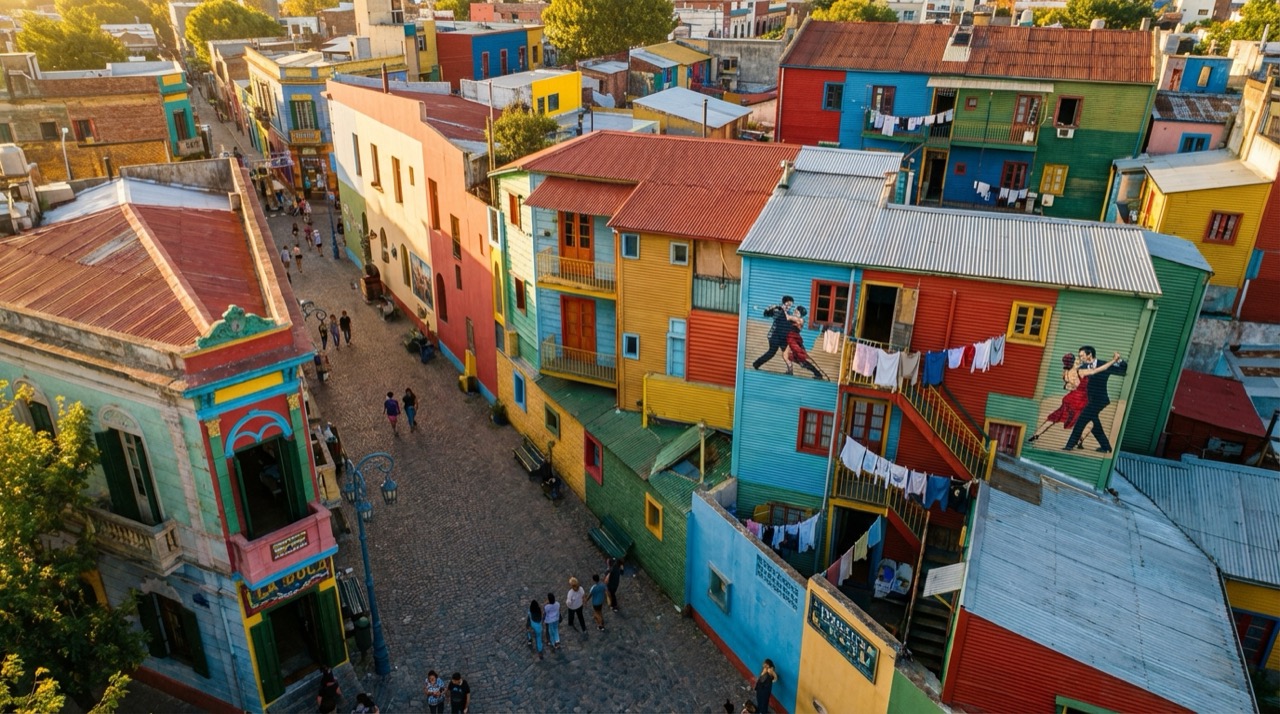
Buenos Aires is a city of barrios, each with its own personality. Porteños identify strongly with their neighborhood. Where you eat, drink, and hang out says a lot about you. These are the barrios you need to know as a visitor.
Palermo
The largest barrio, split into sub-neighborhoods: Palermo Soho (boutiques, street art, brunch spots), Palermo Hollywood (bars, restaurants, nightlife), and Palermo Chico (embassies, luxury). This is where most young travelers and expats end up. Excellent walkability, packed on weekends.
Palermo Soho and Hollywood are informal names locals use. You will also hear 'Palermo Viejo' for the older, quieter sections.
San Telmo
The bohemian soul of Buenos Aires. Famous for its Sunday antique market on Plaza Dorrego, tango in the streets, and crumbling colonial architecture. Full of vintage shops, milongas (tango dance halls), and traditional parrillas. Grittier than Palermo but full of character.
A milonga is both the tango dance event and the venue. 'Vamos a la milonga' means let's go dancing, not let's go to a specific place.
Recoleta
The posh neighborhood. Think Paris transplanted to South America: Haussmann-style buildings, manicured parks, upscale restaurants, and the famous Recoleta Cemetery where Evita is buried. More formal and expensive than the rest of the city. Great for architecture walks.
People from Recoleta are sometimes called 'chetos' (posh/snobby). The accent here is even more Italian-influenced than the rest of BA.
La Boca
Home of Boca Juniors football club and the colorful Caminito street. The painted zinc houses are iconic but the tourist area is small. Visit during the day for the street art, tango performers, and La Bombonera stadium. Not recommended at night outside the main tourist strip.
La Bombonera (the chocolate box) is the nickname for Boca Juniors' stadium. If someone asks '¿De qué cuadro sos?' they want to know your football team.
Microcentro / San Nicolás
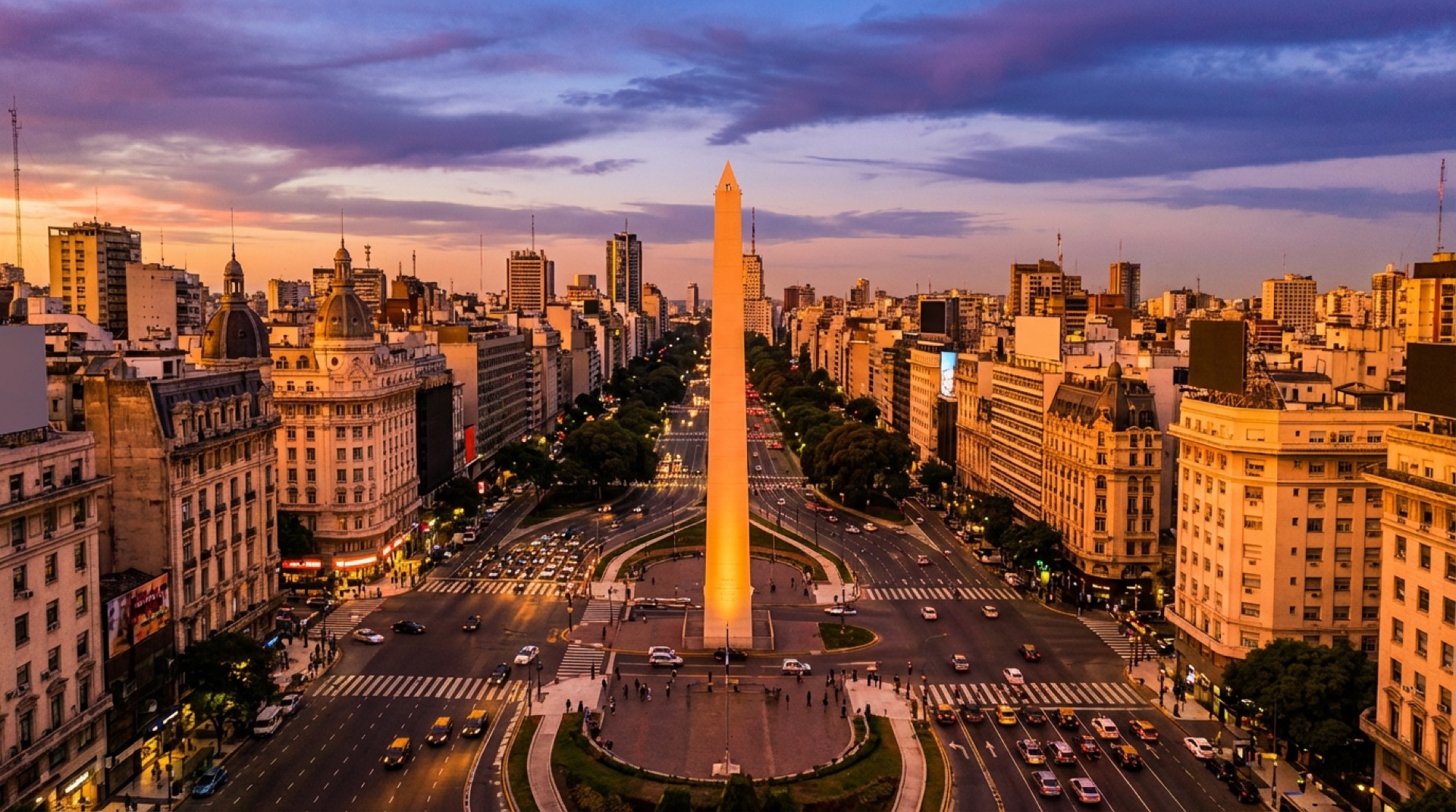
The commercial heart of the city. Avenida 9 de Julio (the widest avenue in the world) runs through it with the Obelisco at its center. Packed during business hours, empty at night. The main shopping street is Calle Florida (pedestrian only). Good for currency exchange and practical errands.
'El centro' or 'microcentro' is how locals refer to downtown. 'Voy al centro' means going downtown for errands or work.
Want to actually remember these phrases?
Save them to your flashcard deck and Decko will quiz you at the perfect time using spaced repetition.
Buenos Aires rewards slow exploration. The best experiences are not about ticking off landmarks but about soaking in the cafe culture, watching street tango, and eating your way through the barrios. That said, these are the spots that genuinely deliver.
Teatro Colón
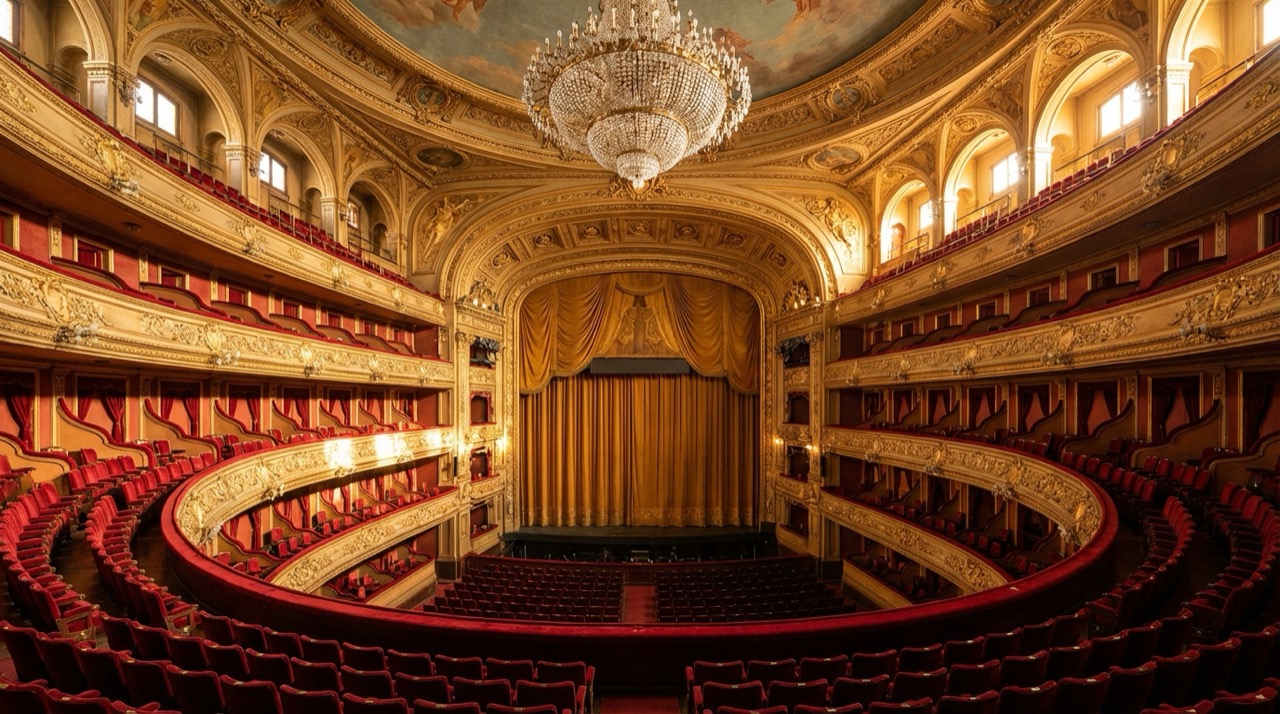
One of the world's greatest opera houses. The acoustics are legendary and the building itself is jaw-dropping. Even if you skip the show, take a guided tour to see the seven-story interior, the underground workshops where sets are built, and the golden horseshoe auditorium.
'¿Hay visitas guiadas?' (Are there guided tours?) is the phrase you need at the ticket counter. Tours run in Spanish and English.
Cementerio de la Recoleta
An open-air museum of elaborate mausoleums where Argentina's elite are buried. Presidents, Nobel laureates, and Eva Perón rest in ornate marble tombs. The labyrinth of paths between them feels like a miniature city. Free entry. Give yourself at least an hour.
Ask a guard '¿Dónde está la tumba de Evita?' to find Eva Perón's tomb. Her full name is Eva María Duarte de Perón, but everyone says Evita.
Plaza de Mayo & Casa Rosada
The political heart of Argentina. The Pink House (Casa Rosada) is the presidential palace where Evita gave her famous balcony speeches. The Madres de Plaza de Mayo still march here every Thursday at 3:30 PM, as they have since 1977. Powerful and moving.
'Casa Rosada' literally means 'pink house'. The color supposedly came from mixing ox blood with lime paint in the 1800s.
Feria de San Telmo (Sunday Market)
Every Sunday, the streets of San Telmo transform into a massive open-air market stretching over 20 blocks. Antiques, vinyl records, leather goods, street food, and live tango at every corner. Goes from about 10 AM to 5 PM. Get there early to beat the crowds.
'¿Cuánto me hacés por esto?' (What price will you give me for this?) is how you negotiate. Haggling is expected at market stalls.
La Bombonera (Boca Juniors Stadium)
Football is religion in Argentina and this is its loudest cathedral. The stadium literally shakes when fans jump. Catching a Boca match is an unforgettable experience, but tickets sell out fast. The museum and stadium tour are excellent alternatives if you cannot get match-day tickets.
'¡Vamos, Boca!' is all you need to know. Never wear a River Plate jersey here. The Boca-River rivalry (el Superclásico) is the most intense in world football.
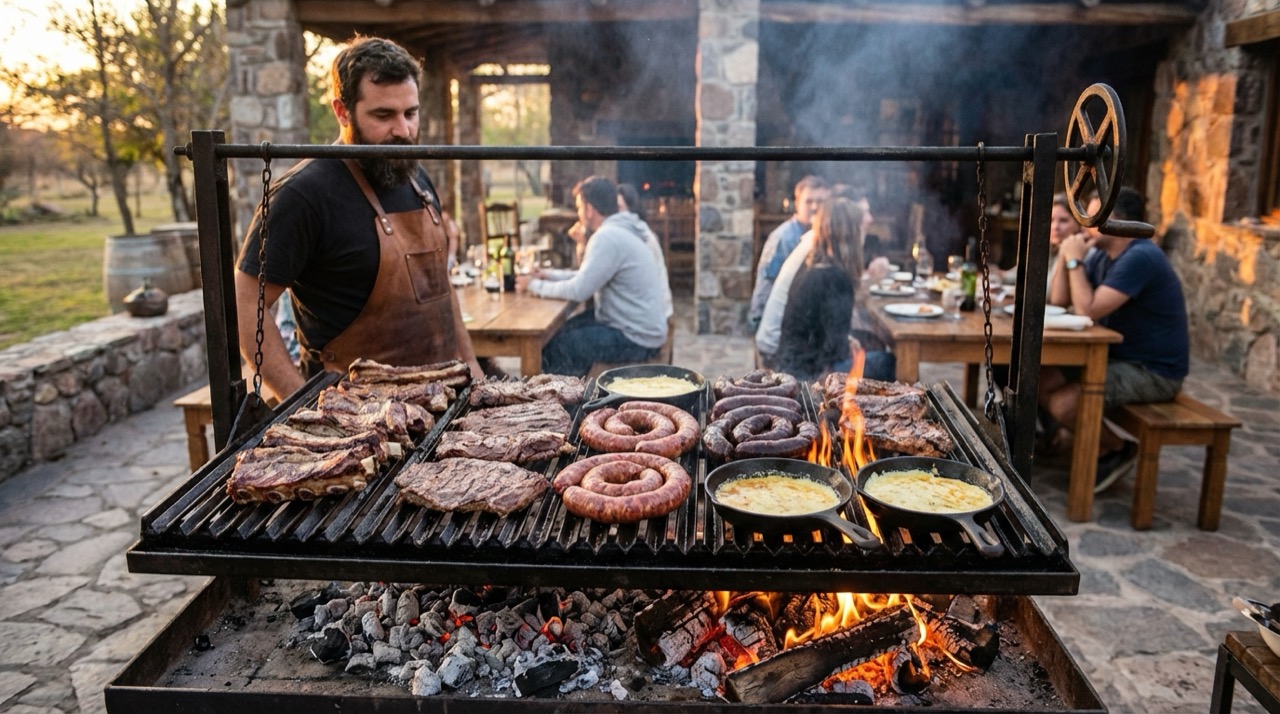
Argentine food culture revolves around beef, empanadas, and sharing meals over long conversations. Lunch is around 1-2 PM and dinner rarely starts before 9 PM (10 PM on weekends is normal). Rushing through a meal is considered rude. The waiter will never bring the check until you ask for it.
Asado (Argentine BBQ)
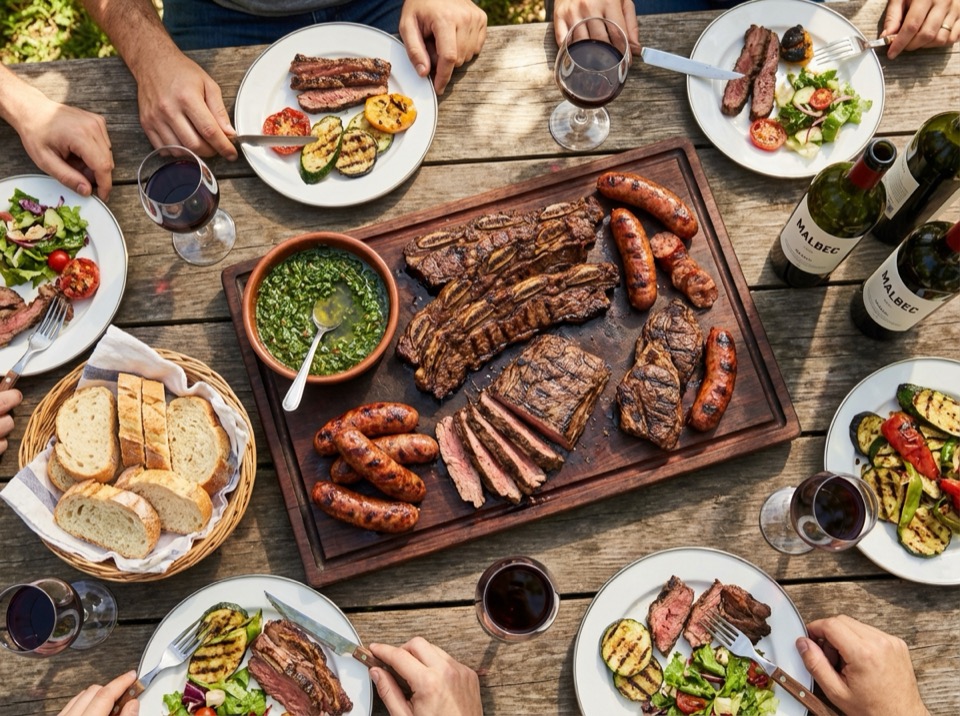
Not just a meal but a social ritual. Slow-grilled beef over wood coals, featuring cuts like entraña (skirt steak), vacío (flank), tira de asado (short ribs), and the sacred bife de chorizo (sirloin). Always served with chimichurri. A proper asado takes 3-4 hours.
How to order
'Quiero un bife de chorizo, jugoso por favor' (I want a sirloin, juicy please). Specify doneness: jugoso (rare/medium-rare), a punto (medium), bien cocido (well done). Jugoso is the local preference.
Empanadas
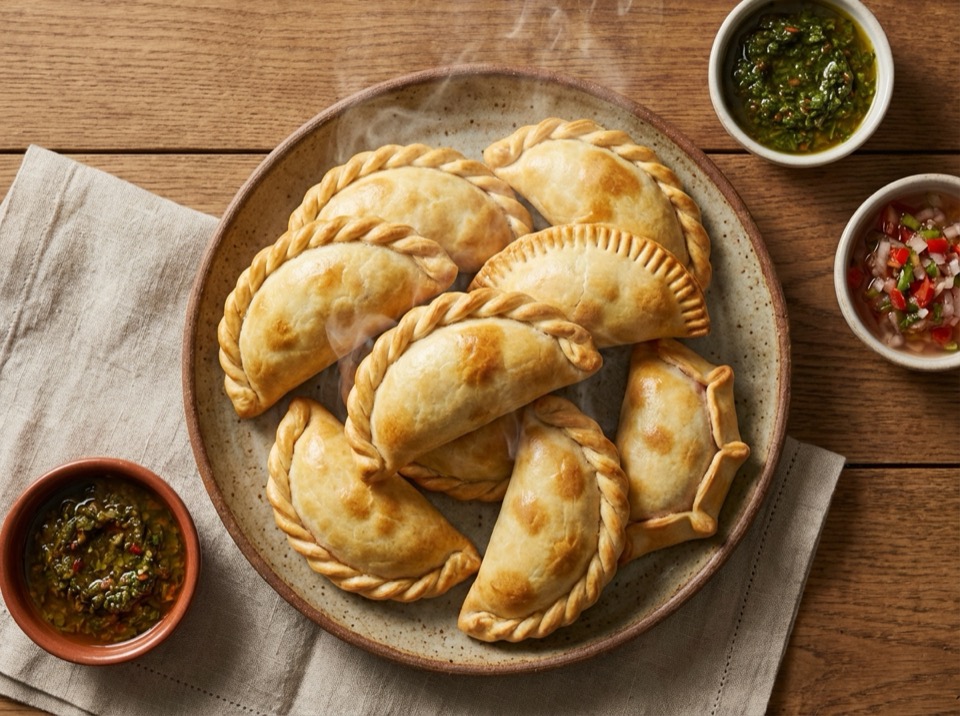
Baked or fried pastry pockets with endless fillings. The classics are carne (beef with onion, egg, and olive), jamón y queso (ham and cheese), and humita (sweet corn). Each province has its own style. Eaten by hand, often as a starter or snack with a cold beer.
How to order
'Dame una docena de empanadas: cuatro de carne, cuatro de jamón y queso, y cuatro de humita' (Give me a dozen: four beef, four ham and cheese, four corn). Repulgue (the crimped edge pattern) tells you the filling.
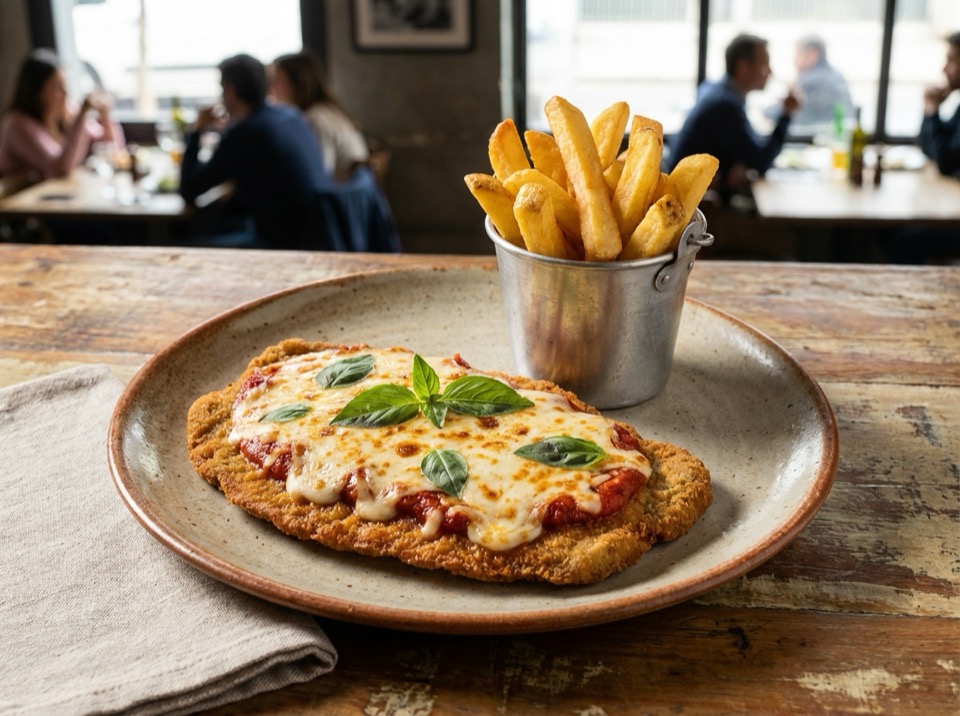
Milanesa a la Napolitana
A breaded cutlet (like schnitzel) topped with tomato sauce, ham, and melted mozzarella, served with fries. Italian-Argentine comfort food at its finest. Found on every restaurant menu. The 'napolitana' version is the most popular.
How to order
'Una milanesa napolitana con fritas, por favor' (A napolitana milanesa with fries, please). 'Con papas fritas' and 'con fritas' both work.
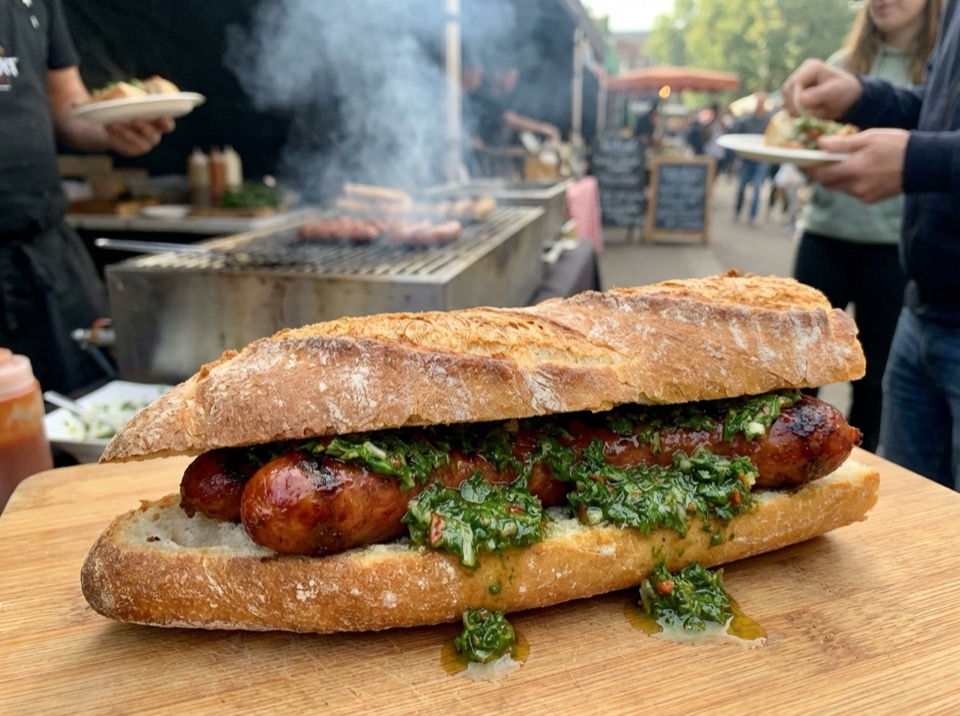
Choripán
The ultimate Argentine street food: a grilled chorizo sausage split open and served on crusty bread with chimichurri and sometimes criolla salsa (onion, tomato, pepper). Found at every football game, street fair, and roadside grill. Messy, satisfying, and cheap.
How to order
'Un choripán con chimichurri' is all you need. At a street grill (parrilla callejera), just point and say 'uno, por favor'.
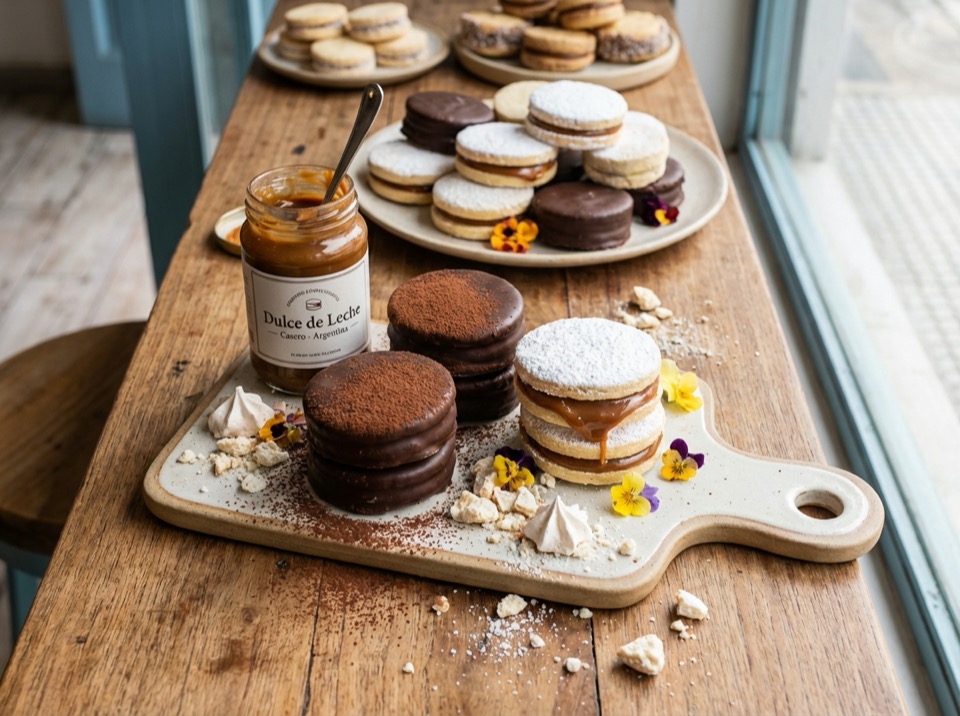
Dulce de Leche (Everything)
Caramelized milk spread that Argentines put on absolutely everything: toast, pancakes, ice cream, crepes, alfajores (sandwich cookies), and cakes. Havanna and Cachafaz are the top alfajor brands. Heladerías (ice cream shops) always have dulce de leche as a flavor.
How to order
'Un kilo de helado: medio de dulce de leche y medio de chocolate' (A kilo of ice cream: half dulce de leche, half chocolate). Ice cream is sold by weight, not scoops.
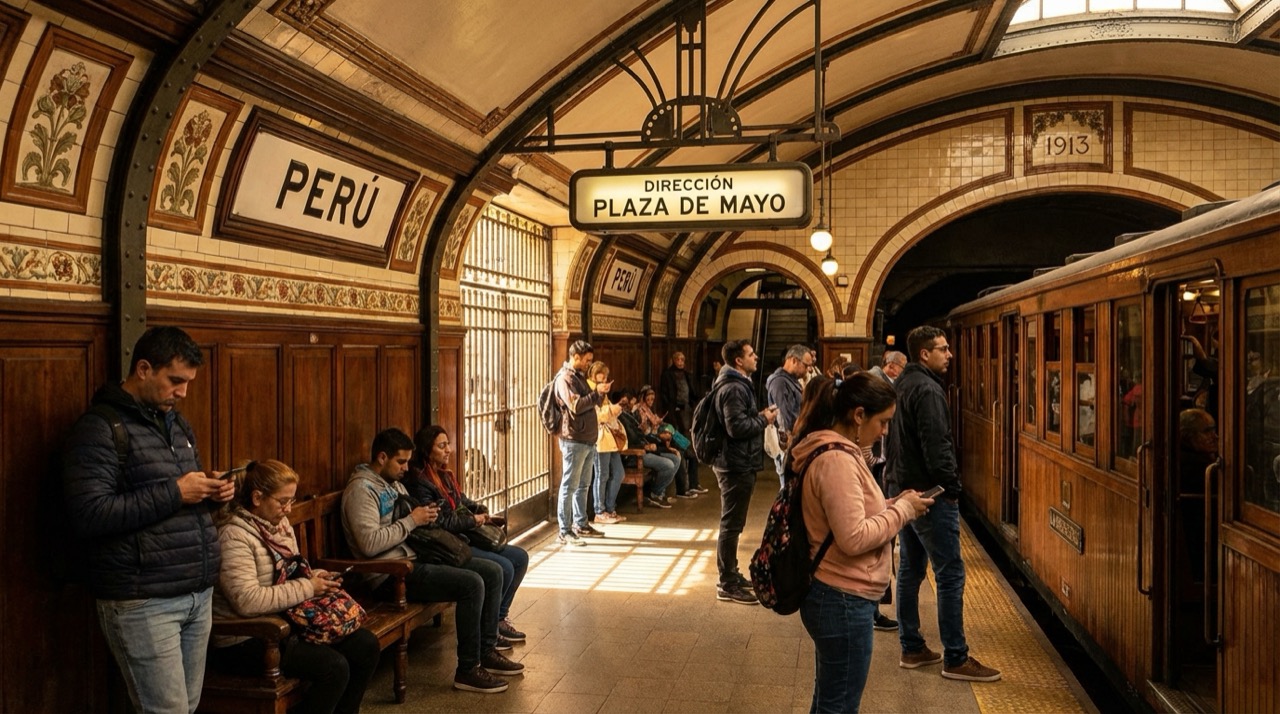
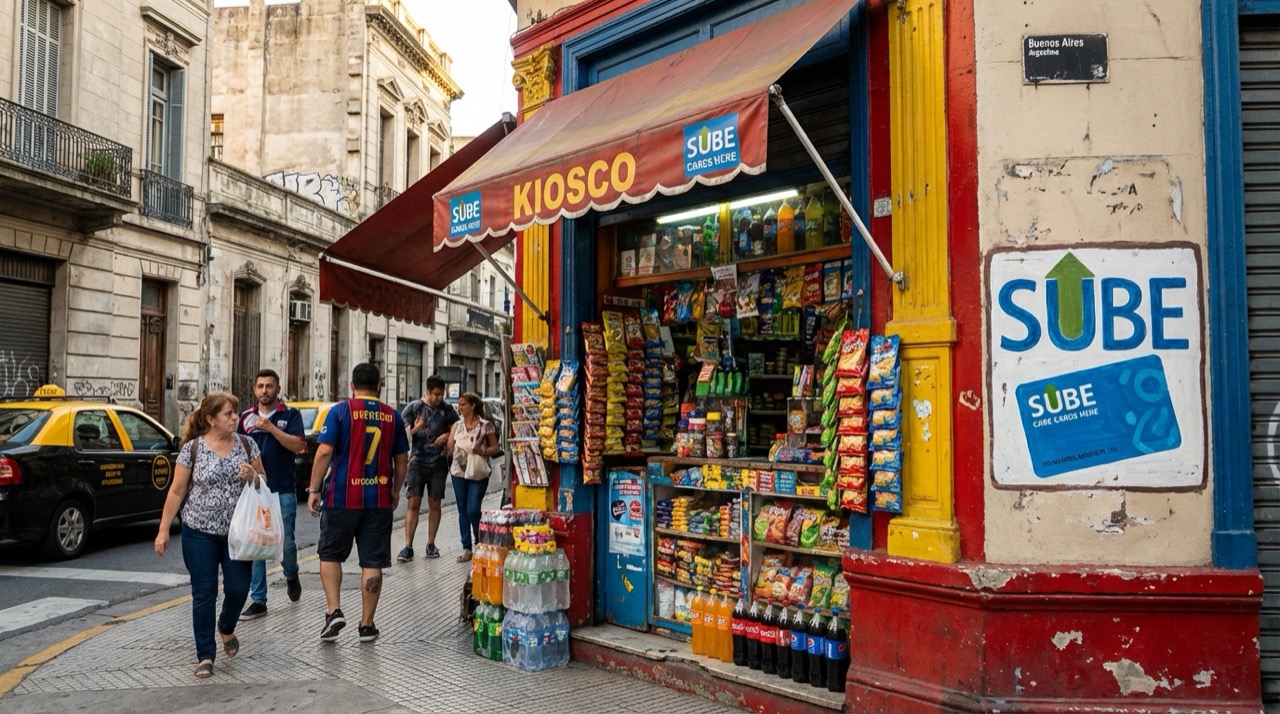
Buenos Aires has solid public transport but it takes some getting used to. The SUBE card is your lifeline. Load it at any kiosco and use it for subte (subway), colectivos (buses), and trains. Taxis are cheap but rideshares (Uber/Cabify) are often faster to arrange. Walking is the best way to explore the central barrios.
Subte (Metro)
Six lines (A through H, minus G) covering the central city. Oldest metro in Latin America. Fast for north-south and east-west routes. Gets packed during rush hour (8-10 AM, 5-8 PM). Air conditioning is hit or miss depending on the line.
- Line A has the oldest wooden cars in the world, recently replaced on most runs but occasionally still running
- Always have your SUBE card loaded before entering, there is no way to buy single tickets
- Rush hour is intense; let people exit before boarding
- Last trains run around 10:30 PM on weekdays, later on weekends
Colectivo (City Bus)
Over 150 bus lines covering every corner of the city. The system looks chaotic but locals swear by it. Each line has a number and color. You need exact change or a SUBE card (SUBE is easier). Buses run 24/7 on many routes.
- Tell the driver your destination so they set the correct fare: 'Voy a [destination]'
- Use the app 'Cómo Llego' (official) or Google Maps for routes
- Wave your arm to flag down the bus at the stop, otherwise it might not stop
- Enter from the front, exit from the back
Taxi & Rideshare
Black and yellow taxis are everywhere. Use the meter ('reloj'). Uber and Cabify work but exist in a legal gray area. Drivers may ask you to sit in front to look like a friend. Both are generally safe and affordable.
- Always ask the driver to use the meter: 'Poneme el reloj, por favor'
- Have small bills ready because many drivers claim they have no change
- Radio taxis (called by phone or app) are considered safer than street hails at night
- Cabify is more popular than Uber among locals
Walking
The best way to experience Buenos Aires. The central barrios (Palermo, San Telmo, Recoleta, Microcentro) are very walkable. Sidewalks are famously uneven so watch your step. Pedestrians do not always have the right of way in practice.
- Porteños cross on red lights constantly, but as a visitor, be cautious with traffic
- Sidewalk tiles can be loose and splash water after rain ('baldosas flojas')
- San Telmo to Palermo is a beautiful 45-minute walk through Parque Lezama and along Defensa
- Avoid walking alone in La Boca outside the Caminito tourist area
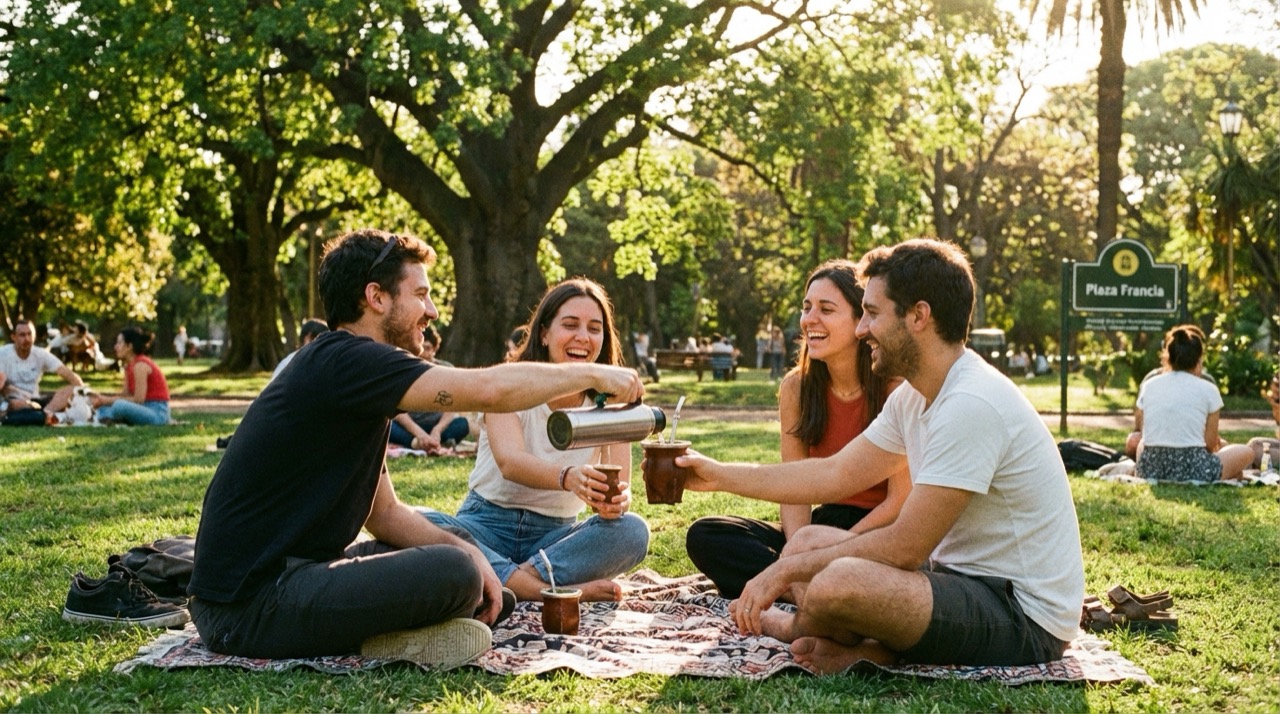
Argentine culture is warm, loud, and physical. People greet each other with a kiss on the cheek (one kiss, right cheek) regardless of gender. Conversations are passionate, opinions are strong, and personal space is smaller than you might expect. Embrace the chaos.
Do
- Greet everyone with a kiss on the right cheek, even people you just met. Not doing so is considered cold.
- Accept mate if offered. Sharing mate is a bonding ritual. Drink the whole cup and pass it back to the cebador (server). Never say 'gracias' until you are done, because gracias means 'no more for me'.
- Be prepared for late everything. Dinner at 10 PM, parties starting at 1 AM, and 'ahora' (now) meaning 'sometime today'.
- Talk about football with passion. Ask '¿De qué cuadro sos?' (What team are you?) and you will make instant friends.
- Learn the basics of voseo. Using tú instead of vos marks you immediately as a foreigner.
- Tip around 10% at restaurants. It is not mandatory but is appreciated and increasingly expected.
Avoid
- Never compare Argentina to the rest of Latin America as if they are all the same. Argentines have a strong European-influenced identity.
- Avoid the Falklands/Malvinas topic unless an Argentine brings it up. It remains a deeply sensitive issue.
- Do not rush meals. Asking for the check before the group is ready is rude. Meals are social events, not fuel stops.
- Never say 'gracias' when receiving mate if you want more. Gracias = I am done.
- Do not leave a huge tip (over 15%). It can be seen as patronizing rather than generous.
- Avoid wearing flashy jewelry or waving expensive phones on the street, especially in crowded areas and on public transport.
Buenos Aires has historically been one of the best-value cities for travelers, though prices fluctuate with the exchange rate. The peso situation changes constantly, so check the current rate before your trip. Street food and local restaurants are very affordable. Imported goods and tourist-trap restaurants near landmarks are the biggest price traps.
Typical Prices
Money-Saving Tips
- Check the blue dollar (dólar blue) rate before exchanging money. The official rate is significantly worse for tourists.
- Many restaurants offer a 'menú del día' (daily set lunch) that is much cheaper than ordering à la carte
- Free walking tours operate in most barrios. Tip-based, so you pay what you think it was worth.
- Buy a SUBE card immediately at any kiosco. Individual bus/subway fares are very cheap.
- Supermarkets like Carrefour and Coto are great for stocking up on yerba mate, alfajores, and wine at local prices.
- Many museums have free entry on Wednesdays or certain days of the month.
- Eating at parrillas away from tourist zones (like in Almagro or Boedo) is half the price of San Telmo or Puerto Madero.
- Wine is excellent and very affordable. Ask for 'vino de la casa' (house wine) which is usually a solid Malbec.
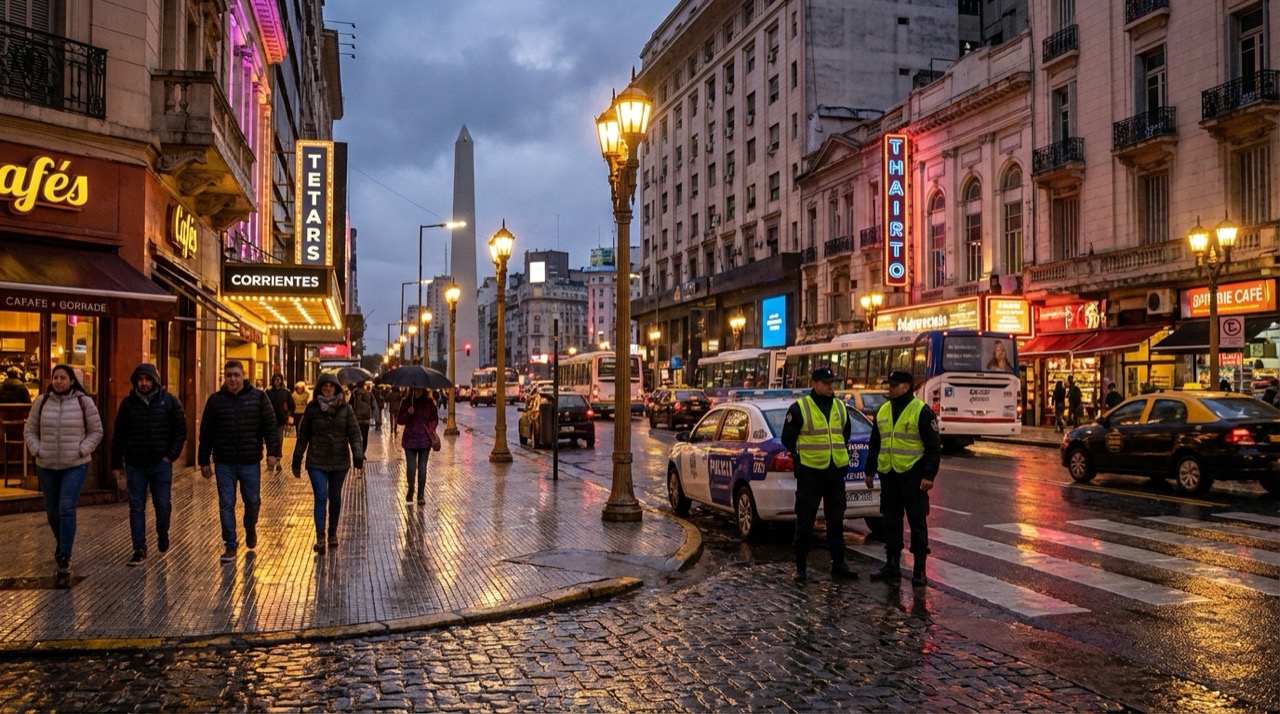
Buenos Aires is generally safe for tourists who take basic precautions. Petty theft (phone snatching, pickpocketing) is the main concern, especially in crowded areas and on public transport. Violent crime targeting tourists is rare. Stay alert, keep valuables out of sight, and use common sense, especially at night.
¡Ayuda!
Help!
/ah-YOO-dah/
Emergency call for help. Loud and clear.
Necesito un médico.
I need a doctor.
/neh-seh-SEE-toh oon MEH-dee-koh/
For medical emergencies. Public hospitals are free for everyone, including tourists.
Quiero hacer una denuncia.
I want to file a police report.
/kee-EH-roh ah-SEHR OO-nah deh-NOON-see-ah/
If you need to report theft. The tourist police (Comisaría del Turista) in San Telmo has English-speaking officers.
¡Me robaron!
I've been robbed!
/meh roh-BAH-ron/
To alert people nearby or report a theft. 'Me robaron el celular' (They stole my phone).
¿Dónde queda la farmacia más cercana?
Where is the nearest pharmacy?
/DON-deh KEH-dah lah far-MAH-see-ah mahs sehr-KAH-nah/
Pharmacies (farmacias) are everywhere and many are open 24 hours. Pharmacists can advise on minor health issues.
Soy alérgico/a a...
I'm allergic to...
/soy ah-LEHR-hee-koh/kah ah/
Critical for food allergies. Common ones: maní (peanuts), mariscos (shellfish), gluten, lactosa (lactose).
Llamá a la policía.
Call the police.
/shah-MAH ah lah poh-lee-SEE-ah/
Note the voseo imperative 'llamá' instead of 'llama'. Emergency number is 911.
No me siento bien.
I don't feel well.
/noh meh see-EN-toh bee-EN/
Useful at a pharmacy or when asking someone for help. Follow with your symptom: 'Tengo fiebre' (I have a fever), 'Me duele la cabeza' (I have a headache).
Community Tips

Ready to learn Spanish for real?
Take these Buenos Aires phrases with you. Decko uses spaced repetition to make sure you actually remember them when you need them.
Free forever. No credit card required.