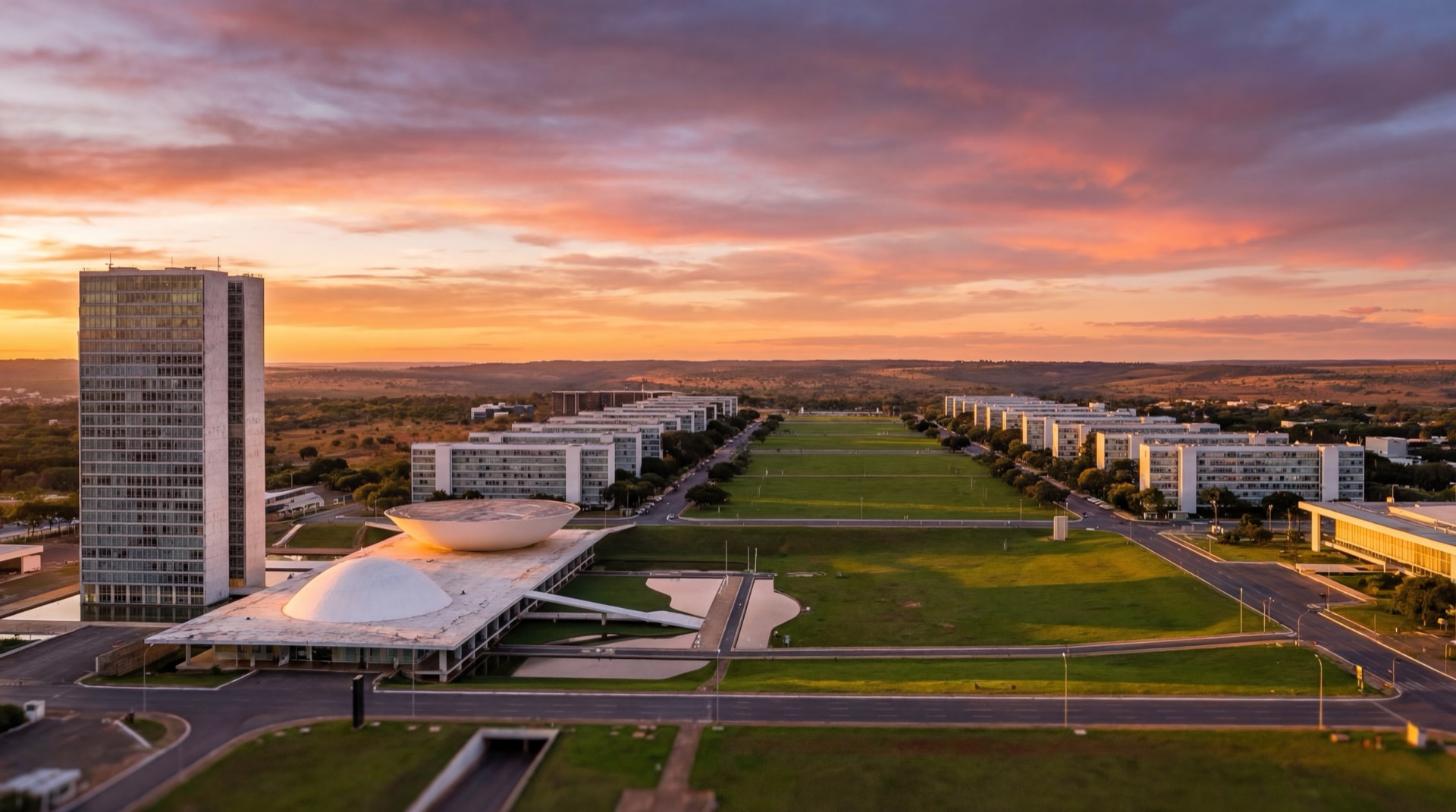
Brasília
Studying Portuguese? Decko turns these phrases into smart flashcards that adapt to your memory.
Try free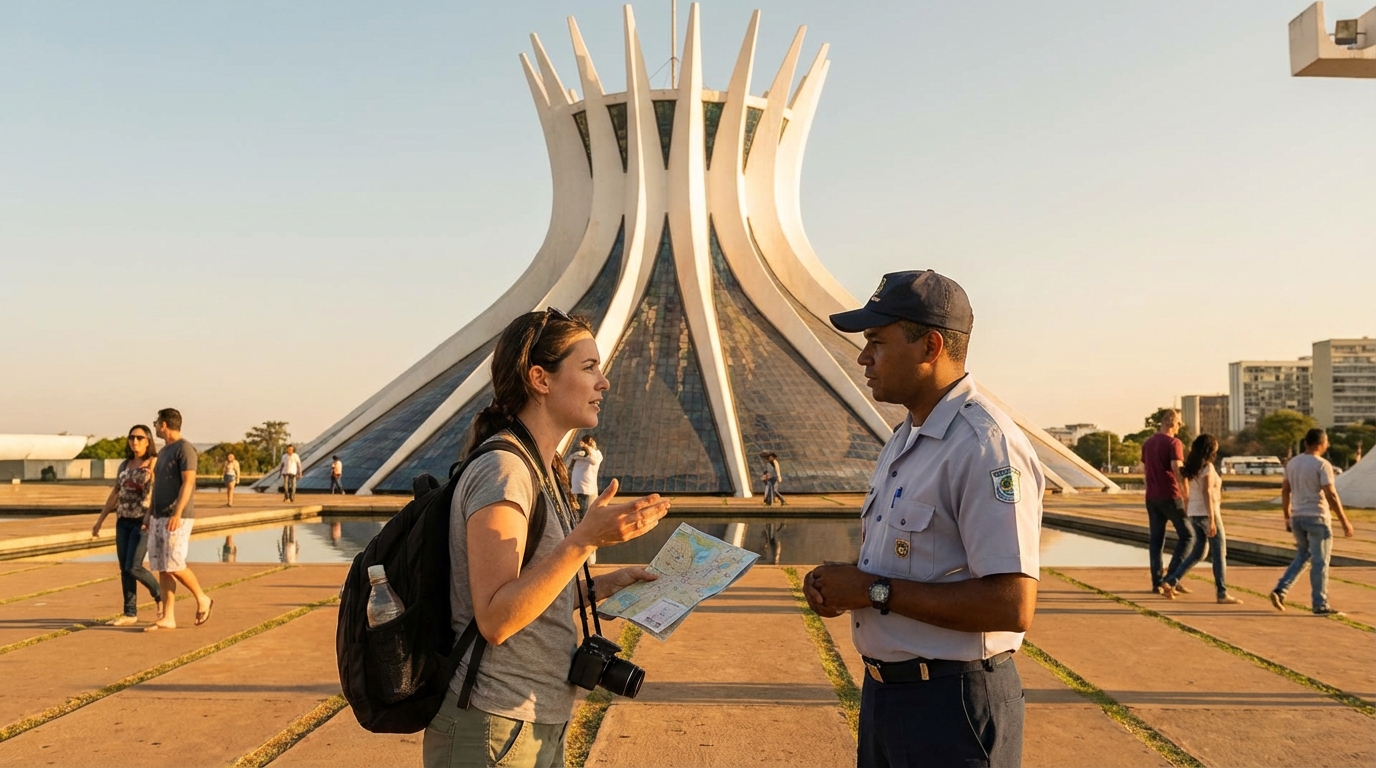
Brasília has a formal, polished Portuguese influenced by government and diplomacy. People here tend to speak more clearly and with less slang than in other Brazilian cities. The accent is relatively neutral, making it a great place to practice standard Brazilian Portuguese.
Com licença, onde fica o Congresso Nacional?
Excuse me, where is the National Congress?
/Kohm lee-SEN-sah, OHN-jee FEE-kah oo Kohn-GREH-soo Nah-see-oh-NAHL?/
Brasília is organized by sectors, so people give directions by landmark rather than street name.
Isso fica em qual setor?
Which sector is that in?
/EE-soo FEE-kah ehm kwahl seh-TOR?/
The city is divided into sectors (Setor Bancário, Setor Hoteleiro, etc.) instead of traditional neighborhoods.
Qual superquadra você mora?
Which superquadra do you live in?
/Kwahl soo-per-KWAH-drah voh-SEH MOH-rah?/
Residential areas are organized into numbered 'superquadras' (superblocks). This is the local way to ask where someone lives.
Tem como ir a pé ou preciso de carro?
Can I walk there or do I need a car?
/Tehm KOH-moo eer ah PEH oh preh-SEE-zoo jee KAH-hoo?/
Brasília was designed for cars, not pedestrians. Distances between sectors can be surprisingly large.
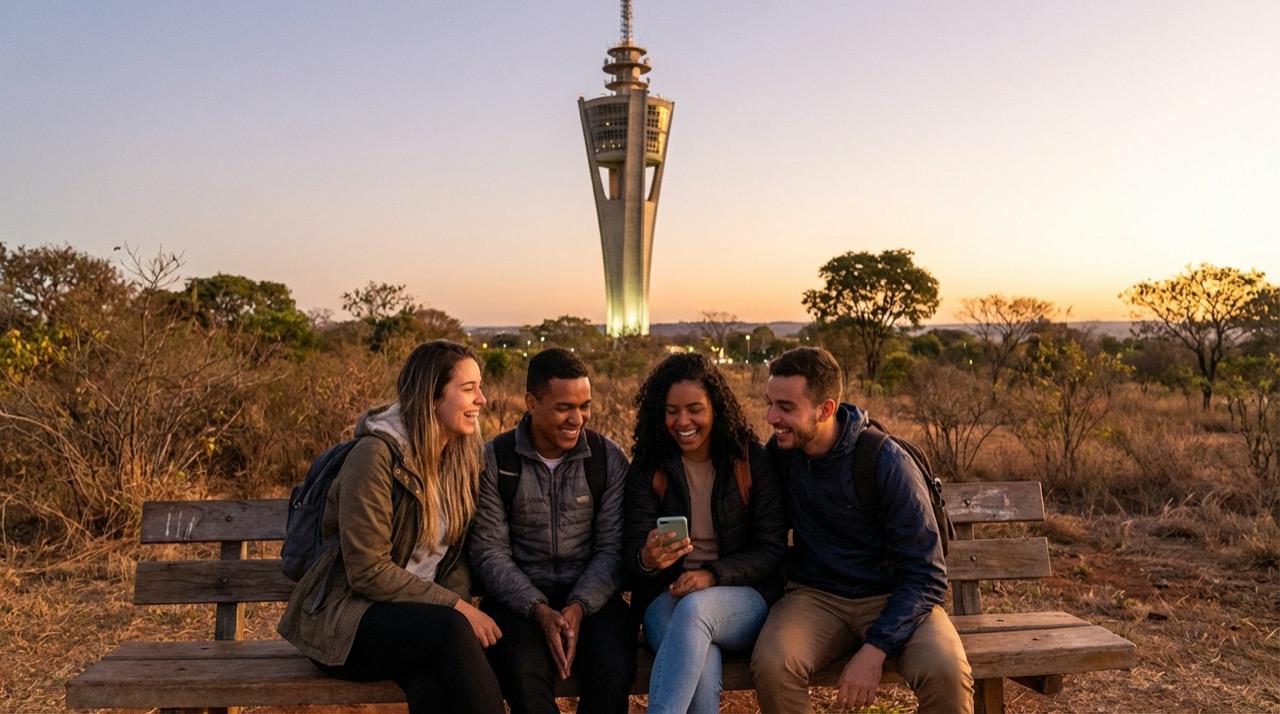
Brasília is a young city (founded 1960) and its slang reflects a mix of influences from all over Brazil, since families migrated from every state to build and populate the new capital. The resulting dialect is sometimes called 'Candango' Portuguese. You will hear a relatively neutral accent with some unique local expressions.
Candango
A person from Brasília (especially the original builders/settlers)
Originally referred to the construction workers who built the city. Now used broadly for Brasília natives, sometimes with pride.
Véi
Dude / bro (from 'velho' = old)
/VEH-ee/
Extremely common filler word in Brasília. Used at the beginning or end of sentences: 'Véi, que massa!' (Dude, that's awesome!).
Massa!
Awesome! / Cool!
/MAH-sah/
The go-to word for expressing approval in Brasília. 'A festa foi massa!' = 'The party was awesome!'.
Monstra!
Amazing! / Incredible! (feminine of 'monstro')
/MOHN-strah/
Used to describe something exceptionally good: 'Essa comida tá monstra!' (This food is incredible!).
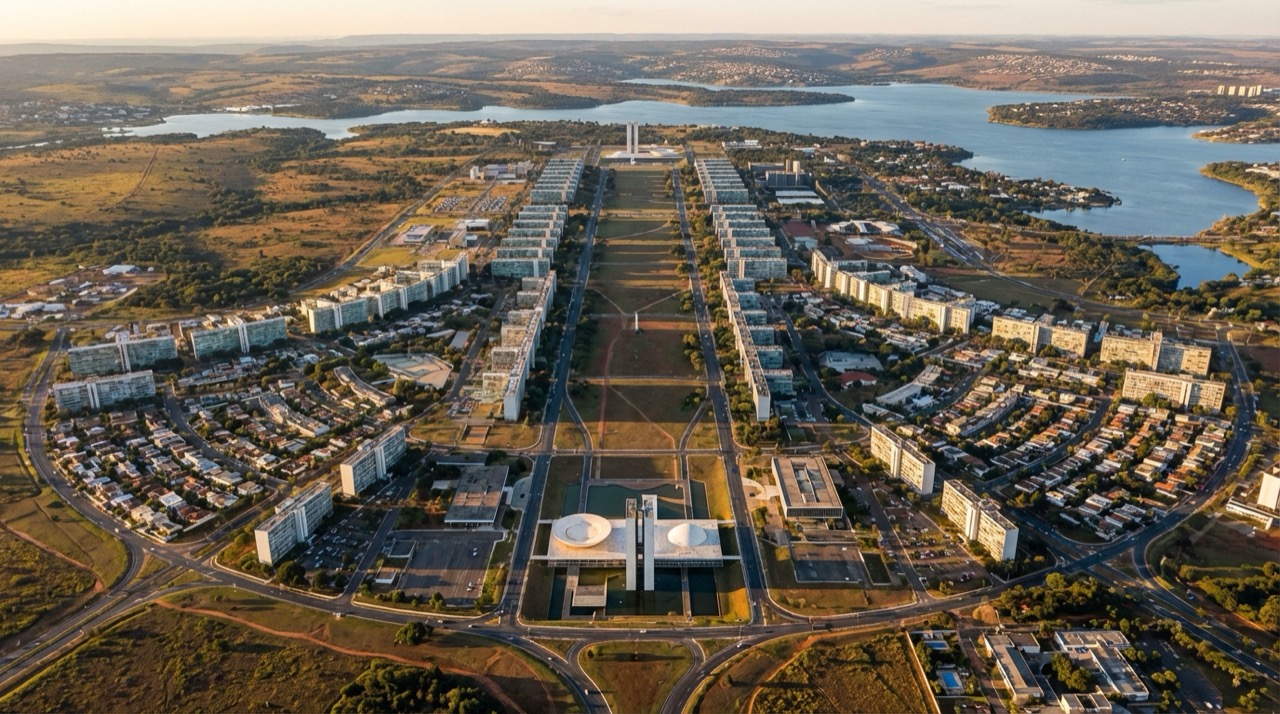
Brasília is unlike any other city. Designed by urbanist Lucio Costa, the central area (Plano Piloto) is shaped like an airplane when viewed from above. Instead of traditional neighborhoods with street names, the city uses a system of sectors and numbered superquadras. Understanding this system is key to navigating the city.
Asa Sul (South Wing)
The older, more established residential wing of the Plano Piloto. Tree-lined superquadras with mature gardens, local restaurants in every commercial block, and a settled, community feel. Quadras 100-400 run along the wing.
Addresses follow this pattern: SQS 308, Bloco A, Apt 201 (SQS = Super Quadra Sul). Tell taxi drivers the quadra number, not a street name.
Asa Norte (North Wing)
The younger, more bohemian wing with a vibrant university scene (UnB is nearby). More restaurants, bars, and cultural spaces. CLN (Comércio Local Norte) blocks have some of the city's best dining options.
'Vamos pra CLN?' (Let's go to the CLN?) is how locals suggest going out to eat or drink in the Asa Norte area.
Esplanada dos Ministérios
The monumental government axis. A wide boulevard flanked by identical ministry buildings, leading from the National Congress to the Praça dos Três Poderes (Three Powers Plaza). The civic heart of Brazil.
You will hear very formal Portuguese here. Government workers tend to use 'o senhor/a senhora' (sir/madam) more than casual 'você'.
Lago Sul & Lago Norte
Upscale residential areas around Lago Paranoá. Large houses, embassies, yacht clubs, and some of Brasília's best restaurants. The Pontão do Lago Sul is a popular waterfront dining and nightlife area.
'Bora pro Pontão' (Let's go to the Pontão) is the standard invitation for waterfront dining and drinks at Lago Sul.
Ceilândia & Taguatinga
The largest satellite cities, home to the majority of Brasília's population. Vibrant, working-class communities with incredible street food, live forró and sertanejo music, and a raw, authentic energy that the Plano Piloto sometimes lacks.
Slang is thicker here. You will hear more regional expressions from the Northeast (where many families originally migrated from). 'Arretado' (awesome, Northeastern origin) is common alongside 'massa'.
Want to actually remember these phrases?
Save them to your flashcard deck and Decko will quiz you at the perfect time using spaced repetition.
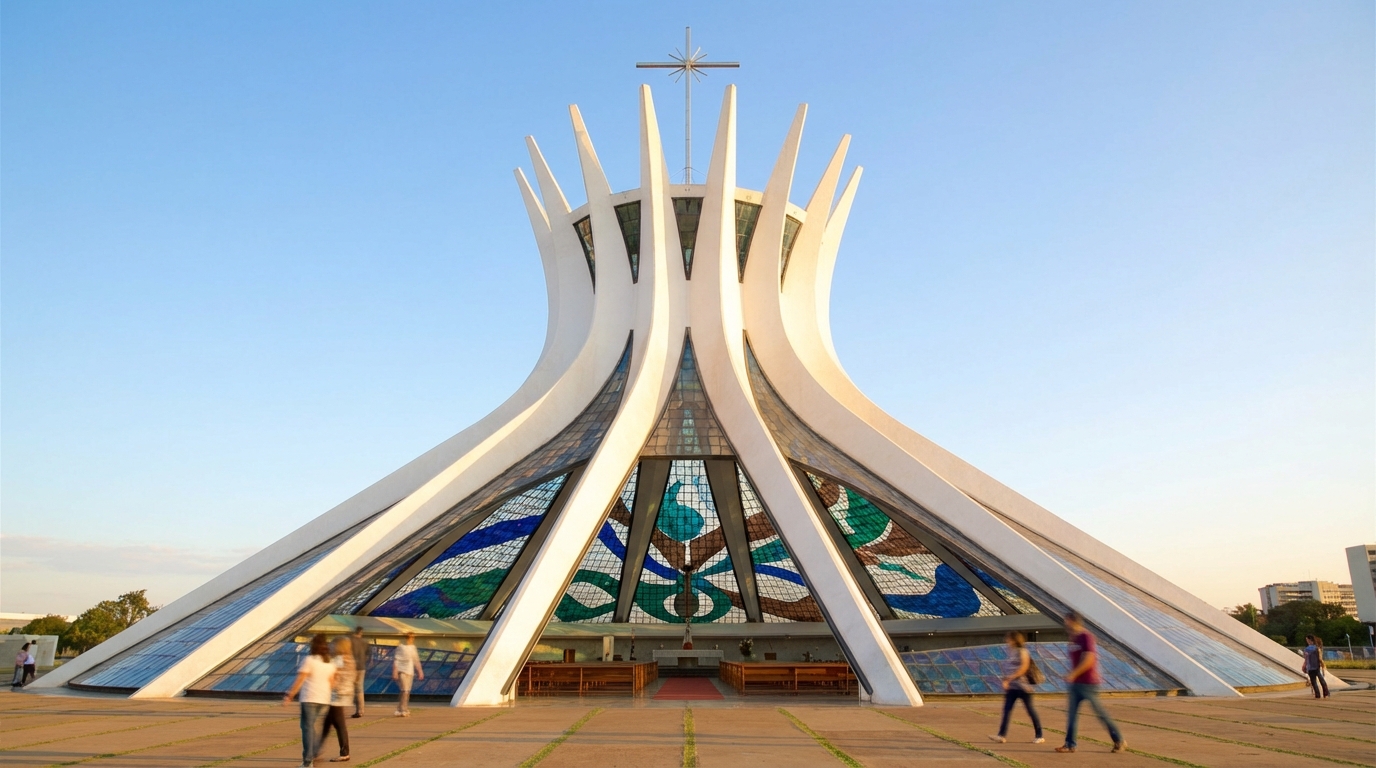
Brasília is a UNESCO World Heritage Site and one of the greatest collections of modernist architecture in the world. Almost every major building was designed by Oscar Niemeyer. The city itself is the attraction. Most monuments are free to visit and concentrated along the Eixo Monumental (Monumental Axis).
Catedral Metropolitana
Niemeyer's crown-shaped cathedral with 16 curved columns reaching skyward. The interior is flooded with colorful light from stained glass panels by Marianne Peretti. You enter through a dark underground tunnel that opens into the luminous main space.
'Que obra de arte!' (What a work of art!) is a natural reaction. 'Obra' is used for both artwork and construction, fitting for a building that is both.
Congresso Nacional
The iconic twin towers flanked by the dome of the Senate and the bowl of the Chamber of Deputies. Free guided tours explain Brazil's legislative process. The reflecting pool in front creates perfect symmetry photos.
'Câmara' (Chamber) and 'Senado' (Senate) are words you will hear constantly in Brasília's news and conversations.
Praça dos Três Poderes
Three Powers Plaza brings together the Executive (Palácio do Planalto), Legislative (Congress), and Judicial (Supreme Court) branches. The Panteão da Pátria and the monumental dove sculpture are worth seeking out.
'Os três poderes' (the three powers) is a fundamental concept in Brazilian civics. Locals refer to government decisions as coming from 'o Planalto' (the Executive).
Palácio da Alvorada
The official residence of the President of Brazil. Its elegant column design is one of Niemeyer's most recognizable silhouettes. The exterior and grounds can be viewed from the road; interior tours are occasionally offered.
'Alvorada' means 'dawn' in Portuguese. The name symbolizes the dawn of a new era when Brasília was inaugurated as the capital.
Memorial JK
A tribute to Juscelino Kubitschek, the president who made Brasília a reality. Houses his personal objects, the presidential car, and a stunning stained glass ceiling. His tomb is inside.
JK is always pronounced letter by letter: 'jota-ká'. Kubitschek is a common reference point: 'Desde o tempo do JK' (Since JK's time) means something is very old.
Ponte JK (JK Bridge)
A modern architectural masterpiece with three asymmetrical arches crossing Lago Paranoá. Especially stunning at night when illuminated. Connects the Plano Piloto to Lago Sul.
'Ponte' (bridge) is feminine in Portuguese. 'A ponte é linda à noite' (The bridge is beautiful at night).
Museu Nacional
Niemeyer's last major work in Brasília, a gleaming white dome that looks like a flying saucer. Hosts rotating art and cultural exhibitions. The external ramp is an architectural experience in itself.
'Exposição' (exhibition) and 'acervo' (collection) are useful words when visiting museums. 'Tem exposição nova?' (Is there a new exhibition?).
Torre de TV (TV Tower)
A 224-meter broadcast tower with a free observation deck offering panoramic views of the entire Plano Piloto. On weekends, a craft fair (Feira da Torre) sets up at the base with local artisans and food stalls.
'Feira' means 'fair' or 'market'. 'Vamos dar uma volta na feira?' (Shall we take a stroll through the fair?) is a typical weekend plan.
Parque da Cidade Sarah Kubitschek
One of the largest urban parks in the world. Locals jog, cycle, picnic, and play sports here. A great place to experience everyday Brasiliense life away from the monuments.
'Vamos pro parque?' (Let's go to the park?) is a staple weekend plan. 'Fazer um cooper' means to go jogging (from the English name Cooper, an exercise pioneer).
Santuário Dom Bosco
A breathtaking church with walls made entirely of blue and purple stained glass. The effect inside is otherworldly, especially when sunlight pours through. Often considered more beautiful than the main cathedral.
Dom Bosco had a prophetic dream about a 'promised land between parallels 15 and 20' that Brasília's founders took as a sign. 'Profecia' (prophecy) is a word you might hear in this context.
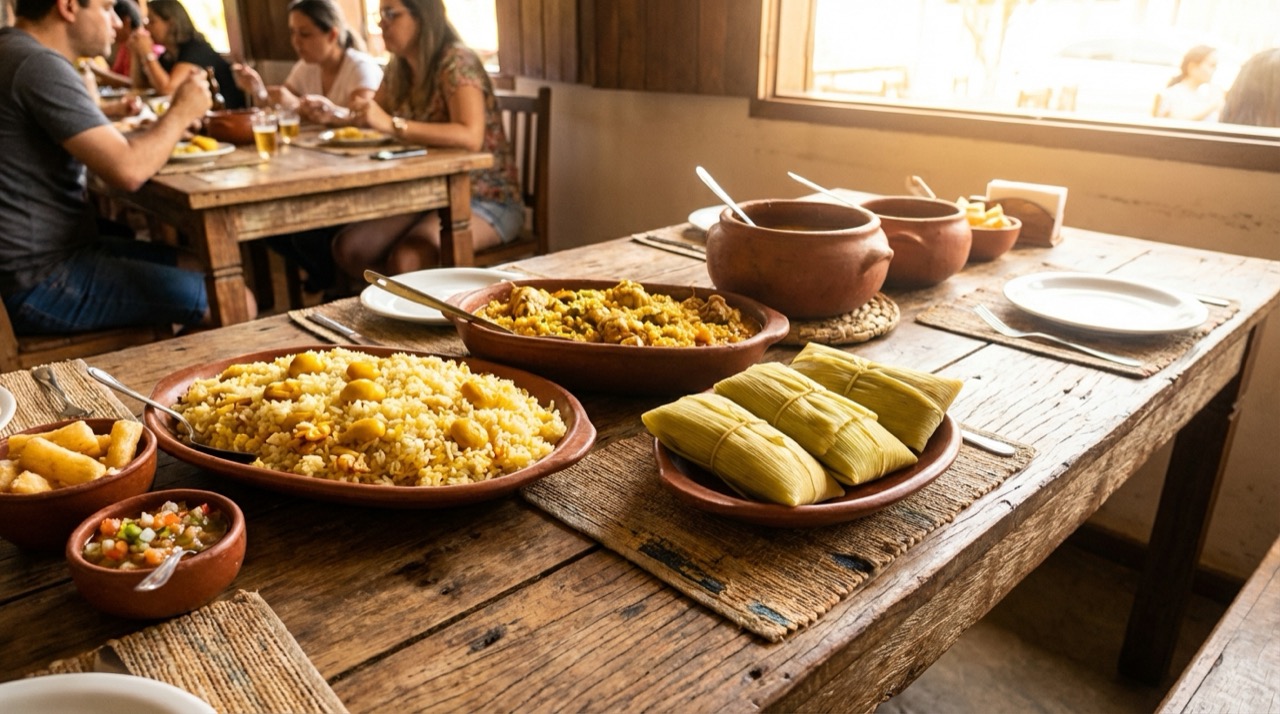
Brasília's food scene blends influences from all over Brazil (since its residents came from everywhere), but the standout local flavors come from the cerrado biome. Pequi, baru nuts, and gueroba are native ingredients you will not find easily elsewhere. The city also has excellent churrascarias and a growing modern dining scene.
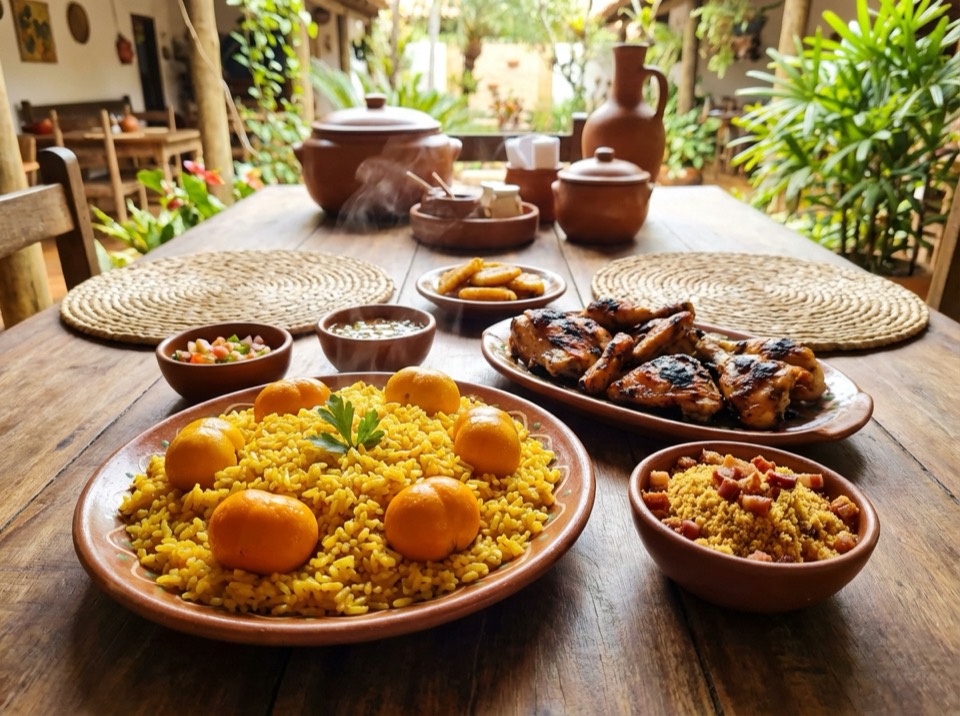
Arroz com Pequi
Rice cooked with pequi, a bright yellow cerrado fruit with a strong, distinctive flavor. A love-it-or-hate-it dish. WARNING: never bite into the pequi seed, it is covered in tiny thorns that lodge in your gums.
How to order
Quero o arroz com pequi, por favor. (I'd like the pequi rice, please.) If asked 'Já experimentou pequi?' (Have you tried pequi before?), be honest. They will warn you about the thorns.
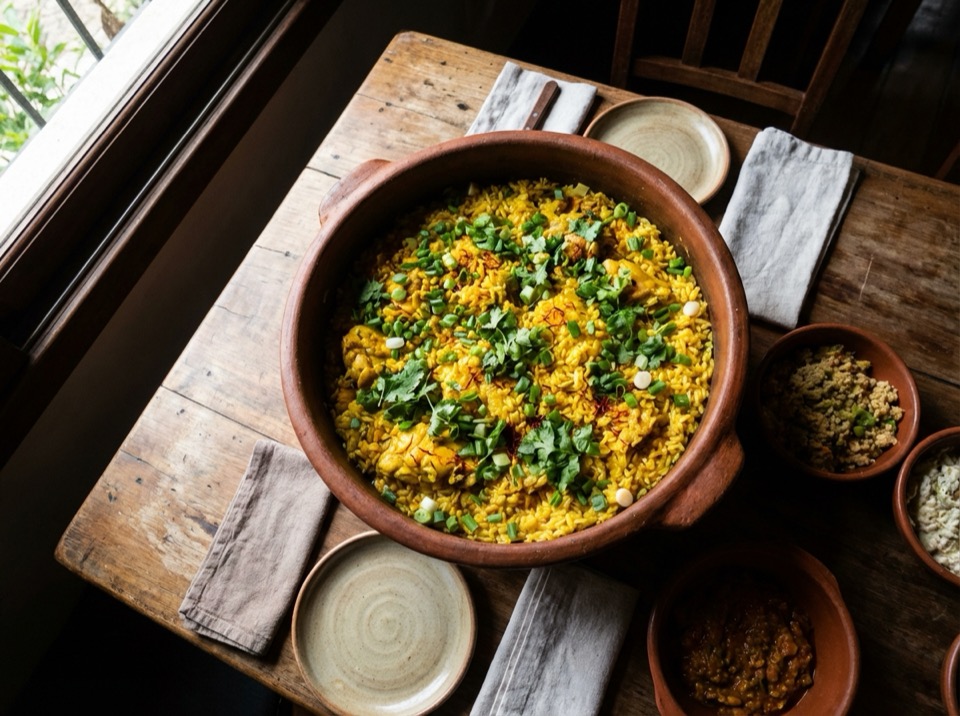
Galinhada
A rich, hearty chicken and rice dish seasoned with saffron and pequi, originally from Goiás. Comfort food at its best. Often served at family gatherings and local restaurants.
How to order
Uma galinhada, por favor. (One galinhada, please.) It is usually a generous portion meant for sharing.
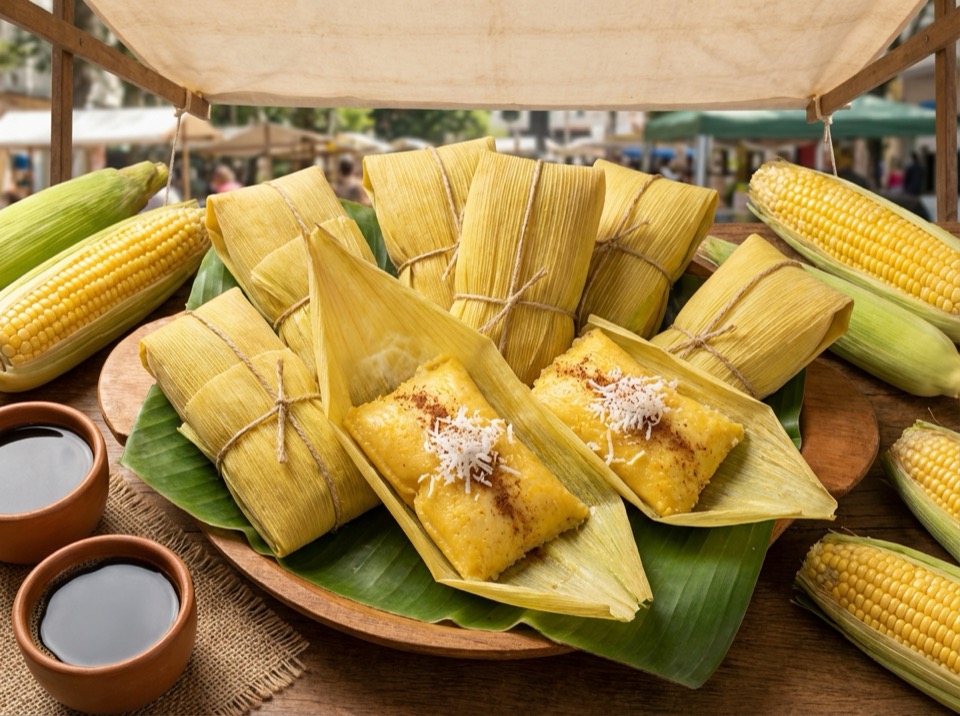
Pamonha
Fresh corn dough wrapped in corn husks and boiled or steamed. Can be sweet (doce) or savory (salgada, often with cheese or pork). Sold at roadside stands and in the satellite cities.
How to order
Quero duas pamonhas, uma doce e uma salgada. (I want two pamonhas, one sweet and one savory.)
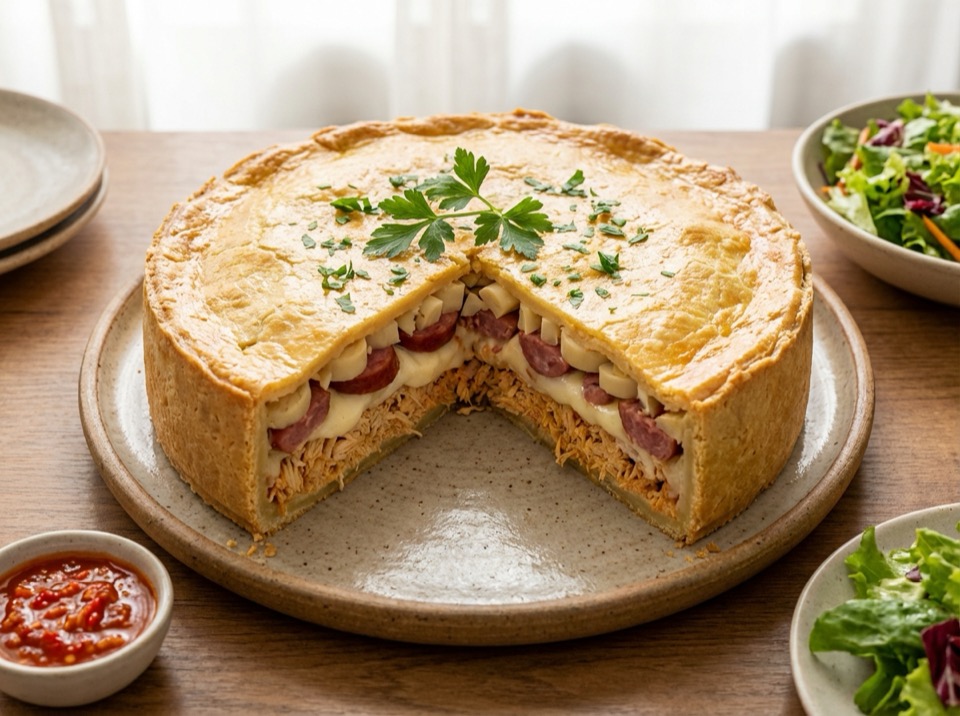
Empadão Goiano
A massive savory pie filled with chicken, sausage, cheese, olives, hearts of palm, and guariroba (a bitter palm heart native to the cerrado). A single slice is a full meal.
How to order
Uma fatia de empadão, por favor. (A slice of empadão, please.) 'Fatia' means slice.
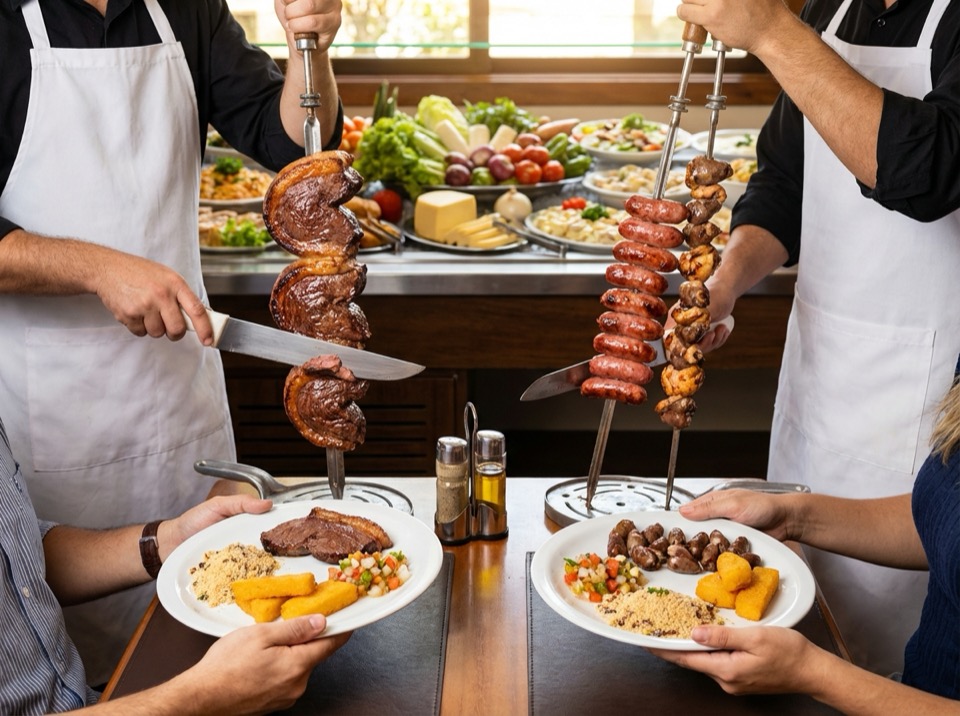
Churrasco Brasiliense
Brasília has some of Brazil's best churrascarias (steakhouses). The rodízio style brings endless cuts of meat to your table. Picanha (top sirloin) is the star cut.
How to order
Rodízio de carnes para um, por favor. (Meat rodízio for one, please.) Flip the card to green side up when you want more meat, red side up to pause.
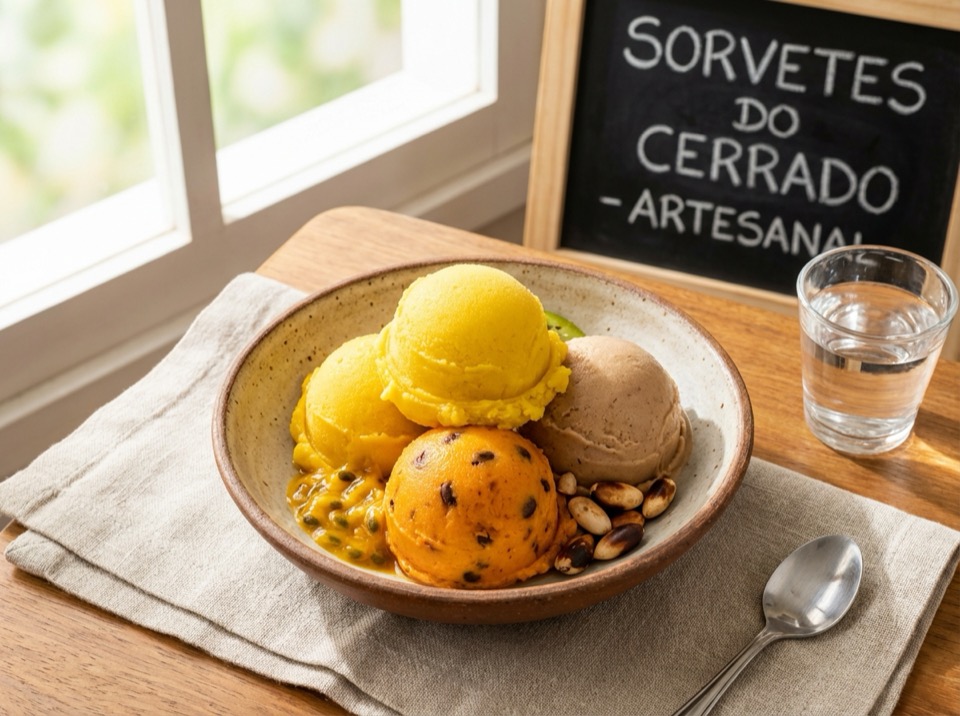
Sorvete de Frutas do Cerrado
Ice cream made from cerrado fruits like mangaba, cagaita, araticum, and baru. These flavors are unique to central Brazil and hard to find anywhere else.
How to order
Quais sabores do cerrado vocês têm? (Which cerrado flavors do you have?) Then: 'Quero uma bola de [flavor].' (I want one scoop of [flavor].)
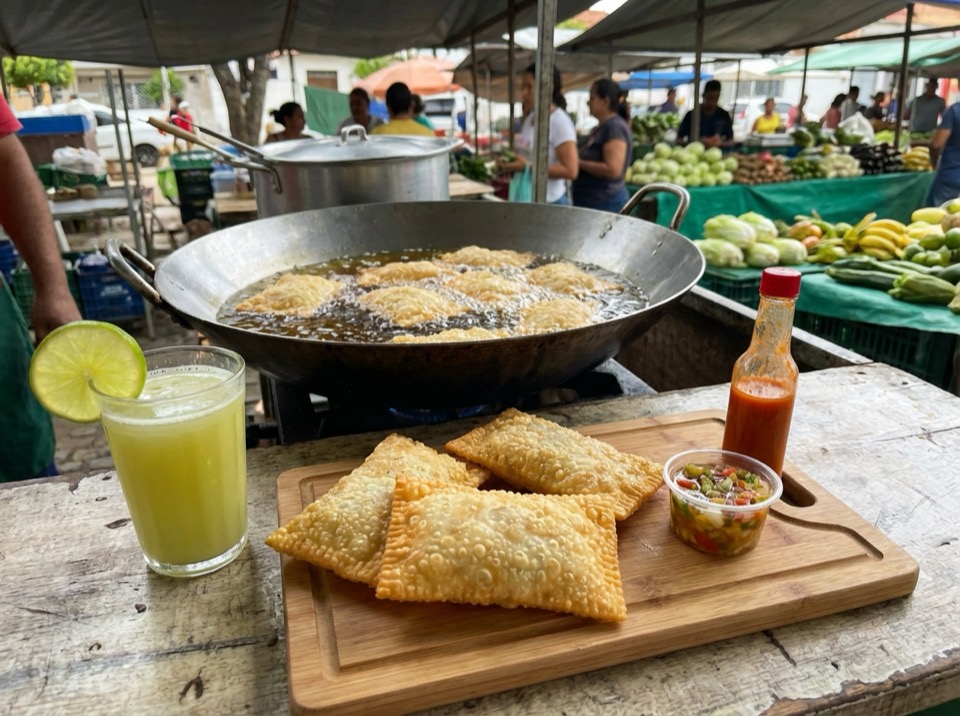
Pastel de Feira
Deep-fried pastry with various fillings (cheese, ground meat, hearts of palm, shrimp). Best at weekend fairs like the Feira da Torre. Traditionally paired with sugarcane juice (caldo de cana).
How to order
Um pastel de carne e um caldo de cana, por favor. (One meat pastel and one sugarcane juice, please.)
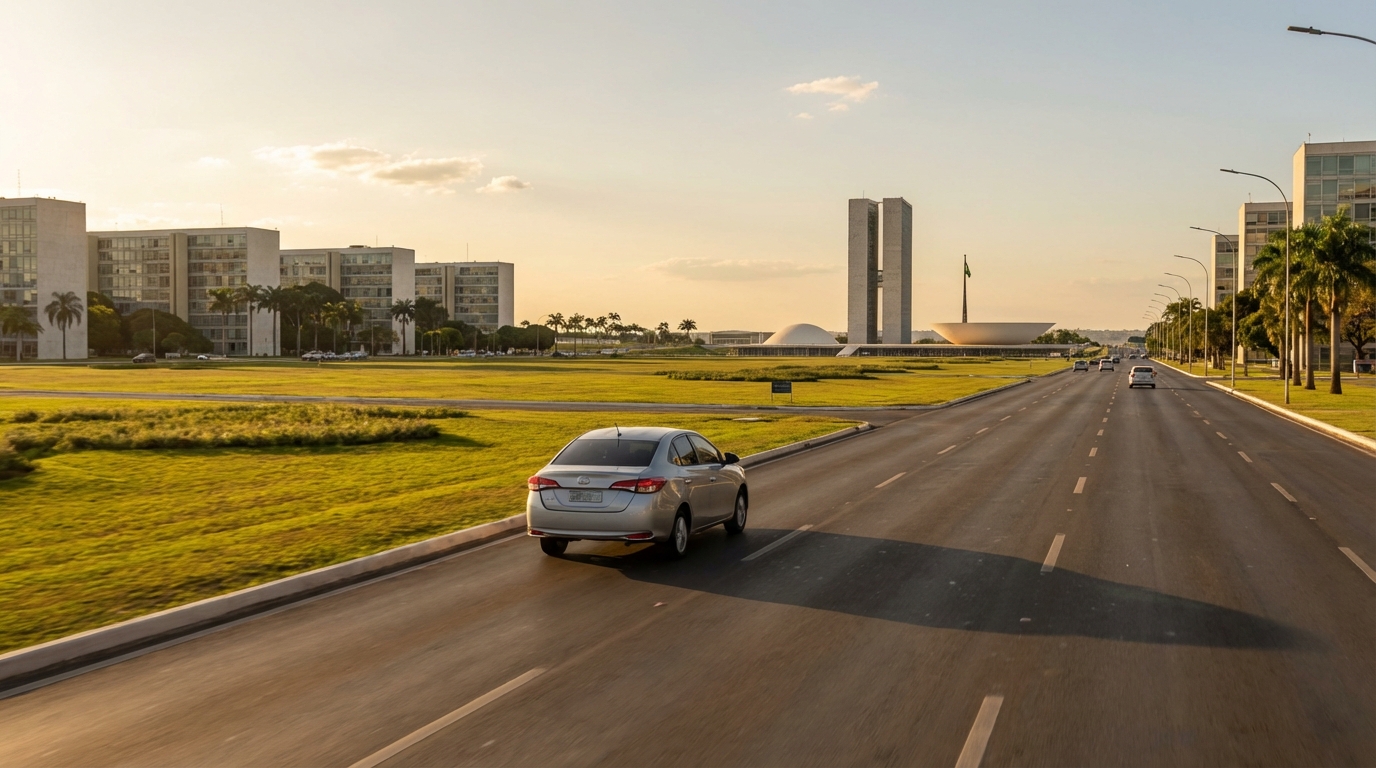
Brasília was designed by and for cars. Distances are large, sidewalks can be sparse, and the city's sector-based layout makes navigation confusing at first. A car or ride-hailing app is almost essential for getting around the Plano Piloto comfortably.
Carro / App de corrida (Car / Ride-hailing)
99 (local app) and Uber are widely used. Given the city's car-centric design, this is the most practical way to get around. Parking is usually easy and cheap.
- Download the '99' app alongside Uber. It often has better prices in Brasília.
- When giving your destination, use the sector/quadra system: 'SQS 308' or 'CLN 403'. Drivers understand these instantly.
- Brasília has 'tesourinhas' (cloverleaf interchanges) instead of traffic lights on main roads. Your driver may take what seems like a long detour to make a U-turn. This is normal.
- Rush hour on the Eixo (6:30-9:00 and 17:00-19:30) can double travel times.
Metrô (Metro)
Two lines connecting satellite cities (Ceilândia, Taguatinga, Samambaia, Águas Claras) to the central Rodoviária. Useful for reaching the Plano Piloto from the suburbs, but limited coverage within the center.
- The metro runs from 6:00 to 23:30 on weekdays, shorter hours on weekends.
- 'Cartão único' is the rechargeable transit card. Buy one at any station.
- Rodoviária station is the main hub where both lines converge, right at the center of the Plano Piloto.
- Metro is safe and clean but covers only a small fraction of the city.
Ônibus (Bus)
An extensive but sometimes confusing bus network. Useful for reaching satellite cities. Most routes pass through the Rodoviária central bus station.
- Ask 'Esse ônibus vai para...?' (Does this bus go to...?) before boarding.
- The BRT (Bus Rapid Transit) line to Gama and Santa Maria is faster than regular buses.
- Pay with the cartão único or cash. Enter through the front door.
- Bus apps like 'Moovit' show real-time routes and schedules for Brasília.
A pé / Bicicleta (Walking / Cycling)
Within a single superquadra, walking is pleasant thanks to green areas and pedestrian paths. Between sectors, however, the distances and car-oriented design make walking impractical.
- +Bike is Brasília's bike-sharing system. Stations are scattered around the Plano Piloto.
- The Eixinho (smaller parallel road) is more pedestrian-friendly than the Eixo itself.
- Parque da Cidade and the area around Lago Paranoá are excellent for cycling.
- Wear sunscreen and carry water. Brasília's cerrado climate means intense sun and low humidity.
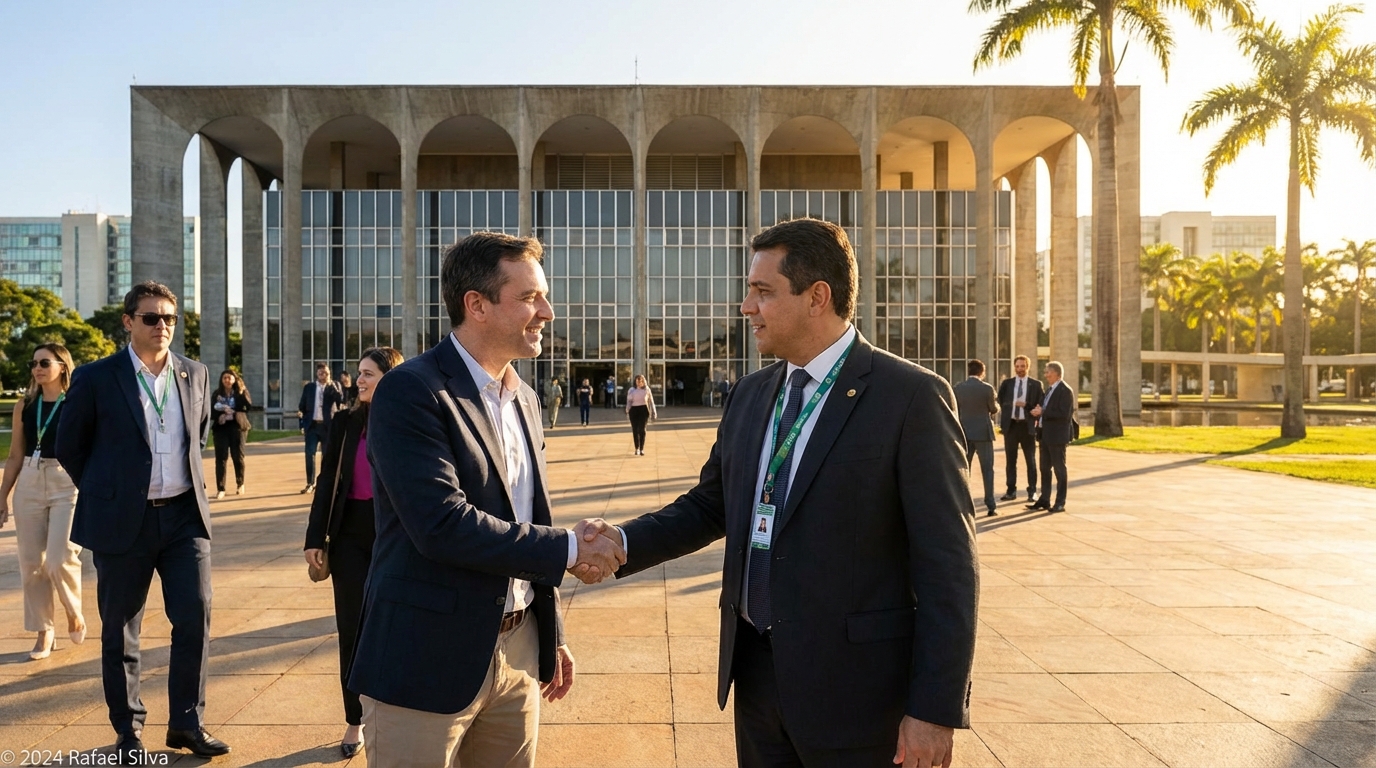
Brasília has a unique culture shaped by its role as a planned capital. It blends the formality of government life with the warmth of the migrants who built it. The city can feel impersonal at first due to its monumental scale, but look closer and you will find vibrant communities, arts scenes, and a strong local identity.
Do
- Visit the government buildings. Many offer free guided tours and the architecture alone is worth the trip.
- Explore the satellite cities for authentic food, music, and local culture that the Plano Piloto sometimes lacks.
- Carry water and sunscreen. Brasília sits in the cerrado and the dry season (May to September) brings extremely low humidity, sometimes below 15%.
- Try pequi at least once, but remember: scrape the fruit with your teeth, never bite into the seed.
- Ask about the city's history. Locals are proud of the vision behind Brasília and enjoy sharing stories about JK, Niemeyer, and Lucio Costa.
- Use the sector/quadra system when giving addresses. It seems confusing at first but it is logical once you understand the pattern.
- Visit on weekends when government workers relax and the parks and fairs come alive.
Avoid
- Do not expect to walk between major attractions. They look close on the map but distances are deceptive.
- Do not dismiss the satellite cities as 'not real Brasília'. They are home to 80% of the population and have their own rich culture.
- Do not visit during the dry season without moisturizer and a water bottle. The air can be harsh on skin and sinuses.
- Do not bite the pequi seed. Seriously. The tiny spines will lodge in your tongue and gums.
- Do not expect vibrant nightlife in the Plano Piloto on weeknights. Government workers keep early schedules. Weekend is when things come alive.
- Do not litter or damage the modernist buildings. Brasília is a UNESCO World Heritage Site and preservation is taken seriously.
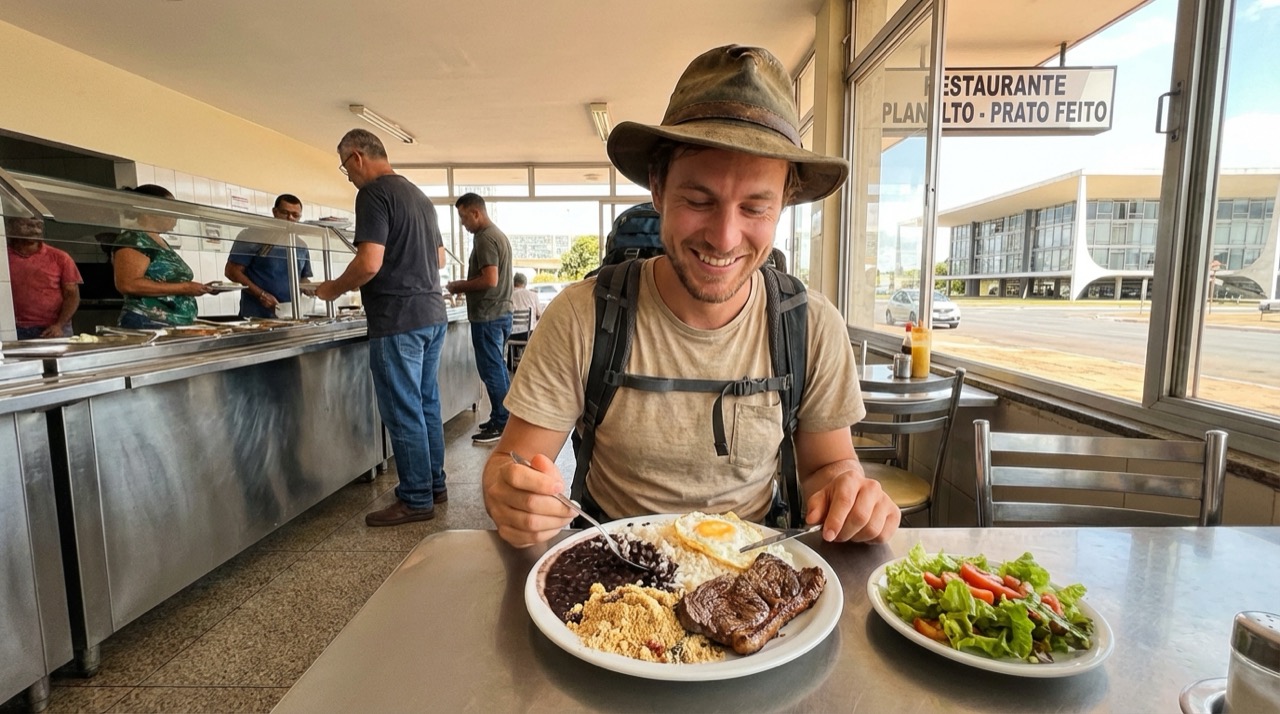
Brasília can be expensive, especially in the Plano Piloto where government salaries inflate prices. But savvy travelers can keep costs down by eating at self-service restaurants, using public transit, and taking advantage of the many free cultural attractions.
Typical Prices
Money-Saving Tips
- Eat at 'por quilo' (by weight) self-service restaurants. You pay per gram, so you control the cost. This is how most working locals eat lunch.
- Nearly all major attractions, government buildings, and museums are free to enter. Budget zero for sightseeing.
- Avoid eating in the Setor Hoteleiro (hotel sector). Prices are tourist-inflated. Walk a few blocks to a commercial quadra for local prices.
- The Feira da Torre on weekends has affordable crafts and food. Great for souvenirs.
- Use the metro to commute from cheaper accommodation in Águas Claras or Taguatinga to the Plano Piloto.
- Grocery stores like 'Super Maia' and 'Pão de Açúcar' are cheaper than convenience stores in hotel areas.
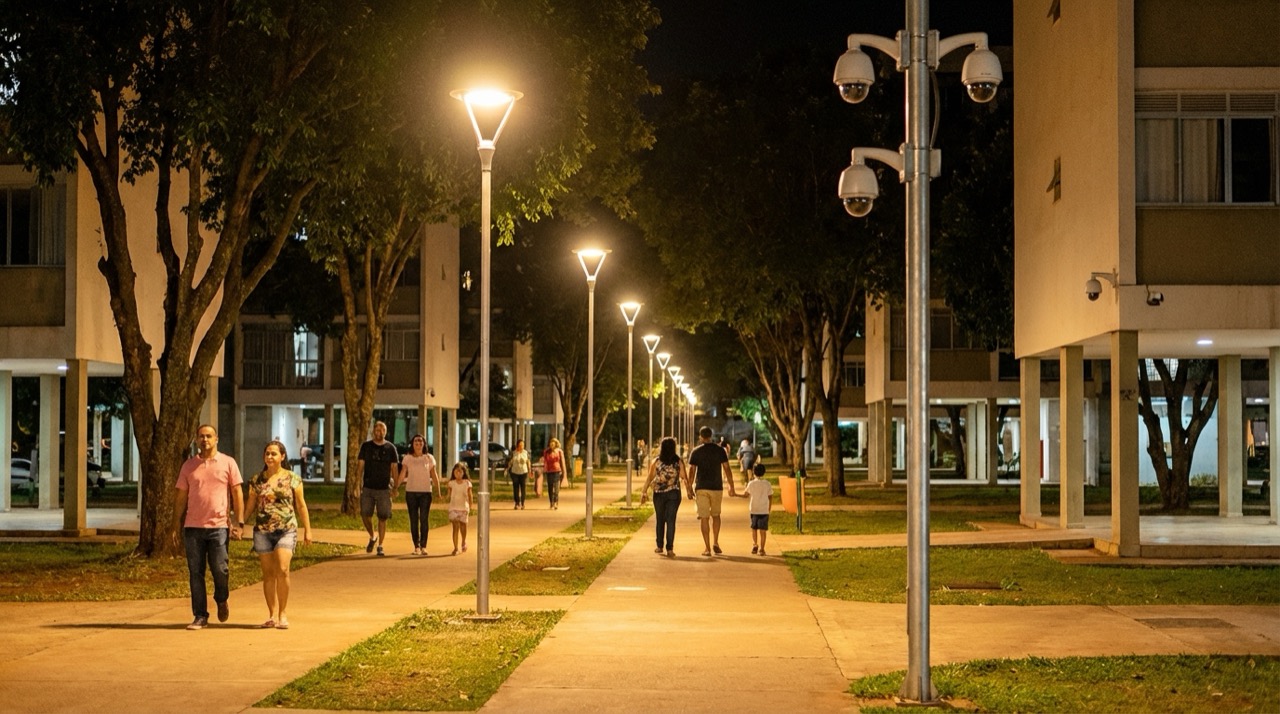
Brasília's Plano Piloto is generally safe during the day, especially around government buildings and commercial areas. Standard urban precautions apply at night and in less-trafficked areas. The satellite cities vary in safety, so ask locals for advice before venturing out. Keep valuables out of sight and be aware of your surroundings, as in any large Brazilian city.
Preciso de ajuda!
I need help!
/Preh-SEE-zoo jee ah-JOO-dah!/
Use in any emergency situation. Brazilians are generally very willing to help.
Pode chamar a polícia, por favor?
Can you call the police, please?
/POH-jee shah-MAR ah poh-LEE-see-ah, por fah-VOR?/
Emergency number is 190 for police, 192 for ambulance, 193 for fire department.
Fui assaltado/assaltada.
I was robbed. (male/female)
/Foo-ee ah-sahl-TAH-doo / ah-sahl-TAH-dah./
Go to the nearest 'delegacia' (police station) to file a report (boletim de ocorrência / B.O.).
Onde fica a delegacia mais próxima?
Where is the nearest police station?
/OHN-jee FEE-kah ah deh-leh-gah-SEE-ah mahys PROH-see-mah?/
You will need a B.O. (police report) for insurance claims.
Não estou me sentindo bem. Preciso de um hospital.
I'm not feeling well. I need a hospital.
/Nowm es-TOH mee sehn-TEEN-doo behm. Preh-SEE-zoo jee oom os-pee-TAHL./
Hospital de Base (Asa Sul) is the largest public hospital. Private hospitals like Santa Lúcia and Sírio Libanês also operate in Brasília.
Essa área é segura à noite?
Is this area safe at night?
/EH-sah AH-ree-ah eh seh-GOO-rah ah NOY-chee?/
Ask hotel staff or locals. The Esplanada area is largely deserted at night and best avoided.
Cuidado com os seus pertences.
Watch out for your belongings.
/Kwee-DAH-doo kohm ooz seh-ooz per-TEHN-sees./
Locals may warn you in crowded areas or at fairs. Take the warning seriously and keep bags in front of you.
Meu celular foi roubado.
My phone was stolen.
/Meh-oo seh-loo-LAR foy ho-BAH-doo./
File a B.O. and call your carrier to block the device. 'Roubo' (theft with threat) vs 'furto' (theft without confrontation).
Tem farmácia aberta por aqui?
Is there a pharmacy open around here?
/Tehm far-MAH-see-ah ah-BEHR-tah por ah-KEE?/
Pharmacies (Drogaria Rosário, Drogasil) are common in every commercial quadra. Some are open 24 hours.
Não mexe comigo, por favor.
Don't bother me, please.
/Nowm MEH-shee koh-MEE-goo, por fah-VOR./
A firm but polite way to discourage persistent vendors or anyone making you uncomfortable.
Community Tips

Ready to learn Portuguese for real?
Take these Brasília phrases with you. Decko uses spaced repetition to make sure you actually remember them when you need them.
Free forever. No credit card required.