Bogotá
Studying Spanish? Decko turns these phrases into smart flashcards that adapt to your memory.
Try free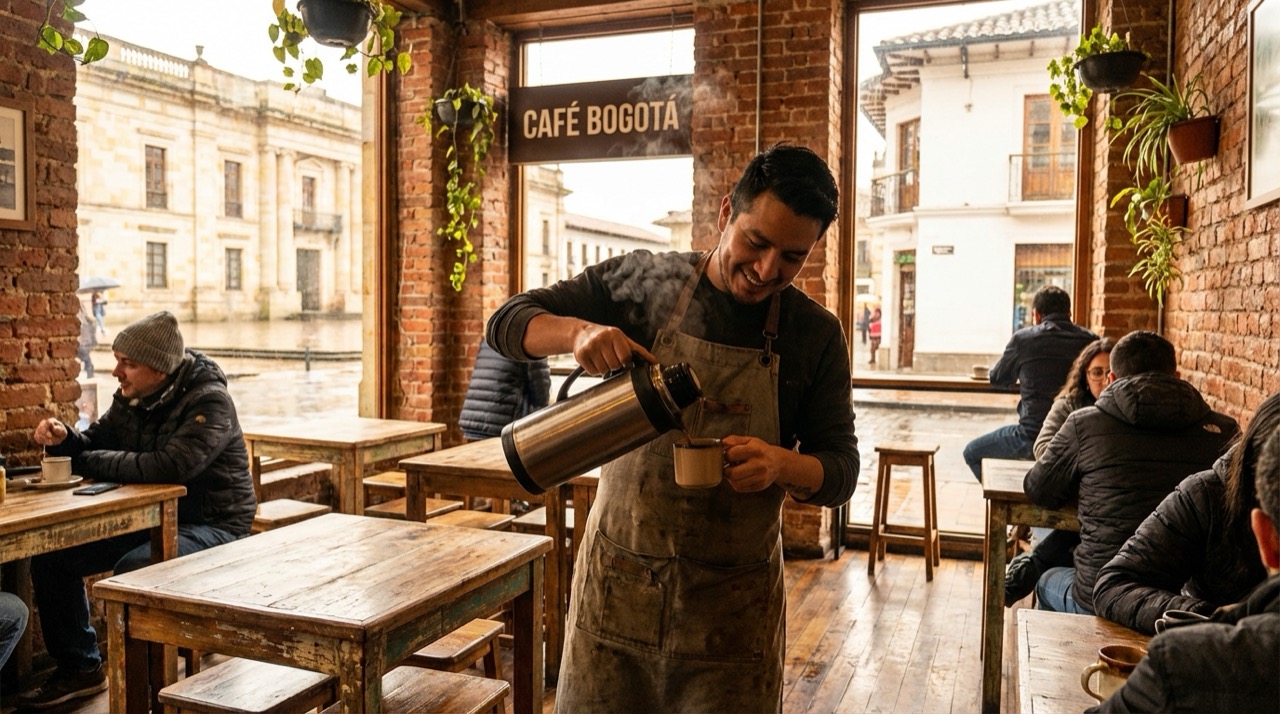
Colombian Spanish, especially the Bogotá variety (Rolo), is considered some of the clearest and most neutral Spanish in the world. Rolos are famously polite, using usted even with friends and family. You will hear 'sumercé' (a respectful 'you' unique to the Bogotá highlands) constantly. Speak formally and you will fit right in.
Regáleme un tinto, por favor.
Give me a black coffee, please.
/reh-GAH-leh-meh oon TEEN-toh por fa-VOR/
'Regáleme' literally means 'gift me' and is the standard polite way to order anything in Colombia. A tinto is a small black coffee, often sweetened. Not to be confused with tinto de verano (wine drink) in Spain.
¿Cuánto vale?
How much is it?
/KWAN-toh VAH-leh/
Colombians say 'vale' instead of 'cuesta' for prices. '¿A cómo está?' also works at markets.
Con mucho gusto.
With great pleasure. / You're welcome.
/kon MOO-choh GOOS-toh/
The Colombian response to 'gracias'. You will hear this everywhere instead of 'de nada'. It reflects the famous Colombian warmth.
Sumercé, ¿me puede ayudar?
Sir/Ma'am, can you help me?
/soo-mehr-SEH meh PWEH-deh ah-yoo-DAR/
'Sumercé' is a contraction of 'su merced' (your mercy), a colonial-era form of address still used daily in Bogotá and the Boyacá region. Extremely polite.
Bogotá slang (parlache and rolo expressions) blends highland formality with creative wordplay. Colombians are famous for their inventive use of language. While the base Spanish is clear and well-pronounced, everyday speech is packed with expressions you will not find in any textbook. Locals love diminutives: everything becomes smaller and cuter with -ito/-ita.
¡Qué chévere!
How cool! / Awesome!
/keh CHEH-veh-reh/
The universal Colombian expression for anything positive. Used constantly across all social classes. '¡Qué chévere la fiesta!' (What a great party!).
Parce / Parcero(a)
Buddy / Bro / Friend
/PAR-seh / par-SEH-roh/
The go-to word for addressing friends. Short form 'parce' is gender-neutral. 'Ey parce, ¿qué más?' (Hey dude, what's up?).
¿Qué más, pues?
What's up? / How are things?
/keh mahs pwehs/
The standard casual greeting among friends. 'Pues' is a filler word Colombians use constantly. It does not translate directly.
¡Qué nota!
That's great! / How cool!
/keh NOH-tah/
'Nota' literally means 'note' but here means something fun, exciting, or impressive. 'Ese restaurante es una nota' (That restaurant is amazing).
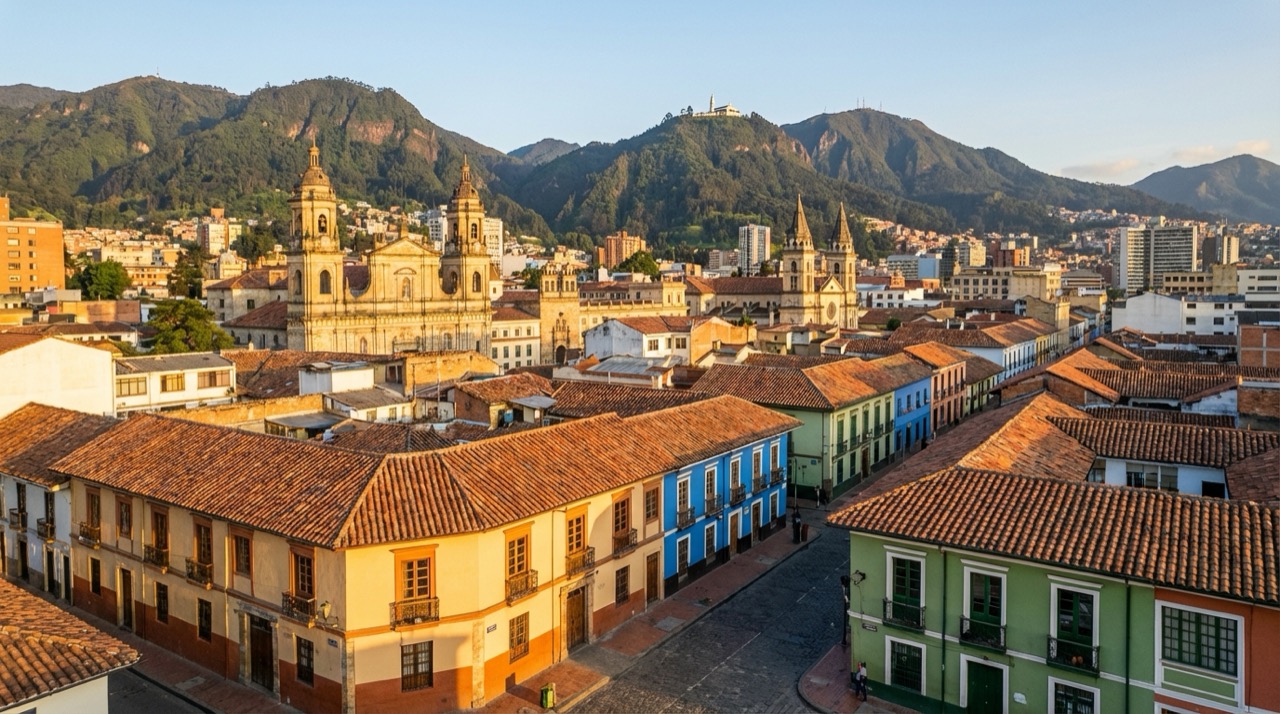
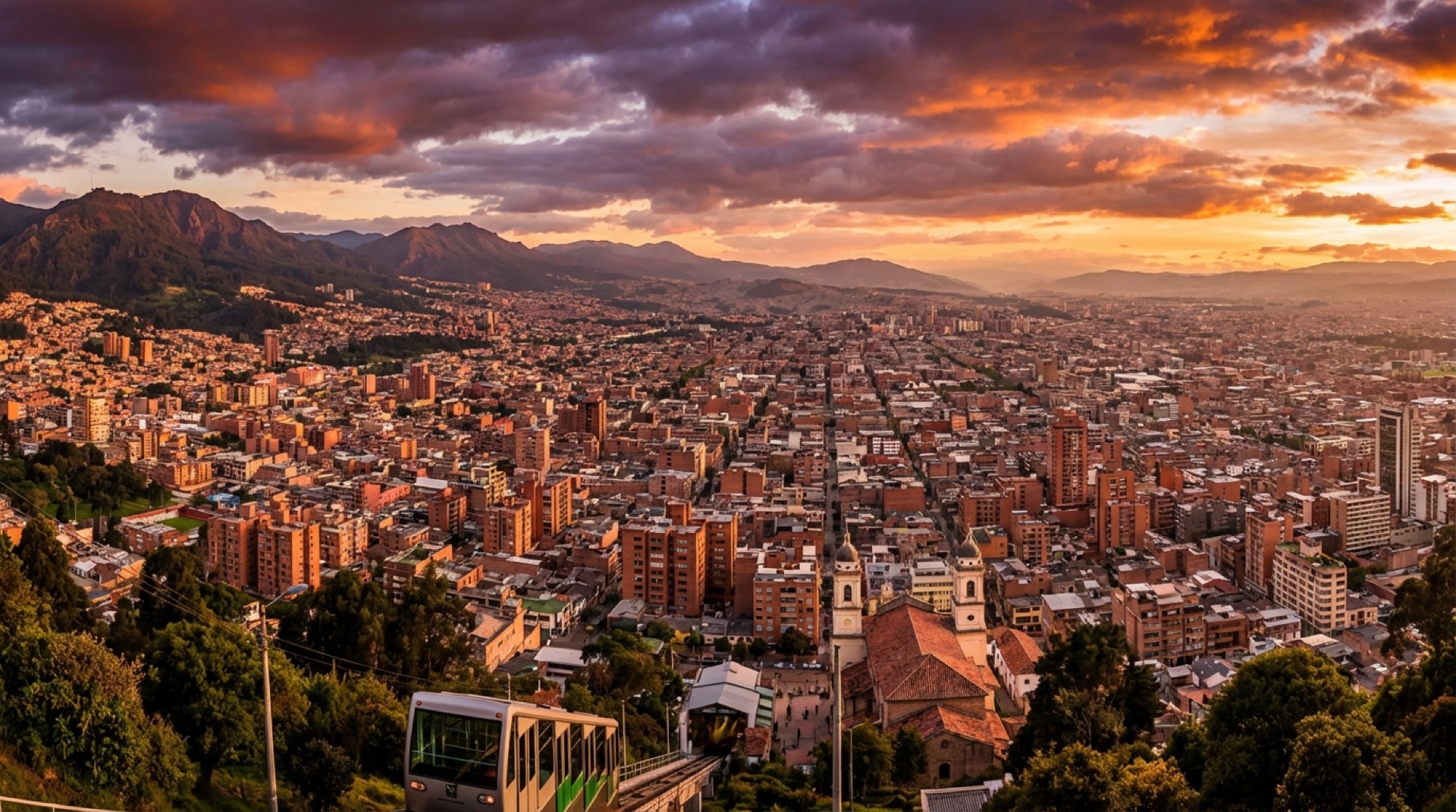
Bogotá is organized by 'localidades' (districts) and stratified into six socioeconomic levels (estratos 1-6). The north is wealthier, the south more working-class, and the center is where history and culture concentrate. As a visitor, you will spend most time in La Candelaria, Chapinero, and the Zona T area. The city is long and narrow, squeezed between the Eastern Hills (Cerros Orientales) and the savanna.
La Candelaria
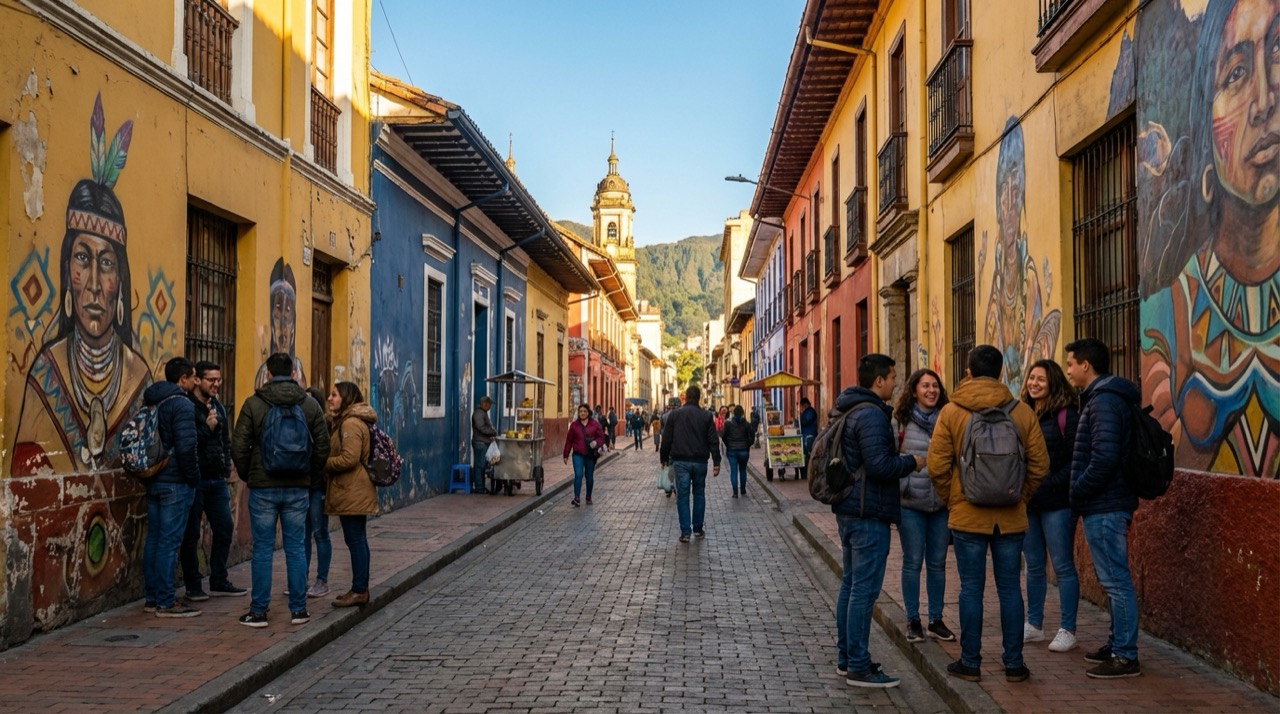
The colonial heart of Bogotá and the city's most visited neighborhood. Cobblestone streets lined with brightly painted houses, major museums (Museo del Oro, Botero), universities, and street art everywhere. Home to the Plaza de Bolívar with its imposing cathedral, congress building, and presidential palace. Vibrant during the day, quieter at night.
'La Candela' is the local shorthand. If someone says 'estoy en la Candela' they are in La Candelaria, not in trouble (though 'candelaria' can also mean a heated situation).
Chapinero
The trendy, diverse heart of modern Bogotá. Split into Chapinero Alto (hilly, residential, university area) and Chapinero Central (restaurants, bars, LGBTQ+ scene). The Zona G ('G for gastronomy') is a foodie corridor with high-end restaurants. This is where young Bogotanos go out on weekends.
Zona G and Zona T are named after the street layout that forms those letters. 'Vamos a la Zona T' means going to the upscale nightlife district.
Usaquén
A former colonial village absorbed by the city, now a charming neighborhood with a village-like feel. The Sunday flea market on the pedestrian streets is excellent for crafts, handmade jewelry, and street food. Upscale restaurants in converted colonial houses. Generally safe and walkable.
Usaquén comes from the Muisca indigenous word meaning 'Sun of the land'. Many Bogotá place names (Suba, Chía, Bosa) are Muisca in origin.
Zona T / Zona Rosa
The upscale nightlife and shopping hub. International brands, rooftop bars, clubs, and restaurants cluster around the T-shaped pedestrian street. The crowd is well-dressed, the drinks are pricier, and the energy peaks after midnight on Fridays and Saturdays. The Andino and El Retiro malls are nearby.
'Rumba' is the Colombian word for partying. '¿Vamos de rumba?' means 'shall we go out partying?' The verb is 'rumbear'.
Teusaquillo
A quieter residential neighborhood known for its 1930s-40s English-style architecture, tree-lined streets, and the massive Simón Bolívar park. Home to the National University campus. Fewer tourists, more authentic Bogotano daily life. Great for long walks and coffee stops.
Simón Bolívar Park is called 'el Simón Bolívar' or just 'el parque' by locals. It is massive and hosts the annual Rock al Parque festival.
Want to actually remember these phrases?
Save them to your flashcard deck and Decko will quiz you at the perfect time using spaced repetition.
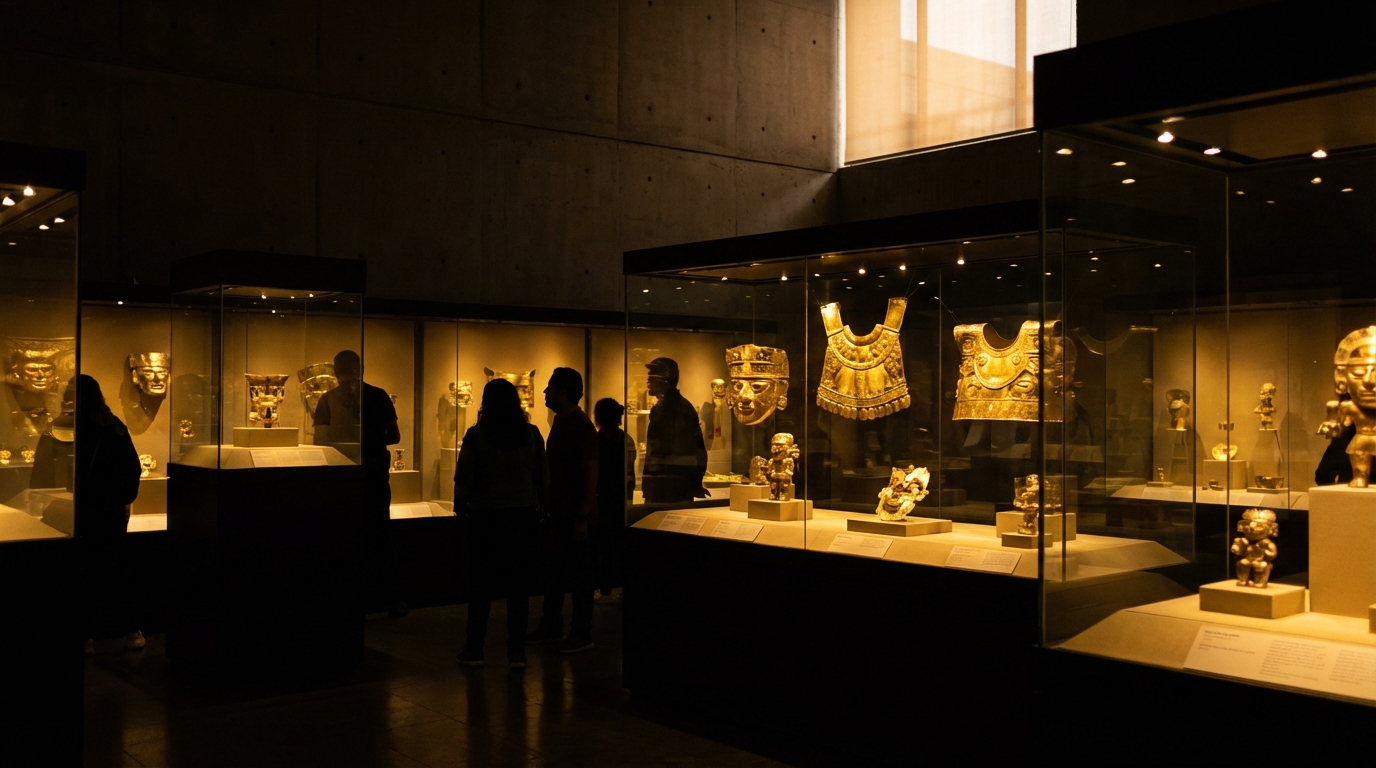
Bogotá packs a surprising amount of world-class culture into a gritty, high-altitude metropolis. The museums are genuinely outstanding (and many are free), the street art scene is internationally recognized, and the view from Monserrate alone is worth the trip. Give the city at least three full days.
Museo del Oro (Gold Museum)
The finest gold museum in the Americas, holding over 55,000 pieces of pre-Columbian gold work. The third-floor 'Offering Room' is spectacular: a dark circular chamber that slowly illuminates to reveal gold pieces from every angle. Free on Sundays. Plan for 2-3 hours.
'El Museo del Oro' is always shortened to 'el Oro'. '¿Ya fuiste al Oro?' (Have you been to the Gold Museum yet?).
Monserrate
The mountain overlooking Bogotá at 3,152 meters. Take the funicular (teleférico) or cable car (teleférico aéreo) to the top for a panoramic view of the entire city stretching across the savanna. There is a colonial church, restaurants, and a walking path at the summit. You can also hike up (about 1.5 hours) but only on the official trail.
'Subir a Monserrate' (to go up Monserrate) is a rite of passage. If you hike, locals will say '¿Subiste a pie?' (Did you go up on foot?) with genuine respect.
Museo Botero
Free museum featuring Fernando Botero's iconic 'fat' paintings and sculptures, plus his personal collection of Picasso, Monet, Renoir, and Dalí. Housed in a beautiful colonial building in La Candelaria. Smaller than you might expect but the quality is remarkable. Connected to the Banco de la República cultural complex.
Botero's style is called 'Boterismo'. Colombians are very proud of him. Saying 'me encanta Botero' (I love Botero) is always well received.
Street Art in La Candelaria
Bogotá has one of the most vibrant street art scenes in the world, and La Candelaria is ground zero. Massive murals cover entire building facades, created by artists like DjLu, Toxicómano, and Bastardilla. Free walking tours run daily and explain the political and social stories behind the art. The scene took off after a 2011 incident made international news.
Ask for a 'tour de grafiti' (graffiti tour). 'Grafiti' is the standard Spanish spelling. The guides speak English and explain the political context behind each piece.
Ciclovía (Sunday Bike Roads)
Every Sunday and holiday from 7 AM to 2 PM, Bogotá closes over 120 km of roads to cars and opens them to cyclists, runners, skaters, and walkers. Over a million people participate weekly. It is one of the largest and oldest car-free events in the world. Bike rentals are everywhere along the route.
'¿Vas a salir a la Ciclovía?' (Are you going out for Ciclovía?) is the Sunday morning question. It is such a part of Bogotá identity that people use it as a verb: 'cicloviar'.
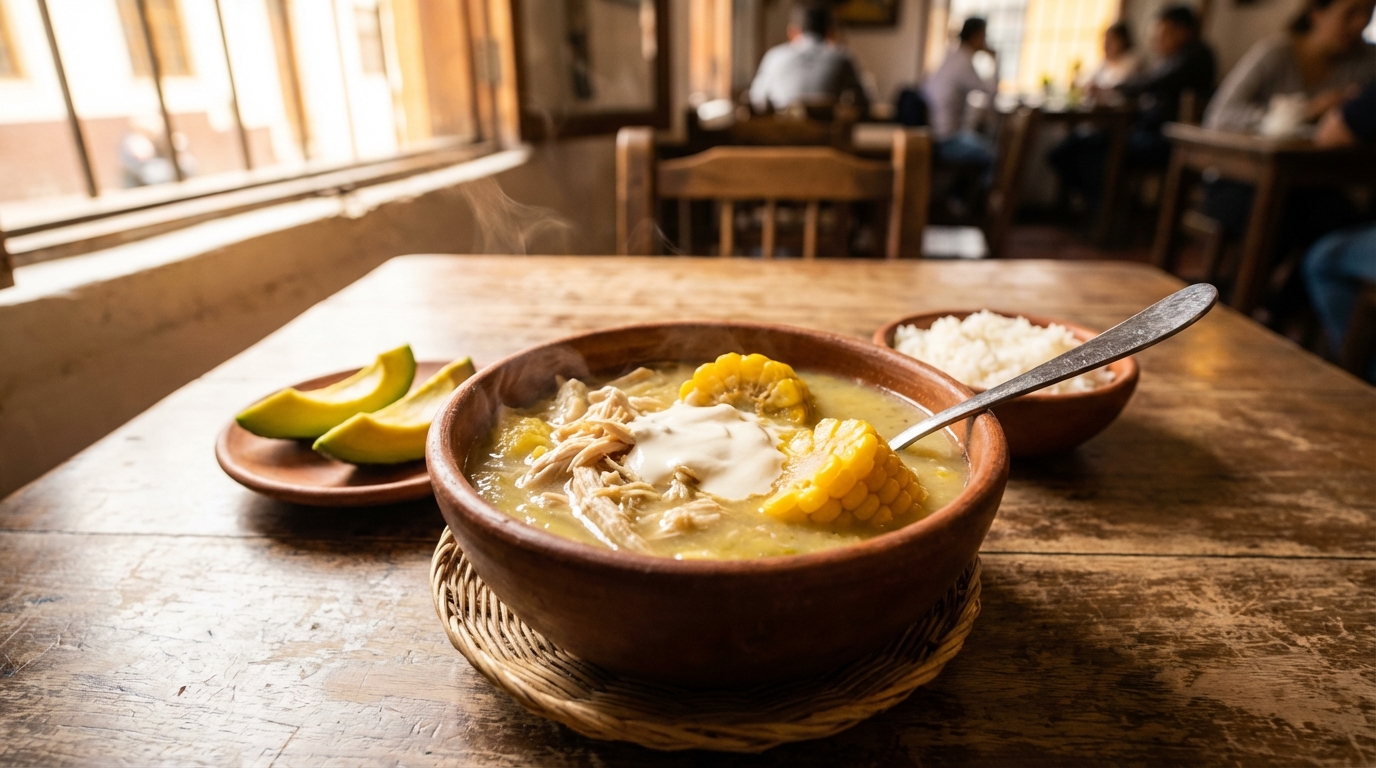
Bogotá's food scene spans from $3 set lunches to world-class restaurants that rank on Latin America's 50 Best lists. The traditional food is hearty highland fare built for cold mountain days: soups, stews, and corn-based dishes. Lunch (almuerzo) is the main meal, typically eaten between 12 and 2 PM. The corrientazo (set lunch) is the best deal in the city.
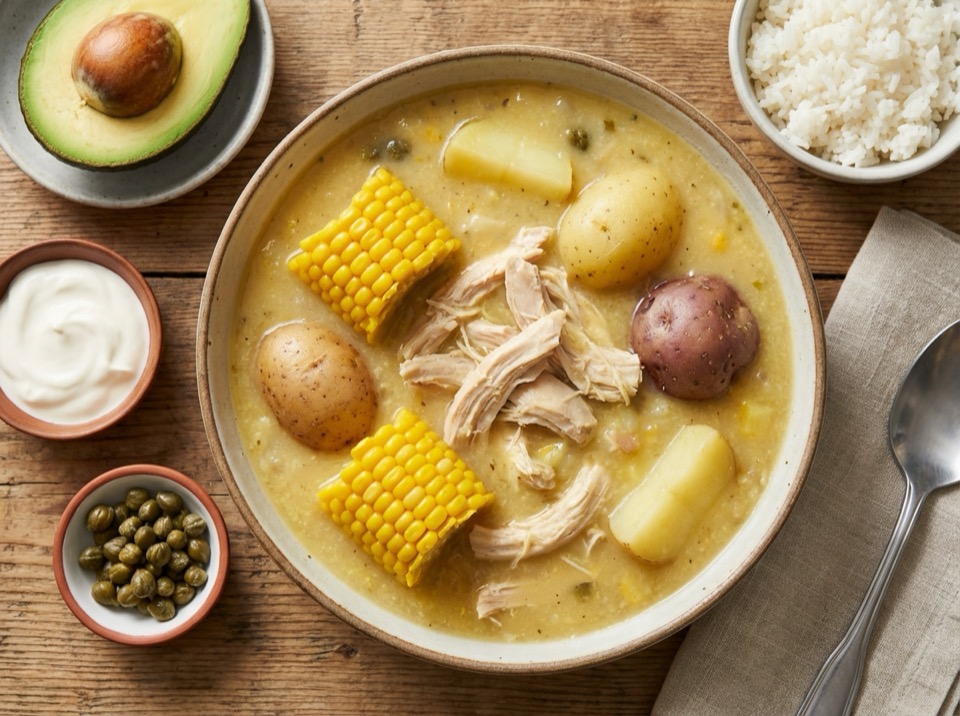
Ajiaco
Bogotá's signature dish. A thick chicken soup made with three types of potato (criolla, pastusa, sabanera), corn on the cob, and the herb guasca that gives it its distinctive flavor. Served with cream, capers, avocado, and rice on the side. Perfect for cold, rainy Bogotá afternoons.
How to order
'Un ajiaco, por favor' is all you need. It always comes with the sides. If they ask about extras, 'con aguacate y alcaparras' (with avocado and capers) is the traditional way.

Bandeja Paisa
Colombia's national dish, originally from Medellín but available everywhere. A massive platter with red beans, rice, ground beef, chicharrón (crispy pork belly), fried egg, plantain, arepa, avocado, and a small salad. It is a meal designed for hard-working farmers, so come hungry. Sharing is acceptable.
How to order
'Una bandeja paisa, por favor.' It comes as-is with everything. If you want less food, some restaurants offer a 'media bandeja' (half portion). Otherwise, sharing is fine: '¿Nos regala dos platos?' (Can you give us two plates?).
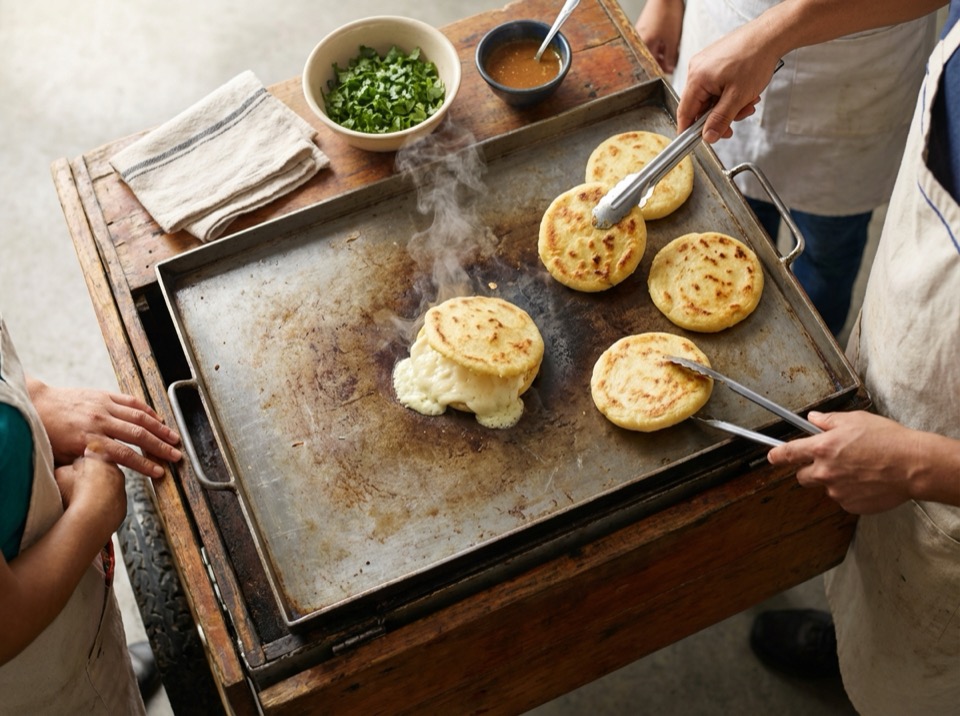
Arepa con Queso
The Colombian arepa is a flat corn cake, different from the Venezuelan version. In Bogotá, the most common style is the arepa boyacense (sweet, filled with cheese) or a simple arepa de maíz with butter and cheese. Street vendors sell them from carts early in the morning. A breakfast staple.
How to order
'Una arepa con queso, por favor.' At street carts, point and say 'con quesito' (with a little cheese). For the sweet Boyacá version, ask for 'arepa boyacense'.
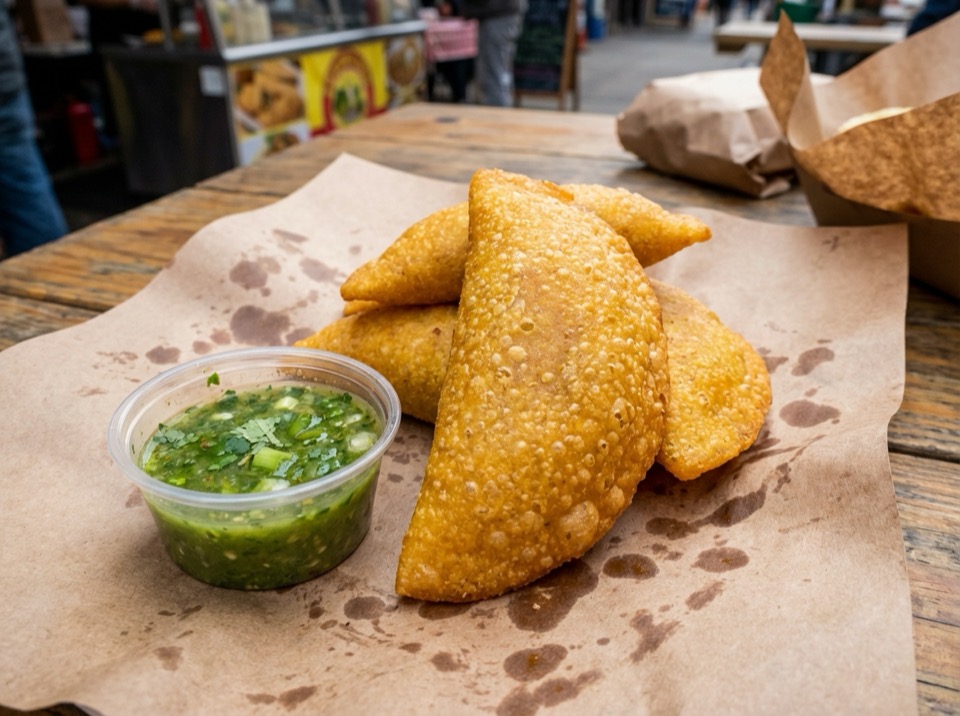
Empanadas with Ají
Colombian empanadas are corn-based (not wheat like Argentine ones), deep-fried until golden and crispy, and filled with seasoned potato and meat. Always served with ají (a tangy green salsa made with cilantro, green onion, and lime). Sold at street carts for pocket change. The perfect on-the-go snack.
How to order
'Regáleme dos empanadas con ají.' You can specify filling: 'de carne' (meat), 'de pollo' (chicken), or 'de papa' (potato). The ají should be free and plentiful.
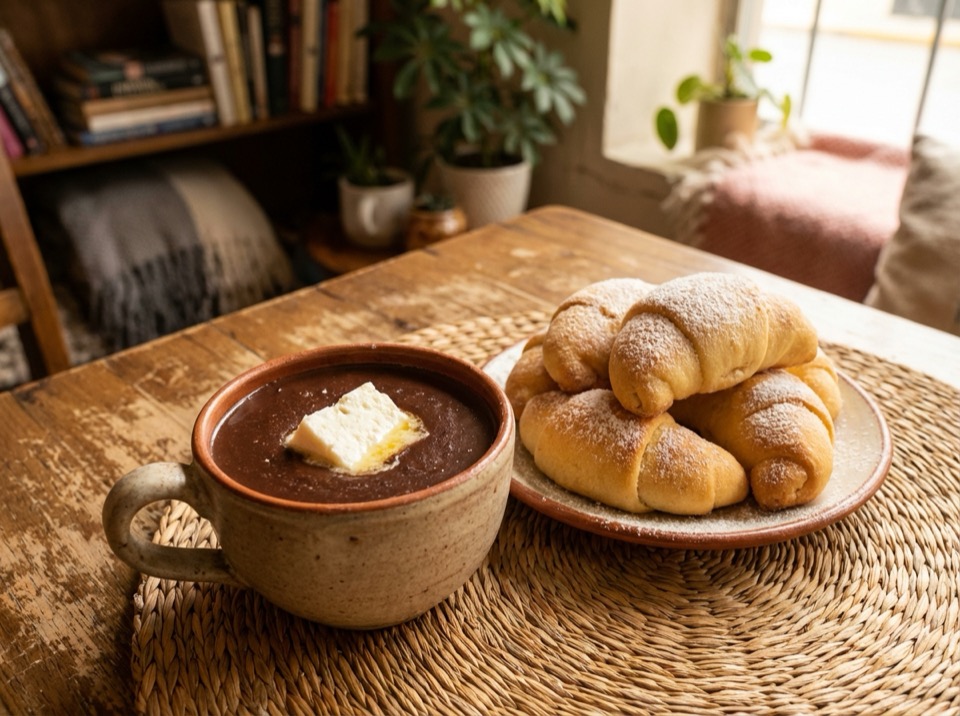
Chocolate Santafereño
Hot chocolate served the Bogotá way: with a chunk of cheese dropped into the cup that melts slightly as you drink. Paired with almojábanas (cheesy bread rolls) or pan de bono (cheese bread). This is a traditional afternoon snack ('onces') and a beloved comfort ritual on rainy days.
How to order
'Un chocolate con queso y almojábanas, por favor.' The cheese goes IN the chocolate. Trust the process. Dip the almojábanas too.
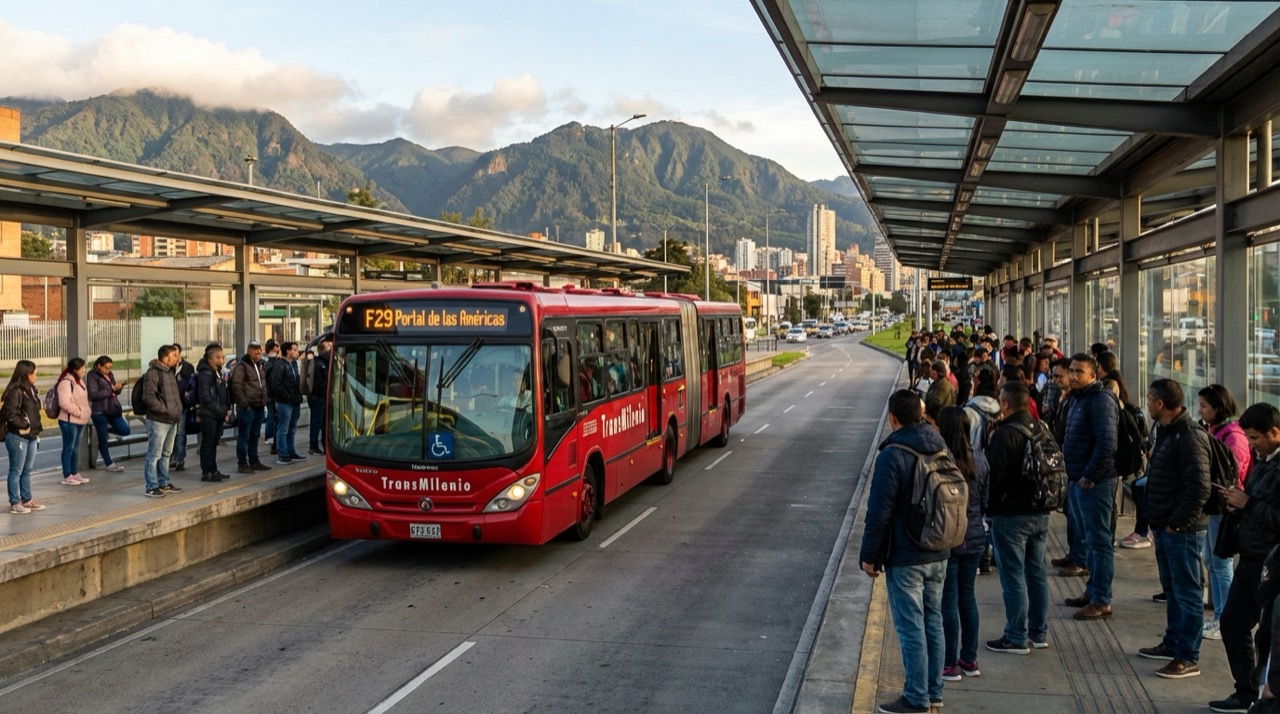
Bogotá is massive and traffic is brutal, especially during peak hours (7-9 AM, 5-8 PM). There is no metro yet (it is under construction and has been 'coming soon' for decades). TransMilenio (bus rapid transit) is the backbone of public transport. Taxis and rideshares are affordable and usually faster. Cycling infrastructure is excellent for Latin America.
TransMilenio (Bus Rapid Transit)
Bogotá's main mass transit system. Red articulated buses running on dedicated lanes. Fast when traffic is bad, but extremely crowded during rush hour. Uses a rechargeable card called TuLlave.
- Buy a TuLlave card at any station. Load it with enough for several trips.
- Rush hour (7-9 AM, 5-7 PM) is sardine-level packed. Avoid if possible.
- Keep valuables in front pockets and bags zipped. Pickpocketing happens.
- The SITP feeder buses (blue) connect neighborhoods to TransMilenio stations and use the same TuLlave card.
- 'Estación' means the main TransMilenio stops; 'paradero' means the feeder bus stops.
Taxi
Yellow taxis are everywhere. They use meters and are generally affordable. Always check that the meter is running. At night, use apps (Tappsi, InDriver) or have your hotel call one rather than hailing on the street.
- Make sure the meter (taxímetro) is on. If the driver resists, get another cab.
- Use the Tappsi or InDriver app for safer rides, especially at night.
- No tipping expected but rounding up is appreciated.
- Airport taxis have fixed rates; buy your ticket at the booth inside the terminal before exiting.
- Saying 'por la Séptima' or 'por la NQS' helps the driver choose a route (Séptima = Carrera 7, NQS = main north-south artery).
Rideshare (Uber / InDriver / DiDi)
Uber exists but operates in a legal gray zone. InDriver and DiDi are popular alternatives. Prices are often cheaper than taxis, especially in heavy traffic when you can negotiate via InDriver.
- Drivers may ask you to sit in the front seat to avoid looking like a rideshare.
- InDriver lets you bid your price. Start lower and meet in the middle.
- Payment in cash is common since not all drivers accept cards.
- Double-check the license plate matches the app before getting in.
Cycling
Bogotá has over 550 km of bike lanes (ciclorrutas), one of the largest networks in Latin America. The city is flat in the center and manageable for casual riding. Bike-share systems and rental shops are common in tourist areas.
- The Ciclovía (every Sunday) is the best introduction to cycling in the city.
- Bike lanes exist on major routes but watch for pedestrians walking in them.
- Lock your bike securely. Theft is common.
- The altitude (2,600 m) means you will tire faster than expected, especially on hills toward the eastern neighborhoods.
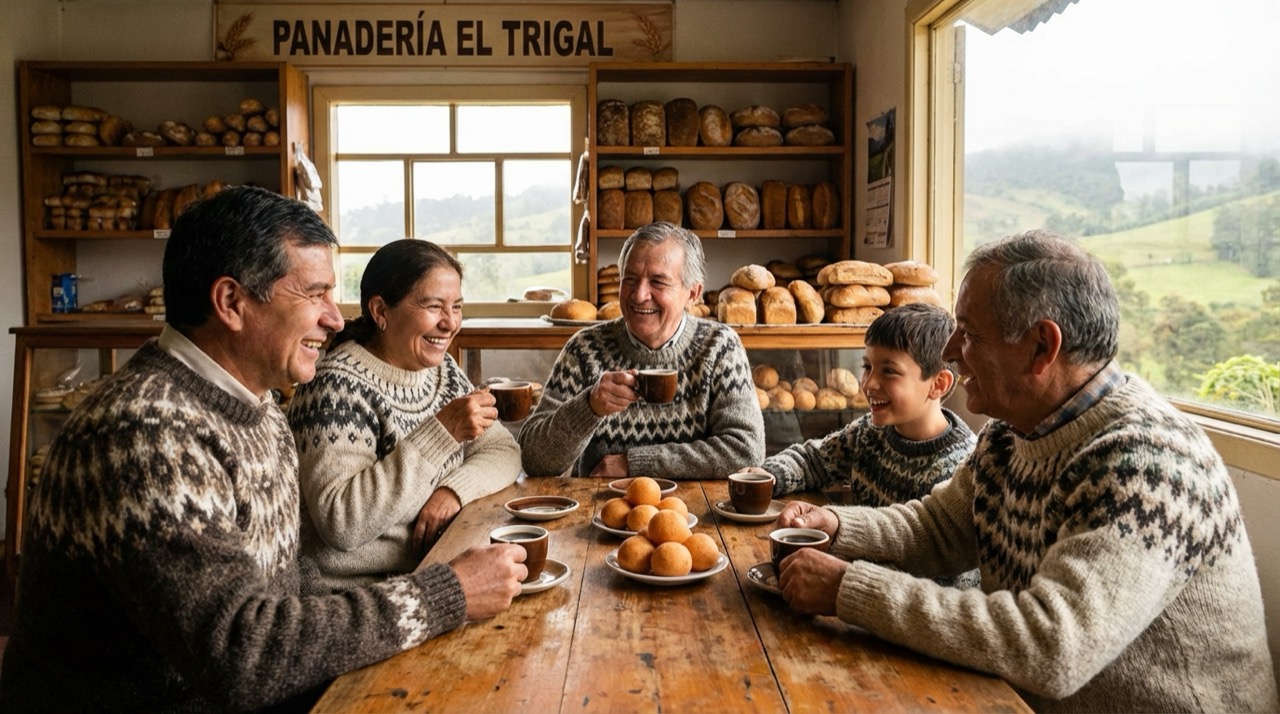
Colombians, and Bogotanos in particular, are exceptionally polite and warm. Formality and friendliness coexist naturally. People use 'usted' with everyone (even partners and children in traditional families), say 'buenos días' to strangers, and go out of their way to help visitors. The politeness is genuine, not performative. Returning that courtesy goes a long way.
Do
- Use 'usted' by default. Bogotanos use it with friends, family, and even romantic partners. Switching to 'tú' before being invited to is considered overly familiar.
- Say 'buenos días / buenas tardes / buenas noches' when entering any space, even an elevator or a small shop. Not greeting people is rude.
- Try the tinto. It is offered everywhere for free or nearly free: offices, shops, bus terminals. Accepting it is polite and social.
- Dress in layers. Bogotá's weather is famously unpredictable. It can be sunny and 20C at noon, then cold and raining by 3 PM. Locals call it 'four seasons in one day'.
- Compliment the food. Colombians take pride in their cuisine. Saying 'está delicioso' makes people genuinely happy.
- Be patient with time. 'Hora colombiana' means everything runs 15-30 minutes late in social settings. Business meetings tend to be more punctual.
Avoid
- Never bring up Pablo Escobar or narcotrafficking as a conversation starter. It is a painful chapter that Colombians are tired of being reduced to. Let them bring it up if they want to.
- Do not assume all of Colombia is tropical. Bogotá is at 2,600 meters elevation and averages 14C. Pack warm clothes.
- Avoid being overly casual in first interactions. Colombian culture values courtesy. Jumping to first names and 'tú' too quickly reads as disrespectful.
- Do not flash expensive electronics or jewelry on the street. The expression 'no dar papaya' (don't make yourself a target) is taken seriously.
- Never refuse food or drink offered in someone's home. It is a sign of hospitality and declining can offend.
- Do not litter. Bogotanos are increasingly proud of their city's improvements and littering is frowned upon.
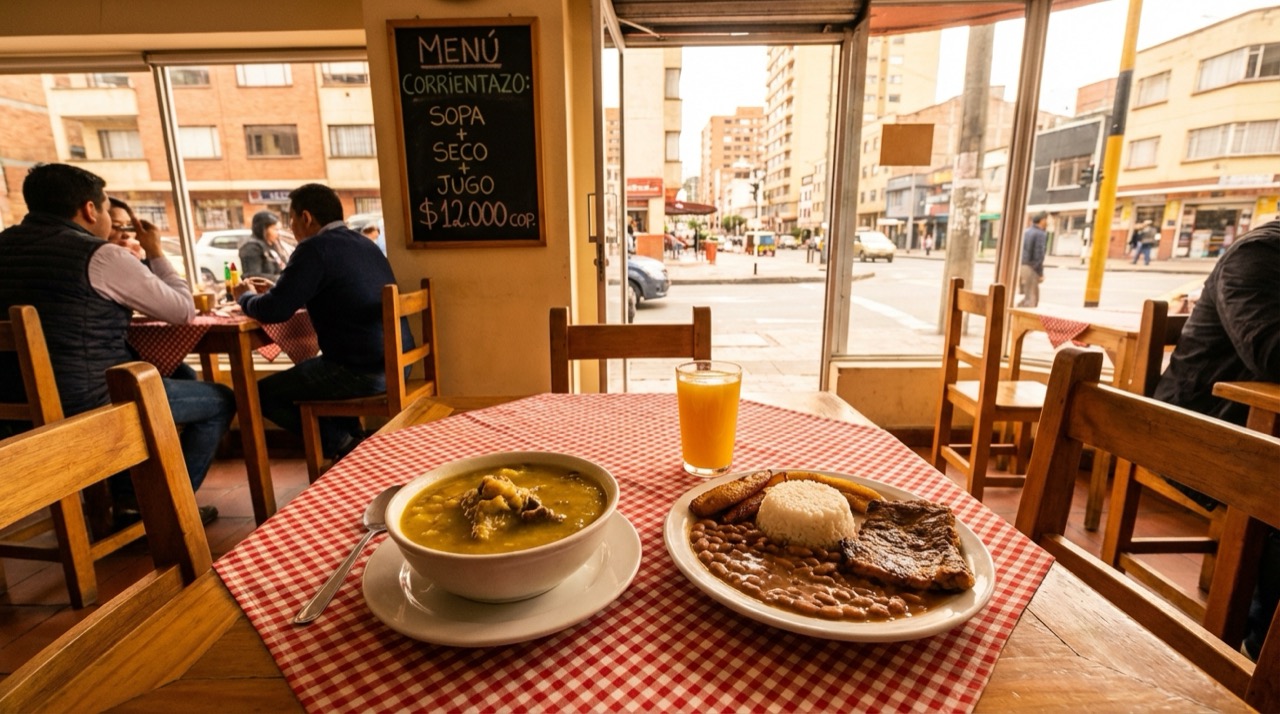
Bogotá is very affordable for international travelers. The corrientazo (set lunch) is your best friend for eating cheaply and well. Public transport is dirt cheap. Museum entry is often free. The main cost trap is nightlife in Zona T and high-end restaurants in Zona G. Staying in La Candelaria or Chapinero gives the best balance of price and experience.
Typical Prices
Money-Saving Tips
- The corrientazo is the single best budget hack. A full meal (soup, main, juice, sometimes dessert) for around $12,000-15,000 COP.
- Many top museums are free: Museo del Oro, Museo Botero, Museo Nacional (on Sundays). Check schedules before going.
- Buy a TuLlave card and load it rather than paying per ride. TransMilenio transfers are free within the system.
- Street food is safe and incredibly cheap. Empanadas, arepas, and obleas (wafer desserts) are all under $5,000 COP.
- Coffee in Colombia is paradoxically cheap. A tinto costs almost nothing. Specialty cafes charge more but still less than international prices.
- The Usaquén Sunday market is great for browsing but negotiate prices on crafts, starting at about 30% below the asking price.
- Tap water is safe to drink in Bogotá (one of the few Latin American capitals where this is true).
- Negotiate prices for day trips to Zipaquirá (Salt Cathedral), Villa de Leyva, and other nearby towns through hostels rather than tourist agencies.
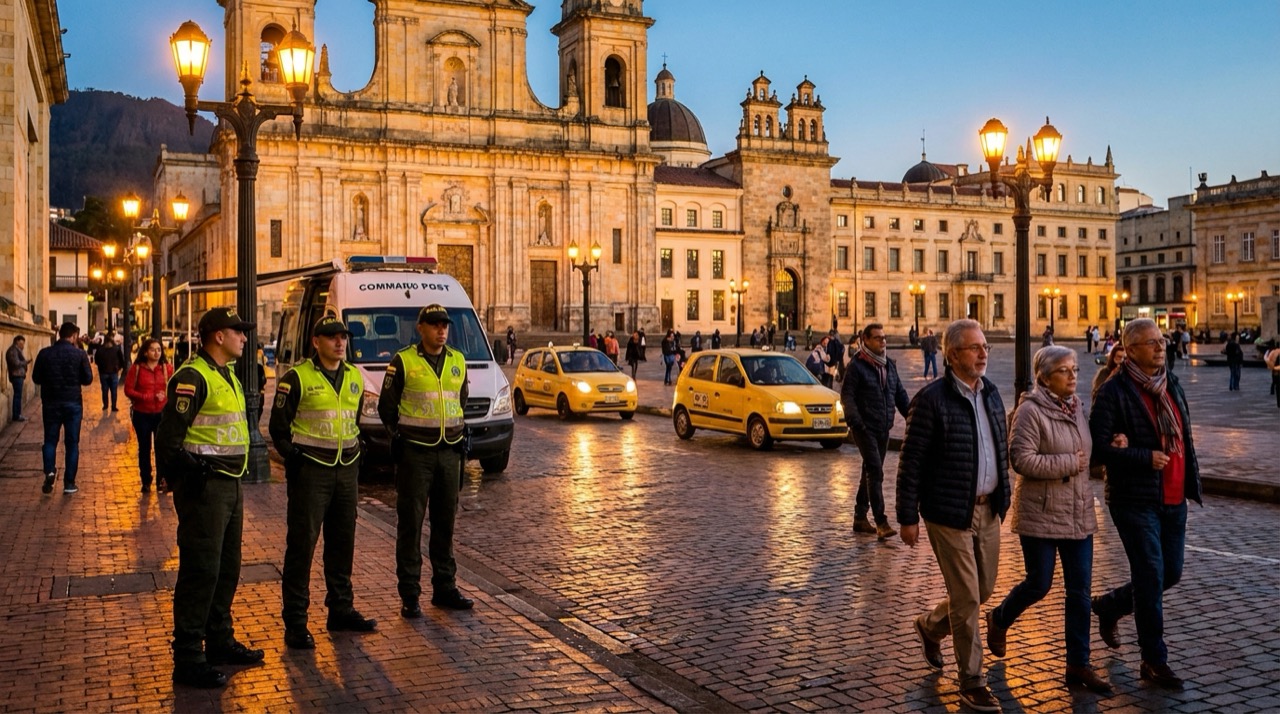
Bogotá has improved enormously in safety over the past two decades, but you still need street smarts. The golden rule is 'no dar papaya' (don't make yourself a target). Keep phones out of sight on the street, avoid walking alone late at night in unfamiliar areas, and use trusted transport after dark. TransMilenio stations can be risky at off-peak hours. Tourist areas (La Candelaria during the day, Zona T, Usaquén) are generally safe.
¡Auxilio!
Help!
/owk-SEE-lee-oh/
The Colombian word for help in an emergency. '¡Ayuda!' also works and is more universally understood.
Necesito ir al hospital.
I need to go to the hospital.
/neh-seh-SEE-toh eer ahl ohs-pee-TAHL/
Emergency rooms (urgencias) are required to treat everyone regardless of insurance. The best hospitals are in the north: Fundación Santa Fe, Clínica del Country.
¡Me robaron el celular!
They stole my phone!
/meh roh-BAH-ron el seh-loo-LAR/
Phone theft is the most common crime against tourists. Report to the CAI (police booth) nearest to where it happened.
¿Dónde queda el CAI más cercano?
Where is the nearest police station?
/DON-deh KEH-dah el kah-ee mahs sehr-KAH-noh/
CAI (Centro de Atención Inmediata) are small police posts throughout the city. They are your first point of contact for reporting incidents.
Por favor, llame a la policía.
Please call the police.
/por fah-VOR YAH-meh ah lah poh-lee-SEE-ah/
Emergency number is 123. For police specifically: 112. Both work from any phone.
Soy alérgico/a a...
I'm allergic to...
/soy ah-LEHR-hee-koh/kah ah/
Common allergens: maní (peanuts), mariscos (shellfish), huevo (egg), leche (milk). Bogotá restaurants are generally attentive to allergies if you mention them.
¿Es seguro caminar por aquí de noche?
Is it safe to walk around here at night?
/ehs seh-GOO-roh kah-mee-NAR por ah-KEE deh NOH-cheh/
A smart question to ask your hotel or hostel staff about any neighborhood. They will give you honest advice. Trust their judgment.
No tengo nada de valor.
I don't have anything valuable.
/noh TEN-goh NAH-dah deh vah-LOR/
If confronted by a thief. The standard advice is to comply and hand over what they want. Material things are replaceable.
Community Tips

Ready to learn Spanish for real?
Take these Bogotá phrases with you. Decko uses spaced repetition to make sure you actually remember them when you need them.
Free forever. No credit card required.